
Reviewed · CAVES & GROTTOS
Small Group Tour to Jeita Grotto, Harisa & Byblos with Hotel pickup
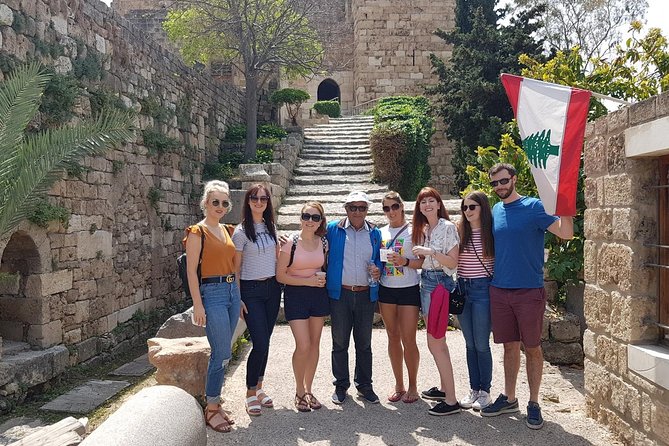
Jeita Grotto, a hilltop shrine, and ancient Byblos give you three very different views of Lebanon in one long day. You move from underground limestone chambers to wide views over Jounieh Bay, then finish among Phoenician ruins, a Crusader castle, old lanes, and a historic port.
I like the hotel pickup and the sensible route, since reaching these places without a car can be awkward. I also like the chance to ride the Harissa cable car and see Byblos, one of the oldest cities in the region. The main drawback is that this can feel more like transport between sights than a fully guided tour, so you should be comfortable exploring some stops on your own.
Key points to know before booking
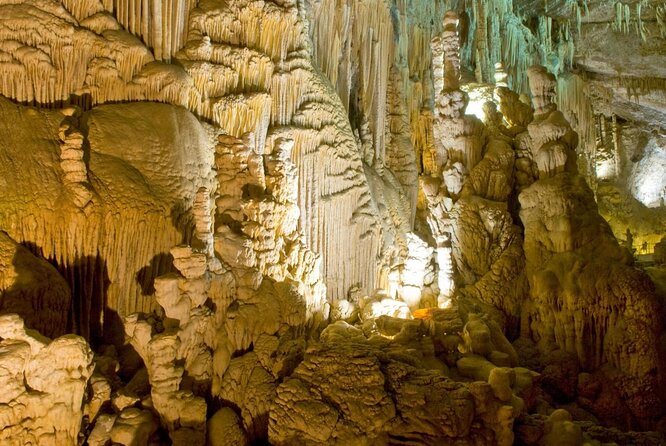
- Jeita Grotto is the visual high point, with giant stalactites, stalagmites, columns, curtains, pools, and an underground river.
- The Harissa cable car costs extra, but it adds a memorable ride above the pine-covered slopes and Jounieh Bay.
- Byblos gives the day its historical weight, with Phoenician remains, a Crusader castle, a souk, and an ancient port.
- The tour is capped at 15 people, a useful middle ground between a private car and a large coach.
- Guide styles can vary, with Albert and Hassan praised for clear, friendly explanations, while one account found the service closer to driving and drop-offs.
- The advertised price is low, but you must budget separately for Jeita Grotto, the cable car, Byblos Castle, lunch, and gratuity.
Why this Beirut day trip works
This excursion solves a real problem. Beirut is a good base, but Jeita, Harissa, and Byblos are spread north of the city, and public transport is not an easy way to connect them in one day. The air-conditioned vehicle picks you up at your hotel around 8:30 am and handles the driving while you watch the city give way to the hills and coast.
The group limit of 15 matters. You are not locked into a huge bus, yet you also avoid the higher cost of a private tour. The vehicle is described as comfortable and air-conditioned, a welcome feature for a full eight-hour outing.
The tour includes a guide or tour leader and brief explanations at each site. That wording is important. You should expect useful context and help with the day, but not necessarily a detailed guided walk through every ruin. Albert has been praised for being both informative and good-humored without talking nonstop. Hassan has also led the route professionally.
At times, the experience may feel like a well-organized sightseeing shuttle. One account described the day as mainly driving from one place to the next, with independent time at the sights. If you prefer freedom, that is a plus. If you want a historian beside you at every monument, look for a more specialized private guide.
More Caves & Grottos in Byblos
- Jeita Grotto,Harissa&Byblos Full-Day PRIVATE-CAR Trip from Beirut
★ 5.0 · 222 reviews - Jeita Grotto – Harissa – Byblos Trip
★ 5.0 · 169 reviews - Byblos, Jeita Grotto & Harissa Day Trip -With Lunch (4G on Board)
★ 4.5 · 145 reviews
Inside Jeita Grotto, Lebanon’s underground wonder
Jeita Grotto is the first major stop, with about an hour and a half scheduled here. The cave system consists of two connected limestone levels formed over millions of years. The upper cave reaches about 2,130 meters in length and is filled with mineral formations in striking shapes.
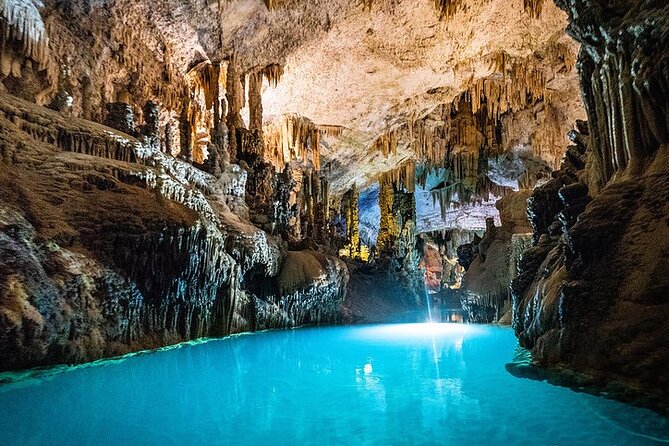
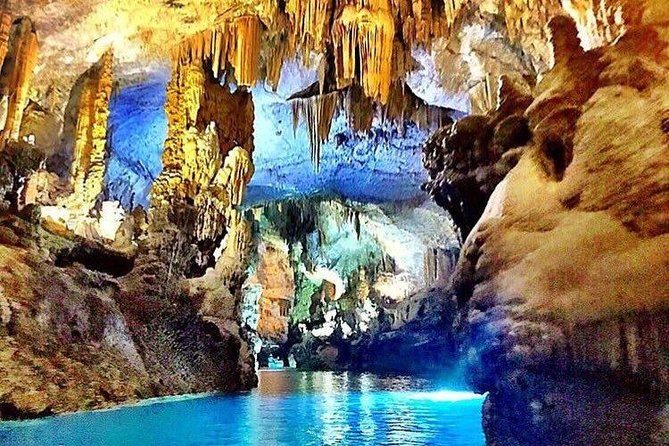
Expect stalactites hanging from the ceiling, stalagmites rising from the floor, and columns where the two meet. Curtains, draperies, mushrooms, and pools add to the variety. The descriptions of this place can sound geological and dry, but the appeal is simple: the cave is full of huge, unusual forms that make the walk feel unlike any ordinary museum visit.
The lower gallery lies about 60 meters beneath the upper one. It stretches much farther, around 6,200 meters, and contains an underground river and lake. The tour schedule gives you time to see the grotto, but not enough for a slow, all-day exploration. Stay aware of the meeting time, since the rest of the route still includes Harissa and Byblos.
Jeita admission is not included. The exact fee can change, and one booking account cited an admission cost of about US$8.80 at the time. Treat that figure as a guide rather than a guarantee. Ask before departure which cave areas are open and what your ticket covers.
Jeita is the stop where comfortable shoes matter most. The tour information does not list a dress code or specific accessibility details, so you should ask the provider if you have mobility concerns. Most people can take part, but cave surfaces and steps may not suit everyone equally.
Harissa shrine and the view over Jounieh Bay
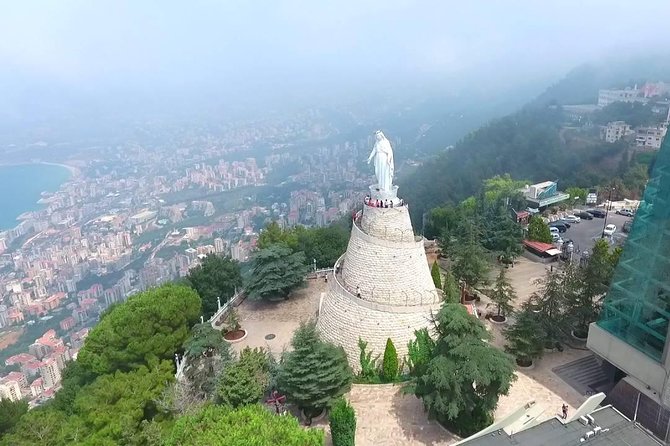
After Jeita, the route turns toward Harissa, a major Christian pilgrimage site above Jounieh. The centerpiece is a white-painted, 15-ton bronze statue of the Virgin Mary, known as Our Lady of Lebanon or Notre Dame du Liban.
The statue rises 8.5 meters and has a diameter of five meters. Mary extends her arms toward Beirut, with Jounieh Bay spread below. The location gives you a strong reason to pause even if religious sites are not central to your trip. The view is the draw: steep wooded slopes, the bay, and the city below come together from this high perch.
The shrine visit is listed at about 30 minutes, followed by another 15 minutes around the churches of Harissa. That is enough for a look, photographs, and a short explanation, but it is not a deep study of the site’s religious art or architecture.
The statue was inaugurated in 1908, and a small chapel sits inside its base. A large concrete and glass cathedral is beside it. Nearby churches represent several Christian traditions, including the Byzantine-style Melkite Greek Catholic Basilica of St. Paul, built between 1948 and 1998 according to the supplied description.
The wording around the churches is slightly incomplete, so I would not book this tour expecting a detailed denominational tour. Instead, treat Harissa as a short cultural stop with one of the best views of the day.
Taking the Telepherique to Harissa
The Harissa Telepherique is one of Lebanon’s oldest and most visited tourist attractions. The gondola carries passengers from Jounieh up the steep, pine-covered mountain to Harissa, reaching about 650 meters in altitude.
The ride itself is brief, listed at around 20 minutes within the itinerary. That timing may include boarding and viewing time, so keep your schedule flexible. From the gondola, you get an unusual angle on Jounieh Bay and the city below. This is not just a way to reach the shrine. It is one of the day’s most enjoyable experiences.
The cable-car ticket costs extra. Confirm whether your tour’s operating plan includes the ride or leaves it as an optional purchase, since the itinerary lists admission as excluded. A tour account also advises budgeting for the grotto, cable car, and castle separately. That is the key price warning for this outing.
If the cable car is operating, it adds character to the Harissa visit. If you would rather avoid it, clarify the alternative with the guide before the group boards. The information provided does not state an alternative transfer arrangement, so do not assume one.
More Caves & Grottos in Beirut:
- Semi-Private Tour to Jeita Grotto, Harissa & Byblos with Lunch
★ 5.0 · 52 reviews - Private Guided Tour to Jeita Grotto through Harissa and Byblos
★ 5.0 · 48 reviews - New Guided Semi-Private Tour to Jeita Grotto, Harissa & Byblos
★ 5.0 · 47 reviews - Baalbek Temples & Ksara Caves w/pick-up,guide, entries+lunch
★ 4.9 · 34 reviews
Byblos, from Phoenician city to seaside port
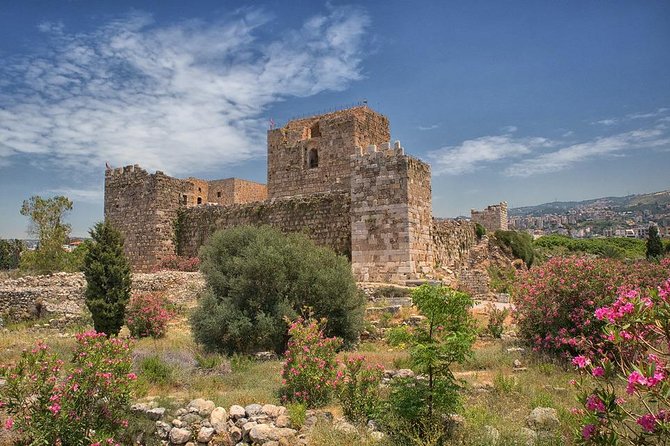
Byblos is the longest stop, with roughly two hours allocated to the town and archaeological area, plus a separate hour for the castle. That gives you time to do more than take a quick photograph.
The city was inhabited from Neolithic times and became one of the important Phoenician centers of the Mediterranean. It is closely tied to the story and spread of the Phoenician alphabet, making it one of the most meaningful stops for anyone interested in early trade, writing, and coastal cities.
The archaeology is not a single monument. You move through layers of settlement and religious remains, with the sea nearby and the old town close at hand. The remains include the Temple of Baalat Gebal and the Temple of the Obelisks. The scale of the site helps you see how long people have used this part of the coast.
Byblos is also the place where the schedule can feel tight. Two hours for the town and ruins, then another hour for the castle, sounds generous, but you still need to follow the group’s departure time. Lunch is not included. One account enjoyed lunch by the harbor, so you may have time for a meal there, but the cost is yours and the exact timing depends on the group.
Climbing Byblos Castle
Byblos Castle is a restored 12th-century Crusader fortress inside the archaeological site. A dry moat, about 10 meters wide, surrounds it. The square keep gives you a higher view across the ruins and toward the sea.
This is the place to connect the separate pieces of Byblos. From the top, Bronze Age dwellings appear below the castle walls, while the nearby temples show that the site was important long before the Crusaders arrived. The castle contains a small museum and information panels about the city’s past.
Admission is not included. If you enjoy history, this extra ticket is likely worth considering because the castle adds structure to the open archaeological site. Without climbing the keep, you may see the ruins but miss the broad view that explains how the town, temples, and shoreline fit together.
The castle stop lasts about an hour. You should have time to walk through the building and read some of the panels, though not to examine every display at length. The route works best if you choose a few details to focus on instead of trying to absorb every period represented here.
The old souk and Byblos Port
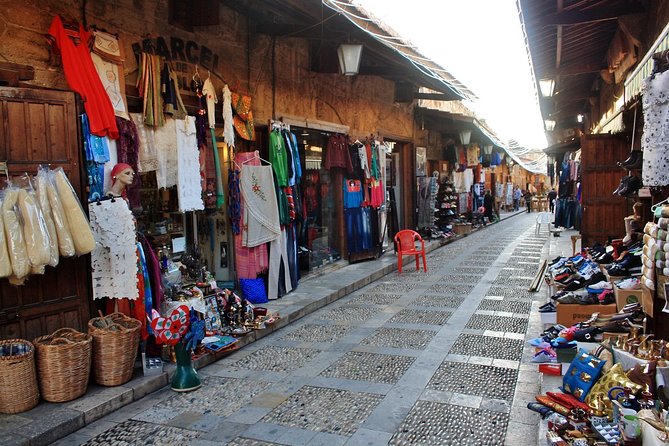
The old souk is a short stop, listed at around 10 minutes. That is enough for a quick stroll along cobbled lanes and a look at the souvenir and antique shops. It is not enough for a serious shopping session, so save purchases for the end if your schedule allows.
The souk is useful because it changes the mood after the formal ruins. You see the old town as a living place, with lanes and buildings rather than only stones behind barriers. Still, do not expect a long market visit. The schedule gives you a taste, not an afternoon of browsing.
Byblos Port receives another 10 minutes. The port is believed by Lebanese tradition to be the oldest in the world, and around 3000 BC it was a major timber-shipping center in the eastern Mediterranean. Even with a short visit, the harbor helps explain why Byblos mattered. This was a coastal city connected to trade, ships, and materials from an early date.
These final stops are best treated as brief orientation points. If you want more time at the souk, port, or waterfront restaurants, a private day or overnight stay in Byblos would give you more freedom.
The real cost and what you receive
At $10 per person, the advertised tour price is unusually low for an eight-hour excursion with hotel pickup, transport, and a small group. It is a strong deal if your main goal is to reach several sites without arranging a car.
The price is not the full cost of the day. Jeita Grotto, the Harissa Telepherique, and Byblos Castle are listed as extra. Lunch and gratuity are also excluded. Add those items before comparing this with a more expensive tour that includes entrance tickets.
The low fare also helps explain the service model. You receive transport, a tour leader, comfortable air conditioning, and short explanations. You may not receive a long guided interpretation at each ruin. That balance will suit you if you like to wander and take photographs independently.
Hotel pickup and drop-off add real value. You do not have to find a station, negotiate several local rides, or work out the order of the sites. The convenience is especially useful when visiting Lebanon for a limited time.
Free cancellation is available if you cancel at least 24 hours before the start time. Cancellations within 24 hours are not refunded, and changes during that period are not accepted. The start time is around 8:30 am, so plan on a full morning and afternoon away from Beirut.
Who should choose this tour
I would choose this trip for a first visit to Beirut when I wanted to see more of Lebanon without hiring a private car. It suits you if you value coverage, simple transport, and a mix of nature, faith, archaeology, and town life.
It also works well for independent sightseers. You get enough information to understand what you are seeing, then some freedom to look around without constant commentary. Albert’s reported style, clear information without nonstop chatter, is exactly what many people want on a long day.
You may want another option if your priority is detailed archaeology, long time at each site, or a relaxed meal by the sea. The itinerary covers a lot of ground. That is its strength, but it also means short stops and a firm schedule.
The tour is suitable for most people, with a maximum group size of 15. Still, the supplied details do not promise full accessibility at every stop. Ask in advance if steps, cave conditions, the gondola, or the castle might be a problem for you.
Should you book the Jeita, Harissa, and Byblos tour?
Book it if you want an inexpensive, efficient day from Beirut and are happy with brief guidance plus independent time. Jeita’s formations, Harissa’s view and cable car, and Byblos’s ruins make a varied day rather than three similar stops.
Before paying, confirm the total price, including entrance fees and the cable car. Also ask who will guide your departure and how much time you will have in Byblos. With those points clear, this is a practical way to reach three of northern Lebanon’s best-known sights without managing the roads yourself.
FAQ
How long does the tour last?
The tour lasts approximately eight hours, beginning around 8:30 am.
Is hotel pickup included?
Yes. Hotel pickup and drop-off are included, along with transport in an air-conditioned vehicle.
How large is the group?
The maximum group size is 15 travelers.
Is Jeita Grotto admission included?
No. Admission to Jeita Grotto is not included in the tour price.
Is the Harissa cable car included?
No. The Telepherique ticket is listed as an extra cost.
Is Byblos Castle admission included?
No. The entrance ticket for Byblos Castle is not included.
Is lunch included?
No. Lunch is excluded, so you should budget separately for a meal.
Are gratuities included?
No. Gratuity is not included.
Can most people participate?
Yes. The tour information says most travelers can participate. It does not provide detailed accessibility information for the caves, cable car, or castle.
What is the cancellation policy?
You can cancel for a full refund up to 24 hours before the experience starts. Cancellations or changes made less than 24 hours before the start time are not accepted for a refund.
Newest Beirut trips on the site
- Jeita Grotto, Byblos and Harissa Full-Day Tour from Beirut★ 5.0 · 23 reviews
- Paragliding Trip Over Lebanon – Jounieh Bay★ 5.0 · 257 reviews
- Paragliding activity in Lebanon★ 5.0 · 33 reviews
- First Paragliding Club in Lebanon – Since 1992★ 5.0 · 193 reviews
- Lebanon Wine Tasting Tour From Beirut★ 4.5 · 25 reviews
- Paragliding Trip Over Jounieh bay★ 5.0 · 33 reviews
- Chouwen Lake Hiking & Swimming★ 5.0 · 39 reviews
- City Sightseeing Beirut Hop-On Hop-Off Bus Tour★ 4.5 · 87 reviews
Caves & Grottos, compared.
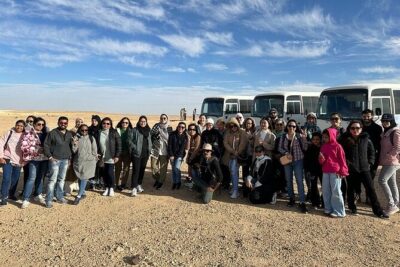
Edge of The World Riyadh with Camel Ride ,Bat Cave Visit & Dinner
Read our review →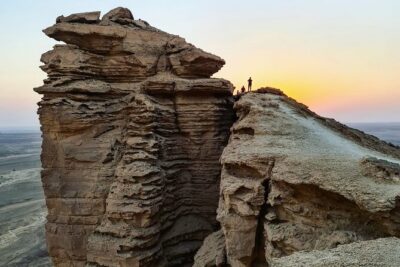
Edge Of The World Hike(Dinner under stars,village,bats cave,camp)
Read our review →
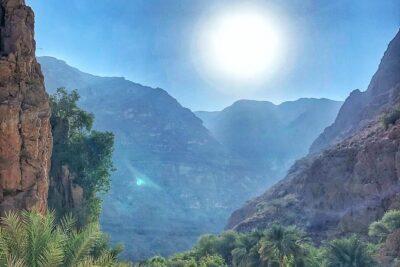
Wadi Shab and Bimmah Sinkhole Group Full Day Tour
Read our review →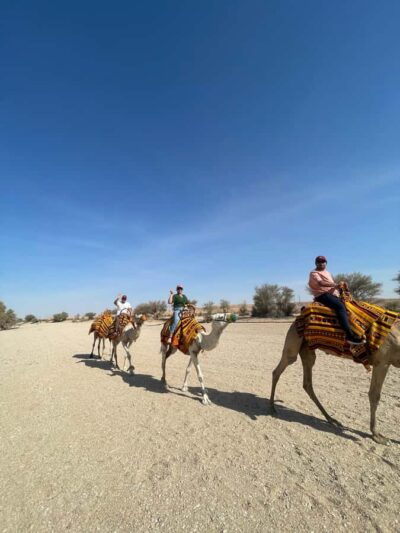
Edge of The World Riyadh,Camel Ride ,Bat Cave Visit & Dinner
Read our review →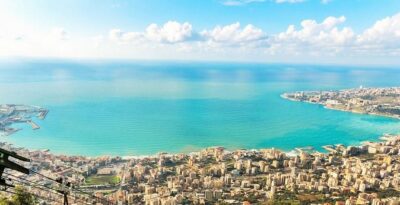
Jeita Grotto,Harissa&Byblos Full-Day PRIVATE-CAR Trip from Beirut
Read our review →
Browse the lists this tour appears in