
Reviewed · CAVES & GROTTOS
New Guided Semi-Private Tour to Jeita Grotto, Harissa & Byblos
Jeita Grotto is the star of this day, but the real pleasure is the variety. In a few hours, you move from cool limestone caves to mountain views over Jounieh Bay, then on to the ancient port and souk of Byblos. I like the strong mix of nature and history, and I like that the tour handles the driving between far-flung sights.
The air-conditioned vehicle, hotel pickup, and small maximum group of 15 make this an easy choice when you want to see several Lebanese highlights without planning every transfer. Guides such as Ali and Harake are praised for clear explanations, patience, and keeping the day on schedule. The main drawback is the pace: eight or nine hours covers a lot of ground, but you will not have unlimited time at each stop.
Key points to know before booking
- Jeita Grotto combines several forms of sightseeing: cable car, mini-train, walking routes, and a boat ride inside the lower cave when operating.
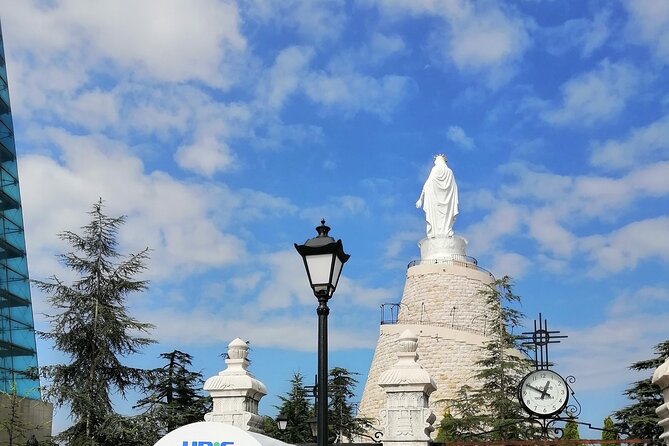
- Harissa delivers the day’s best wide view: the Virgin Mary statue looks over Jounieh Bay and the coast from the mountain.
- Byblos gives you history with room to wander: the port, Crusader castle, archaeological remains, old souk, cafés, and craft shops fit into one visit.
- Hotel pickup and drop-off are included: you can leave the driving and route planning to the English-speaking local guide.
- Entrance fees and lunch are optional additions: check the booking choice carefully so you know what your $55 price covers.
- The group can reach 15 people: it is more personal than a large coach tour, but not necessarily a private outing.
Why this Beirut day trip works so well
This is a smart route for a first visit to Lebanon. Jeita Grotto, Harissa, and Byblos each offer something different, so the day does not feel like three versions of the same sightseeing stop. You get natural drama underground, a high viewpoint, and one of the country’s most important historic towns.
I also like the way the route moves north from Beirut instead of wasting the day in a single city neighborhood. The air-conditioned vehicle matters here. You are not piecing together several taxis or public transport connections, and your guide can explain the places as you go.
The advertised price is $55 per person, which is good value if your booking includes the entrance fees and one-way cable-car ticket. If you choose the base option and pay admissions separately, the final cost will be higher. Lunch at a traditional restaurant by the Byblos waterfront is also an optional extra, so read the package details before paying.
More Caves & Grottos in Byblos
- Jeita Grotto,Harissa&Byblos Full-Day PRIVATE-CAR Trip from Beirut
★ 5.0 · 222 reviews - Jeita Grotto – Harissa – Byblos Trip
★ 5.0 · 169 reviews - Byblos, Jeita Grotto & Harissa Day Trip -With Lunch (4G on Board)
★ 4.5 · 145 reviews
Leaving Beirut for Jeita Grotto
Pickup begins in the morning, with the meeting information listing an 8:30 am start and the route describing hotel collection at about 8:15 am. Confirm your exact pickup time and location when booking. The tour includes hotel pickup and drop-off in Beirut, a useful benefit when traffic and unfamiliar streets could make an independent start awkward.
The drive to Jeita takes you away from the city toward the mountains. One particularly nice touch mentioned by the operator is a possible stop for traditional Lebanese bakery food on the way. That is not presented as a formal included meal, so treat it as a possible roadside food stop rather than a guarantee.
Your guide sets the context during the drive, then gives you roughly one hour and 15 minutes at Jeita Grotto. That is enough to experience the main areas, but you should not expect a slow, photographer’s morning. Keep your ticket arrangements in mind and return to the meeting point promptly.
Inside Jeita Grotto, Lebanon’s great cave visit

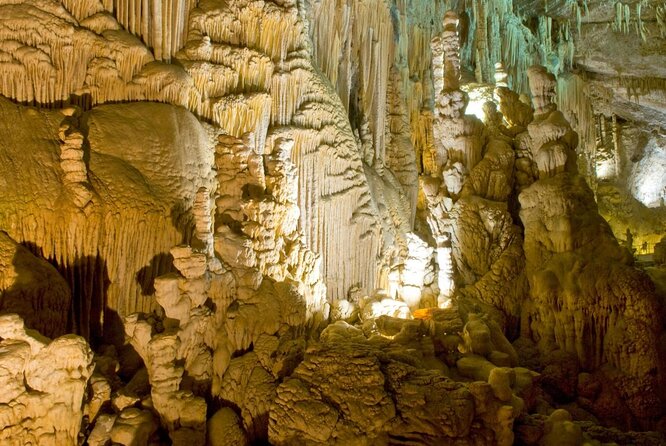
Jeita Grotto is a system of two separate but connected limestone caves with a total length of nearly 10 kilometers. You do not tour all of that underground network. Instead, the visit focuses on the sections open to the public, reached through a mix of transport and walking.
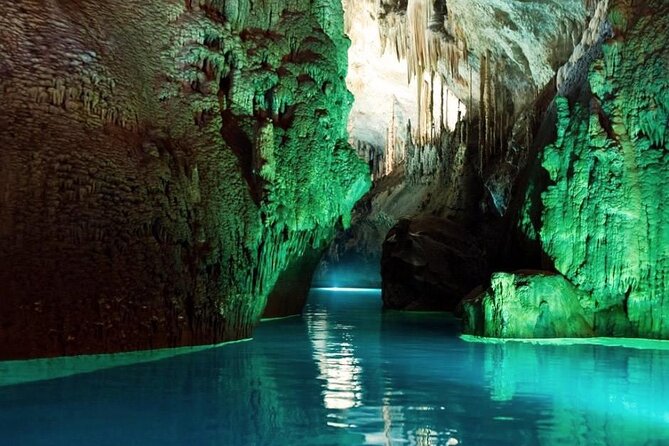
The attraction is unusually varied. You can ride the cable car up to the cave area, use a mini-train, and take a boat through the lower cave when conditions allow. The boat ride gives the visit a quiet, enclosed feel, while the upper cave lets you look closely at the limestone formations.
A good guide adds real value here. Harake, one of the guides associated with this experience, is praised for pointing out details that are easy to miss. This is the kind of place where a column, dripstone formation, or unusual shape can look like ordinary rock until someone explains what you are seeing.
Photography may be limited in parts of the cave, and the route includes walking. The tour information does not give a detailed accessibility description, so contact the operator if stairs, uneven surfaces, or the transport sections could affect your visit. The cave is also a cool change from the warmth outside, though the tour does not specify a temperature.
The main limitation is time. Jeita deserves more than a rushed glance, but this itinerary must also reach Harissa and Byblos. I would make the cave your priority at this stop, rather than lingering too long at the entrance area or shops.
Harissa and the view over Jounieh Bay
After Jeita, the vehicle climbs toward Harissa, home to the large Virgin Mary statue known as Our Lady of Lebanon. The stop is listed at about 30 minutes, and there is no admission charge for the shrine visit.
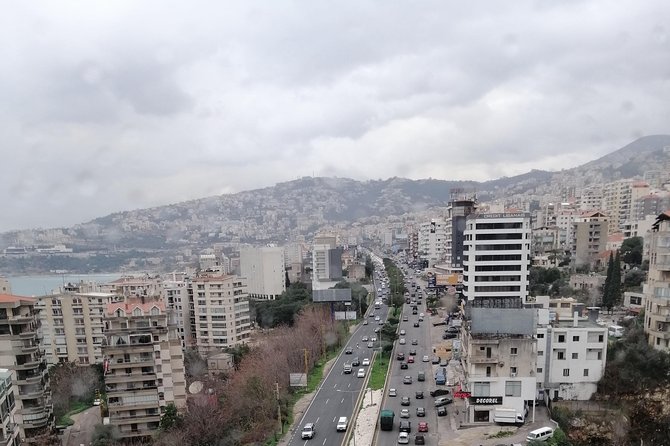
This is a short stop, but it gives the day a welcome change of scale. From the mountain, you look down over Jounieh Bay and the surrounding coast. The guide can explain the importance of the shrine while you take in the view and the mountain roads below.
Harissa is especially useful as a photo stop. The coastline, bay, and hills create a broad view that you simply cannot get from the streets of Beirut. If the air is clear, this may be the most memorable outward-looking moment of the day.
Do not expect a long religious or architectural tour. Thirty minutes is enough to see the statue, absorb the setting, and take photographs, but not to study every detail. The stop works best when you treat it as a viewpoint and cultural pause between the caves and Byblos.
More Caves & Grottos in Beirut:
- Semi-Private Tour to Jeita Grotto, Harissa & Byblos with Lunch
★ 5.0 · 52 reviews - Small Group Tour to Jeita Grotto, Harisa & Byblos with Hotel pickup
★ 5.0 · 49 reviews - Private Guided Tour to Jeita Grotto through Harissa and Byblos
★ 5.0 · 48 reviews - Baalbek Temples & Ksara Caves w/pick-up,guide, entries+lunch
★ 4.9 · 34 reviews
The Téléferique ride from Harissa to Jounieh
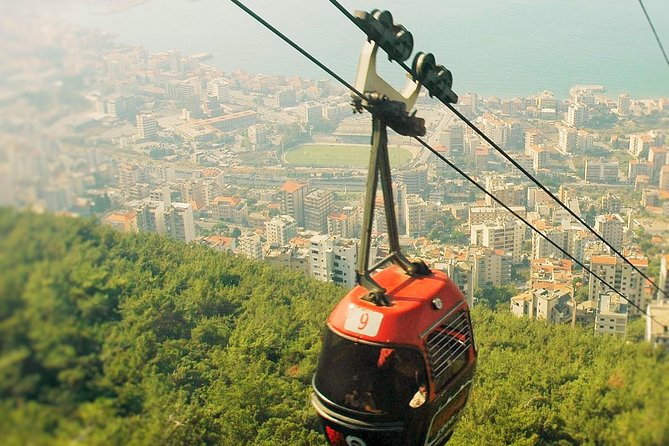
The cable car is one of the most enjoyable parts of the route. You ride from Harissa down toward Jounieh, with the bay and coast spread below you. The ride itself is listed at about 20 minutes, and the driver waits at the lower end before continuing to Byblos.
This is more than a way to get from one point to another. The height gives you a different view of Jounieh, and the slow movement lets you take in the relationship between the mountain and the coast. Several comments about the day specifically praise the cable-car views.
The one practical catch is that the cable car may be closed. In that case, the vehicle takes you onward instead. The tour description also treats the cable-car ticket as an optional inclusion, so confirm both the ticket and the operating plan when you book.
If the cable car is running, keep your belongings secure and be ready to board when directed. The driver’s waiting arrangement is convenient, but the group still needs to keep moving to protect the Byblos schedule.
Walking the old port of Byblos
Byblos is the longest and most substantial stop. The town is one of the oldest continuously inhabited cities in the world, and its UNESCO World Heritage status reflects the layers gathered around the port and archaeological area.
You begin around the marina, then walk toward the castle and old souk. The port gives you a pleasant introduction to Byblos, while the nearby ruins show why this place matters. You are not simply looking at one preserved monument. You are moving through an old town where medieval walls, ancient remains, shops, cafés, and partially ruined properties sit close together.
The stated walking visit lasts about an hour and a half, though the individual port and castle timings suggest that the route is organized into shorter sections. Wear comfortable shoes. The old streets and archaeological areas are best explored on foot, and the tour does not offer much spare time for a long independent wander.
I like Byblos because it gives you a taste of daily life as well as history. The marina and cafés keep the visit from feeling like a purely archaeological exercise. At the same time, the castle and ancient temples provide enough substance for anyone interested in Lebanon’s past.
The Crusader castle and Phoenician remains
The Crusader castle is an optional paid visit, so check that its entrance fee is included in your chosen package. The building was constructed in the 12th century from local limestone and reused Roman material. It was once surrounded by a moat and connected with the Genoese Embriaco family, the Lords of Gibelet.
The castle has had a rough life. Saladin captured Byblos and the castle in 1188, and parts of the walls were dismantled. Crusaders later retook the town and rebuilt the fortifications. The site also faced an attack from Cypriot ships in 1369.
You do not need to memorize every date to enjoy it. The key point is that the castle sits beside much older Phoenician archaeological remains, including the ruins of the Temple of Baalat Gebal and the Temple of the Obelisks. That side-by-side arrangement makes the visit unusually readable. You can see several periods of Byblos history in a compact area.
Allow about 45 minutes for the castle if you choose to enter. Climbing and uneven ground may be part of the experience, though the supplied information does not detail the route. If you prefer shops and cafés to fortifications, you can spend more of your free time in the souk instead.
The old souk, cafés, and local crafts
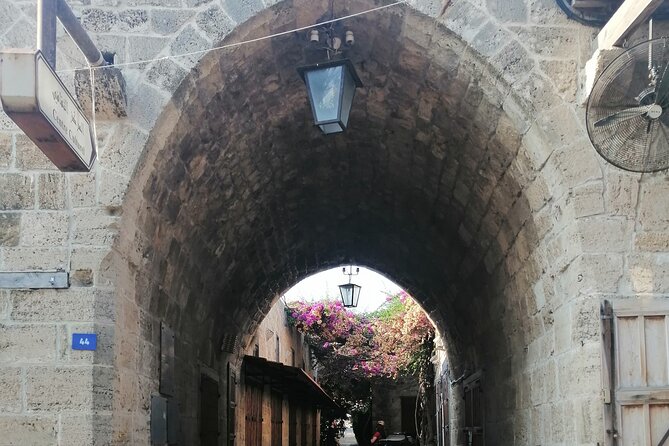
After the castle, you enter Byblos’s old souk. This is a small, walkable market area with shops selling antiques, souvenirs, local crafts, and other goods. The route is listed at about 30 minutes, which is enough for a look around but not a serious shopping session.
I would use this stop to explore the side lanes rather than rush from shop to shop. Old walls, medieval sections, half-ruined buildings, bars, and cafés overlap here. The charm comes from the mix, not from a single grand monument.
You may find the souk more relaxed than the formal archaeological site. It gives you a chance to browse, sit briefly, or pick up a small reminder of Lebanon. The guide can also help you get your bearings and point out what is worth seeing before the group moves to lunch.
Keep your expectations sensible. This is not a giant market, and half an hour passes quickly. If you want to shop carefully or linger over coffee, this is the part of the day where the schedule feels tightest.
Optional Lebanese lunch beside the Byblos sea
The day includes time for a meal at a traditional restaurant, with the option to book lunch at a restaurant by the sea in the old Byblos port. The supplied details describe Mediterranean Lebanese food, but do not specify a fixed menu or exact dishes.
That flexibility can be useful. You get a proper break after the morning’s walking, and the waterfront setting adds something to the meal. One account of the experience specifically praises the food in Byblos, while another describes starting the morning with Lebanese bakery food.
Do not assume lunch is part of the $55 base price. It is listed as an option, just like the entrance fees and cable-car ticket. If you want a fully planned day with no cash decisions at the sites, select the package that includes the additions you need.
Lunch is listed at about one hour. That gives you time to eat without turning the meal into the entire Byblos visit. Afterward, the driver returns you to Beirut and drops you at your location.
The guide and group experience
The strongest part of this tour is the guide’s role. Ali and Harake are specifically associated with warm, patient service, clear explanations, helpful answers, and careful time management. You may not receive the same guide on every departure, but the experience is designed around an English-speaking local group leader who also helps with the driving and logistics.
That combination matters. Jeita Grotto benefits from someone who can call attention to small formations. Harissa benefits from context about the shrine and view. Byblos benefits from an explanation of the castle’s complicated past rather than a quick photograph and a departure.
The vehicle is air-conditioned, and the maximum group size is 15. That is small enough to feel more manageable than a full coach, though it is not a private tour. The size also helps with hotel pickups and walking stops, but you will still need to follow a shared timetable.
One positive sign is that the company has operated the outing even when only one person was booked. That suggests a willingness to keep the day running, though the terms also say a minimum number of participants may be required. If the minimum is not met and the tour is canceled, you are offered another date or experience, or a full refund.
Who should book this tour?
I would choose this trip if you have limited time in Beirut and want a broad introduction to Lebanon’s coast and mountain sights. It suits you especially well if you prefer a guide, hotel transportation, and a fixed route to arranging several separate visits yourself.
It is also a good fit for couples, solo visitors, and small groups who want some company without joining a large coach. The positive experiences associated with Ali and Harake suggest that the guide can make a real difference, particularly if you enjoy asking questions about culture and history.
You may want a different plan if you need long, unhurried visits. Jeita, Harissa, and Byblos are all worthwhile on their own, and this schedule samples each rather than examining every corner. People with mobility concerns should ask the operator about the cave, cable car, castle, and old-town walking conditions before booking.
The cancellation terms are simple: cancel at least 24 hours before the local start time for a full refund. Cancellations or changes within 24 hours are not refunded or accepted.
Should you book this Jeita, Harissa, and Byblos tour?
Yes, if your priority is seeing three major sights in one well-managed day. The route has a good rhythm: underground scenery at Jeita, a mountain view at Harissa, and ancient streets and fortifications in Byblos.
At $55 per person, it offers particularly good value when hotel transport, the guide, and the admissions you want are included in your selected package. Just check the fine print on entrance fees, the one-way cable-car ticket, and lunch before you confirm.
I would book it for a first visit or a short stay in Beirut. If you have several days in Lebanon, you could spend longer at each place independently. For most people trying to see a lot without losing a day to transport planning, this is a practical and rewarding choice.
FAQ
How long does the tour last?
The tour lasts approximately 8 to 9 hours, including hotel pickup, the visits to Jeita Grotto, Harissa, and Byblos, lunch time if selected, and the return to Beirut.
What time does the tour start?
The meeting information lists an 8:30 am start. The route description says hotel pickup begins at about 8:15 am, so confirm your exact pickup time with the operator.
Is hotel pickup and drop-off included?
Yes. Pickup from your hotel in Beirut and drop-off at your location in Beirut are included.
Are entrance fees included in the $55 price?
Entrance fees are available as an optional booking choice. The cable-car ticket is also listed as an optional inclusion, so check which package you select.
Is lunch included?
Lunch is optional. You can add a meal at a traditional restaurant by the sea in Byblos’s old port, but do not assume it is included in the base price.
What happens if the Harissa cable car is closed?
If the cable car is closed, the tour continues by vehicle instead. When it is operating, the route includes a ride from Harissa to Jounieh.
How many people can join the tour?
The tour has a maximum of 15 participants. It is a small-group outing, but it is not guaranteed to be private.
Newest Beirut trips on the site
- Jeita Grotto, Byblos and Harissa Full-Day Tour from Beirut★ 5.0 · 23 reviews
- Paragliding Trip Over Lebanon – Jounieh Bay★ 5.0 · 257 reviews
- Paragliding activity in Lebanon★ 5.0 · 33 reviews
- Lebanon Wine Tasting Tour From Beirut★ 4.5 · 25 reviews
- Paragliding Trip Over Jounieh bay★ 5.0 · 33 reviews
- First Paragliding Club in Lebanon – Since 1992★ 5.0 · 193 reviews
- Chouwen Lake Hiking & Swimming★ 5.0 · 39 reviews
- City Sightseeing Beirut Hop-On Hop-Off Bus Tour★ 4.5 · 87 reviews
Caves & Grottos, compared.
Edge of The World Riyadh with Camel Ride ,Bat Cave Visit & Dinner
Read our review →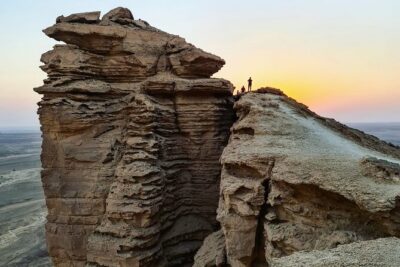
Edge Of The World Hike(Dinner under stars,village,bats cave,camp)
Read our review →
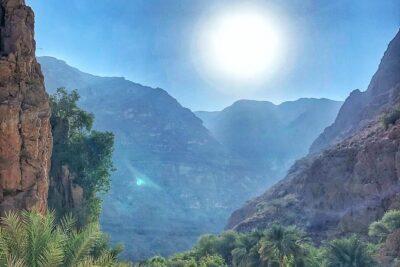
Wadi Shab and Bimmah Sinkhole Group Full Day Tour
Read our review →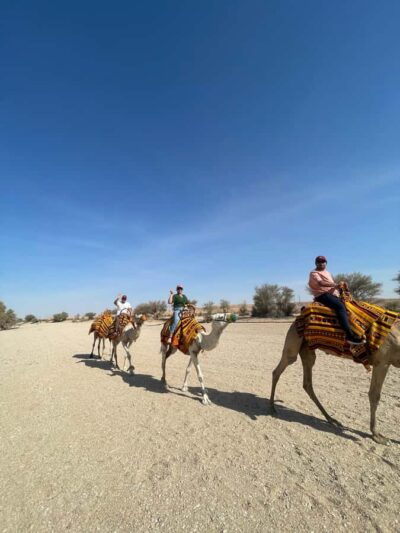
Edge of The World Riyadh,Camel Ride ,Bat Cave Visit & Dinner
Read our review →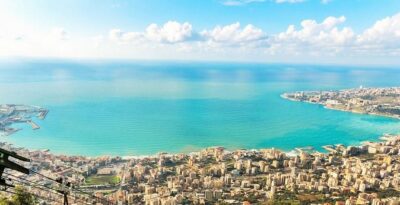
Jeita Grotto,Harissa&Byblos Full-Day PRIVATE-CAR Trip from Beirut
Read our review →
Browse the lists this tour appears in