
Reviewed · FOOD TOURS
Lebanon Wine Tasting Tour From Beirut
Lebanon’s Bekaa Valley gives you a full day of wine, history, and mountain scenery without the bother of arranging taxis between distant wineries. The most interesting part is the contrast between old family wine traditions and Lebanon’s modern wine trade, all reached from Beirut in one day.
I like the choice of three wineries, since each stop offers a different angle on Lebanese wine. I also like the small-group format and hotel pickup, especially with guides such as Robin, who bring in useful stories about Lebanon beyond what is in your glass.
The main thing to check is your expectation of guiding. Some departures may feel like a fully guided wine tour, while others may be closer to transport between wineries. The experience is also non-refundable, so make sure the date works before booking.
Key points to know before you book
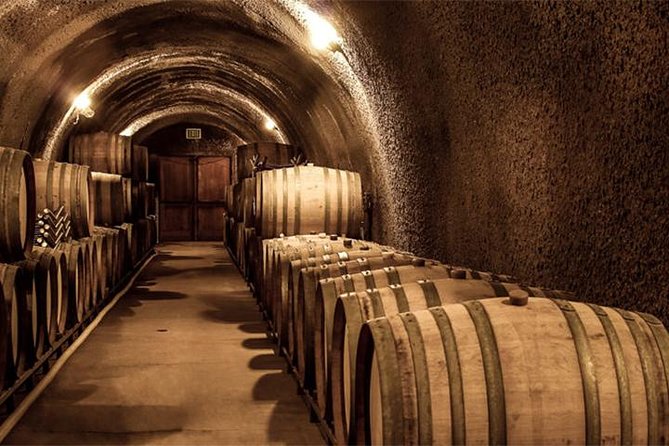
- Three Bekaa Valley wineries: Visit Chateau Heritage, Chateau Ksara, and Chateau Rayak in one day.
- Chateau Ksara adds historical weight: Lebanon’s oldest winery began modern production in 1857 under Jesuit fathers.
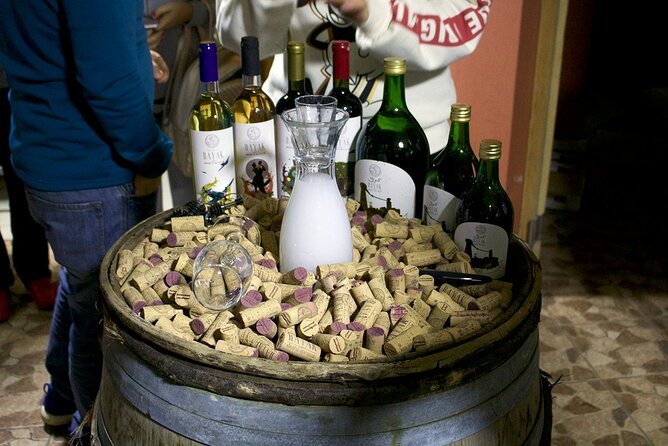
- Wine and arak are both part of the story: Tastings and winery visits may include Lebanon’s famous anise-flavored spirit as well as wine.
- Lunch in Zahle breaks up the day: You get a proper pause between winery visits rather than eight straight hours in a vehicle.
- Small-group transport from Beirut: Pickup and drop-off are included, with the group size listed as up to 15, while the tour highlights also describe groups of 10 or fewer.
- Good value for a full day: At $91.03 per person, the price covers transport, winery admissions, and tastings, but lunch is not included.
Why the Bekaa Valley makes a good day trip from Beirut
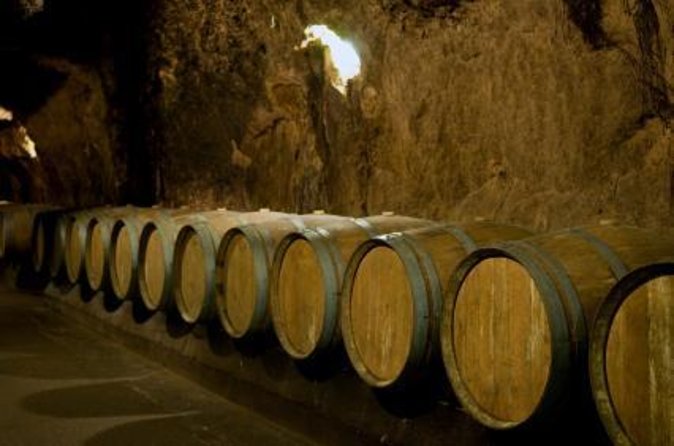
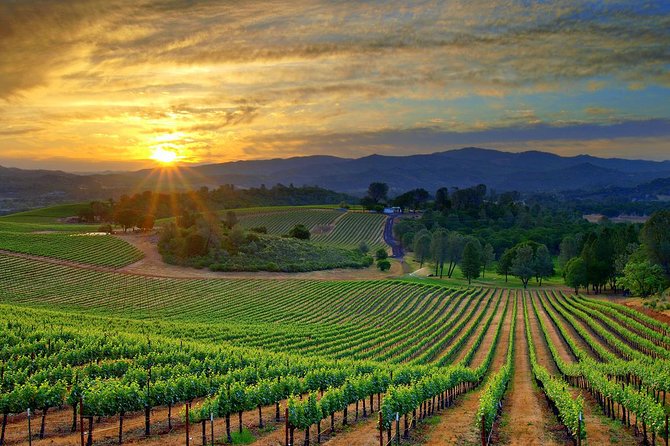
Lebanon’s wine story reaches back thousands of years, and the Bekaa Valley is the country’s main wine region. The valley has long supported vineyards, while nearby Baalbek adds a strong Roman connection to the day. Ancient religious and historical traditions also place wine firmly in the story of the wider Middle East.
You do not need to be an expert to enjoy this tour. The point is to taste several local styles, see how wine is made, and understand why Lebanon produces wine despite its small size. The route also gives you a break from Beirut’s busy streets and takes you into a more rural part of the country.
The drive matters here. Three wineries are spread across the Bekaa Valley, so a private car or taxi arrangement could become expensive and awkward. With round-trip transport in a climate-controlled vehicle, you can focus on the visits rather than roads, directions, or who has to avoid the next glass.
The day begins at 9:00 a.m. in Beirut and lasts about eight hours. That makes this a serious full-day outing, not a quick tasting squeezed between city sights. Plan to keep the rest of your evening light.
More Food Tours in Beirut:
- Authentic Lebanese Cooking Lesson and Meal with Tania’s Family in Beirut
★ 5.0 · 62 reviews - Dubai: Old Town, Creek, Museums, Souks, & Street Food Tour
★ 4.8 · 10,816 reviews - Dubai: Old Town, Souks, Street Food, Guided Tour & Abra Ride
★ 4.9 · 7,170 reviews
Chateau Heritage and Lebanon’s family wine traditions
The first stop is Chateau Heritage, located in the small town of Kab Elias. The Touma family established one of Lebanon’s early wineries and distilleries there in 1888, producing both wine and Arak Touma.
This stop gives you a useful introduction to the family side of Lebanese wine. You can expect to hear about the Touma family, the Bekaa Valley, and the link between wine production and arak, Lebanon’s national drink. The visit lasts about an hour, and admission is included.
The larger story is worth paying attention to. The Phoenicians are often linked with the spread of grape varieties around the Mediterranean, and Lebanon’s wine traditions are tied to the ancient Middle East rather than being a recent tourism invention. You may not get a full lecture on every ancient claim, but the setting gives the day a sense of place.
The practical limit is time. One hour can introduce the winery and its products, but it will not give you a detailed course in viticulture. If you want technical information about soil, barrels, or fermentation, ask questions directly. A flexible guide can make a major difference here.
Chateau Ksara, Lebanon’s oldest winery
Chateau Ksara is the historical centerpiece of the route. Jesuit fathers began working a 25-hectare plot in 1857 and produced Lebanon’s first non-sweet red wine. The winery took its name from ksar, meaning fortress, connected with its use during the Crusades.
The range here is broad. Chateau Ksara produces red, white, rosé, sweet, and dry wines, along with arak. That variety makes this a useful stop if you are still trying to work out which Lebanese wines suit you.
You should expect this visit to feel more established than the family-focused opening stop. It helps explain how Lebanon’s modern wine industry developed from agricultural land into a recognized national trade. Admission is included, and the visit lasts about an hour.
The advantage of visiting several wineries is clear here: you can compare styles instead of treating one bottle as the complete picture of Lebanese wine. The drawback is that the schedule may feel brisk. Tasting, touring, and moving on within an hour leaves little time for a leisurely shop visit or long conversation.
If you enjoy wine, take mental notes. Remember which wines you prefer, not only the names of the wineries. Red, white, and rosé styles can taste quite different, and it is easy to lose track by the third stop.
Zahle gives the day a needed pause
Lunch takes place at a local restaurant in Zahle. The stop lasts about an hour, and lunch is not included in the tour price.
This break is more important than it may first appear. Three winery visits plus the drive from Beirut could otherwise turn into a long sequence of tastings with little time to reset. Zahle gives you a chance to eat, drink water, and talk with your guide about what you have tasted so far.
The meal also adds a local dimension that a winery-only route would miss. You are not simply moving from one tasting room to another. You are spending time in one of the Bekaa Valley’s main towns, though the supplied details do not specify the restaurant or menu.
Bring enough money for lunch, and do not assume that every part of the meal is covered by the $91.03 tour price. The included elements are transport, winery admissions, and wine tastings. Any extra food or drinks are your responsibility.
A few more Beirut trips worth comparing
- Guided Small-Group Tour to Baalbek, Anjar and Ksara with Lunch
★ 5.0 · 511 reviews - Guided Small-Group Tour to Jeita, Harissa, Byblos with Lunch
★ 5.0 · 361 reviews - Paragliding Trip Over Lebanon – Jounieh Bay
★ 5.0 · 257 reviews - Jeita Grotto,Harissa&Byblos Full-Day PRIVATE-CAR Trip from Beirut
★ 5.0 · 222 reviews
Chateau Rayak brings the day to a family winery
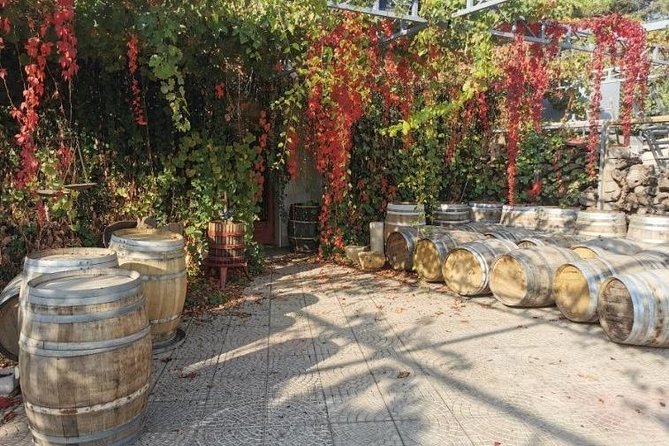
The final winery is Chateau Rayak, with a two-hour visit. This is the longest stop, and it focuses on a family that combines traditional methods with modern technology.
That balance makes Chateau Rayak a fitting final visit. By this point, you have seen a family winery with roots in the late nineteenth century and a major historic producer with a wide range of wines. Chateau Rayak adds another model: traditional knowledge supported by current production methods.
The winery uses grapes from the Bekaa Valley to make several wines. The longer visit should give you more room to learn about production than the one-hour stops, though the exact format can vary. This is also the stop that received especially strong praise in the supplied feedback, so I would pay attention here rather than treating it as a final formality.
A two-hour visit can feel generous after a full day, but it is also where the schedule may run late if earlier stops take longer than planned. Keep your evening flexible. The tour returns to Beirut, but the exact arrival time is not given.
What the guide can add to the experience
The guide can determine whether this feels like a real wine day or simply a scenic transfer with tastings. Robin is named as one guide associated with the experience, and his role included explaining the Bekaa Valley, Lebanese wine, and both historic and modern aspects of the country.
That wider context is valuable. You can taste a wine anywhere, but a good guide helps you connect the bottle to the place where it was made. The strongest version of this tour includes short explanations during the drive, useful background at each winery, and help comparing what you taste.
There is also evidence that the operator can adapt when plans change. One departure had a vehicle problem, and another guide was brought in. The replacement guide was described as very good, but the incident also shows why you should allow some patience for a full-day excursion in Lebanon.
One guide also suggested an extra stop during a departure. That kind of flexibility can be a welcome bonus, but it should not be treated as guaranteed. The published route is the three wineries, Zahle, and transport from Beirut.
The group size is a little unclear in the supplied details. The highlights describe a group limited to 10 for personal service, while the additional information allows up to 15 people. Ask the operator which limit applies to your date if group size matters to you.
Is $91.03 a fair price?
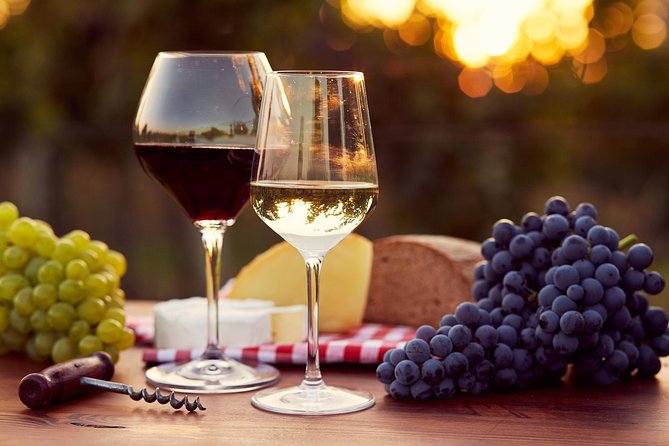
At $91.03 per person, this is a strong price for a full day if you value convenience. You receive round-trip transport from Beirut, visits to three wineries, included admissions, and wine tastings. Organizing that route independently would mean arranging transport across the Bekaa Valley and coordinating several appointments.
The price does not include lunch in Zahle. That is a normal arrangement for a tour of this type, but budget for the meal separately. You may also want to purchase bottles or other winery products, though no purchase is required.
The value drops if you expect a private sommelier-style lesson from morning to afternoon. This is a broad introduction, not a specialist wine seminar. You are paying for access, transport, a planned route, and local context rather than an intensive technical course.
The small-group format helps. A group of 10 or fewer should allow more questions and less waiting, while a maximum of 15 is still manageable but less personal. Since the information gives both figures, confirm the expected group size before you book.
Who should book this Bekaa Valley tour?
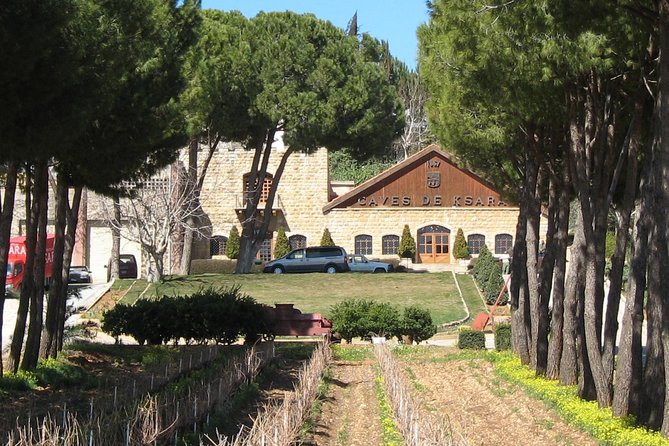
I would recommend it to you if you are staying in Beirut and want to see more of Lebanon without renting a car. It suits couples, friends, and small groups who enjoy trying local drinks but also want history and scenery in the day.
It is especially useful if this is your first visit to Lebanese wineries. The three-stop format gives you a broad sample of producers, grape styles, and winemaking approaches. You do not need prior wine knowledge, and the included tastings make it easy to compare.
It may not suit you if you want a slow, private day with long meals and extended time at each cellar. The route covers a lot of ground, and the schedule is structured around several stops. You should also reconsider if you need a fully refundable booking, since cancellations and amendments are not eligible for a refund.
This is not the right choice if you want to spend the whole day in Beirut. The attraction is the trip out to the Bekaa Valley, and the roughly eight-hour schedule takes up most of the day.
Small details that can improve your day
Start with a proper breakfast. The first pickup is at 9:00 a.m., and lunch comes later after two winery visits.
Drink water between tastings. You will sample red, rosé, and white wines, and some stops also connect wine with arak. A little restraint early in the day will make the final visit much more enjoyable.
Ask your guide about the differences between the wineries. Chateau Heritage represents a family tradition dating to 1888, Chateau Ksara explains the development of Lebanon’s modern wine industry, and Chateau Rayak focuses on traditional methods paired with current technology.
Keep the return evening free. The tour is scheduled for about eight hours, but road conditions and the pace of the winery visits can affect the timing.
Finally, treat the tour as an introduction. If you discover a Lebanese wine you like, note the producer and style. The tastings are most useful when they help you decide what you would like to seek out later.
Should you book it?
Book this tour if you want an affordable, well-planned day from Beirut with three winery visits and a proper look at the Bekaa Valley. The strongest reasons are the included transport, the mix of historic and family-run producers, and the chance to taste several types of Lebanese wine without arranging the route yourself.
Go in with realistic expectations. The guiding quality can depend on the person assigned, the group may be as large as 15, lunch costs extra, and the experience may feel more like winery transport on some departures than a detailed wine class.
For most wine-curious visitors, the balance is favorable. You get a lot of ground, history, and tasting for $91.03. Confirm the group size and guiding format, then book only when you are sure of the date because the payment cannot be refunded.
FAQ
Where does the tour start?
The tour starts in Beirut, Lebanon, with pickup offered from your hotel. The stated start time is 9:00 a.m.
How long does the wine tour last?
The experience lasts approximately eight hours and ends back at the meeting point in Beirut.
Which wineries are included?
The route includes Chateau Heritage, Chateau Ksara, and Chateau Rayak in the Bekaa Valley.
Is lunch included?
No. The tour includes a one-hour lunch stop at a local restaurant in Zahle, but lunch is not included in the tour price.
Are wine tastings included?
Yes. Included tastings cover local wines, including red, rosé, and white varieties.
How large is the group?
The additional tour information allows a maximum of 15 people. The highlights describe the group as limited to 10, so you should confirm the expected group size for your departure.
Can I cancel for a refund?
No. The experience is non-refundable and cannot be changed after booking for any reason.
Newest Beirut trips on the site
- Paragliding activity in Lebanon★ 5.0 · 33 reviews
- Jeita Grotto, Byblos and Harissa Full-Day Tour from Beirut★ 5.0 · 23 reviews
- Paragliding Trip Over Lebanon – Jounieh Bay★ 5.0 · 257 reviews
- First Paragliding Club in Lebanon – Since 1992★ 5.0 · 193 reviews
- Paragliding Trip Over Jounieh bay★ 5.0 · 33 reviews
- Chouwen Lake Hiking & Swimming★ 5.0 · 39 reviews
- City Sightseeing Beirut Hop-On Hop-Off Bus Tour★ 4.5 · 87 reviews
- Jeita Grotto – Harissa – Byblos Tour (All Inclusive)★ 4.5 · 27 reviews
Food Tours, compared.
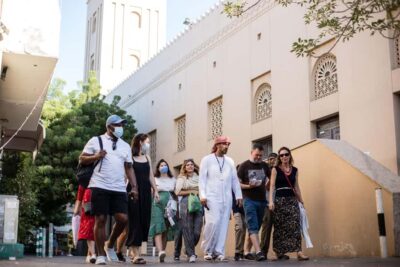
Old Town, Creek, Museums, Souks, & Street Food Tour
Read our review →
Old Town, Souks, Street Food, Guided Tour & Abra Ride
Read our review →Old Town, Souks, Street Food, Guided Tour & Abra Ride
Read our review →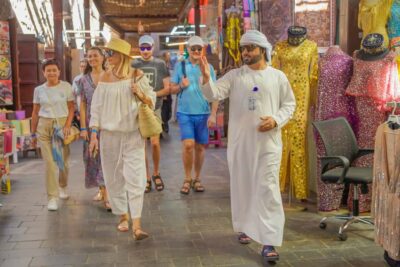
Old Town, Street Food, Creek, Souks, & Emirati House
Read our review →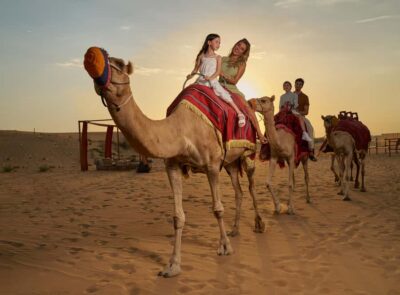
Dubai’s Best Desert Safari: Live Show & Gourmet BBQ Dinner
Read our review →
Dubai Harbour Super Yacht Experience with gourmet & Drinks
Read our review →
Dubai Premium Desert Safari with Live shows & Gourmet Dinner
Read our review →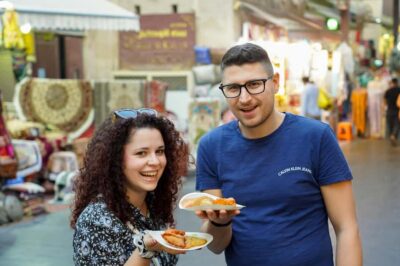
Old Dubai: Premium Guided Tour with Street Food & Abra Ride
Read our review →Browse the lists this tour appears in