
Reviewed · BAALBEK TOURS
Anjar, Baalbek & Ksara Day Trip – With Lunch (4G on Board)
Baalbek is the star here: a huge Roman temple complex where the stonework feels almost too large to be real. I like that this day pairs it with Anjar’s Umayyad ruins and the cool wine cellars at Chateau Ksara, giving you three very different sights rather than three versions of the same archaeological stop.
I also like the easy package: transport, admission, lunch, water, and WiFi are covered for $95. The main caution is the schedule. It is a long day, and larger departures can run late, with lunch sometimes pushed well into the afternoon.
Key points to know before booking
- Baalbek gets the most time: You have about two hours for the Temple of Bacchus and Temple of Jupiter.
- Anjar is a compact historical stop: Allow about one hour for the Umayyad palace-city, gates, arcades, and souks.
- Ksara changes the pace: The one-hour winery visit takes you into old cave cellars and includes wine tasting.
- Lunch is part of the value: Expect Lebanese mezze, a main dish, fruit or dessert, and one soft drink.
- The day is coach-based: Air conditioning, bottled water, and onboard WiFi make the long road time easier.
- Timing can vary: The advertised group limit is 25, but some departures have been larger and slower.
Why this Beirut day trip works so well
This is a big day, but it covers a remarkable slice of Lebanon. You leave Beirut’s urban traffic behind and head into the Bekaa Valley, where the itinerary shifts from Roman power to early Islamic city planning and then to modern Lebanese winemaking.
I like the way the stops balance one another. Baalbek supplies the drama, Anjar gives you a smaller site that rewards careful attention, and Ksara offers shade, a change of pace, and a taste of local produce. If your time in Lebanon is limited, this is a practical way to reach several major sights without arranging separate cars, guides, tickets, and meals.
The package is also easy to understand. You start at 8:30 a.m. from Nakhal Tourism and Travel in Beirut, or use the included pickup if your hotel is inside Beirut city. Pickup does not cover hostels, Airbnb rentals, or private apartments, so check this point before paying.
The overall rating is 4.5 from 181 ratings, with 91 percent recommending the experience. That fits the strongest pattern: guides and drivers are usually praised for making a packed route feel organized. Names mentioned for especially strong guiding include Natasha, Lucy, Fadi, and Waleed, though your assigned guide can be different.
More one-day trips in Beirut:
- Byblos, Jeita Grotto & Harissa Day Trip -With Lunch (4G on Board)
★ 4.5 · 145 reviews - Guided Private Full Day Tour to Baalbek, Anjar and Chateau Ksara
★ 5.0 · 60 reviews - Small-Group Adventure Tour to Sidon Tyre & Maghdouche-Day Trip
★ 5.0 · 45 reviews
The road from Beirut to Baalbek
The first part of the morning is a road journey, not sightseeing at every turn. You ride in an air-conditioned vehicle toward Baalbek, with the guide providing background about Lebanon and the places ahead.
That commentary matters. Baalbek can look like a field of enormous stones if you arrive without context. A good guide helps you see the site as Heliopolis, the Roman City of the Sun, and explains how its temples fit into the wider Roman world.
The coach format is useful for this route. You do not need to negotiate directions or find parking at each stop, and the driver handles the transfer between places. Several strong accounts specifically praised the driving and the condition of the newer vehicle used on some departures. WiFi on board is a welcome extra, especially during the longer stretches.
Still, allow some patience. Beirut traffic can affect the morning, and one departure had to deal with a traffic delay. The day is planned tightly, so a late start at the first meeting point can ripple through the rest of the schedule.
Baalbek and the enormous Temple of Jupiter
Baalbek is the reason to book this trip. You have about two hours at the site, including the Temple of Bacchus and the Temple of Jupiter, and that is enough time to grasp its scale without turning the entire day into one long archaeological walk.
The first shock is size. The Temple of Jupiter was built on a massive podium around a rectangular courtyard where sacrifices took place. Even in ruined form, the structure feels grand. The remaining stones are so large that the practical questions become part of the visit: how were they moved, lifted, and set into place with ancient tools?
The Temple of Bacchus is another major highlight. Its carved details and towering columns remain unusually striking, and several people have singled it out as the most memorable part of the whole Lebanon trip.
I would give Baalbek your full attention. Take time to look up at the columns, then back down at the blocks underfoot. The site rewards scale more than speed. You will also hear about earlier temples and the foundations beneath the Roman remains, adding another layer to what you are seeing.
The drawback is that two hours can feel short. Baalbek is a large complex, and the visit is guided rather than completely free-form. You will see the principal areas, but you may not have time to wander every corner or linger at every carving.
Wear practical shoes and expect a moderate level of walking. The tour asks for a moderate physical fitness level, and there is limited appeal in rushing through a place this impressive.
Lunch with Lebanese mezze in Zahle
After Baalbek, the group stops for a Lebanese lunch. The set menu includes mezze, a main dish, fruit or dessert, and one soft drink. The meal is designed as part of the experience, not as a quick sandwich break.
Mezze means a spread of small dishes, so you get variety before the main course. The meal has been praised for its generous portions, including plenty of meat, and plant-based diners have also found suitable food available. You should expect a substantial meal rather than a light roadside snack.
The lunch stop also gives you a chance to sit down after the largest archaeological visit. This is useful because the morning involves road time, walking, sun, and a great deal of information.
Timing is the one issue to watch. On a delayed departure, lunch was not served until around 4 p.m. That is not typical enough to define every outing, but it is possible on a traffic-heavy or oversized departure. I would eat a proper breakfast and carry a small snack, even though bottled water is included.
The location in or around Zahle adds a local touch, but the exact restaurant is not specified. What matters most is that lunch, the main dish, dessert or fruit, and a soft drink are included in the price.
A few more Beirut trips worth comparing
- Guided Small-Group Tour to Baalbek, Anjar and Ksara with Lunch
★ 5.0 · 511 reviews - Baalbek – Anjar – Ksara Trip From Beirut
★ 4.5 · 80 reviews - Private Anjar and Baalbek Tour from Beirut with Departure Ticket
★ 5.0 · 79 reviews - Lebanon tour Baalbek ruins & Ksara w/pick-up, lunch,guide+entries
★ 5.0 · 35 reviews
Anjar’s Umayyad palace-city
Anjar comes next, with about one hour at the ruins. It is a smaller and more orderly site than Baalbek, which makes it a good second stop rather than an anticlimax.
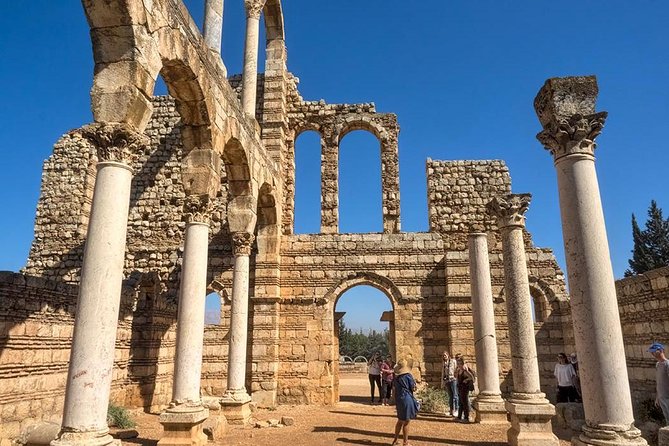
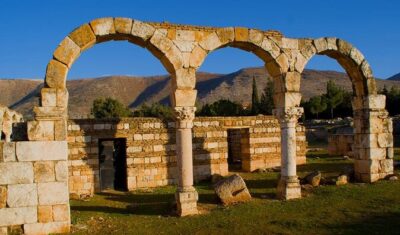
The ruins come from an eighth-century city built under the Umayyad dynasty. You will see traces of a planned palace-city, including arcades, gates, ruined temples, and other structures shaped by Hellenistic and Roman design.
That blend is what makes Anjar interesting. The site is Umayyad, but its layout and architectural language show how later builders used ideas from earlier Mediterranean civilizations. Your guide can help you notice the straight lines and repeated arches rather than simply seeing another collection of broken walls.
One hour is a sensible amount of time. You can walk around the main remains, hear the historical explanation, and still keep the day moving. Anjar is also a gentler opener if you want to understand the region’s archaeology before reaching Baalbek.
The itinerary mentions Anjar’s souks as part of the stop, but the main attraction is clearly the archaeological complex. Do not expect the same monumental scale as Baalbek. Its appeal is in the city plan, the surviving arcades, and the contrast between a Roman-influenced Umayyad settlement and the earlier imperial complex.
Chateau Ksara and the underground wine cellars
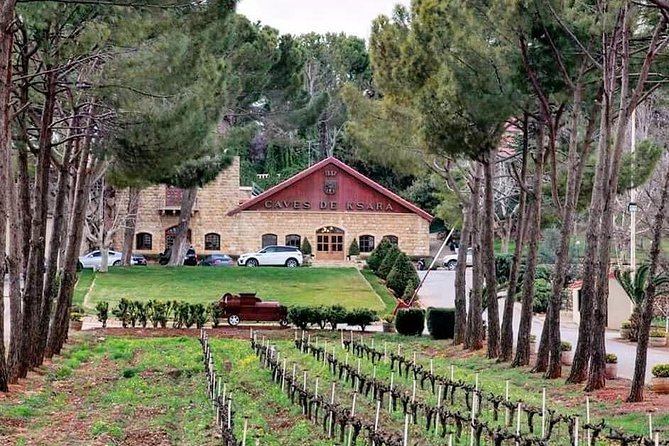
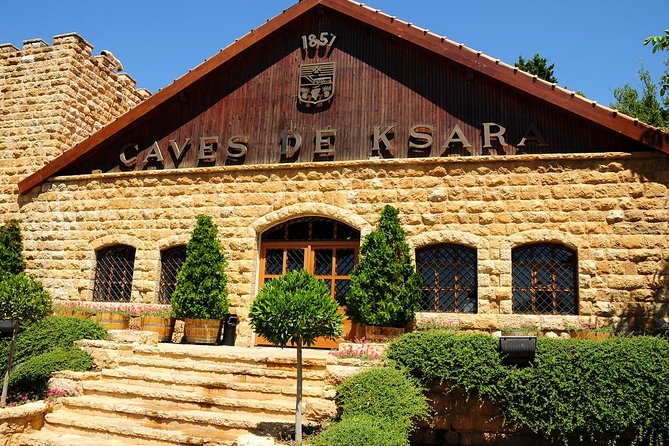
The final major stop is Chateau Ksara in Zahle, Lebanon’s oldest wine estate. The winery’s caves were discovered in 1898 and are now used as cellars for thousands of bottles.
This is a smart final stop. After temples and stone ruins, you move indoors, out of the sun, and into a working wine operation. The visit lasts about an hour and includes a winery tour and wine tasting.
The caves are more than a decorative attraction. You see where wine is stored and hear about the production process, which connects the valley’s agricultural life with its commercial history. The tasting gives you a chance to try the local product rather than simply looking at bottles in a shop.
Some people also find the Ksara store reasonably priced, so you may want to leave a little room in your bag if you plan to buy a bottle. The tour data does not specify how many wines are included or whether non-drinkers receive an alternative, so ask your guide or the winery staff if that matters to you.
Ksara is less physically demanding than Baalbek or Anjar. That makes it a welcome finish, though wine enthusiasts may wish for more than one hour. The stop is best understood as a well-chosen introduction to Lebanese winemaking, not a long estate visit.
Guides, coaches, and group size
The guide can make or break a full-day coach tour, and this experience puts a licensed English and French-speaking guide with the group for the entire day.
The strongest guide comments name Natasha, Lucy, Fadi, and Waleed. Their praised qualities include clear explanations, a friendly manner, useful answers about Lebanon, and the ability to keep the group moving. Fadi, in particular, was noted for answering broad questions about the country, while Natasha was described as lively and well informed.
The advertised maximum is 25 people. That is a reasonable size for a guided ruin visit, but past departures have sometimes included 30 to 35 people. A group of that size can slow boarding, walking explanations, and meal service. Another departure with roughly 15 to 20 people moved more smoothly.
If group size matters to you, ask Nakhal about the expected number before booking. You may get a small group of four, as some departures have, or a fuller coach. The experience is still workable with more people, but the personal feel changes.
The driver also deserves practical credit. The road between Beirut, Baalbek, Anjar, and Ksara is a major part of the day, and safe, calm driving matters. One particularly difficult traffic jam was handled by reversing out of the blockage, an unusual maneuver that helped the group continue.
What the $95 price really covers
At $95 per person, the price is strong if you want a no-fuss day. You are paying for a roughly nine-hour excursion, transport, a full lunch, entrance fees to all listed sites, a licensed guide, bottled water, and onboard WiFi.
Buying these pieces separately would take time and might not save much once you add transport between three destinations. The real value is the route planning. Baalbek and Anjar are not casual add-ons from central Beirut, and Chateau Ksara requires another transfer into the Bekaa Valley.
The price is less attractive if you prefer to spend hours at one site or avoid group transport. Baalbek deserves a longer visit than the schedule allows, and the coach must keep to a timetable. A private guide and car would offer more control, but this tour is the simpler choice for a first visit.
The included lunch also helps. You are not left to find a restaurant during a busy sightseeing day, and the meal is substantial enough to carry you through the return drive.
Practical advice for a better day
Start with breakfast. Lunch may be late if traffic or group delays affect the schedule.
Wear shoes suitable for uneven archaeological ground. Bring sun protection, since Baalbek and Anjar include outdoor walking, and keep a light layer for the air-conditioned vehicle and the cooler caves.
Use the included bottled water, but do not rely on the tour as a shopping stop for every small need. The winery has a shop, but the exact shopping time can vary.
Plan for a full nine hours, not a short excursion. You start at 8:30 a.m. and return to the Beirut meeting point after visiting all three sites.
Hotel pickup is included only for hotels within Beirut city. If you are staying in a hostel, Airbnb, or private apartment, use the stated meeting point at Nakhal Tourism and Travel.
The activity is non-refundable and cannot be changed after booking. Poor weather or failure to reach the minimum group size can lead to a new date, another experience, or a full refund, but cancellations for personal reasons are not refundable.
Who should book this tour?
I would choose this trip if you want Lebanon’s biggest historical highlights in one day and prefer an organized route. It suits first-time visitors, people staying in Beirut, and anyone who values a guide’s explanations over independent wandering.
It is also a good fit if you want variety. You get monumental Roman ruins, an Umayyad city, Lebanese food, countryside road time, and wine caves in a single outing.
I would hesitate if you dislike long coach days, need a late start, or want extended time at Baalbek. The schedule is full, lunch may be late, and a larger group can reduce flexibility.
For most visitors with only a few days in Lebanon, I would book it. Baalbek alone justifies the day, while Anjar and Ksara keep the experience from feeling one-note. Just confirm the pickup details and expected group size, eat breakfast, and treat the timetable as approximate rather than precise.
FAQ
How long does the Anjar, Baalbek, and Ksara tour last?
The tour lasts approximately nine hours, beginning at 8:30 a.m. and ending back at the Beirut meeting point.
Is hotel pickup included?
Pickup and drop-off are included for guests staying at hotels located within Beirut city. Pickup is not listed for hostels, Airbnb rentals, or private apartments.
What is included for lunch?
Lunch includes Lebanese mezze, a main dish, fruit or dessert, and one soft drink.
Which languages does the guide speak?
The tour includes a licensed professional guide who speaks English and French.
How much time is spent at each main stop?
The planned visits allow about one hour at Anjar, two hours at Baalbek, and one hour at Chateau Ksara.
Is wine tasting included at Chateau Ksara?
Yes. The Ksara visit includes a winery tour and wine tasting, along with a visit to the cave cellars.
Newest Beirut trips on the site
- Jeita Grotto, Byblos and Harissa Full-Day Tour from Beirut★ 5.0 · 23 reviews
- Paragliding Trip Over Lebanon – Jounieh Bay★ 5.0 · 257 reviews
- Paragliding activity in Lebanon★ 5.0 · 33 reviews
- First Paragliding Club in Lebanon – Since 1992★ 5.0 · 193 reviews
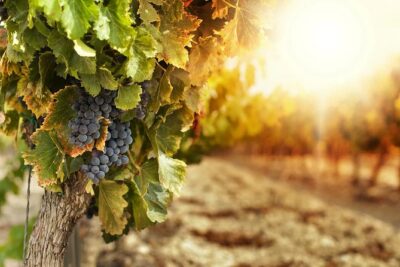
- Lebanon Wine Tasting Tour From Beirut★ 4.5 · 25 reviews
- Paragliding Trip Over Jounieh bay★ 5.0 · 33 reviews
- Jeita Grotto – Harissa – Byblos Tour (All Inclusive)★ 4.5 · 27 reviews
- Chouwen Lake Hiking & Swimming★ 5.0 · 39 reviews
Baalbek Tours, compared.
Guided Small-Group Tour to Baalbek, Anjar and Ksara with Lunch
Read our review →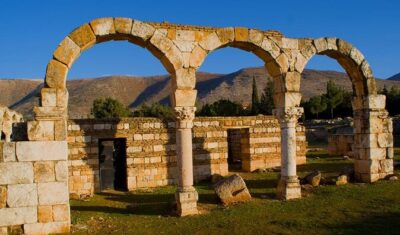
Private Anjar and Baalbek Tour from Beirut with Departure Ticket
Read our review →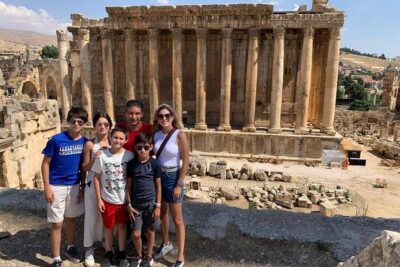
Guided Private Full Day Tour to Baalbek, Anjar and Chateau Ksara
Read our review →
Lebanon tour Baalbek ruins & Ksara w/pick-up, lunch,guide+entries
Read our review →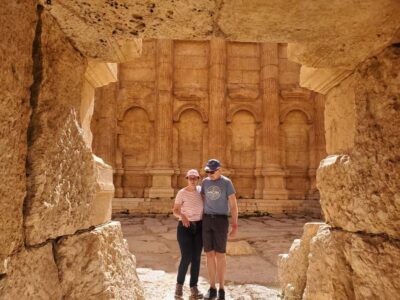
Baalbek Temples & Ksara Caves w/pick-up,guide, entries+lunch
Read our review →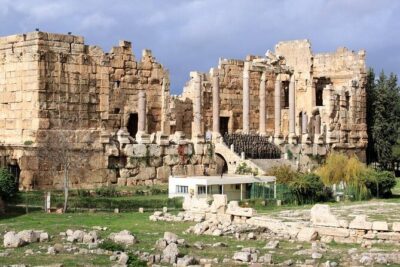
Small Group Tours to Baalbek, Anjar & Chateau Ksara with lunch and Tickets
Read our review →Browse the lists this tour appears in