
Reviewed · SOUKS & OLD TOWNS
Jerusalem: Guided Walking Tour of the Old City
Jerusalem’s Old City is best understood on foot, one stone lane and sacred site at a time. This four-hour walk takes you from Jaffa Gate through all four quarters, linking the Western Wall, Temple Mount, Via Dolorosa, and Church of the Holy Sepulchre with the stories that give them meaning.
I like the strong religious balance and the way the tour connects Jewish, Muslim, and Christian traditions instead of treating each monument as an isolated stop. I also like the steady pace: guides such as Tania, Shahar, Yoni, and Alex are praised for answering questions, explaining difficult subjects clearly, and giving the group time to look around.
The tradeoff is simple: this is a serious walking tour over uneven stone streets, steps, and crowded passages. The four hours can feel long in hot weather or rain, and Temple Mount access is not available every day.
Key points at a glance

- Jaffa Gate starting point: Meet at the stone bench just outside the gate and look for a guide wearing a green shirt marked Guide in yellow on the back.
- Four major sacred areas: The route brings together the Western Wall, Temple Mount viewpoints or access, Via Dolorosa, and the Church of the Holy Sepulchre.
- Clear English explanations: The guides are praised for calm, engaging storytelling and for handling questions about history and religion.
- A true walking day: Wear supportive shoes and expect uneven paving, narrow lanes, stairs, heat, and long periods on your feet.
- Temple Mount rules matter: The Dome of the Rock and Al-Aqsa Mosque are closed to visitors on Fridays, Saturdays, and various Muslim and Jewish holidays.
- Good first-day orientation: The tour gives you a working map of the Old City so you can return later to places that caught your interest.
Starting at Jaffa Gate and entering the Old City
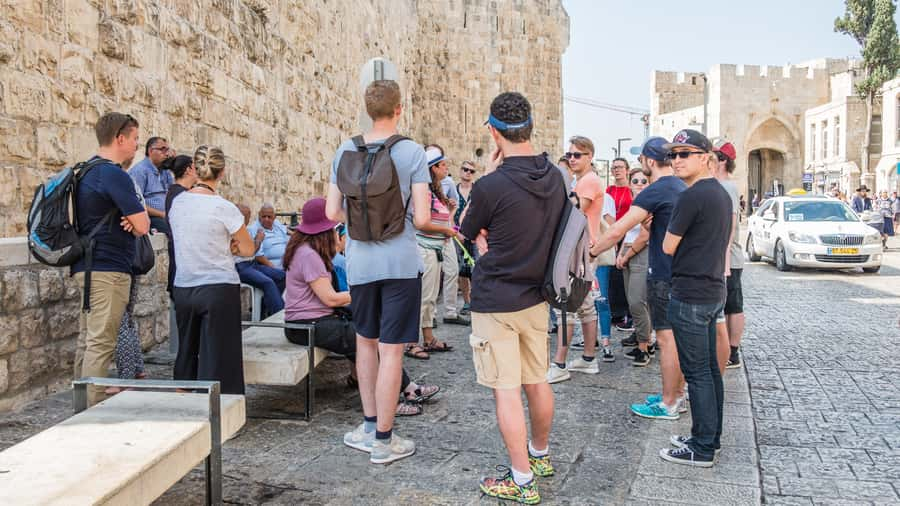
Your meeting point is easy to recognize. Go to the stone bench just outside Jaffa Gate and look for the green shirt with Guide printed in yellow on the back.
Jaffa Gate is a useful starting place because it drops you directly into the Old City rather than spending time on a bus or in a hotel pickup. From here, your guide leads you into the historic quarters and begins sorting out the dense mix of walls, churches, synagogues, mosques, markets, and homes.
That orientation is one of the tour’s main strengths. Jerusalem can feel confusing at first. A short lane may lead to a major holy site, while a famous name may refer to a religious tradition, a building, or an entire area. A good guide gives you enough background to understand what you are seeing without making every stone sound like a lecture.
The experience provider supplies a live English-speaking guide, but the individual guide varies. Tania receives especially strong praise for her calm delivery and ability to explain history and religion without political speeches. Shahar, Yoni, Alex, Tanya, Nimrod, and others are also singled out for humor, patience, and clear storytelling.
More Souk & Old Town Tours in Jerusalem
- Best seller! Jerusalem old city four quarters tour
★ 5.0 · 123 reviews - Private Tour Jerusalem Old City
★ 5.0 · 118 reviews - All Inclusive Walking Tour Old City Jerusalem
★ 5.0 · 83 reviews
The Jewish quarter and the Western Wall
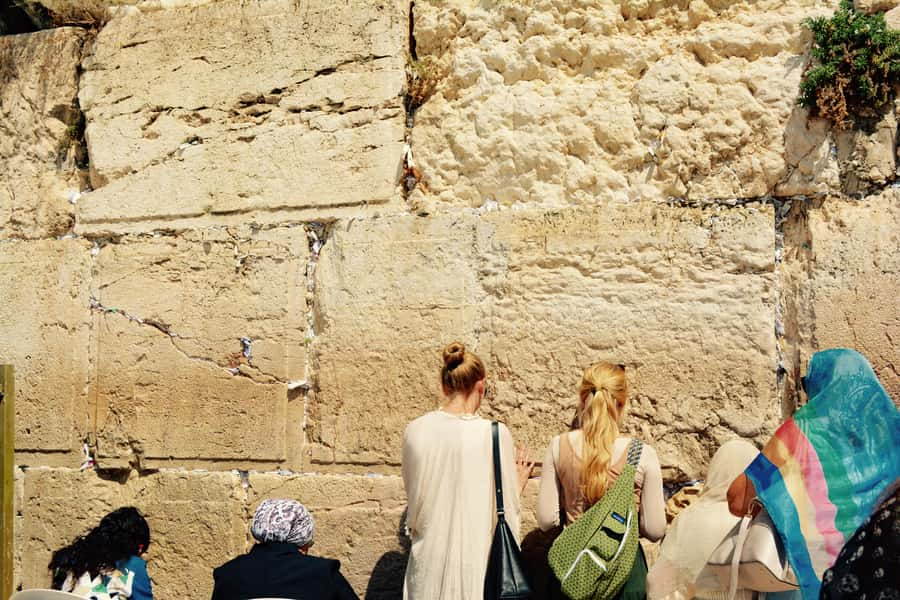
The Western Wall is one of the emotional anchors of the route. It is the remaining retaining wall associated with the Temple complex and one of the most important Jewish prayer sites in the world.
Your guide puts the wall into the wider story of Jerusalem and the Jewish people. That context matters because a quick photograph alone tells you very little. You learn why the site is revered, how it relates to the former Temple, and why people come here to pray.
The tour can bring you to a special viewing spot near the wall, although the exact route can depend on conditions and access. Give yourself a moment to watch the movement around the plaza. People pray, touch the stones, read, gather with family, and pass through with very different personal reasons for being there.
Expect some crowding and a steady flow of people. You should dress modestly, and men may be expected to cover their heads in areas used for Jewish prayer. The supplied instructions specifically say not to wear shorts or sleeveless shirts, so modest clothing is not just a matter of comfort.
This is also a good place to ask questions. The guides are repeatedly praised for handling questions across different religious backgrounds without turning the tour into an argument. That quality is important in Jerusalem, where a simple site explanation can quickly lead into belief, politics, memory, and competing claims.
Temple Mount, the Dome of the Rock, and Al-Aqsa Mosque
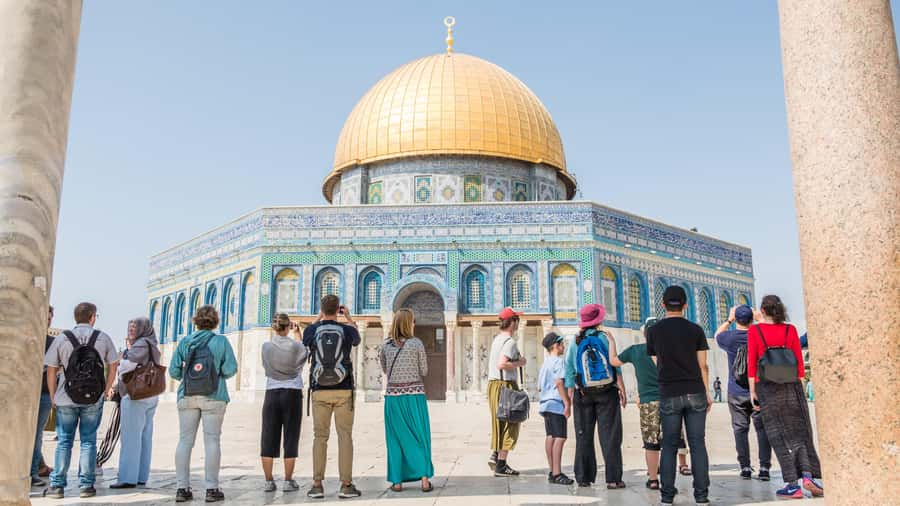
Temple Mount is the most changeable part of the route. On days when access is open, you may see the Dome of the Rock and Al-Aqsa Mosque from within the compound, subject to the rules in effect that day.
The Dome of the Rock is immediately recognizable by its gold dome, but the building’s importance is not just visual. Your guide explains its place in Islam and the connection with the Prophet Mohammed’s ascent to heaven. The tour also introduces the five pillars of Islam, helping you understand the religious setting rather than reducing the visit to architecture.
Al-Aqsa Mosque forms another important part of the site. Access rules can be strict and may change, so the tour cannot promise the same level of entry every day. Temple Mount, including the Dome of the Rock and Al-Aqsa Mosque, is closed to visitors on Fridays, Saturdays, and various Muslim and Jewish holidays.
When the compound is closed, the itinerary substitutes a viewpoint overlooking Temple Mount. That is a useful alternative, but it is not the same as walking inside the site. If seeing the Dome of the Rock and Al-Aqsa Mosque from within is a top priority, check the date carefully before booking.
The viewpoint still gives your guide a chance to explain the layers of the area, including its significance in Jewish and Muslim tradition. This is one of the places where a guide adds real value, since the same hill carries different meanings for different communities.
Walking the Via Dolorosa
The Via Dolorosa brings the Christian story into the streets. The route follows the traditional path associated with Jesus carrying the cross toward crucifixion.
This section is not a quiet museum visit. You walk through working streets where shops, homes, religious processions, and daily business continue around the sacred route. That mixture is part of the experience. The path is meaningful because it is both a place of pilgrimage and a living part of the Old City.
Your guide connects the stations and biblical accounts with the streets around you. You may hear about the Christian traditions tied to the route, the events associated with the final hours of Jesus, and how those traditions developed over time.
The walk can be physically demanding. The paving is uneven, lanes are narrow, and the route may become crowded. Comfortable shoes are essential. A sun hat and water are wise in warm weather, while a scarf can help with sun, dust, or modesty at religious sites.
One useful detail from the tour feedback is that guides generally keep the pace manageable. Joshua describes the speed as good and not rushed, while other accounts praise guides for giving important sites enough time. That does not make the route easy, but it means you are less likely to feel dragged from stop to stop.
More Walking Tours in Israel & Palestine
- Jerusalem Walking Tour: In the Footsteps of Jesus
★ 4.5 · 67 reviews - Boutique Walking Tour of Jerusalem
★ 5.0 · 64 reviews - Walking Tour of Akko (Half-day)
★ 5.0 · 84 reviews - Tel Aviv: Jaffa Half-Day Walking Tour
★ 4.5 · 70 reviews
Inside the Church of the Holy Sepulchre
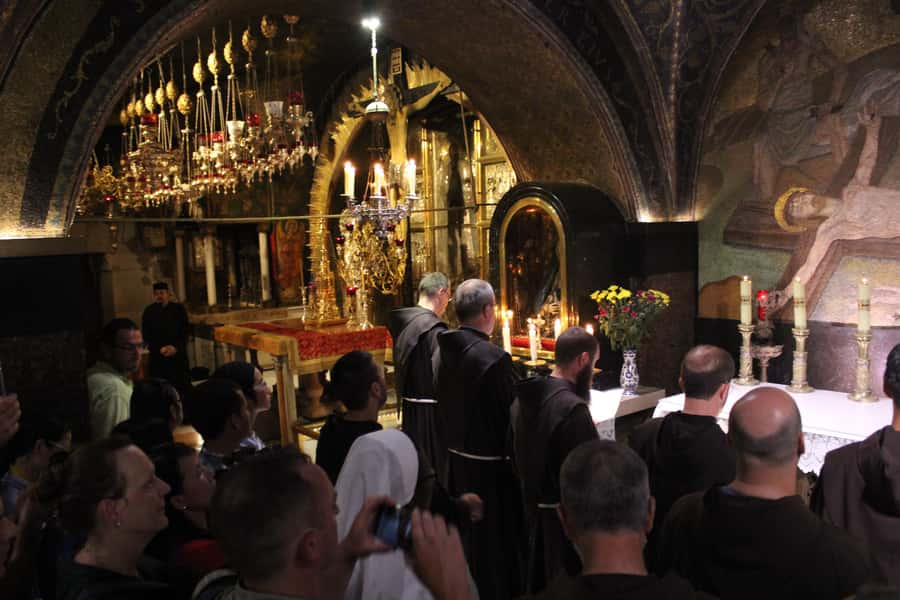
The Church of the Holy Sepulchre is likely to be the most intense stop for many Christian visitors. It is associated with the crucifixion, burial, and resurrection of Jesus, and it contains several chapels and points of devotion within one complex.
The guide explains the discovery of the True Cross and the traditions connected with the church. You may also see the stone associated with the preparation of Jesus’ body after the crucifixion, a detail that several tour accounts found especially moving.
The church can be visually and emotionally overwhelming. Different Christian communities share responsibility for parts of the building, and worship happens alongside sightseeing and pilgrimage. The result is not a tidy, quiet monument. It is a working sacred place with lines, prayer, incense, and people trying to have a private moment in a public setting.
Your guide helps you identify what you are looking at and explains why several traditions are gathered under one roof. You should still allow yourself some quiet time. Listen to the explanation, then pause and observe the people who have come to pray.
This stop also shows why four hours is useful. A shorter walk could point out the church and move on, but a longer visit gives the guide room to explain the competing traditions and the physical layout.
The Old City’s four quarters and everyday streets
The tour is not only a sequence of famous monuments. It moves through the Old City’s four quarters, showing how religious communities and ordinary daily life overlap.
You may pass market lanes, small shops, places of worship, and streets where local residents are going about their day. The atmosphere can shift quickly from solemn to noisy, from open stone courtyards to tight passageways. That contrast is one of the defining features of the walk.
The guide’s role here is practical as well as historical. You learn how the quarters relate to one another and where the major sites fit on the map. That makes later independent exploring easier. After the tour, you can return to a church, wall, market, or viewpoint without spending half the day trying to find it again.
The tour is also useful for understanding how the city’s traditions interact. One of the strongest parts of the experience is its effort to discuss Jewish, Muslim, and Christian connections in the same walk. The approach is especially helpful for first-time visitors who want context without booking separate religious tours.
One guide, Talia, was praised for leading the group safely through the Muslim quarter and for stopping for local falafel. Food and drinks are not included, so do not treat that as a guaranteed part of the itinerary. It is better to think of the food stop as something that may happen depending on the guide, timing, and group.
Four hours on foot: what the pace feels like
Four hours sounds manageable, but Jerusalem’s paving makes the distance feel greater than it looks on a map. You are not simply walking between monuments on smooth sidewalks. Expect uneven stones, narrow lanes, standing, and possible steps.
The tour is not suitable for wheelchair users or people with mobility impairments. If you have trouble with balance, stairs, or extended walking, this is probably not the right way to see the Old City.
Weather matters. Summer heat can be strong, and one group completed the walk in very hot conditions with the guide seeking shade when possible. Rain can be just as difficult. During a major storm, the streets reportedly turned into streams, yet the guide continued to the end. That makes a waterproof layer and sensible footwear worth considering in wet weather.
Bring water, a sun hat, and comfortable shoes. A scarf is listed among the recommended items, and a passport or copy is required. Keep clothing modest: shorts and sleeveless shirts are not allowed.
The group size is not fixed in the information provided. Some departures may be small, with one group described as seven people, while other departures can be larger. A small group usually makes questions easier, but the guide’s skill matters more than the exact head count.
What $57 means for the value
At $57 per person, this is not the cheapest way to wander through the Old City, but it covers four hours with a live English-speaking guide and brings together the sites that are hardest to understand without context.
You are paying mainly for interpretation and route planning. The Western Wall, Temple Mount, Via Dolorosa, and Church of the Holy Sepulchre are all possible to visit independently, but navigating their religious rules, locations, and historical connections takes time. A good guide turns separate stops into one connected story.
The value is strongest if this is your first visit to Jerusalem. You get a broad introduction, learn the layout, and can spend another half day or later visit returning to the places that interest you most.
The value is weaker if you prefer slow photography, long private prayer, or detailed time inside each monument. Four hours must cover a great deal, so the tour gives you an overview rather than a specialist study of one site.
Food and drinks are not included. Plan for that separately, especially if you are walking in hot weather. The tour does not include transportation, which is fine because the Old City is the subject and the walking is the point.
You can cancel up to 24 hours in advance for a full refund, and the reserve-now, pay-later option keeps the booking flexible. Check the available start times before committing, since the tour lasts four hours.
Who should book this Old City walk
I would choose this tour for a first visit, a short stay, or anyone who wants the main sacred sites explained in one morning or afternoon. It suits curious visitors who want historical and religious context but do not want a highly academic lecture.
It is also a good choice for families with older children who can handle a long walk. One guide used humor to keep children engaged, and several guides are praised for making difficult material easy to follow.
You should think twice if you dislike organized groups, need step-free access, or want to spend most of your time shopping. The tour focuses on sites, history, and religion. One guide was specifically praised for avoiding shopping-center stops, but the Old City’s shops are still part of the surrounding streets.
The experience may feel especially Christian in its attention to the Via Dolorosa and Church of the Holy Sepulchre, even though it visits all quarters and discusses all three major traditions. That is not necessarily a problem, but it is useful to know if your main interest is Jewish or Islamic history.
Should you book it?
Book this walk if you want a strong first introduction to Jerusalem and value a guide who can connect sacred places with history, belief, and daily life. The repeated praise for clear explanations, calm pacing, humor, and careful answers makes the guide the central reason to choose it.
Before booking, check the date for Temple Mount access, dress for modesty, and be honest about your walking ability. If the compound is closed, you will receive a viewpoint instead, which is worthwhile but different from entering.
For most first-time visitors, $57 is fair value for four hours across the Old City’s major sites. You will leave with a better map, a clearer sense of the city’s religious importance, and enough background to explore the lanes on your own.
FAQ
Where does the tour meet?
Meet at the stone bench just outside Jaffa Gate in Jerusalem’s Old City. Look for the guide wearing a green shirt with Guide written in yellow on the back.
How long does the tour last?
The walking tour lasts four hours. Check the available starting times when booking.
What language is the tour in?
The tour is conducted in English with a live guide.
Which major sites are included?
The route includes the Western Wall, Temple Mount or a viewpoint overlooking it, the Via Dolorosa, and the Church of the Holy Sepulchre. The tour also covers the Old City’s four quarters and discusses sites such as King David’s Tomb, the Dome of the Rock, Al-Aqsa Mosque, and the room of the Last Supper.
Can I visit Temple Mount and the Dome of the Rock?
Temple Mount, including the Dome of the Rock and Al-Aqsa Mosque, is closed to visitors every Friday, Saturday, and during various Muslim and Jewish holidays. On those days, the tour includes a viewpoint overlooking Temple Mount instead.
What should I bring?
Bring comfortable shoes, a sun hat, water, a scarf, and your passport. A copy of your passport is accepted.
What clothing is required?
Shorts and sleeveless shirts are not allowed. Wear modest clothing suitable for visits to religious sites.
Is the tour suitable for wheelchair users?
No. The tour is not suitable for wheelchair users or people with mobility impairments because it involves extended walking through the Old City.
Are food and drinks included?
No. Food and drinks are not included in the tour price.
Can I cancel the booking?
Yes. You can cancel up to 24 hours in advance for a full refund. A reserve-now, pay-later option is also available.
More Walking Tours in Jerusalem
- Amman Walking Tour: Hidden Gems, Culture & Street Food
★ 5.0 · 241 reviews - Middle Eastern Food & Culture Walk in Old Dubai
★ 5.0 · 206 reviews - Muharraq Cultural Walking Tour
★ 5.0 · 170 reviews - Historic Old Dubai & Souk Small Group Walking Tour
★ 5.0 · 156 reviews
Newest Jerusalem trips on the site
- Jerusalem: Half-Day Tour from Tel Aviv★ 3.8 · 54 reviews
- Jerusalem: Tour with Private Guide★ 4.9 · 33 reviews
- From Tel Aviv: Jerusalem Old City Guided Tour★ 4.6 · 59 reviews
- Holy Jerusalem Half-Day Tour From Jerusalem★ 3.8 · 47 reviews
- Jerusalem: Old City Morning Tour★ 3.8 · 25 reviews
- From TLV- Jerusalem Old & New tour INCL. ENTRANCE FEES & P/U★ 4.2 · 65 reviews
- From Tel Aviv: Old Jerusalem Half-Day Tour★ 3.7 · 55 reviews
- Tel Aviv: Best of Jerusalem Day Tour★ 4.2 · 44 reviews
Souks & Old Towns, compared.
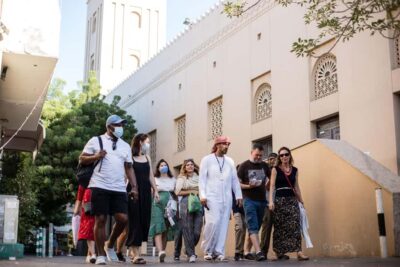
Old Town, Creek, Museums, Souks, & Street Food Tour
Read our review →
Old Town, Souks, Street Food, Guided Tour & Abra Ride
Read our review →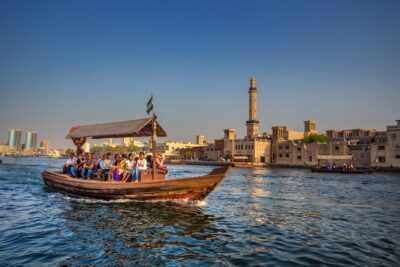
Frame Tickets, Creek, Souks & Blue Mosque Guided Tour
Read our review →
Dubai Aladdin Tour: Souks, Creek, Old Dubai and Tastings
Read our review →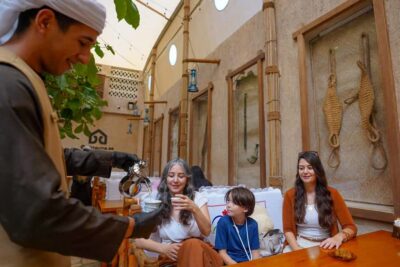
Half-Day City Tour with Blue Mosque, Creek, and Souks
Read our review →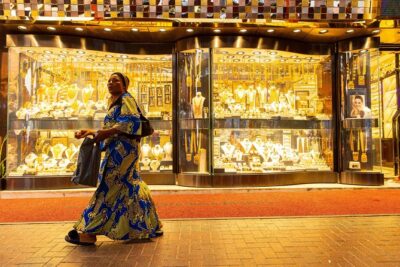
Dubai Half-Day City Tour with Visit to Dubai Gold Souk
Read our review →Old Town, Souks, Street Food, Guided Tour & Abra Ride
Read our review →
Old Town, Street Food, Creek, Souks, & Emirati House
Read our review →Browse the lists this tour appears in