
Reviewed · JERUSALEM TOURS
Jerusalem: Tour with Private Guide
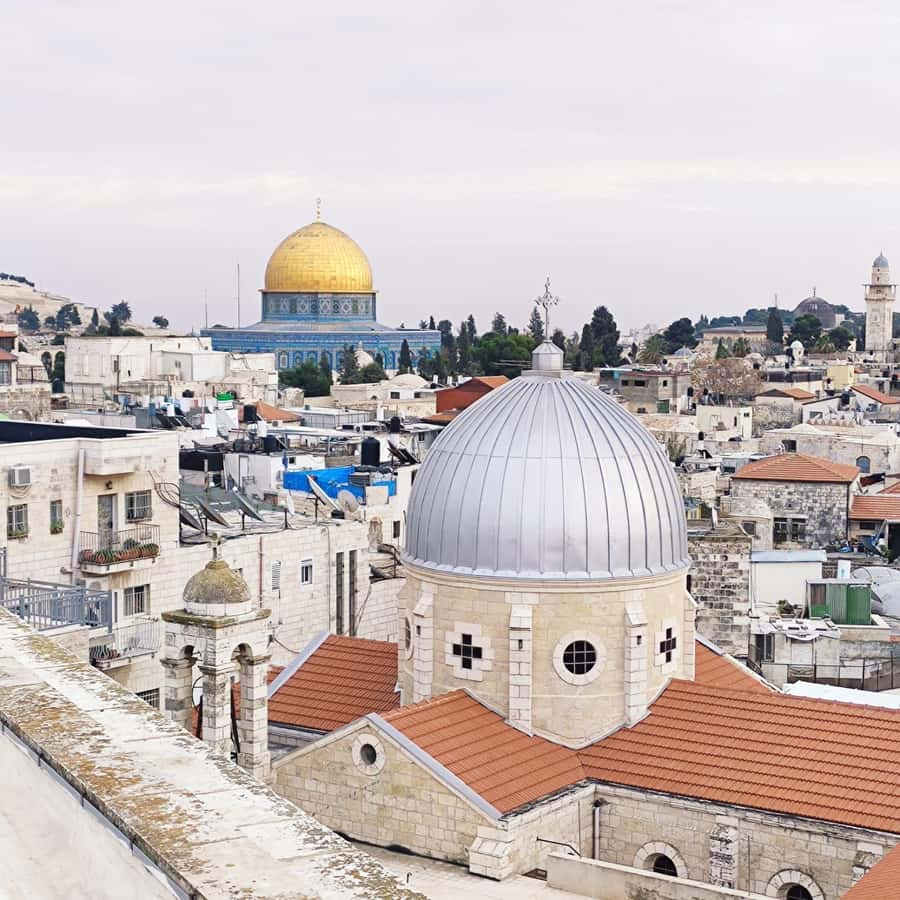
Jerusalem’s power comes from its sheer concentration of sacred places. On this private walking tour, you move from the Western Wall to the Via Dolorosa and Church of the Holy Sepulcher, often within the same morning. I like the way a local guide can explain how Judaism, Christianity, and Islam meet in this compact, complicated city.
I also like the private format, which lets you stop longer at a place that matters to you, or change direction when a procession, holiday, or road closure alters the plan. Guides such as Moshe, Izzat, Alena, and Hanna have been praised for adapting well. The main caution is the $199 per-person price, which can feel high for a walking tour, especially for a larger party.
Key points to know before booking
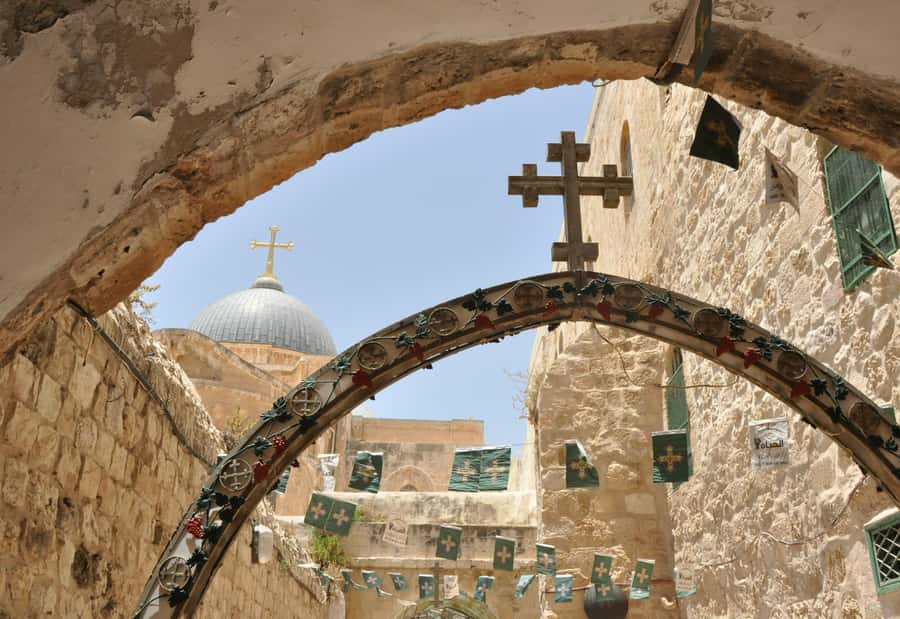
- The route crosses Jerusalem’s major sacred sites, including the Western Wall, Via Dolorosa, and Church of the Holy Sepulcher.
- Your guide can adjust the walk for your interests, energy level, local closures, or an unexpected site.
- The tour begins on foot from a centrally located Jerusalem hotel or another central meeting point.
- The Western Wall visit includes time for personal prayer, including placing a written prayer between the stones.
- The tour ends near Jaffa Gate, leaving you well placed to continue exploring on your own.
- Modest clothing is essential for entry into holy places, and entrance fees, food, drinks, and return transport are not included.
Why a private walk makes sense in Jerusalem
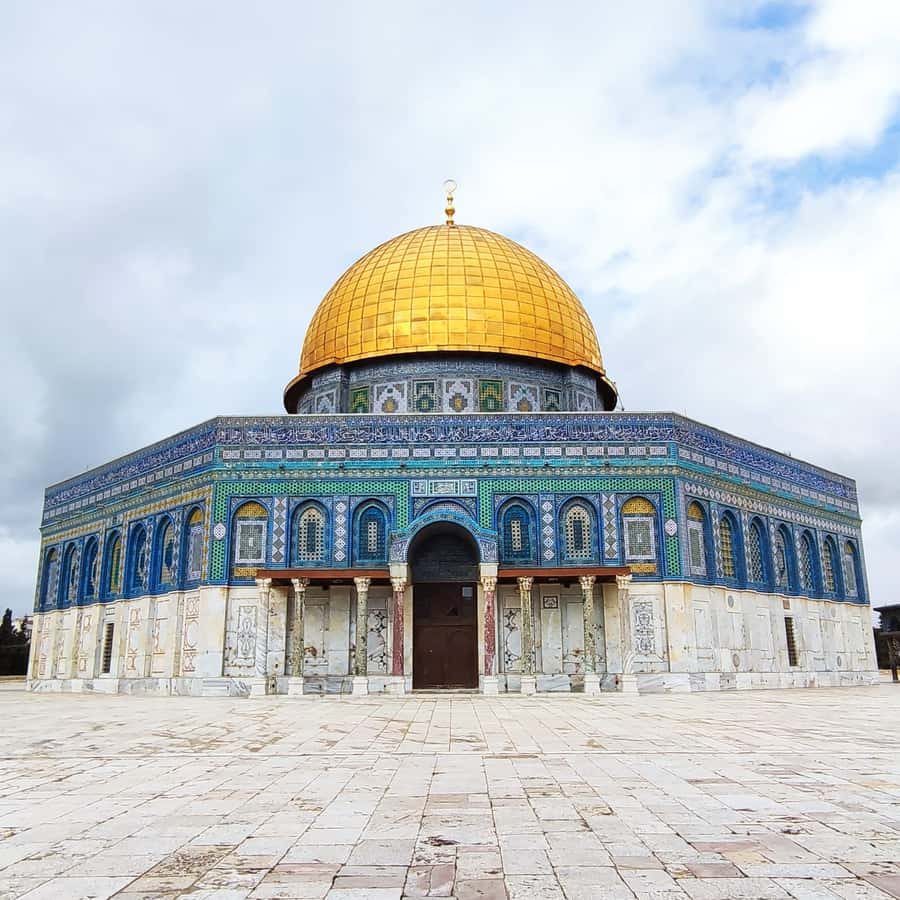
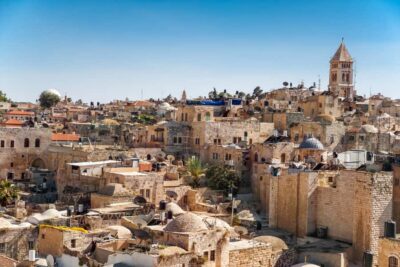
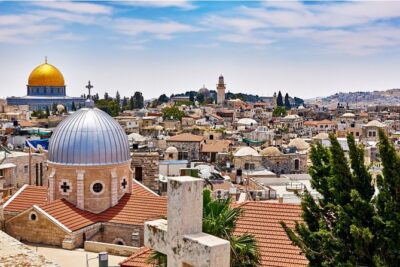
Jerusalem is not a city you understand well from a bus window. The Old City is a tight maze of lanes, steps, courtyards, shrines, markets, and walls built over many centuries. A private guide gives you someone to explain what you are seeing before the next corner brings another major site.
The strongest reason to choose this tour is control. You can ask questions without holding up a large group. If the Western Wall matters most to you, you can spend time there. If you have already seen the standard route, your guide may take you toward places such as St. Peter in Gallicantu, the Convent of the Sisters of Zion, or other less familiar corners mentioned by past participants.
The guides also appear to have different strengths. Moshe is especially good for detailed questions about history and geography. Izzat has been praised for knowing the city well and helping with practical local matters. Alena and Hanna are described as warm, flexible, and attentive to individual interests. That variation matters: this is not a fixed audio tour, so the person assigned to you will shape the day.
The trade-off is cost. At $199 per person, this is not the cheapest way to see Jerusalem. For one person or a couple, the price buys personal attention and a route built around your needs. For three or four people, the per-person total becomes harder to justify, since the guide’s workload does not increase in the same proportion as the price.
A few more Jerusalem trips worth comparing
- From Tel Aviv: Jerusalem Old & New City Bus Tour
★ 4.2 · 824 reviews - Jerusalem: Guided Walking Tour of the Old City
★ 4.7 · 386 reviews - Full Day City Tour of Jerusalem
★ 4.1 · 367 reviews
Starting at Zion Gate and the Armenian Quarter
Your guide meets you on foot at your centrally located hotel or another central point in Jerusalem. There is no included vehicle transfer, so wear shoes that can handle a long walk over uneven pavement and stone.
The route enters the Old City through Zion Gate. This is a useful beginning because it brings you into the southern side of the walled city, close to the Armenian Quarter and the Jewish Quarter. Rather than rushing straight to the headline monuments, the guide can give you a sense of how the quarters fit together and how the Old City’s communities occupy different parts of the same historic core.
The Armenian Quarter is quieter than some of the main market streets. It offers a slower opening to the walk, with the guide setting out the religious and political layers that make Jerusalem so hard to reduce to a single story.
You should expect plenty of stopping, listening, and looking rather than a simple march from one landmark to the next. That is one reason the private format helps. You can ask about a doorway, a wall, or a detail in the street without feeling that the rest of a group is waiting.
The Jewish Quarter and the Byzantine Cardo
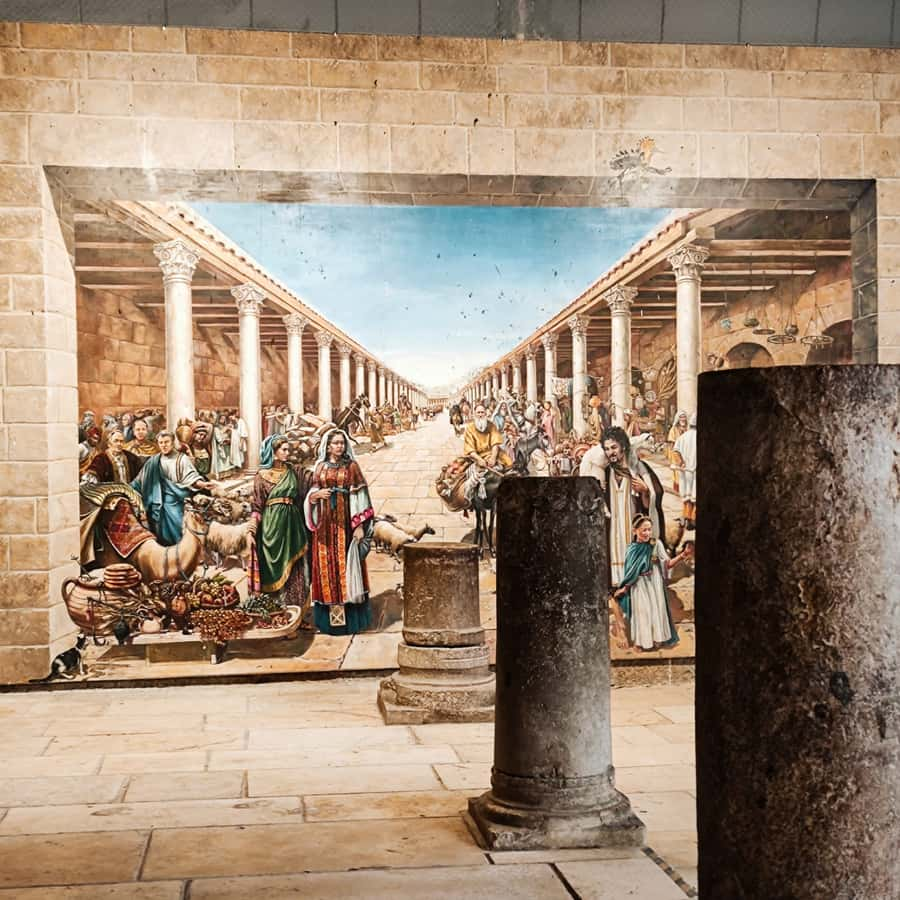
The walk continues through the Jewish Quarter and to the Byzantine Cardo, an ancient street whose remains help show how Jerusalem changed across different periods. The Cardo is valuable because it gives you a physical sense of the city beneath the modern streets.
A good guide can turn this section into more than a list of dates. You can ask how the city was laid out, how earlier streets relate to the present Old City, and why certain ruins survived while others disappeared. Moshe was particularly appreciated for answering detailed questions, including questions intended to test his command of the subject.
This part of the route also gives the tour some breathing room before the intensity of the Western Wall and Christian holy sites. Jerusalem can become overwhelming when every stop carries major religious meaning. The Cardo provides a chance to understand the city as a lived-in place, not only as a collection of shrines.
If you have already taken a standard Old City tour, tell your guide at the start. The private arrangement may allow more time in areas you missed before, rather than repeating every familiar explanation.
The Western Wall and a moment for prayer
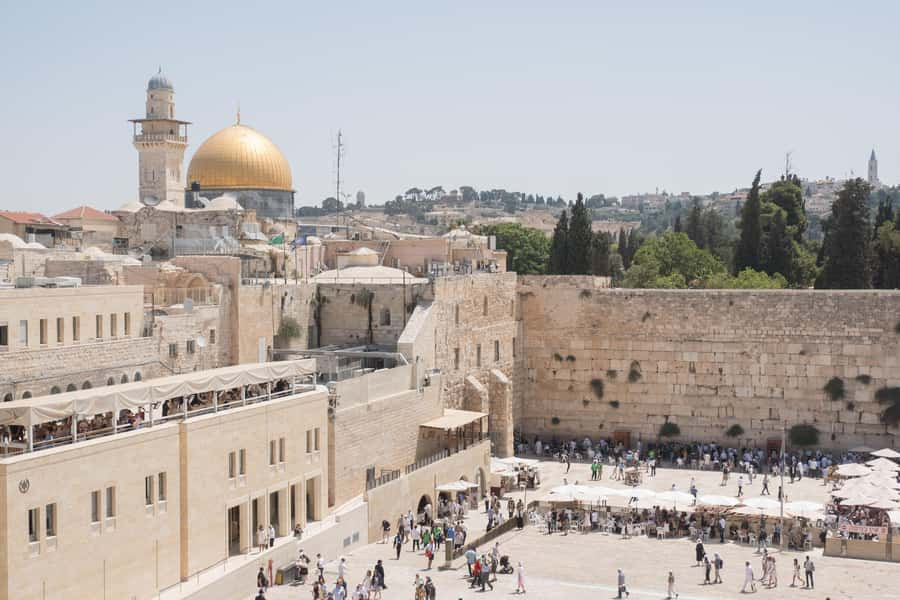
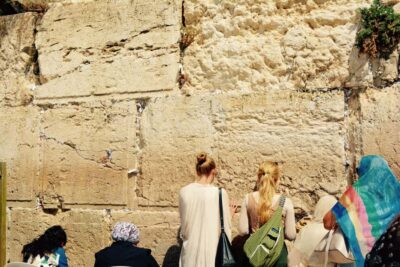
The Western Wall is the tour’s key Jewish site. It is part of the retaining wall associated with Herod the Great’s expansion of the Temple Mount in 20 BCE. Today, it functions as a place of prayer, reflection, and pilgrimage.
Your guide can explain the wall’s setting and religious importance, then give you space to approach it. You may write a prayer and place it in a crack between the stones. That small action can be meaningful even if you are not Jewish, because it turns the visit from simple sightseeing into a personal moment.
Dress rules matter here and at the other holy sites. Men need covered knees and a shirt with sleeves. Women need legs covered to the ankles, arms covered past the elbows, and clothing that reaches the neckline. You can dress casually for the streets and markets, but carry or wear suitable clothing before entering sacred places.
The wall area may feel busy and emotionally charged. A private guide cannot remove crowds or change religious practice, but can help you understand where to go and what to expect. Keep your visit respectful, and allow extra time if prayer or quiet reflection is important to you.
A completely different sort of day out of Jerusalem:
- Old and New Jerusalem Day Trip from Tel Aviv
★ 4.5 · 296 reviews - Old and New Jerusalem Full-Day Tour
★ 4.0 · 273 reviews - West Bank Tour from Jerusalem
★ 4.5 · 184 reviews - From Jerusalem: West Bank Day Tour
★ 4.6 · 182 reviews
Following the Via Dolorosa
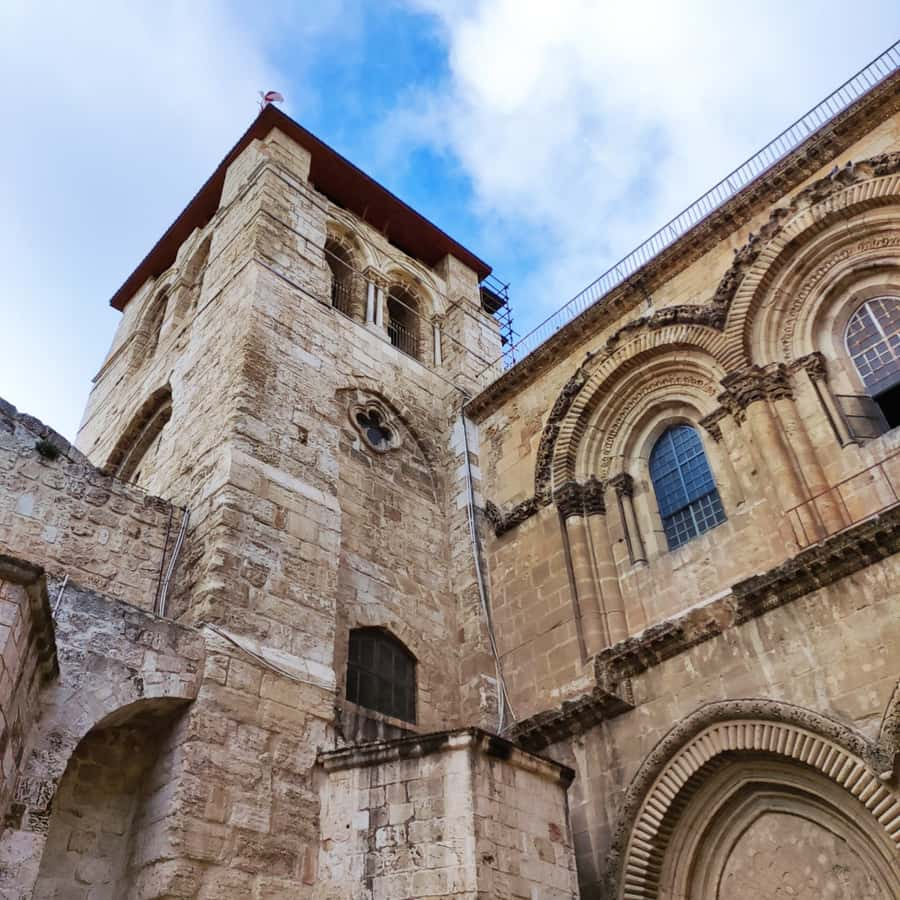
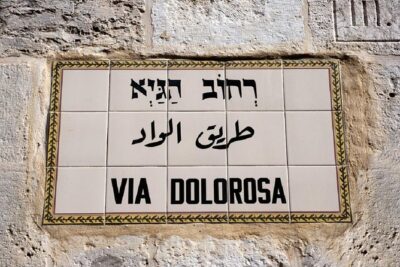
From the Jewish Quarter, the tour moves into the Christian story of Jerusalem along the Via Dolorosa, or Way of the Cross. This route follows the traditional path associated with Jesus from condemnation toward crucifixion.
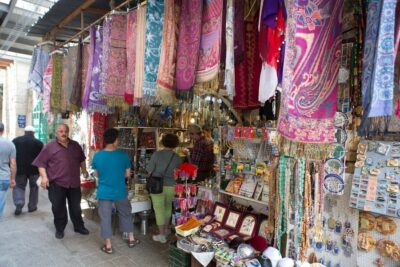
The strength of having a guide here is context. The Via Dolorosa is a working Old City street, not a sealed museum route. Shops, residents, pilgrims, and religious groups all share the same narrow passages. Without explanation, it can be difficult to understand where tradition, archaeology, and present-day city life meet.
Your guide can point out the stations connected with the story and explain their place in Christian devotion. You will also hear how pilgrims use the route, sometimes stopping to pray or retrace the steps in a formal way.
This section may be less serene than you expect. The route is part of an active neighborhood, and the spiritual experience competes with ordinary street life. I see that as part of Jerusalem’s character, but if you want long periods of silence, tell your guide. The private format makes it easier to pause in the places that matter most to you.
The Church of the Holy Sepulcher
The tour’s Christian focus reaches its most important point at the Church of the Holy Sepulcher. The church is associated with the crucifixion, burial, and resurrection of Jesus, making it one of the most important Christian pilgrimage sites in the world.
The building can feel confusing at first. Different Christian traditions share responsibility for parts of the church, and the interior contains several chapels and sacred points. A private guide helps you connect the spaces to the events and traditions they represent.
The tour includes a private visit to the church, but the information also says entrance fees are not included. Ask your guide or the operator what, if anything, is payable at the time of your visit. The wording can be unclear, and you should not assume that every site on the route is free.
Allow yourself time to absorb this stop. The church is not simply another item to check off. Even if you are not religious, the combination of centuries of worship, stone architecture, and ongoing pilgrimage makes it one of Jerusalem’s most affecting places.
Optional detours and local food stops
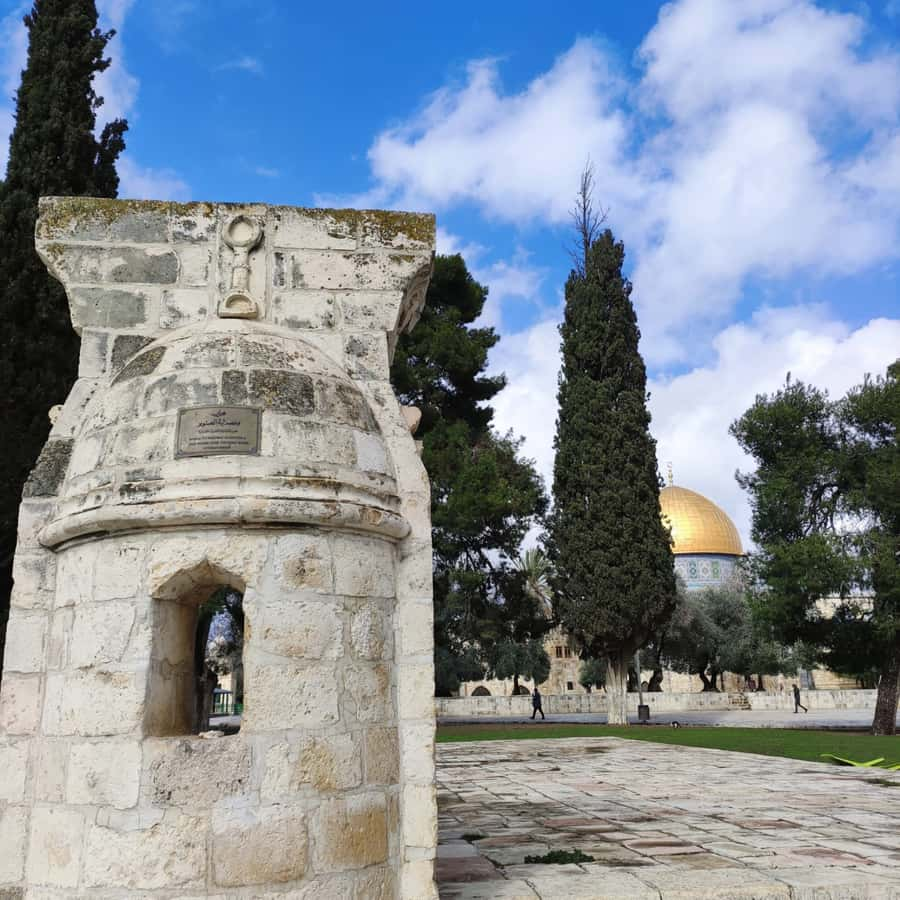
The planned route is useful, but the best moments may come when it bends. One guide took a visitor to St. Peter in Gallicantu, where there is also a model of Jerusalem. Another included the cistern of St. Helena and the underground original street level at the Convent of the Sisters of Zion.
These are not guaranteed stops, so treat them as examples of what flexibility can add, not promises. Tell your guide if you have already seen the major monuments or want to focus on archaeology, Christian sites, Jewish history, city geography, or local life.
The guides may also help you find something to eat after the formal route. Mahane Yehuda Market came up as a useful food stop, and one guide helped a visitor order unfamiliar pastries. Another guide bought bread with zaatar for the group to taste. Food is not included, but a local suggestion can make the end of the walk more memorable.
You should also expect plans to change. A Jerusalem Marathon caused road closures on one occasion, and the guide shifted the route to other places. Local holidays and religious festivities can create similar changes. That flexibility is one of the tour’s practical advantages.
Time, walking effort, and meeting arrangements
The activity is a private walking tour, not a sightseeing drive. You begin at a central hotel or central meeting point, and the tour finishes near Jaffa Gate. There is no drop-off service, so plan your next stop from Jaffa Gate rather than expecting a return ride.
The supplied experiences refer to the end of a third hour, but a fixed duration is not clearly stated in the tour details. Ask about the expected length when booking, especially if you have children, older family members, or another timed activity afterward.
Comfortable shoes and water are essential. The Old City involves stone streets, close quarters, and plenty of standing. Comfortable clothes are fine outside the holy sites, but you need long pants or skirts and covered arms for entry.
The walk can also be mentally tiring. You move through several faith traditions and centuries of conflict, worship, rebuilding, and change. A guide who reads your energy well can make a big difference. One otherwise highly praised guide apparently continued with too much information late in the third hour, when the group was tiring. That is a useful reminder to speak up when you need a pause.
Is $199 per person good value?
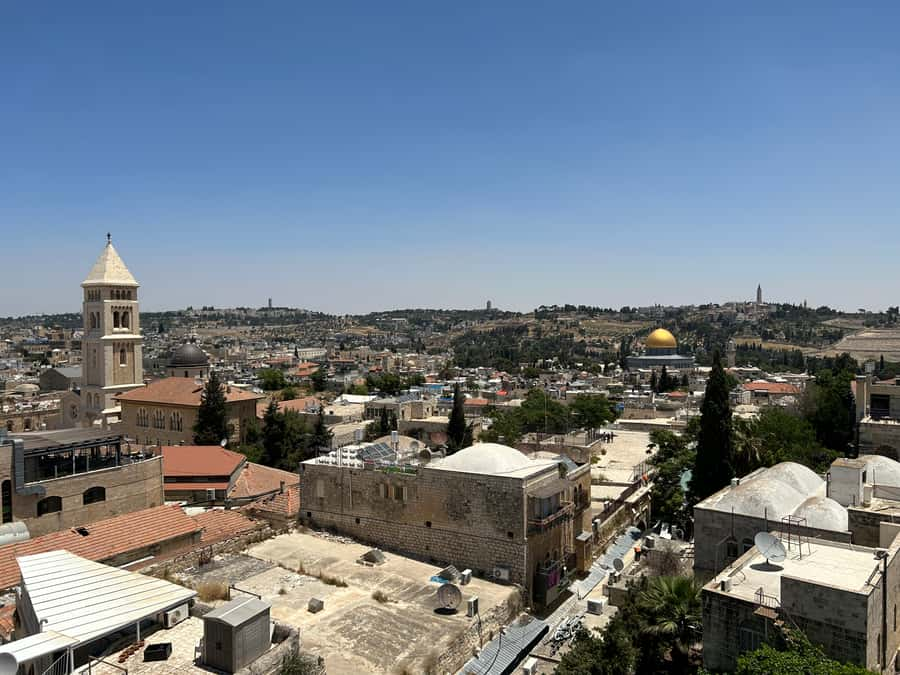
The price is reasonable if you place a high value on personal attention, but it is not a bargain tour. Your fee covers a private professional guide, hotel or central pickup on foot, the private Old City route, the Church of the Holy Sepulcher visit, taxes, and handling charges.
It does not cover food, drinks, entrance fees, or transportation after the tour. Those extras may be small, but they matter when you compare the total with a group walking tour.
For a couple with strong interests and limited time, I can see the value. You can ask constant questions, skip what you have already seen, and spend more time at the sites that matter to you. For a family or group, the price deserves closer thought. The per-person fee does not fall as more people join, so a larger party may find the arrangement expensive.
The strongest value comes from choosing your guide well and sharing your priorities in advance. If you want only a quick introduction, a less costly group option may suit you better. If you want a flexible route and a guide who can handle detailed questions, this private experience earns its price more easily.
Who should book this Jerusalem tour?
I would choose this tour if you want the major Old City sites explained in person and prefer a route shaped around your interests. It suits first-time visitors who want help making sense of Jerusalem’s many sacred traditions, as well as returning visitors who want lesser-known sites.
It is also a good choice for solo visitors who want personal guidance, and for people who value practical help with markets, food, local customs, or route changes. The broad language choice is useful, with guides available in Arabic, English, French, German, Hebrew, Italian, Russian, Spanish, Chinese, Dutch, Greek, Indonesian, Portuguese, Romanian, and Swedish.
I would think twice if you dislike walking, need a guaranteed short schedule, or are mainly looking for a low-cost way to see the sights. The tour is also not ideal if you do not want to follow modest dress rules or pay possible site fees separately.
Book it if you want Jerusalem explained by a local guide who can adjust the day. Before you pay, confirm the meeting point, expected duration, entrance costs, and the guide’s language. Those small checks will help you get the most from a tour whose best feature is its flexibility.
FAQ
Where does the tour begin?
The guide meets you on foot at a centrally located hotel or another central point in Jerusalem.
Where does the tour finish?
The route ends near Jaffa Gate. Drop-off service is not included.
Which major sites are included?
The route includes Zion Gate, the Armenian Quarter, the Jewish Quarter, the Byzantine Cardo, the Western Wall, the Via Dolorosa, and the Church of the Holy Sepulcher.
Is the Church of the Holy Sepulcher included?
A private tour of the Church of the Holy Sepulcher is included. Entrance fees are listed as not included, so confirm whether any payment is required for your visit.
What should I wear?
Bring comfortable clothing for walking, but wear modest clothing for holy sites. Women need to cover their legs to the ankles, arms past the elbows, and the front of the body to the neckline. Men need covered knees and a shirt with sleeves.
Which languages are available?
Guides may be available in Arabic, English, French, German, Hebrew, Italian, Russian, Spanish, Chinese, Dutch, Greek, Indonesian, Portuguese, Romanian, and Swedish.
Can I cancel the booking?
You can cancel up to 24 hours in advance for a full refund. The reserve-and-pay-later option allows you to book without paying immediately.
Newest Jerusalem trips on the site
- Jerusalem: Half-Day Tour from Tel Aviv★ 3.8 · 54 reviews
- From Tel Aviv: Jerusalem Old City Guided Tour★ 4.6 · 59 reviews
- Holy Jerusalem Half-Day Tour From Jerusalem★ 3.8 · 47 reviews
- Jerusalem: Old City Morning Tour★ 3.8 · 25 reviews
- From TLV- Jerusalem Old & New tour INCL. ENTRANCE FEES & P/U★ 4.2 · 65 reviews
- From Tel Aviv: Old Jerusalem Half-Day Tour★ 3.7 · 55 reviews
- Tel Aviv: Best of Jerusalem Day Tour★ 4.2 · 44 reviews
- From Jerusalem: Judean Desert Jeep Adventure★ 4.9 · 35 reviews
Jerusalem Tours, compared.

Browse the lists this tour appears in