
Reviewed · WALKING TOURS
Muharraq Cultural Walking Tour
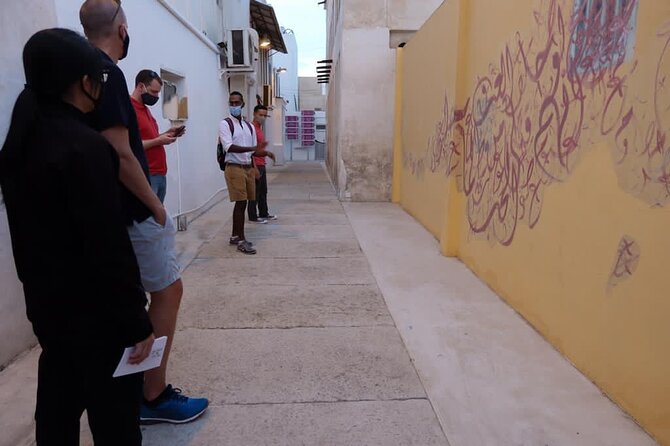
Muharraq’s old lanes tell Bahrain’s story one restored house at a time. This 2 to 3-hour walk along the Pearling Path links pearl-trade homes, small cultural centers, music spaces, and cafés, with a guide adding the personal stories that buildings alone cannot provide.
I like the mix of serious heritage and simple local food, especially the stop for potato samboosa and the closing tea, coffee, dates, and sweets. I also like the late afternoon start, which leaves your evening free. The main consideration is the walking: the tour can include up to 50 people, so the feel may be less personal if the group fills.
Key points at a glance
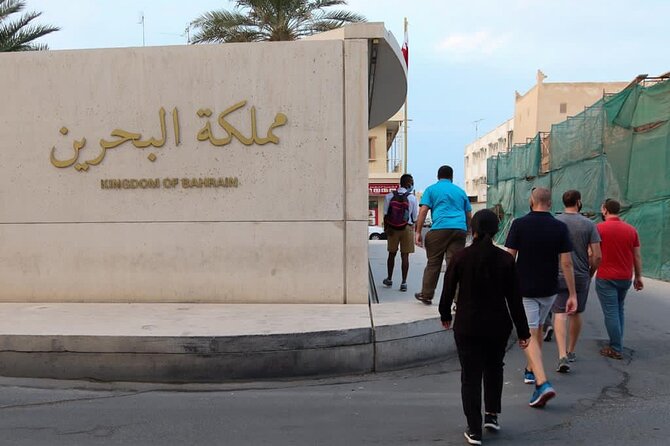
- Walk the Pearling Path: See Muharraq’s old houses and learn how pearl collecting shaped the city.
- Taste everyday Bahraini treats: Arabic tea, coffee, dates, sweets, and potato samboosa are part of the experience.
- Visit restored cultural houses: Shaikh Ebrahim Center, Siyadi House, Kurar House, and other small venues add depth to the walk.
- Start at 4 pm: The timing works well for a first afternoon in Bahrain or a free evening afterward.
- Hear local stories from guides such as Khaled: Recent accounts describe a warm, engaging guide with a strong feel for Muharraq’s past.
- Pay $54 for a broad cultural introduction: The price is fair if most listed stops are open and included, but less attractive if you prefer a short, private walk.
Why Muharraq is the right place to learn about Bahrain
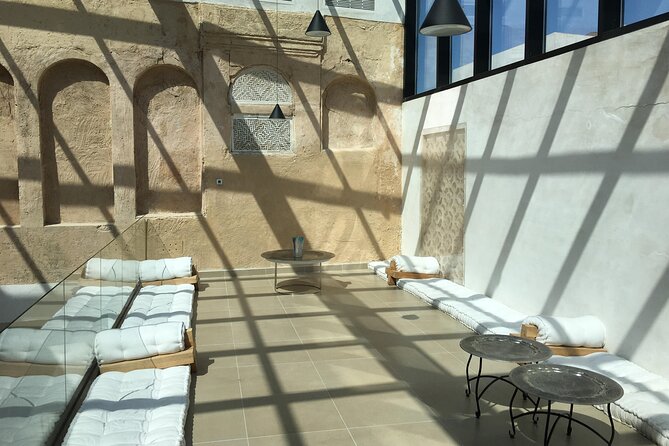
Manama is Bahrain’s modern center, but Muharraq gives you a closer look at the country’s older urban life. Once Bahrain’s capital, Muharraq grew around the sea, trade, family homes, mosques, workshops, and the pearl industry.
The Pearling Path connects places tied to that past. The route includes three oyster beds offshore, a coastal site, and historic buildings spread through Muharraq. On foot, that story becomes easier to grasp. You are not simply looking at one museum display. You are moving through the kind of streets where merchants, pearl divers, craftspeople, and families once lived and worked.
I find this approach more useful than a standard city tour because the old houses are not treated as isolated monuments. Their courtyards, façades, rooms, and narrow lanes help explain how people lived. The guide’s stories also fill in the gaps, especially when a building’s purpose is not obvious at first glance.
The tour is also a UNESCO World Heritage experience. The Pearling Path was added in 2012 under the title Pearling, Testimony of an Island Economy. That name matters. Pearl collecting was not just a job for divers. It shaped Bahrain’s economy and social structure for centuries.
More Walking Tours in Bahrain:
- Jerusalem: Guided Walking Tour of the Old City
★ 4.7 · 386 reviews - Amman Walking Tour: Hidden Gems, Culture & Street Food
★ 5.0 · 241 reviews - Middle Eastern Food & Culture Walk in Old Dubai
★ 5.0 · 206 reviews
Starting at Al Sedra Cafe at 4 pm
The meeting point is Al Sedra Cafe, at Shop 40, Road 53, Building 355, in Muharraq. The location is described as easy to find and near public transportation, which helps if you are staying in Manama and do not have a car.
The walk begins at 4 pm. That is a practical time in a hot country. You avoid the harshest part of the afternoon, though you should still bring water. One useful tip is to wear comfortable shoes and expect a real walk rather than a quick hop between indoor attractions.
The tour ends back at the starting point. Since the experience takes roughly two to three hours, you should have the rest of the evening for dinner or another Manama activity. This timing also lets you fit the walk into a busy Bahrain visit without giving up a full day.
The tour is advertised as small-group, but the stated maximum is 50 people. That is a notable difference. A group could be pleasantly compact, but if bookings are high, you may need to stay close to the guide to hear every story.
The Pearling Path sets the theme
The first major stop introduces the Pearling Path and Bahrain’s pearl economy. Allow about 10 minutes here. That may sound short, but the purpose is to give you the basic frame for everything that follows.
You will learn why Muharraq’s old houses matter and how the sea shaped the city. The path includes historic buildings placed within the modern town, so the experience is not confined to a single formal museum.
I like beginning here because it prevents the later houses from becoming a string of pretty façades. You understand that their design, size, and location were linked to trade, family status, work, and the pearl season.
Music, samboosa, and the first taste of local life
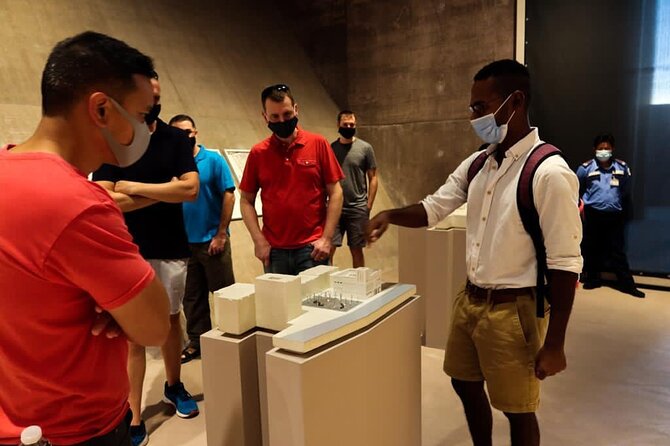
The next stop is the Mohammed Bin Faris House of Sout Music, with around 10 minutes set aside. The nearby music hall hosts Khaleeji music evenings and folklore performances. Traditional music is part of Gulf identity, and this stop gives you a sense of the sound world connected to Muharraq.
Free traditional Khaleeji music is offered there every Thursday, although the walking tour itself does not promise a full performance. If your visit falls on that day, you may want to check what is scheduled.
After the music stop, the tour pauses for about five minutes at آلو بشير, a traditional restaurant that has been serving Bahrain for roughly 60 years. It is known locally for samboosa, and the tasting focuses on the potato version.
This is one of the tour’s best details. Food stops do not need to be elaborate to be useful. A warm, familiar snack tells you more about daily life than another polished display case. The short stop also breaks up the walking and gives you a quick taste without turning the tour into a meal.
A few more Bahrain trips worth comparing
- Around Bahrain Shared Tour (For MSC Euribia Tourists) 7H
★ 4.7 · 277 reviews - Manama: Bahrain City and Desert Tour with Transfers
★ 4.8 · 187 reviews - Full-Day Bahrain Guided Tour
★ 4.5 · 138 reviews - From BAHRAIN to SAUDI ARABIA
★ 5.0 · 129 reviews
A green pavilion and Shaikh Ebrahim Center
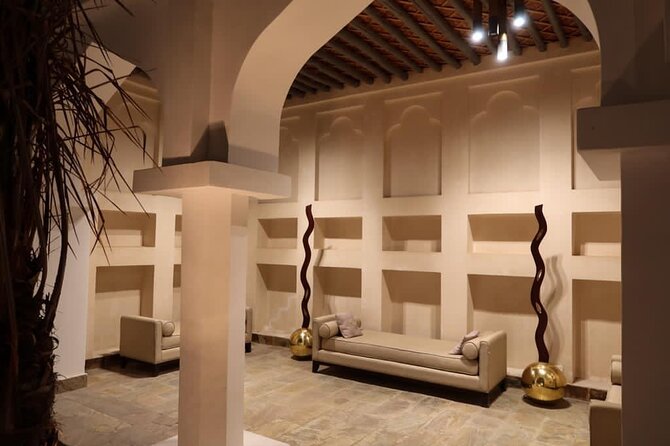
The Archaeologies of Green Pavilion takes about 10 minutes. It connects Bahrain’s agricultural past with the ancient civilization of Dilmun. The pavilion was created for Expo Milano 2015 and featured fruit gardens, archaeological objects, and ideas tied to Bahrain as the Garden of Eden and the land of a million palm trees.
This stop adds welcome variety. So far, the route has focused on pearls, houses, and music. Here, you get a reminder that Bahrain’s past also includes farming, fruit trees, palms, and old water-based settlement patterns.
The Shaikh Ebrahim Center follows, with about 15 minutes inside or around the center. The building is a modern reconstruction on the site of Shaikh Ebrahim bin Mohammed Al Khalifa’s original majlis. Since 2002, the center has hosted artists, poets, philosophers, and speakers, and a larger auditorium opened in 2008.
This is one of Muharraq’s key cultural institutions. I would pay close attention here because it explains why so many old homes in the neighborhood have been preserved and reused. They are not all frozen in the past. Many now support talks, exhibitions, music, crafts, and public education.
Small cultural houses along the old lanes
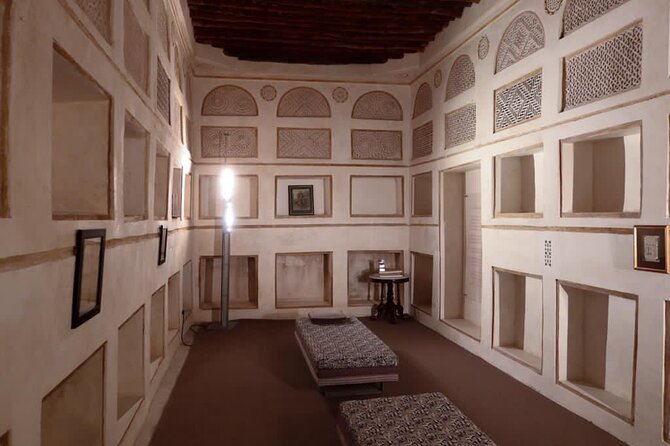
The itinerary then moves through several compact venues. I would expect the pace to be steady, with short explanations outside and brief visits inside. The variety is the point.
Iqra is a children’s library visited for about five minutes. It represents Bahrain’s long interest in children’s education, dating back to the early 19th century. It is a quick stop, but it shows how restored historic buildings can serve present-day needs.
At the next Pearling Path section, you may pause at Luqmatina Cafe, an old house converted into a restaurant, and Al Nukhida House. This portion lasts around 25 minutes. The café gives you another chance to see how Muharraq’s traditional homes can be adapted without losing their place in the old neighborhood.
Al Nukhida House is linked to a conservation project connected with the Pearling Path. Its restoration kept the older section while adding a more modest new part. That balance is worth noticing. Historic preservation is not only about keeping every building untouched. It is also about finding a useful future for old structures.
House of Art takes about 10 minutes. Its displays use photographs, poetry, and sea-related materials to present Muharraq through art. The house was part of the original Shaikh Ebrahim complex, and the focus is less on household objects than on memory, visual expression, and the relationship between the city and the sea.
You may find this stop more atmospheric than factual. If you prefer dates, names, and architectural details, listen closely to the guide. If you enjoy photography and poetry, give yourself time to look at the work rather than rushing through.
Memory of the House and the House of Coffee
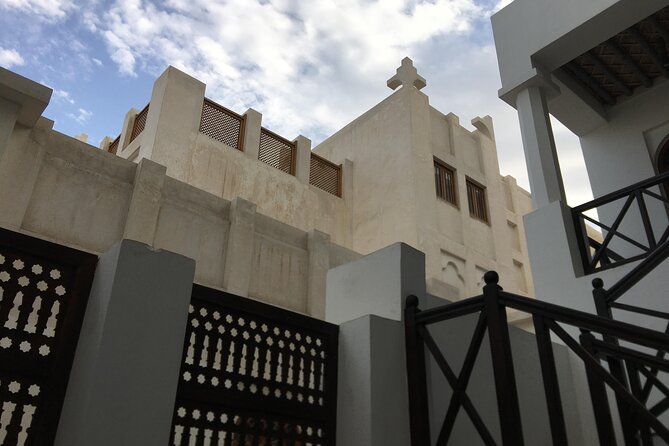
Memory of the House presents the former rooms, furnishings, and belongings connected with Shaikh Ebrahim bin Mohammed Al Khalifa. The original house no longer survives in full, but the center recreates a sense of its rooms and intellectual life.
This is where the personal side of Muharraq’s past comes forward. Furniture, carvings, correspondence, and household details can make a historical figure easier to understand than a plaque alone. The visit lasts about 10 minutes.
The House of Coffee is a shorter five-minute stop. It combines three old Bahraini homes behind a traditional façade, while the interior now functions as a café. The result is practical and appealing: you can see how a narrow historic lane and traditional exterior can support a modern business.
The tour also includes local Arabic coffee and tea at other points, so do not confuse this brief café visit with the longer refreshment stop near the end.
Kurar embroidery, guest houses, and press history
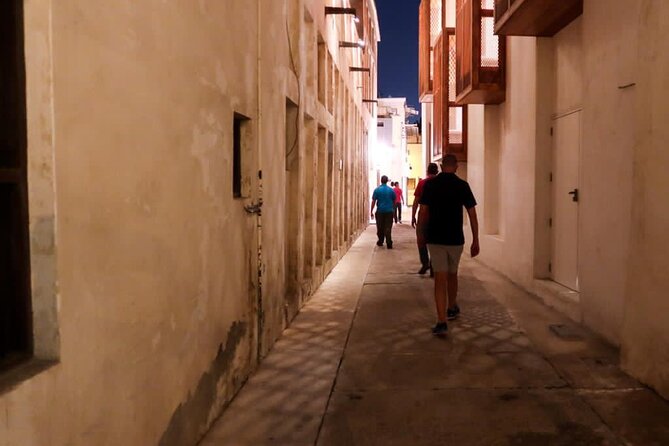
Kurar House is devoted to Kurar embroidery, a distinctive Bahraini craft. It was established in 2007 to help preserve the tradition and provide a place where older Bahraini women can pass the skill to younger generations.
This is an especially valuable stop because it shows living heritage. You are not only looking at an old room or an antique object. You are learning about a craft that needs people, practice, and support to survive.
Al Nuzul House is a traditional Bahraini guest house, visited for about 10 minutes. The stop is brief, but it adds another piece to the neighborhood’s social story. A guest house suggests the importance of hospitality and visitors in traditional urban life.
The Abdullah Al Zayed House for Bahraini Press Heritage takes around 10 minutes. This restored building belonged to the founder of the first weekly newspaper in Bahrain and the Gulf. It opened to the public in 2003 after restoration and now preserves both press history and traditional architecture.
This is one of the more unusual stops. Many city walks focus only on rulers, merchants, and religious buildings. A newspaper house shows how ideas, public debate, and printed information became part of Bahrain’s modern development.
Siyadi House and the final coffee stop
Siyadi House, also called Bayt Siyadi, is one of the route’s major historic homes. It formed part of a larger complex built for pearl merchant Abdullah bin Isa Siyadi, including a mosque and majlis.
The visit lasts about 10 minutes. Look for the relationship between the house and the wider complex. A wealthy pearl merchant’s home was not just a private residence. It reflected business, hospitality, family life, and public standing.
The final stop is Bu Khalaf Coffee Shop, where you can enjoy Bahraini tea, coffee, sweets, and dates. This lasts about 25 minutes and gives the walk a relaxed finish. Lunch or dinner packages may be available by special request, but they are not part of the standard experience described here.
This closing refreshment is more than a sugar break. Coffee, tea, dates, and sweets are central to Bahraini hospitality. Sit back, ask questions, and use this time to clarify anything you missed earlier.
What the $54 price really includes
At $54 per person, the tour is not the cheapest way to walk through Muharraq. The value comes from the number of cultural sites packed into a short afternoon, the guide’s explanations, and the included tastings.
Many of the stops have admission included, and the food sampling covers samboosa, sweets, dates, tea, and coffee. If you visited several cultural houses independently, you would need to research opening times, find each address, and understand what you were seeing. The tour saves that effort.
The price is strongest for first-time visitors who want a structured introduction to Bahrain. It is less compelling if you already know Muharraq well, plan to visit only one or two houses, or prefer to explore at your own pace.
The tour has a current rating of 5 from 170 ratings, with 99 percent recommending it. The most consistent praise centers on the guides, the old houses, and the feeling of discovering parts of Muharraq that are easy to miss alone. Guides named Khaled in recent accounts are described as warm, passionate, and strong storytellers.
Who should book this walk
I would choose this tour if you want cultural context without spending a full day indoors. It suits first visits, short stays, couples, solo visitors, and anyone interested in architecture, food, music, crafts, or the pearl trade.
It is also a good choice if you want a guide who can connect separate sites into one story. The route covers enough ground to show Muharraq’s range, but the stops are short enough to keep the afternoon moving.
You should think twice if you dislike walking, want a private experience, or need long visits at each museum. The itinerary includes many stops, so some visits may feel like introductions rather than thorough museum tours.
Bring water, wear comfortable shoes, and keep an open schedule for the final tea and coffee. The tour requires decent weather, and cancellation is free if you cancel at least 24 hours before the 4 pm start. If poor weather forces cancellation, you can receive another date or a full refund.
Should you book the Muharraq Cultural Walking Tour?
Book it if you want a well-organized first look at Bahrain’s old capital, especially if the pearl trade, traditional houses, and local food appeal to you. The combination of restored homes, living crafts, music, press history, and generous hospitality gives you a fuller picture than a single museum visit.
I would make it one of my first activities in Bahrain. It gives you names, places, and context that can improve the rest of your stay. Just remember that the group may be as large as 50, the walking is real, and the quick stops favor breadth over long, quiet study.
FAQ
How long does the Muharraq Cultural Walking Tour last?
The tour lasts approximately 2 to 3 hours.
What time does the tour start?
It starts at 4 pm.
Where does the tour meet?
The meeting point is Al Sedra Cafe, Shop 40, Road 53, Building 355, Muharraq, Bahrain.
Where does the tour end?
The activity ends back at the meeting point.
What food and drinks are included?
The experience includes Arabic tea, coffee, dates, Bahraini samboosa, sweets, and other treats. The standard itinerary specifically includes a potato samboosa tasting and a final stop for tea, coffee, sweets, and dates.
How much does the tour cost?
The listed price is $54 per person.
What is the largest possible group size?
The activity can have a maximum of 50 participants.
Can I cancel for a refund?
Yes. You can cancel at least 24 hours before the start time for a full refund. Cancellations or changes made less than 24 hours before the start are not refunded or accepted. If poor weather cancels the tour, you will be offered another date or a full refund.
Newest Bahrain trips on the site
- Bahrain City Tour-Private Tour★ 5.0 · 47 reviews
- From Manama: Bahrain Guided Trip★ 4.9 · 36 reviews
- Bahrain in a Day from City Lights to Desert Landscapes★ 4.9 · 34 reviews
- Bahrain Full-Day Highlights Tour:Manama,Desert&Tree of Life★ 5.0 · 21 reviews
- From BAHRAIN to SAUDI ARABIA★ 5.0 · 129 reviews
- Half-Day Desert Tour★ 4.5 · 68 reviews
- Half Day Desert Tour★ 5.0 · 96 reviews
- Full-Day Bahrain Guided Tour★ 4.5 · 138 reviews
Walking Tours, compared.
Amman Walking Tour: Hidden Gems, Culture & Street Food
Read our review →
Middle Eastern Food & Culture Walk in Old Dubai
Read our review →
Historic Old Dubai & Souk Small Group Walking Tour
Read our review →
Walking Tour: Discover Souq Waqif, An Almost Free Walking Tour
Read our review →
Private Old Dubai Walking Tour: Forts, Souks, and Boats
Read our review →
Private Old Town, Heritage & Souks Walking Tour
Read our review →Browse the lists this tour appears in