
Reviewed · HOLY LAND TOURS
Jerusalem: Meet the Orthodox Jews Tour
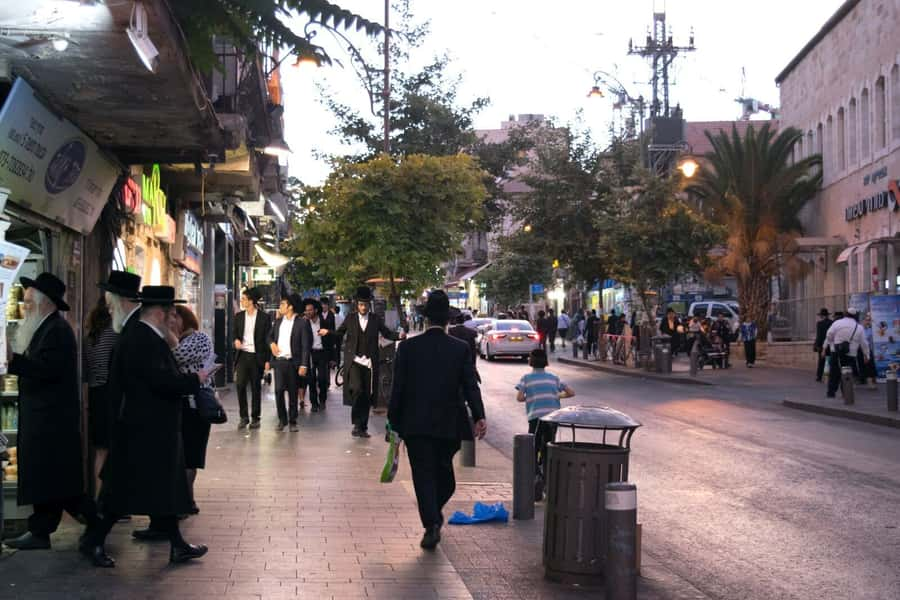
This Jerusalem walk takes you past the walls of ultra-Orthodox life and explains what those walls mean. Your guide is a former member of the community, identified in one account as Moti, so you get more than a quick look at black coats and closed shopfronts. You hear about the rules, daily routines, family life, and the hard questions that outsiders often miss.
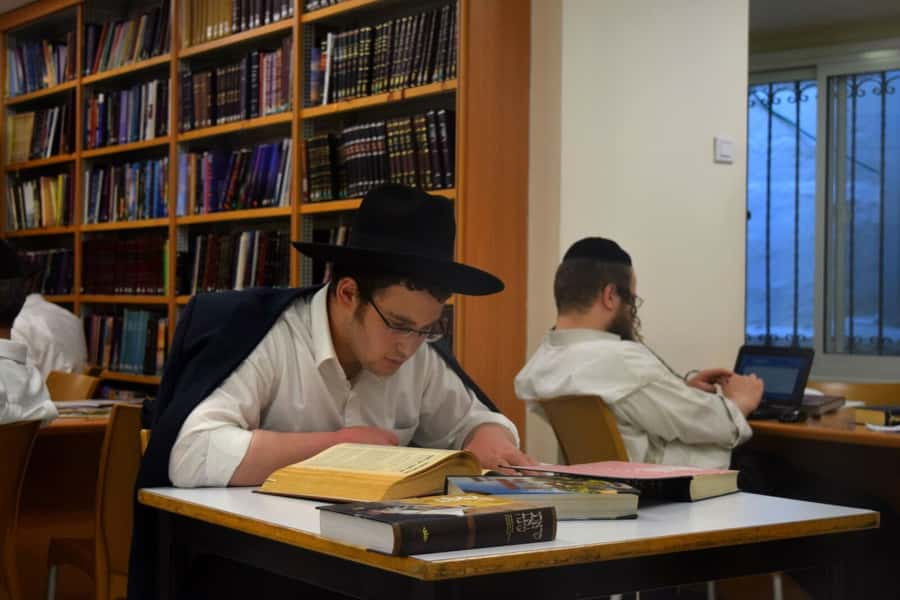
I like the insider perspective and the open question-and-answer format. I also like that the walk points out ordinary places, such as a bakery, bookstore, music shop, clothing store, restaurant, synagogue, and yeshiva, instead of treating the neighborhood as a museum. The main consideration is that some places cannot be entered, and street noise can make the guide harder to hear.
Key points to know
- A former community member leads the walk: You hear personal explanations from someone who grew up within the ultra-Orthodox world and later left it.
- The focus is daily life: Marriage, women’s roles, charity, kosher food, phones, media, Sabbath, and holidays all come up.
- You see the neighborhood from the street: Shops, religious signs, synagogues, bakeries, and a yeshiva are explained, but entry is not always permitted.
- The tour lasts 150 minutes: That gives you time for a real discussion, though some visitors would welcome extra time to look around.
- Modest clothing is required: Bring a scarf or shawl for women, and avoid shorts or bare shoulders for everyone.
- The meeting point has changed: Meet at the bus stop outside Abraham Jerusalem, at Ha-Nevi’im Street 67, since the hostel is currently closed.
What this Jerusalem walk helps you see
Many people encounter ultra-Orthodox Jews only from the outside. You may notice distinctive clothing, separate customs, and shops that appear closed or unfamiliar, but those details do not explain how the community works.
This tour tries to supply that missing context. It is not simply a stroll through a traditional quarter. It is a guided conversation about how religious rules shape shopping, school, marriage, family life, work, technology, and public behavior.
The former-member angle matters. A guide who grew up in the community can explain small details that an outside observer might overlook. At the same time, leaving the community gives the guide a different view of its limits and tensions. The result is more personal than a standard sightseeing talk, and the discussion can move in directions that a fixed script cannot cover.
You should come ready to ask respectful questions. The tour is designed for conversation, not just listening. Topics include the role of women, marriage customs, media, charity, kosher food, mobile phones, the Sabbath, holidays, and the place of the ultra-Orthodox sector in modern Israeli society.
That range makes this a useful addition to a Jerusalem visit. The walk does not try to reduce the community to one simple description. You hear about faith and restriction, belonging and separation, tradition and change.
More Holy Land Tours in Israel & Palestine
- Jerusalem Half Day Tour: Holy Sepulchre and Western Wall
★ 4.5 · 80 reviews - Jerusalem Walking Tour: In the Footsteps of Jesus
★ 4.5 · 67 reviews - Jerusalem Half-Day Tour from Tel Aviv: Holy Sepulchre and Western Wall
★ 4.0 · 61 reviews
A former insider changes the tone
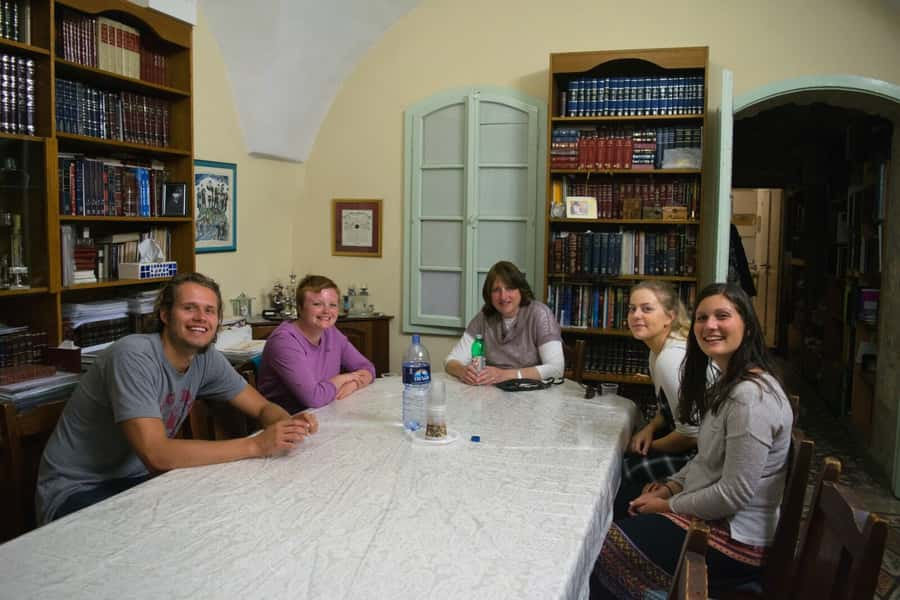
The strongest part of the experience is the guide’s personal connection to the subject. Several highly positive accounts describe the guide as warm, humorous, open, and able to handle difficult questions. One account describes a final personal story about leaving the ultra-Orthodox community as especially moving.
That personal history does not make the guide neutral in some abstract sense. No guide can erase personal experience. But it can make the explanations more precise. You are less likely to get a shallow description of customs when the person speaking has lived within them.
The tour also leaves room for disagreement. One account describes the guide responding calmly when people outside the group challenged his views. That is useful in a subject where visitors may arrive with strong opinions, either sympathetic or critical.
You should expect an honest conversation rather than a sales pitch for the community or a simple attack on it. The aim is to explain how people live, why certain rules exist, and how the guide’s own experience shaped his understanding.
If you have a personal or academic interest in Orthodox Judaism, this format will likely give you more than a general city tour. If you want only famous monuments, the Old City, or archaeological sites, this is a different kind of Jerusalem experience.
Reading the neighborhood one storefront at a time
The route uses ordinary neighborhood places as teaching tools. You might stop near a bookstore and learn how religious reading fits into community life. A music store can open a discussion about permitted entertainment and cultural boundaries. A bakery offers a practical way to talk about food rules and the rhythms of daily shopping.
The clothing shop helps you understand how modest dress is not just a visitor requirement, but part of the community’s public identity. A restaurant can lead into kosher practice and the way food separates religious life from the wider city.
You also see a synagogue and a yeshiva from the street. These are important sites, but the tour does not promise access to every building. Some locations cannot be entered because the local community forbids it. That limit is worth accepting before you book.
In one sense, staying outside is part of the lesson. You are visiting a living neighborhood, not a staged attraction built for sightseeing. You get explanations from the pavement and a glimpse through the guide’s words, while the community keeps some of its own boundaries.
Do not expect a long shopping stop or free time inside each business. The value comes from connecting the visible details to the larger discussion. The neighborhood becomes a set of clues rather than a list of photo stops.
The questions that make the tour worthwhile
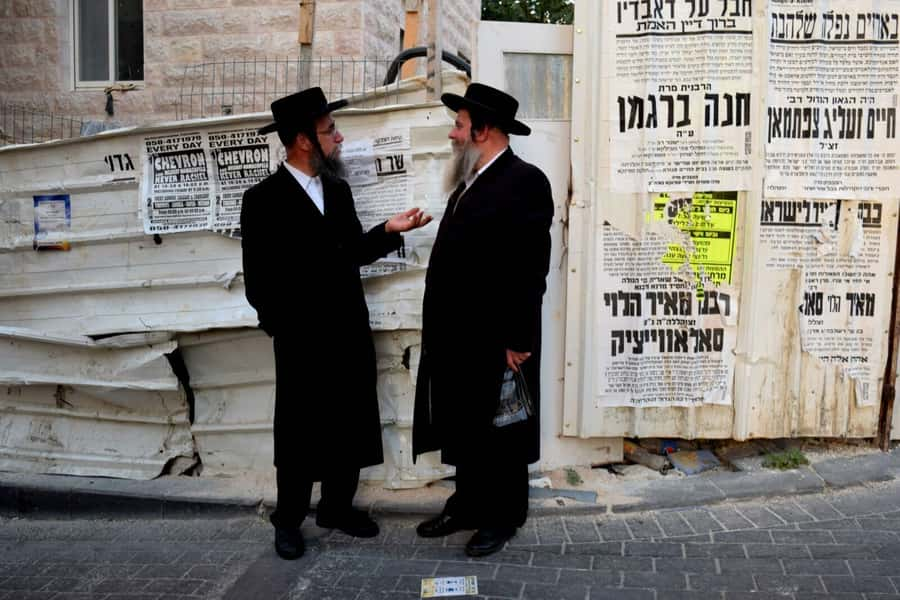
The tour is at its best when you use the chance to ask direct questions. You can ask how marriage works, how women’s roles are understood, why certain media may be limited, or how phones fit into a community that places strong limits on technology.
You can also ask about charity, kosher food, the Sabbath, and Jewish holidays. These subjects affect ordinary hours, meals, work, family visits, and public behavior. Hearing them explained in relation to daily life is more useful than memorizing isolated facts.
The discussion also reaches beyond religion. The guide addresses the current place of the ultra-Orthodox sector in Israeli society. That gives you a way to connect the neighborhood to wider questions about identity, politics, social responsibility, and the tension between communal independence and modern public life.
This is not a tour where every question will have a short answer. Some subjects are personal and complex. You may hear an explanation that challenges your assumptions, particularly if you have previously judged the community only by its appearance or by news coverage.
I would treat the walk as a chance to listen carefully, then ask follow-up questions. The format works best for curious people who can handle nuance and who do not expect a guide to settle every debate.
A completely different sort of day out of Jerusalem:
- From Tel Aviv: Jerusalem Old & New City Bus Tour
★ 4.2 · 824 reviews - Jerusalem: Guided Walking Tour of the Old City
★ 4.7 · 386 reviews - Full Day City Tour of Jerusalem
★ 4.1 · 367 reviews - Old and New Jerusalem Day Trip from Tel Aviv
★ 4.5 · 296 reviews
What the 150-minute schedule feels like
Two and a half hours is a useful length for this subject. A shorter walk could point out clothing and signs without explaining how they connect. The 150-minute format allows the guide to cover several streets, pause for questions, and discuss both customs and personal experience.
The tradeoff is pace. You are walking and talking for a substantial period, so this is not a quick orientation. One account wished for more time to look around the neighborhood, while also praising the guide. If you like stopping for photographs or browsing every shop, you may feel the route is discussion-heavy.
Sound can also affect the experience. Street noise may make it difficult to catch every word in some areas, and one assessment suggested headsets might have helped. Stay close to the guide and ask for a point to be repeated if you miss it. The discussion is too important to let one noisy corner spoil it.
The tour is offered in English with a live guide. Since exact starting times depend on availability, check the schedule when you book. The walk is listed at $53 per person. That is fair value if you want a focused cultural conversation led by someone with direct experience, rather than a general neighborhood walk with a few religious facts added.
The price is less compelling if you mainly want indoor access, food tastings, or a relaxed shopping outing. Food and drinks are not included, so plan to buy anything you need separately.
Dressing respectfully is part of the experience
Clothing is not a minor detail here. Shorts and sleeveless shirts are not allowed, and both men and women must cover their shoulders. Women should bring a scarf or shawl, and modest clothing is required throughout the walk.
These rules protect the tone of the visit and show respect for the people who live in the neighborhood. You are entering a setting where clothing communicates religious commitment and social belonging, so it is best to arrive prepared rather than treat the requirement as an inconvenience.
Bring a hat, water, and a camera. Water matters during a 150-minute walk, particularly in warm weather. A camera is listed as welcome, but use good judgment around people, private spaces, and religious activity. The tour’s purpose is understanding, not collecting snapshots of strangers.
If you are unsure about an item of clothing, choose the more conservative option. That is easier than trying to adjust after the walk begins.
Meeting at Ha-Nevi’im Street 67

The current meeting point is the bus stop outside Abraham Jerusalem at Ha-Nevi’im Street 67. Abraham Jerusalem is closed at the moment, so do not plan to walk into the hostel looking for the group.
This is a detail worth checking on the day of the tour. One person who arrived late was able to continue after receiving a live location from the guide, but you should not count on being late. Arrive early, find the bus stop, and keep your phone available for tour instructions.
The meeting point is practical rather than scenic. The important thing is to identify the correct street address and wait outside the closed hostel location. Since this is a walking tour, comfortable shoes and water are sensible, even though the supplied information does not specify the route’s exact distance.
Who should book this tour
I would recommend this experience to you if you want to understand a part of Jerusalem that is often observed but rarely explained. It suits visitors who enjoy asking questions, hearing personal stories, and examining how belief shapes daily routines.
It is particularly useful if you have already seen the Old City and want a different side of Jerusalem. It can also work well for people interested in religion, Israeli society, family structures, cultural boundaries, or the personal cost of leaving a closed community.
The tour is less suitable if you want a conventional sightseeing route, guaranteed access to religious buildings, or a food-focused activity. You should also think twice if you dislike walking discussions or may struggle with modest clothing requirements.
Families and groups with teenagers may find the subjects engaging, but the discussion can become serious. Marriage, women’s roles, social pressure, and leaving the community are not light topics. The guide’s humor helps, yet this is still a thoughtful cultural experience rather than a casual photo walk.
The very high overall rating of 4.9 from 103 bookings fits the tour’s main strengths: a rare insider viewpoint, patient answers, and a personal account that can change how you see the community. Still, the practical limits remain clear: some places stay closed to visitors, food is not included, and street noise may interfere with the guide.
Final call: book it for context, not access
Book this tour if your goal is to understand ultra-Orthodox life through a former insider’s explanations. The combination of neighborhood details, frank discussion, and personal experience gives the walk real substance for $53.
Skip it if you want a monument-heavy itinerary or expect to enter every shop, synagogue, and religious institution. Come dressed modestly, bring water, stay near the guide, and allow the conversation to lead you beyond first impressions. For a curious visitor, this is one of the more useful ways to see Jerusalem’s social and religious variety.
FAQ
How long is the Jerusalem Meet the Orthodox Jews Tour?
The tour lasts 150 minutes, or two and a half hours.
What language is the tour offered in?
The tour is conducted in English with a live guide.
Where does the tour meet?
Meet at the bus stop outside Abraham Jerusalem at Ha-Nevi’im Street 67 in Jerusalem. Abraham Jerusalem is currently closed.
Is the tour led by someone from the ultra-Orthodox community?
Yes. The guide is a former member of the local ultra-Orthodox community. One account identifies a guide named Moti.
Can you enter the shops, synagogue, and yeshiva?
Not always. Some places cannot be entered because the local community forbids access, so the guide explains them from outside.
What should you wear?
Wear modest clothing. Shorts and sleeveless shirts are not allowed, and both men and women should avoid bare shoulders. Women should bring a scarf or shawl.
What should you bring?
Bring a hat, water, and a camera. Food and drinks are not included.
More Holy Land Tours in Jerusalem
- From Tel Aviv: Guided Day Trip to Nazareth & Sea of Galilee
★ 4.4 · 824 reviews - From Jerusalem: Nazareth and Sea of Galilee Tour
★ 4.5 · 588 reviews - Nazareth and the Sea of Galilee Day Trip from Tel Aviv
★ 4.5 · 541 reviews - Jerusalem/Tel Aviv: Bethlehem, Jericho and Jordan River Tour
★ 4.6 · 526 reviews
Newest Jerusalem trips on the site
- Jerusalem: Tour with Private Guide★ 4.9 · 33 reviews
- Jerusalem: Half-Day Tour from Tel Aviv★ 3.8 · 54 reviews
- From Tel Aviv: Jerusalem Old City Guided Tour★ 4.6 · 59 reviews
- Holy Jerusalem Half-Day Tour From Jerusalem★ 3.8 · 47 reviews
- Jerusalem: Old City Morning Tour★ 3.8 · 25 reviews
- From TLV- Jerusalem Old & New tour INCL. ENTRANCE FEES & P/U★ 4.2 · 65 reviews
- From Tel Aviv: Old Jerusalem Half-Day Tour★ 3.7 · 55 reviews
- Tel Aviv: Best of Jerusalem Day Tour★ 4.2 · 44 reviews
Holy Land Tours, compared.
Nazareth and the Sea of Galilee Day Trip from Tel Aviv
Read our review →
Jerusalem/Tel Aviv: Bethlehem, Jericho and Jordan River Tour
Read our review →
Nazareth and the Sea of Galilee Day Trip from Jerusalem
Read our review →
Dead Sea, Nebo, Madaba & Baptism Site Private or Group Tour
Read our review →
Private Tour to Madaba, Mount Nebo, and Baptism Site
Read our review →
Browse the lists this tour appears in