
Reviewed · WALKING TOURS
Dubai: Walking, Architecture and History Tour of Dubai Opera
Dubai Opera is more than a polished shell beside the Burj Khalifa. Its real interest appears when you leave the public foyer and see how the building works behind the curtain. A one-hour guided walk takes you through the auditorium, dressing rooms, backstage spaces, trap room, and seat storage area, giving you a look at the machinery behind the performances.
I like two things right away: the tour explains the building as a working theater, not just a pretty photo stop, and you get access to areas most ticket holders never see. The stories about changing the auditorium from a theater into a flat-floor hall are especially useful because they show how much planning sits behind a single evening event.
The main limitation is time. One hour is enough for a brisk introduction, but not a slow architectural study. The tour also involves walking, standing, and stairs, and parts of the building can close when events are taking place. Richard is one guide who has earned praise for being friendly and entertaining, but the exact guide and route can vary.
Key points to know before you book
- The trap room is a rare backstage stop: You may see one of the least familiar parts of a theater, hidden below or around the stage area.
- The auditorium can change shape: The tour explains how seats are stored when the hall becomes a flat-floor venue.
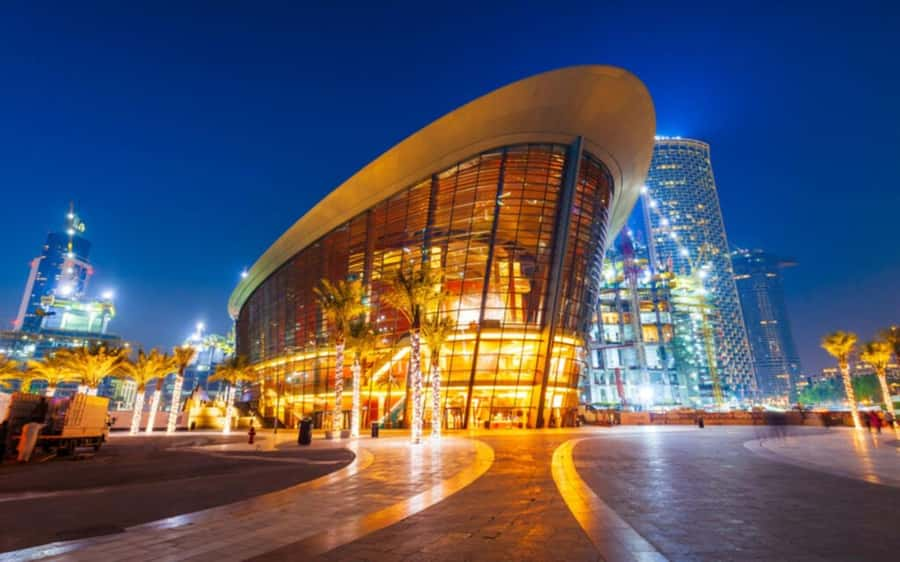
- Dubai Opera has a distinctive dhow-inspired form: Its design connects the building to Dubai’s maritime past while serving a modern performance space.
- Art is part of the visit: Sculptures, mirrors, and artworks made specifically for the opera house add detail beyond the architecture.
- Richard is one guide to hope for: His tour is described as friendly, entertaining, and supported by videos that explain backstage processes.
- The price is reasonable for access: At $27 per person, you are paying for a guided look inside a working cultural venue rather than a standard exterior visit.
Meeting the guide at the Plaza Box Office
Your tour begins at the Plaza Box Office, a straightforward meeting point inside the Dubai Opera complex. Arrive ready to walk rather than expecting a seated presentation. This is a guided route through an active building, so the experience works best when you stay with the group and listen as the guide moves from one space to the next.
The tour is offered in English and Arabic. If English is not your first language, the quality of the guide matters. One recent visit with Richard was made easier by his use of videos, which helped explain backstage systems and theater procedures in a clear way. Another small advantage is that Richard has been described as entertaining, not simply factual. That makes a difference in a building where much of the most interesting material concerns technical work.
Group size is not specified, so you should not book expecting a private tour. Still, smaller groups can happen. One booking had only two people with the guide, which allowed for more personal attention and made it easier to ask questions. Treat that as good luck, not a promise.
More Historical Tours in Dubai
- Dubai Evening Heritage Safari by Vintage G Class Al Marmoom Oasis
★ 5.0 · 1,500 reviews - Dubai Camel Desert Safari, Traditional Meal & Heritage Activities
★ 5.0 · 937 reviews - Dubai: Heritage Safari in Vintage Land Rover with Dinner
★ 4.8 · 861 reviews
Reading the architecture of Dubai Opera
Dubai Opera’s exterior is the first major subject of the tour. The building was designed as a cultural landmark in Downtown Dubai, and its form is often associated with a traditional dhow, the sailing boats long linked with the Gulf. That shape is not just decoration. It gives the building a strong profile while allowing the inside to function as a modern performing arts venue.
I like tours that explain why a building looks the way it does. Here, the design becomes easier to appreciate once you connect the curved form, glass surfaces, public areas, and auditorium to the needs of live performance. You are not simply told that the building is beautiful. You learn how its visual details relate to its role as an opera house, concert hall, theater, and event venue.
The building opened in 2016 and is the only opera house in the United Arab Emirates. That short history makes it a useful stop for understanding Dubai’s cultural growth. The tour does not present the venue as an old monument. Instead, it shows you a young building already designed to handle several kinds of events.
That flexibility is one of the most important ideas to listen for. Dubai Opera is not locked into one arrangement. The hall can support traditional stage performances and can also change into a flat-floor space. The architecture is impressive, but the engineering is what gives it practical value.
The auditorium and its changing floor
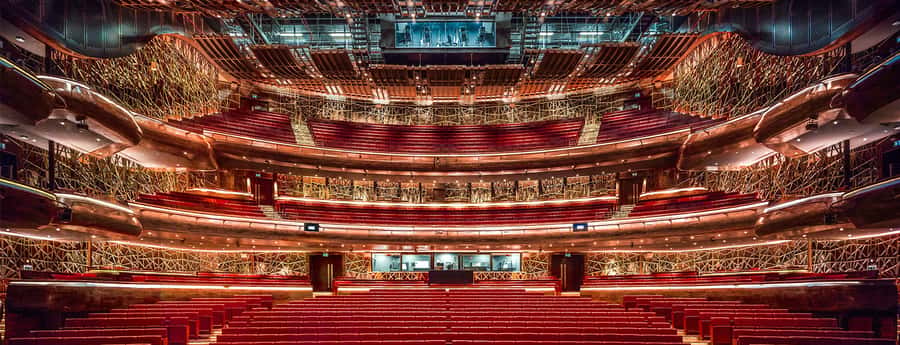
The auditorium is likely to be the visual high point of the walk. Depending on the day’s schedule, you may see it set for a performance or learn how it is altered for another kind of event. The most useful detail is the seat storage area, which becomes important when the auditorium is converted to flat-floor mode.
This is the sort of detail you cannot understand from a normal ticketed performance. During a concert or theater show, the seats are simply where you sit. On this tour, you get a sense of what happens to them when the room needs a new layout. The change involves storage, planning, and a great deal of backstage coordination.
I find this part valuable because it turns an impressive hall into a working tool. The opera house is not only an elegant room for music. It is also a flexible event space that must be reset, managed, and maintained. If you enjoy design, theater, engineering, or the practical side of events, pay close attention here.
Access can depend on what is happening inside the building. Dubai Opera remains in use, so an event, rehearsal, or technical setup may limit what you can see. That is not a flaw in the tour so much as a fact of visiting an active venue. The route is subject to change, and you should not assume every room will be open on every date.
Dressing rooms, mirrors, and the working theater
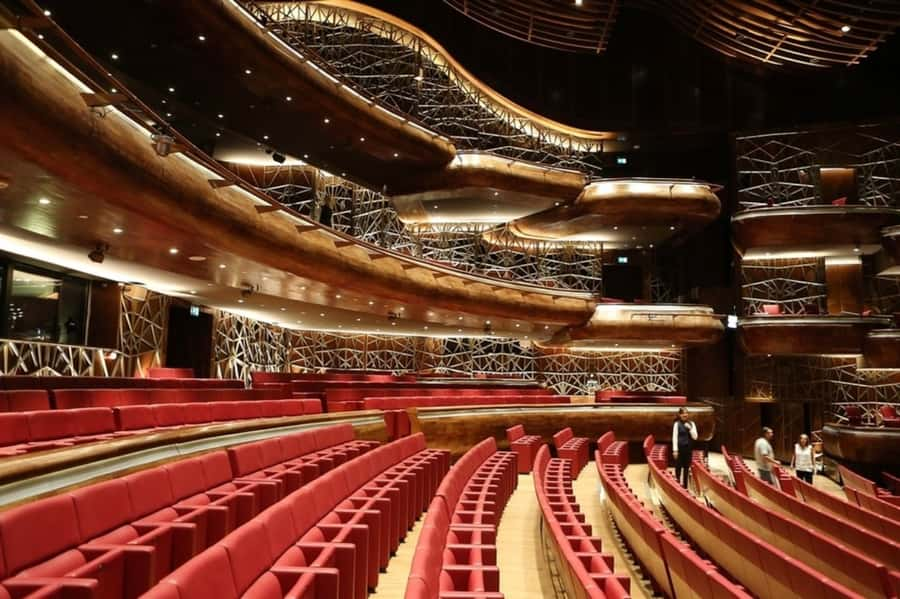
The dressing rooms add a more human side to the visit. Instead of looking only at the grand public areas, you see where performers prepare before going onstage. The mirrors are part of the attraction, and the guide uses these spaces to explain how the venue supports the people who perform there.
This stop helps connect the polished performance with the work that comes before it. A theater can look calm when the audience takes its seats, but the dressing rooms point to a different rhythm: preparation, costume changes, makeup, waiting, and quick movement between rooms and stage.
Do not expect a long backstage visit with performers or a chance to handle equipment. The value is in seeing the spaces and hearing how they fit into the building’s operation. Because the tour lasts only an hour, the guide must keep the pace moving.
If you are interested in photography, the dressing room mirrors and architectural details may give you good subjects, but photography rules can depend on the day and the venue. Follow the guide’s instructions, especially if a production is being prepared.
More Walking Tours in Dubai
- Middle Eastern Food & Culture Walk in Old Dubai
★ 5.0 · 206 reviews - Historic Old Dubai & Souk Small Group Walking Tour
★ 5.0 · 156 reviews - Dubai Souks, Food & Culture Walking Tour
★ 5.0 · 132 reviews - Private Old Dubai Walking Tour: Forts, Souks, and Boats
★ 5.0 · 116 reviews
The trap room and the less visible machinery
The trap room is one of the most unusual stops. Many people know the stage, curtains, and seating area, but fewer think about the spaces that allow scenery, performers, or technical elements to move around the stage. The trap room gives you a look at that less visible part of theater design.
The supplied details do not specify exactly what will be operating during your visit, so you should not expect a live demonstration. Still, seeing the room itself helps you understand that the stage is not a flat platform with a curtain behind it. It is part of a much larger system.
This is also where the tour earns its price. A regular walk through Dubai Opera’s public spaces would give you atmosphere and architecture. The backstage route adds access and explanation. At $27 per person, that extra layer makes the experience a sound choice for anyone who wants more than an exterior photograph.
The guide may use videos to explain processes that cannot be shown on the day. Richard has been praised for using them to make complicated backstage work easier to follow. That is a smart approach, since a working theater cannot stop its operations simply to demonstrate every mechanism for a tour group.
Sculptures, artworks, and the details you might miss
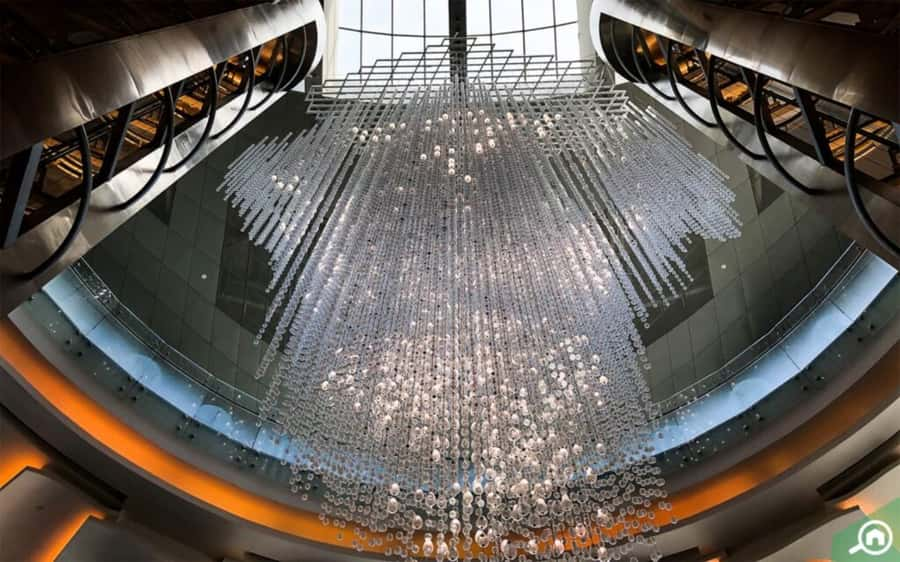
Dubai Opera was designed with art in mind, and the tour points out sculptures and artworks created specifically for the venue. These pieces help fill the spaces between the major architectural features. They also give you something to look for after the guide moves on.
I recommend taking a moment to study the details rather than trying to photograph everything at once. A guided visit can pass quickly, particularly when the guide is explaining the building’s history and technical features. Notice how the artworks sit within the public areas and how the venue uses decoration without losing its clean modern form.
The tour’s strongest quality is the way it joins these parts together. You see the exterior design, then the public areas, then the performance room, then the backstage systems. The building makes more sense when you understand all four layers.
You may also find that the artworks are more memorable after the backstage visit. Once you have seen how functional the opera house is, the sculptures and decorative details feel less like separate ornaments. They become part of the effort to create a complete cultural venue.
What the one-hour length means
One hour is a good length for a first look at Dubai Opera. It fits neatly before a meal, shopping, or an evening performance, and it does not demand half a day from your Dubai schedule. The short format also keeps the tour focused.
The tradeoff is that you will not study every corner at leisure. If you are an architecture student, theater professional, or serious design enthusiast, you may want more time than the standard route allows. The guide has to cover history, architecture, art, and backstage work within a compact visit.
I would plan to arrive at the Plaza Box Office with enough time to orient yourself. The tour starts there, and you do not want to spend part of the hour searching for the meeting point. Wear comfortable shoes and expect stairs and standing. Wheelchair users and people with mobility restrictions should contact the activity provider before arriving, even though the tour is listed as wheelchair accessible.
Children under 16 must be accompanied by an adult. Infants under two are free. These rules are simple, but the pace and backstage setting may suit older children and adults better than very young visitors.
Is $27 good value for Dubai Opera?
At $27, this is not the cheapest cultural stop in Dubai, but it is fairly priced for an hour of guided access inside a working performance venue. You are not paying only to see the outside of a striking building. You are paying for context, backstage areas, and an explanation of how the spaces change for different uses.
The value is strongest for first-time visitors to Dubai Opera, architecture fans, theater lovers, and anyone attending a performance later. The tour can make an evening show more interesting because you understand the building before you sit down.
It is less useful if you only want a quick photo or if you dislike guided pacing. You may also feel shortchanged if several areas are closed due to an event. Since Dubai Opera is an active building, the exact route can change. The activity provider allows full cancellation up to three days in advance, which gives you some flexibility if your schedule changes.
The high overall score of 4.9 from 40 ratings fits the tour’s strengths: friendly guiding, access to unusual rooms, and clear explanations. I would not treat the score as a guarantee of an identical experience, since the guide, group size, and available spaces can vary.
Who should book this Dubai Opera tour?
You should book if you want to understand how Dubai Opera works, not just admire its exterior. The tour is especially good for:
- Architecture fans who want the story behind the building’s shape and design
- Theater lovers curious about dressing rooms, stage systems, and seat storage
- Visitors attending a performance who want a behind-the-scenes introduction
- Families with older children who can manage walking, stairs, and standing
- People with a free hour in Downtown Dubai who want a focused cultural activity
You might skip it if you prefer independent sightseeing, have limited mobility without contacting the provider first, or need a guaranteed route through every room. Event schedules can affect access, and the tour does not promise that every area will be open.
Should you book it?
I would book this tour if the idea of seeing the trap room, dressing rooms, and seat storage area interests you. Those stops give the visit a purpose beyond admiring Dubai Opera’s facade, and the guide’s videos can make the technical side easier to understand.
Book it as a compact introduction, not a full architectural course. Arrive at the Plaza Box Office, wear practical shoes, and keep your schedule flexible in case an event restricts part of the route. At $27, it is a sensible add-on for a performance night and a worthwhile choice for anyone who wants to see how Dubai’s most distinctive cultural venue works from the inside.
FAQ
Where does the Dubai Opera tour meet?
The tour meets at the Plaza Box Office.
How long does the Dubai Opera walking tour last?
The guided tour lasts one hour.
What languages are available?
The live guide is available in English and Arabic.
What areas can I see during the tour?
The route can include the auditorium, backstage areas, dressing rooms, trap room, seat storage area, sculptures, and artworks created for Dubai Opera.
Can the auditorium change into a flat-floor space?
Yes. The tour explains how the auditorium changes to flat-floor mode and where the seats are stored.
Is the tour wheelchair accessible?
The activity is listed as wheelchair accessible. Visitors with mobility restrictions or wheelchair users should contact the activity provider before the tour for assistance.
Can children join the tour?
Children under 16 must be accompanied by an adult. Infants under two years old can join free of charge.
Can I cancel for a full refund?
Yes. You can cancel up to three days in advance for a full refund.
Newest Dubai trips on the site
- Dubai Desert Safari with Camel Ride, Show, BBQ and Transfers★ 5.0 · 46 reviews
- Dubai Desert Excursions with BBQ Dinner & Live Entertainment★ 5.0 · 25 reviews
- Dubai Desert Safari with Belly Dance, Fire Show and Tanura Show-The Full Package★ 5.0 · 95 reviews
- Dubai Evening4x4Desert Safari BBQ Dinner,4 Live Shows,Camel Ride★ 5.0 · 141 reviews
- Dubai: Desert Safari with Camel Ride & Dune Bashing★ 4.0 · 22 reviews
- Private Evening Desert safari with BBQ Dinner & Entertainment★ 5.0 · 45 reviews
- Dubai Desert Safari with BBQ and 4WD Land Cruiser Dune Bashing★ 5.0 · 133 reviews
- Polarize Dune Buggy 1000cc in Red Dunes Desert★ 5.0 · 26 reviews
Walking Tours, compared.
Amman Walking Tour: Hidden Gems, Culture & Street Food
Read our review →
Middle Eastern Food & Culture Walk in Old Dubai
Read our review →
Historic Old Dubai & Souk Small Group Walking Tour
Read our review →
Walking Tour: Discover Souq Waqif, An Almost Free Walking Tour
Read our review →

Private Old Dubai Walking Tour: Forts, Souks, and Boats
Read our review →Browse the lists this tour appears in