
Reviewed · FORTS & ANCIENT SITES
Doha: North Qatar Tour, Mangroves, & Zubara Fort and purple
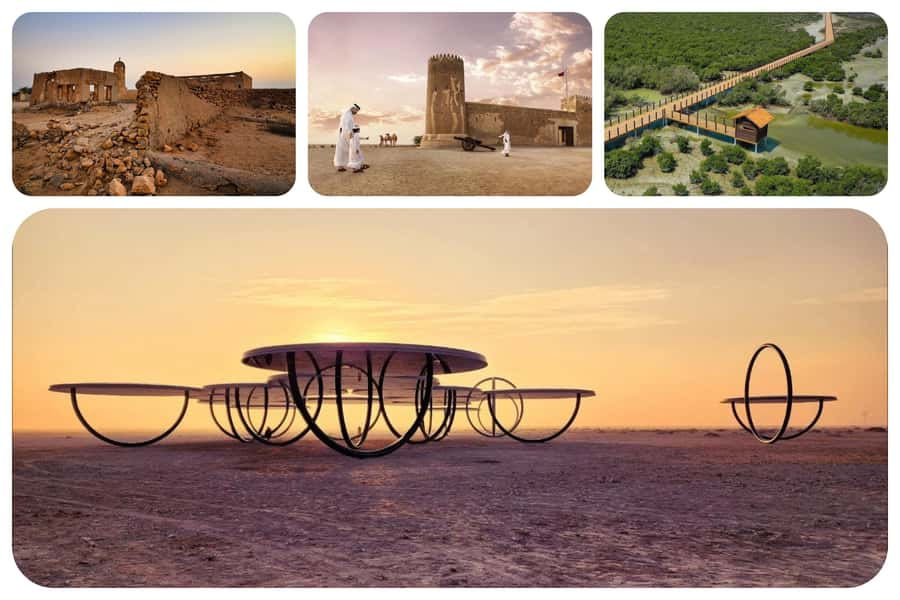
North Qatar gives you a very different view of the country. Instead of Doha’s towers and polished waterfront, you get working harbors, quiet tidal flats, old forts, abandoned villages, and a long road through open country. The strongest part of this four-hour trip is the mix of Qatar’s early coastal life and its surprisingly gentle mangrove habitat.
I like two things here. First, the guide-led history makes places such as Al Zubara Fort and Jumail far easier to understand than they would be on your own. Second, the trip offers real variety: birdwatching and mangroves on one side, old fishing towns and desert roads on the other. The main consideration is time. Four hours is enough for an introduction, but stops are fairly brisk, and the northern drive takes a large share of the outing.
Key points to know before booking

- Al Khor begins the story: See a traditional harbor, fishing activity, and boat repair before heading farther north.
- Purple Island is scenic rather than heavily programmed: Expect a photo stop, open views, and a quiet coastal setting.
- Al Thakira’s mangroves add a nature break: You may spot birds and should be ready for wet conditions.
- Al Zubara Fort is the main historical stop: Allow about an hour for the fort, exhibits, walking, and nearby views.
- Jumail shows Qatar’s abandoned village life: This short stop adds a more atmospheric look at the country’s past.
- The guide shapes the day: Adil, Abood, Saloo, Akhter, Khan, Usman, and Anwar are among the guides praised for clear explanations, good timing, and helpful photo stops.
Why North Qatar is worth your time
If you have already seen Doha’s museums, souqs, and skyline, this tour takes you beyond the capital’s familiar face. You see how much of Qatar’s story is tied to the sea. Fishing, boat building, coastal defense, pearl-era settlement, and trade all make more sense once you reach the northern shore.
The trip costs $40 per person, including hotel pickup and drop-off, an air-conditioned car, an English-speaking guide, water, and tea. That is a fair price for a private or small-group-style day out, especially if you do not want to arrange a long drive yourself. A rental car could give you more time at each stop, but you would lose the guide’s explanations and the convenience of door-to-door transport.
The strongest value comes from the range of places covered in a short period. You are not paying for one monument with a quick transfer attached. You are paying for a broad introduction to northern Qatar, with culture, nature, and coastal scenery in the same outing.
More Forts & Ancient Sites in North Qatar
- North Qatar Tour | Zubara Fort | Purple Island | Mangros Colony
★ 5.0 · 323 reviews - Doha North Qatar Tour Zubara Fort, Mangroves, Jumail Village
★ 4.9 · 267 reviews - North of Qatar Tour to Olafur Eliasson Zubara Fort Jumail Village
★ 5.0 · 157 reviews
The drive north from Doha
Pickup is offered from hotels and airports, and the first drive toward Al Khor takes about 45 minutes by Jeep or SUV. That transfer is not wasted time. It lets you watch Doha thin out and gives your guide room to explain the country, its towns, and the places ahead.
Transportation is by air-conditioned car, an important detail in Qatar. Even in cooler months, the sun can be strong, while summer heat can make outdoor stops demanding. The vehicle also keeps the long transfers comfortable, though anyone expecting a full four-hour sightseeing schedule should remember that the road time is part of the experience.
Several guides have been singled out for making the drive useful rather than silent. Adil is praised for clear explanations, flexibility, and photography. Abood, Saloo, Akhter, Khan, Usman, and Anwar are also noted for good communication and strong knowledge of local history. The guide you receive will shape the tone of the trip, but the format clearly works best when you ask questions along the way.
Al Khor harbor: Qatar’s working coast
The first stop is Al Khor, where you spend about 25 minutes walking, taking photos, and seeing the harbor area. This is not a long museum visit. It is a quick introduction to the everyday side of Qatar’s coast.
You can expect views of fishing activity, boat repair, and the older character of the town. The value of this stop is its sense of work. Doha can make Qatar feel like a place built almost entirely from new glass and concrete. Al Khor reminds you that the country’s coastal economy existed long before the modern city.
Keep your expectations in check. Twenty-five minutes does not allow for a detailed harbor study, and the stop is mainly guided sightseeing and photography. Still, it is a useful opening because it gives context to the later fort and village visits. Your guide can connect the harbor’s present-day activity with the older coastal communities farther north.
Purple Island and the northeastern shore
The route continues to Purple Island for about 30 minutes. This is a scenic stop, with a short visit, photo opportunities, and views along the northeastern coast. The name may suggest a dramatic colored island, but the appeal here is the quiet setting, tidal surroundings, and sense of open space.
I would treat Purple Island as a breathing stop rather than a major attraction with a long list of activities. You get time to look around, take photographs, and enjoy the change from town to coast. The drive itself is part of the pleasure, with broad views and a less developed feel than Doha.
Bring a hat, sunscreen, and comfortable clothes. There may be little shade, and the sun can make a short walk feel longer than expected. A camera is worthwhile, particularly if you enjoy wide coastal views, birdlife, or photographs of the road and shoreline.
A completely different sort of day out of North Qatar:
- North Qatar Half-Day Tour: Al Zubarah, Purple Island & Mangroves
★ 5.0 · 337 reviews - Doha: North Qatar Guide Expedition with Pickup & Drop-Off
★ 4.8 · 225 reviews - North of Qatar Tour, Zubara Fort, Mangroves, Jumail Village
★ 5.0 · 94 reviews - Qatar: Combo Tour of the North and West with Pickup
★ 4.7 · 78 reviews
Al Thakira mangroves: Qatar’s softer side
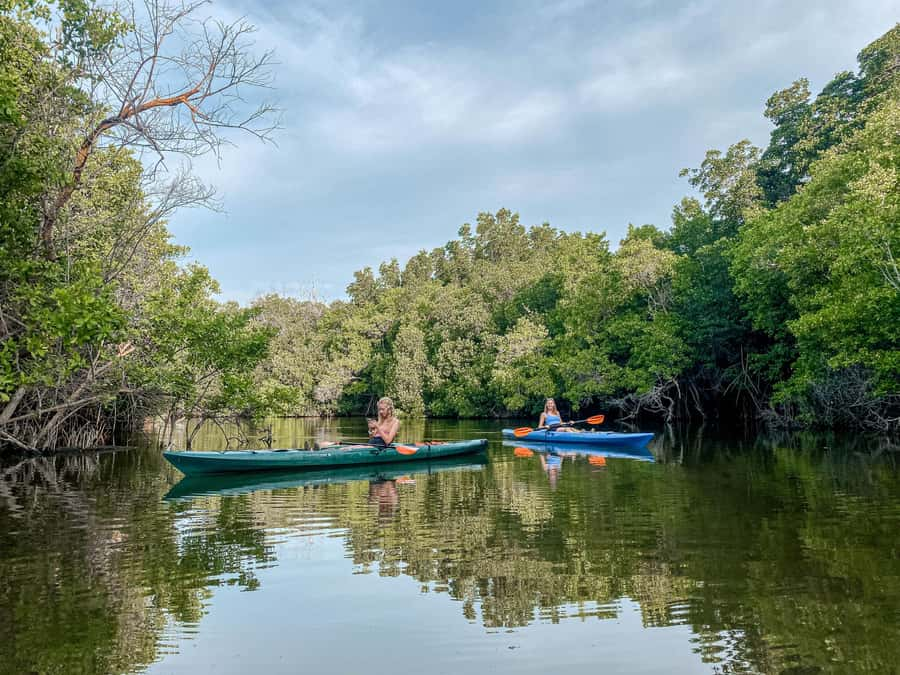
The Al Thakira mangrove reserve is the nature-focused part of the outing. Here, the pace changes. Instead of fort walls and abandoned buildings, you get shallow coastal water, mangrove growth, and a quieter setting suited to birdwatching.
A guided mangrove walk helps you notice what you might otherwise pass by. The guide can point out the ecological features of the area and explain how this coastal habitat fits into Qatar’s wider natural environment. Birdwatching is an opportunity rather than a guarantee, so bring patience and keep your eyes open.
The supplied information allows for a chance of getting wet. Wear clothes and shoes you can manage around damp ground, and pack insect repellent. You are also asked not to touch the plants, which is sensible in a fragile habitat. The tour is suitable for beginners, but the outdoor setting means you should be comfortable walking and standing on uneven ground.
There is a small inconsistency worth noting. The main schedule emphasizes a guided mangrove tour, while one account of the experience included a kayaking venue and tea near the mangroves. Since the exact water activity may depend on the day’s arrangement, ask the operator what your booking includes if kayaking is important to you. Do not assume it is part of every departure.
Al Zubara Fort and the UNESCO site
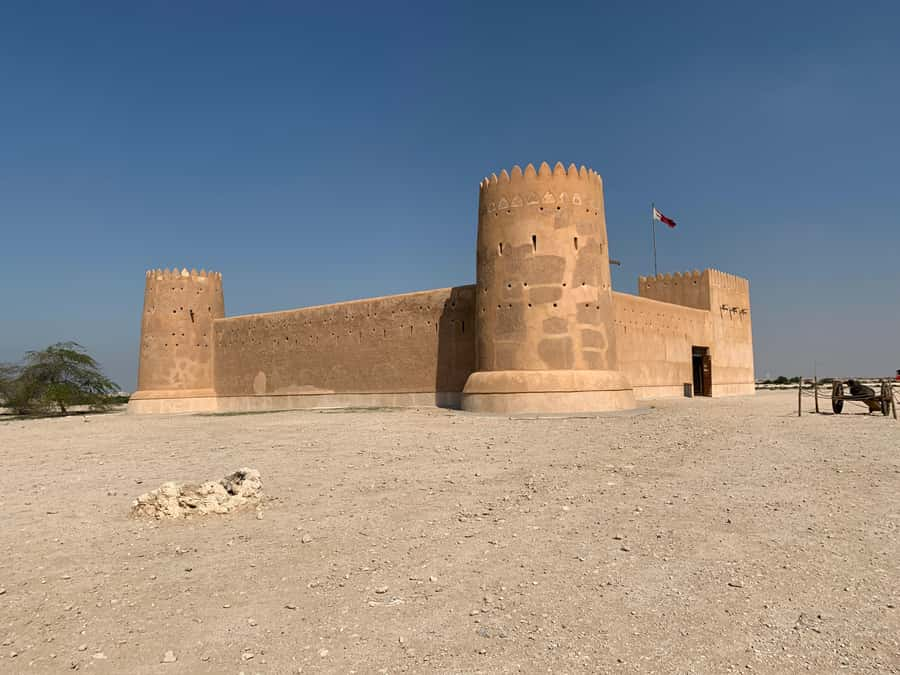
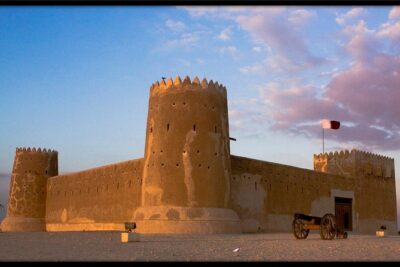
Al Zubara Fort is the centerpiece of the historical side of the tour, with about one hour set aside for the visit. You get a guided walk, time for photographs, free time, and a chance to see exhibits connected with archaeological work.
The fort is described as a 20th-century archaeological monument and part of the UNESCO-listed Al Zubara site. Its clean, sturdy Arab fort design reflects the need to protect coastal settlements and watch over important routes. The site also connects with Sheikh Abdullah bin Jassim Al Thani’s coastal defense plans.
What makes the stop valuable is the combination of building and setting. You are not simply looking at walls. The fort helps you picture a northern Qatar shaped by trade, fishing, conflict, and small settlements spread along the coast. The exhibits add evidence and detail, while the guide supplies the links between them.
One hour is a sensible minimum, but it can feel short if you like reading every display. If history is your main reason for booking, stay focused during the guide’s explanation, then use the free time for photographs and a closer look. The fort is likely to be the most rewarding stop for anyone interested in architecture, archaeology, or Qatar before its oil-era transformation.
Jumail abandoned village: a quiet final chapter
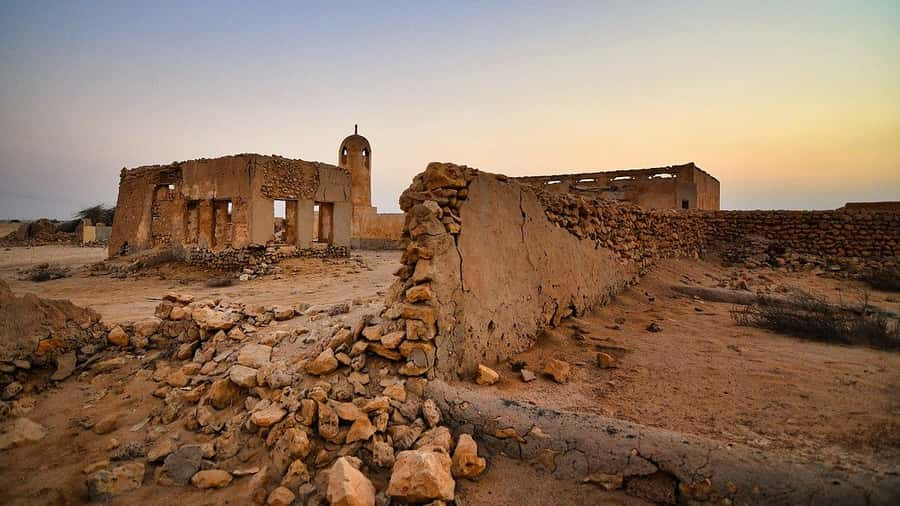
The last listed stop is Jumail Abandoned Village, with about 30 minutes for a guided visit, walking, and photographs. This is a more atmospheric place than a formal attraction. The remains offer clues to traditional village life and the movement of communities over time.
Do not expect a restored village with many intact rooms or visitor facilities. The appeal lies in the traces: old structures, empty spaces, and the feeling of a settlement left behind. Your guide’s explanation matters here because the remains may not tell the full story at a glance.
This stop also rewards respectful behavior. You are visiting a fragile historic place, so follow the guide’s instructions and avoid climbing on structures. The half-hour schedule gives you enough time to look around without turning the visit into a long archaeological walk.
How the timing affects the experience
The published sequence totals roughly three hours and 10 minutes of stops and driving, within a four-hour outing. Pickup, drop-off, traffic, and the exact time spent at the mangroves can affect the day, so treat the schedule as a useful framework rather than a stopwatch.
The pace suits you if you want a broad introduction to northern Qatar. It is less suitable if you prefer to linger at one site, spend a long time birdwatching, or explore the fort in great detail. The private-group option may help if you want more flexibility, though the exact amount of flexibility depends on the guide and the day’s conditions.
Tea and water are included, but meals are not. Eat before pickup or plan food separately. The tour is long enough to make hunger noticeable, yet short enough that there is no meal break built into the program.
What to bring for a comfortable day
Pack lightly, but do not leave out the basics:
- A hat and sunscreen for exposed stops
- Comfortable clothing and walking shoes
- A camera or phone with room for coastal and fort photographs
- Insect repellent for the mangrove area
- Extra water, even though water is supplied
- Clothing that can handle a possible splash or wet footing
The operator asks you not to touch the mangrove plants. Follow that rule, and listen closely during the nature portion. This is a simple way to protect the habitat while still enjoying it.
The experience is described as wheelchair accessible, but it is also marked as not suitable for people with mobility impairments. Those details do not fully agree, so contact the operator before booking if you have mobility needs. Ask specifically about vehicle access, walking surfaces, the fort, Jumail, and the mangroves.
Guides, comfort, and the human side of the tour
The strongest praise centers on the guides. Adil is repeatedly associated with historical explanations, flexibility, photography, and a friendly manner. Abood, Saloo, Akhter, Khan, Usman, and Anwar are also described as polite, attentive, professional, and helpful.
That matters on a northern Qatar tour because several places are more meaningful with context. A fort can look like a simple square building. An abandoned village can look like a pile of old walls. A good guide turns both into readable chapters of the country’s past.
The tour is in English. Private groups are available, and pickup can be arranged from hotels and airports. You can cancel up to 24 hours before departure for a full refund, and the reserve-now, pay-later option keeps your plans flexible. These are practical advantages if your Doha schedule may change.
Who should book this North Qatar outing?
I would recommend it to first-time visitors who want to get beyond Doha without committing to a full-day excursion. It also suits families, couples, and short-stay visitors who want a manageable mix of nature, history, and photographs.
You will get the most from it if you enjoy:
- Coastal towns and working harbors
- Forts, archaeology, and traditional villages
- Short outdoor walks
- Birdwatching and quiet natural settings
- Having a guide explain what you are seeing
- A comfortable road trip without arranging your own transport
I would think twice if you want a slow nature outing, a long kayaking session, or a full meal included. The four-hour format covers a lot, but it does so at a steady pace. Summer heat and exposed walking areas may also make the experience harder for anyone sensitive to high temperatures.
Should you book it?
Book this tour if you want the clearest, easiest introduction to northern Qatar in half a day. For $40, the combination of transport, guide, water, tea, mangroves, Purple Island, Al Zubara Fort, and Jumail is good value, especially if you are staying in Doha and do not want to drive.
The best reason to go is the range. You move from a working harbor to a coastal nature area, then to one of Qatar’s key historic sites and an abandoned village. It is not a deep study of any single place, but it gives you a useful sense of how Qatar’s coast, communities, and past fit together.
FAQ
How long does the North Qatar tour last?
The experience lasts about four hours, including pickup and return to Doha. The listed stops include Al Khor, Purple Island, Al Zubara Fort, and Jumail Abandoned Village.
What is included in the price?
The $40 price includes hotel pickup and drop-off, air-conditioned transportation, an English-speaking guide, water, tea, a guided mangrove tour, birdwatching opportunities, and a visit to Purple Island.
Are meals included?
No. Meals are not included, so eat before the tour or make your own food arrangements.
Can I book a private group?
Yes. A private-group option is available. Pickup can also be arranged from hotels and airports.
Is the tour suitable for beginners?
Yes. The mangrove portion is suitable for beginners, and a guided tour is available upon request. You should still be prepared for outdoor walking and a chance of getting wet.
What should I bring?
Bring a hat, camera, sunscreen, water, comfortable clothes, and insect repellent. Clothing that can handle damp conditions is sensible because the experience may involve getting wet.
Newest North Qatar trips on the site
- Qatar: Full day City and North Qatar tour | History and Heritage★ 4.5 · 26 reviews
- Combo Culture & Adventure: North Qatar Heritage & Desert Safari★ 5.0 · 23 reviews
- Explore North of Qatar: Visit Zubarah Fort and Fishing Town of Al Khor★ 5.0 · 24 reviews
- Doha-Qatar North Tour, Zubara Fort, Mangroves, purple island★ 4.8 · 25 reviews
- Doha: Zubara UNESCO Site, Mangroves & Jumail Village★ 5.0 · 39 reviews
- North Qatar: Zubara Fort, Jumail Village, Thakhira Mangroves★ 5.0 · 41 reviews
- Doha: Private North Qatar Tour, Mangroves, & Zubara Fort★ 4.8 · 30 reviews
- Qatar: Combo Tour of the North and West with Pickup★ 4.7 · 78 reviews
Forts & Ancient Sites, compared.

Luxury Desert Fortress Dinner, Camel Ride & Live Shows
Read our review →

North Qatar Tour | Zubara Fort | Purple Island | Mangros Colony
Read our review →
Dune Buggy Experience and Dinner at Mleiha Archaeological Center
Read our review →
Doha North Qatar Tour Zubara Fort, Mangroves, Jumail Village
Read our review →
Nizwa Fort-Nizwa Souq-Misfah Al Arbyeen-Jebel Shams – Private Full Day Tour
Read our review →
North of Qatar Tour to Olafur Eliasson Zubara Fort Jumail Village
Read our review →Browse the lists this tour appears in