
Reviewed · NORTH QATAR TOURS
Doha: North Qatar Guide Expedition with Pickup & Drop-Off
North Qatar feels far removed from Doha’s towers. This half-day trip takes you to Al Thakira’s mangroves, the old fishing center of Al Khor, the UNESCO-listed Al Zubara Fort, and a deserted village where Qatar’s past feels close at hand. It is a useful way to see the country beyond its capital without arranging a car.
I like the mix of nature and history, especially the sudden green of the mangrove forest beside the dry northern coast. I also like the guide-led format. Guides such as Arum and Muzzi add context during the long drives, explaining Qatar’s pearl trade, fishing towns, and modern life. The main drawback is time: several stops are packed into about four to four and a half hours, so visits are brisk rather than leisurely.
Key points to know before booking
- Al Thakira Mangroves bring unexpected greenery: Expect a quiet coastal setting with shallow water, plants, and wildlife beside Qatar’s dry interior.
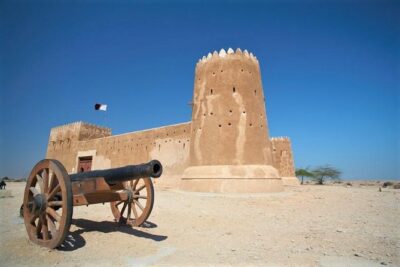
- Al Zubara Fort is the historical centerpiece: You get about an hour here, with time to see the fort and learn how the area became an archaeological site.
- Al Khor shows Qatar’s seafaring past: Traditional dhow boats share the harbor with modern vessels in a place once tied to fishing and the pearl trade.
- Jumail Abandoned Village adds atmosphere: This short stop gives you a look at old traditional buildings and a quieter stretch of coast.
- Pickup and transport make the tour easy: Hotel pickup within Doha, an air-conditioned vehicle, bottled water, tea, and coffee are included.
- A private option is available: Choose private travel if you want more control over questions, pace, and conversation.
Why North Qatar is worth your time
Doha can give you polished museums, modern architecture, and a quick sense of Qatar’s wealth. North Qatar gives you something different: fishing harbors, old settlements, coastal plants, and fortifications connected to the country’s earlier economy.
I see this as a good first excursion if you have already seen the central sights of Doha. It does not try to turn the north into a major adventure. Instead, it connects several modest but meaningful places, showing how Qatar developed around the sea, trade, water sources, and coastal settlements.
The tour is also practical for a short visit. At $52 per person, you are paying for transport from Doha, a guide, and several stops spread across the northern part of the country. That is fair value if you would otherwise need to hire a car or arrange a private driver. A shared tour keeps the cost down, while a private group gives you a more personal setting.
A few more North Qatar trips worth comparing
- North Qatar Half-Day Tour: Al Zubarah, Purple Island & Mangroves
★ 5.0 · 337 reviews - North Qatar Tour | Zubara Fort | Purple Island | Mangros Colony
★ 5.0 · 323 reviews - Doha North Qatar Tour Zubara Fort, Mangroves, Jumail Village
★ 4.9 · 267 reviews
The drive north from Doha
Pickup is available from hotels within Doha City. You are asked to provide your hotel name or full address at checkout, along with a WhatsApp contact so the guide can reach you. Airport pickup is possible at Gate 4 in the pickup area of Hamad International Airport, while cruise passengers should contact the operator before booking their transfer.
The drive toward the north takes about 50 minutes in a Jeep or SUV. This is not dead time. Guides such as Arum have been praised for explaining Qatar’s daily life, work, education, industry, and past while driving between stops. That matters because the itinerary includes a fair amount of road travel, and a good explanation helps connect the places you see.
The vehicle is air-conditioned, and bottled water is included. Tea and coffee are also provided. Food is not included, so eat before departure or plan around the tour’s timing. The listed duration is four hours, though the schedule also gives 270 minutes, or four and a half hours. Allow some flexibility rather than planning a tight connection immediately afterward.
Al Thakira Mangroves and Purple Island
The first major stop is Al Thakira Mangroves Forest, described as the largest and oldest mangrove forest in the area. After the dry, open scenery outside Doha, the greenery can feel surprising. The mangroves grow beside shallow coastal water and provide a home for animals, making this one of the tour’s most unusual settings.
You get about 30 minutes with a guided visit here. That is enough to see the plants, take photographs, and appreciate the contrast between the mangrove water and the surrounding dry country. It is not enough for a long nature walk or a slow wildlife study, so keep your expectations in check. This is a short scenic stop, not a full nature expedition.
Purple Island is visited next, with another 30-minute guided stop. The name refers to the island’s setting and its connection to Qatar’s coastal past. The area gives you more open views and another chance to see how closely the country’s natural spaces are tied to the sea.
I would pay attention to the guide here rather than simply taking photographs. The value of this part of the tour is the explanation of how coastal plants, fishing, shell gathering, and settlement shaped life in northern Qatar. The green mangroves are the visual highlight, while the guide’s background turns the scenery into a story.
The short stop can feel rushed if you want plenty of time by the water. If your priority is birdwatching, extended photography, or a boat outing, this tour may not give you enough time. If you want a broad introduction to the area, the quick pace works well.
Al Zubara Fort and Qatar’s early coastal history
The tour then reaches Al Zubara Fort for about an hour. This is the most substantial stop and the place where the historical side of the trip comes into focus.
The fort is presented as a classic Arab fort from earlier centuries, with sturdy walls and a simple defensive design. It is connected with the nearby Al Zubarah archaeological area, a UNESCO World Heritage Site associated with an old coastal settlement and Qatar’s trade history.
Your guide explains when the area became an archaeological site and how the settlement changed over time. The fort itself is not a huge complex, so the explanation is important. Without context, you may see a compact old fort and move on quickly. With a guide, you can understand its link to the town, the coast, trade routes, and the people who once lived and worked here.
This is also the best place to ask questions. Past visitors have especially valued guides who explain the history clearly and make room for conversation. Arum is frequently praised for answering questions in detail, while Muzzi is noted for clear communication and good hospitality. Guide assignment can vary, so you should not assume one particular person will lead your tour.
Bring a phone or camera if you enjoy architectural photographs. The fort’s position and old walls create strong images, but the visit is just as useful for understanding the settlement around it. If you only have time for one historical site on this excursion, this is the one to prioritize.
A completely different sort of day out of North Qatar:
- North of Qatar Tour to Olafur Eliasson Zubara Fort Jumail Village
★ 5.0 · 157 reviews - North of Qatar Tour, Zubara Fort, Mangroves, Jumail Village
★ 5.0 · 94 reviews - Qatar: Combo Tour of the North and West with Pickup
★ 4.7 · 78 reviews - Eco Kayaking Adventure – Mangrove Exploration at Purple Island
★ 5.0 · 74 reviews
Jumail Abandoned Village
The final major stop is Jumail Abandoned Village, listed as a 30-minute visit with guided sightseeing and views along the way. This is a different kind of historical site from Al Zubara Fort. Instead of a restored or clearly presented building, you see the remains of a traditional settlement that has been left quiet.
The abandoned village helps you picture the scale and feel of older coastal communities. Its empty buildings and open setting offer a sharp contrast to modern Doha. The stop is brief, but it adds an emotional note to the day: Qatar’s past is not only represented by forts and museums. It also survives in places that were simply left behind.
The wording used for the northern sites can be confusing because Al Zubara Fort, Al Zubara, and Jumail Abandoned Village are separate names. The schedule identifies the village as Jumail, while the promotional description also refers to an abandoned traditional Qatari village in the Al Zubara area. Ask your guide to clarify the names and connections as you go.
Do not expect a fully restored village with extensive exhibits. The appeal is the setting, the quiet, and the chance to see old buildings in place. You may find this stop more atmospheric than informative on its own, so the guide’s explanation adds real value.
Al Khor Harbor and the old fishing economy
The general tour description includes Al Khor Harbor as a key stop, though the detailed timed itinerary places the mangroves first and does not assign a separate duration to the harbor. Confirm the exact sequence when you book, since timing can vary between private and shared departures.
Al Khor was an early center for fishing and pearl gathering. At the harbor, you can see traditional dhow boats beside modern vessels, a simple visual reminder of how quickly Qatar’s coastal economy changed.
This is one of the best places to connect the natural and historical parts of the trip. The mangroves and islands show the coastal environment, while Al Khor shows how people used that coast. The boats help make the story concrete.
The harbor may appeal most to people interested in working communities rather than grand monuments. You are not visiting a large museum or formal attraction. You are getting a short look at a functioning coastal place with older maritime traditions still visible.
What the guide adds to the experience
The guide is the difference between a pleasant drive with photo stops and a useful introduction to northern Qatar. The advertised language is English, and the experience includes a licensed live guide.
The strongest guide-led moments are likely to come during the drives and at Al Zubara Fort. Guides have been praised for explaining Qatar’s history, the pearl trade, fishing, local life, immigration, education, and industry. That range is helpful because the sites themselves are spread out and often modest in size.
Arum is the guide most often named in the supplied feedback, with Muzzi and Mozzi also mentioned. The spelling varies, and guide assignment is not guaranteed. The consistent point is that the experience depends on clear explanation, friendly communication, and willingness to answer questions.
If you want a quiet private outing, select the private option. It is especially useful for couples, families, or anyone who prefers to spend longer at the fort and less time at a stop that interests them less. Shared tours cost less and can still work well, but the pace and conversation are less flexible.
Is the $52 price good value?
For $52 per person, the tour offers a useful package: hotel pickup and drop-off, round-trip transport in an air-conditioned vehicle, a licensed guide, bottled water, tea, and coffee. You are also covering several distant sites in one outing.
The price makes the most sense for visitors without a rental car. Northern Qatar is spread out, and reaching the mangroves, fort, village, and harbor independently takes planning. A private taxi arrangement could cost more, while a shared tour keeps the price accessible.
The main value is not the length of each individual stop. Most visits are short, and the tour covers a lot of ground. You are paying for the route, transport, and interpretation rather than hours at one attraction.
Food is not included. Since the trip lasts around four to four and a half hours, this is easy to manage, but you should not expect a meal stop to be part of the package.
Who should book this North Qatar tour?
I would recommend it to first-time visitors who want to see beyond Doha but do not want to rent a car. It suits anyone interested in Qatar’s old fishing economy, coastal nature, forts, and abandoned settlements.
It is also a good choice for solo visitors who want an organized outing. Airport pickup can be arranged at the specified gate, and hotel pickup removes much of the day’s practical work. A private group is worth considering if you want a more personal experience.
Families can benefit from the air-conditioned transport and short stops, though younger children may find the historical explanations less engaging. Photography fans will like the mangroves, boats, fort, and village, but serious nature photographers may want more time than this schedule allows.
I would think twice if you want a slow, unstructured day or a long beach visit. This is a sightseeing circuit with several stops, not a relaxed coastal retreat. The route is most rewarding when you enjoy moving between different pieces of Qatar’s past and present.
Free cancellation is available up to 24 hours before departure, and you can reserve now and pay later. Starting times vary, so check availability before making other plans.
Should you book it?
Book this tour if you want an efficient introduction to northern Qatar and value a guide who can explain what you are seeing. The strongest combination is Al Thakira Mangroves and Al Zubara Fort, with the harbor and Jumail Abandoned Village adding useful context.
Choose the private option if you want more flexibility. Choose shared travel if price matters most and you are comfortable with a brisk schedule. Either way, expect a broad half-day portrait of Qatar beyond Doha, not a deep visit to any single site.
FAQ
How long does the North Qatar tour last?
The activity is advertised as four hours, while the detailed schedule also lists 270 minutes. You should allow roughly four to four and a half hours.
Where does pickup take place?
Pickup is available from hotels within Doha City. You need to provide the hotel name or complete address when booking.
Is airport pickup available?
Yes. For direct airport pickup, proceed to Gate 4 in the pickup area of Hamad International Airport.
Can cruise passengers use the pickup service?
Cruise passengers should contact the tour operator before the tour to arrange the correct pickup details.
What language is the tour conducted in?
The live tour guide language is English.
Is the tour private or shared?
Both options are available, depending on the option selected. A private group can be arranged.
What places are included?
The route includes Al Thakira Mangroves Forest, Purple Island, Al Zubara Fort, and Jumail Abandoned Village. Al Khor Harbor is also included in the described experience, though its exact timing may vary.
Is food included?
No. Food is not included, but bottled water, tea, and coffee are provided.
Can I cancel for a full refund?
Yes. You can cancel up to 24 hours in advance for a full refund. You can also reserve now and pay later.
Newest North Qatar trips on the site
- Qatar: Full day City and North Qatar tour | History and Heritage★ 4.5 · 26 reviews
- Combo Culture & Adventure: North Qatar Heritage & Desert Safari★ 5.0 · 23 reviews
- Explore North of Qatar: Visit Zubarah Fort and Fishing Town of Al Khor★ 5.0 · 24 reviews
- Doha-Qatar North Tour, Zubara Fort, Mangroves, purple island★ 4.8 · 25 reviews
- Doha: Zubara UNESCO Site, Mangroves & Jumail Village★ 5.0 · 39 reviews
- North Qatar: Zubara Fort, Jumail Village, Thakhira Mangroves★ 5.0 · 41 reviews
- Doha: Private North Qatar Tour, Mangroves, & Zubara Fort★ 4.8 · 30 reviews
- Doha North Qatar Tour Zubara Fort, Mangroves, Jumail Village★ 4.9 · 267 reviews
North Qatar Tours, compared.
North Qatar Half-Day Tour: Al Zubarah, Purple Island & Mangroves
Read our review →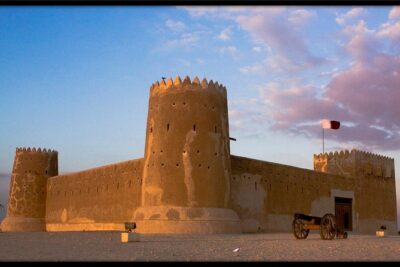
North Qatar Tour | Zubara Fort | Purple Island | Mangros Colony
Read our review →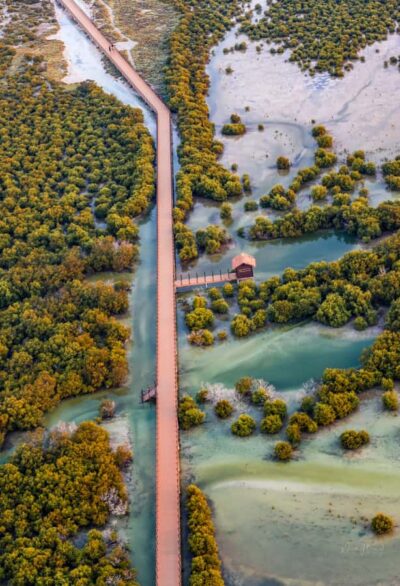
Doha North Qatar Tour Zubara Fort, Mangroves, Jumail Village
Read our review →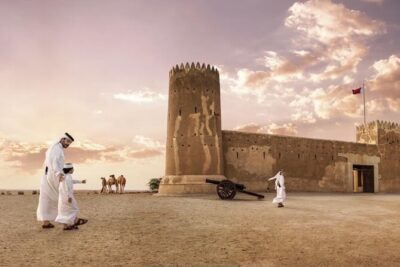
North of Qatar Tour to Olafur Eliasson Zubara Fort Jumail Village
Read our review →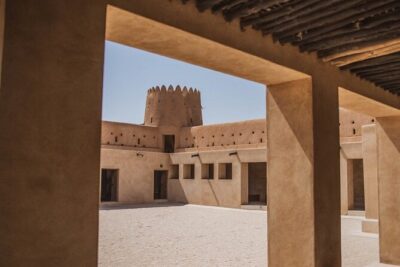
North of Qatar Tour, Zubara Fort, Mangroves, Jumail Village
Read our review →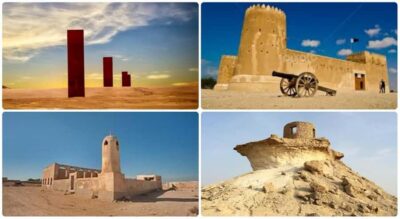
Qatar: Combo Tour of the North and West with Pickup
Read our review →
Eco Kayaking Adventure – Mangrove Exploration at Purple Island
Read our review →
Private North of Qatar: Zubara Fort | Jumail Village | Al-Thakhira Mangroves
Read our review →Browse the lists this tour appears in