
Reviewed · NORTH QATAR TOURS
Doha: North Qatar, Purple Island, and Mangroves Guided Tour
Northern Qatar tells a different story from Doha’s towers. At Al Khor harbor, old fishing work, pearl trade, and ship repair give you a clear sense of how coastal communities lived before the modern city arrived. I like that this private tour links working waterfronts with archaeological sites and quiet natural areas in one half-day outing.
I also like the air-conditioned private vehicle and the guides’ flexible approach. Omer, Gulraiz, Ali, Muzzi, and others have been praised for safe driving, patient answers, and useful local explanations. The main drawback is the distance: much of the tour happens from the car, and the heat can make outdoor stops brief.
Key points to know before booking
- Al Khor harbor shows Qatar before oil and skyscrapers, with fishing traditions and an old ship repair yard.
- Purple Island and Al Thakira mangroves add a welcome change of pace, with bird watching and kayaking possible in the area, though activities are not included.
- Zubara Fort connects the northern coast to Qatar’s military and trading past, with a museum inside the fort.
- Al Jumail gives you a look at a traditional village left behind, a striking contrast to Doha’s modern skyline.
- Private transport makes the long northern route easier, especially in hot weather.
- Guide quality matters here, and named guides including Omer, Gulraiz, Ali, and Muzzi have been praised for friendly conversation and flexibility.
Leaving Doha for Qatar’s northern coast
The tour begins with pickup anywhere in Doha, followed by a half-day trip in an air-conditioned vehicle. You receive bottled water, and the guide handles the driving, so you can watch the scenery and ask questions instead of worrying about roads or directions.
This is a useful choice if you have already seen Doha’s museums, souqs, and waterfront, and want to understand more about the country beyond the capital. Northern Qatar is quieter, more open, and more closely tied to fishing, pearling, coastal trade, and village life.
The drive is part of the experience, but it also requires patience. The major stops are spread out, so you will spend a fair amount of time on the road. That makes a private vehicle especially valuable. Several guides have been praised for safe driving, flexible pickup and drop-off arrangements, and a willingness to stop and explain places along the route.
Omer has been described as particularly patient and easy to talk with. Gulraiz has been praised for explaining not only the main stops but also the areas passed along the way. Ali is noted for arranging pickup well in advance and allowing plenty of time at the sites. These details matter because a northern Qatar tour depends as much on the guide as on the monuments.
A few more North Qatar trips worth comparing
- North Qatar Half-Day Tour: Al Zubarah, Purple Island & Mangroves
★ 5.0 · 337 reviews - North Qatar Tour | Zubara Fort | Purple Island | Mangros Colony
★ 5.0 · 323 reviews - Doha North Qatar Tour Zubara Fort, Mangroves, Jumail Village
★ 4.9 · 267 reviews
Al Khor harbor and the old coastal economy
Al Khor harbor is the first major stop, and it gives the tour a strong historical opening. Before Qatar’s modern wealth, coastal towns depended heavily on fishing, pearling, boatbuilding, and repair work. Al Khor was an important center for those trades.
You can see the harbor and the old ship repair and renovation yard. The sight is not polished in the way a museum exhibit is. That is part of its value. Boats, working waterfront details, and the shape of the harbor help you picture how people made a living here.
I would pay close attention to your guide at this stop. The physical remains are only part of the story. A guide can explain how fishing and pearl gathering shaped local communities, and how these coastal activities fit into Qatar’s larger past.
The harbor is also a good place to adjust your expectations. This is not a theme park or a tightly staged cultural show. It is a working area with historical meaning. If you want grand architecture at every stop, you may find it modest. If you want a more grounded look at Qatar’s earlier coastal life, it is one of the most useful parts of the day.
Purple Island and Al Thakira’s mangroves
The route continues toward Purple Island and the Al Thakira mangroves. These sites bring nature into a tour otherwise focused on buildings, villages, and history.
Purple Island is associated with Al Khor and offers a different view of northern Qatar. The name refers to the area’s connection with the production of purple dye in earlier times. The tour information does not promise a separate boat ride or a special activity here, so treat it as a scenic and historical stop rather than a full excursion.
Al Thakira is one of the most appealing places on the route. Its mangrove forest feels far removed from Doha’s roads and towers. The shallow coastal environment supports bird watching, and kayaking is possible in the area. Kayaking is not included in this tour, so you should not book it expecting equipment or a guided paddle.
The mangroves are best understood as a quiet pause. You can look across the water, notice the unusual plant life, and enjoy a part of Qatar that many short city itineraries skip. The setting also shows how varied the country can be. Qatar is not only sand, highways, and construction. Its northern coast includes tidal water, mudflats, and mangrove growth.
The main limitation is the weather. Heat and bright sun can make the outdoor portions demanding, especially in the warmer months. Wear light clothing, bring your passport or ID card, and use the supplied water. If you hope to spend a long time outdoors, ask the guide about the day’s timing and conditions.
Zubara Fort and Qatar’s northern past
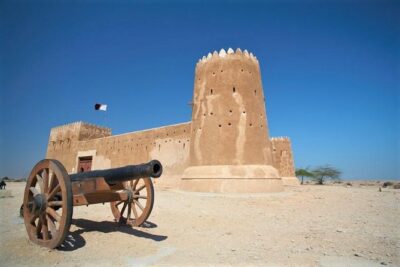
Zubara Fort is the historical centerpiece of the trip. The fort dates from the 20th century and was built by Sheikh Abdullah bin Jassim Al Thani in 1938 to serve as a coast guard station. Its thick walls were designed to remain cooler during Qatar’s hot summers.
The fort is recognized by UNESCO as part of the cultural heritage of northern Qatar. Inside, it functions as a museum with artworks and exhibits connected to archaeological finds and local history. You can use the visit to picture the practical side of life along the coast: watching the shoreline, protecting an important area, and maintaining a post in a remote setting.
The architecture is simple but purposeful. This is a traditional Arab fort, built for protection rather than decoration. The walls, towers, and compact layout make more sense when you consider the heat and the fort’s coastal role.
I like this stop because it gives structure to the rest of the tour. Al Khor shows the coastal economy, while Zubara gives you a defensive and administrative site connected to the same northern region. Together, they help explain why this part of Qatar mattered.
Allow your guide to fill in the gaps. The fort itself cannot explain every detail of military life, trade, or settlement patterns. Guides such as Omer and Gulraiz have been praised for answering questions about both past and present Qatar, which is especially useful at a place where context adds much of the value.
A completely different sort of day out of North Qatar:
- Doha: North Qatar Guide Expedition with Pickup & Drop-Off
★ 4.8 · 225 reviews - North of Qatar Tour to Olafur Eliasson Zubara Fort Jumail Village
★ 5.0 · 157 reviews - North of Qatar Tour, Zubara Fort, Mangroves, Jumail Village
★ 5.0 · 94 reviews - Qatar: Combo Tour of the North and West with Pickup
★ 4.7 · 78 reviews
Al Jumail and the remains of village life
Near the end of the route, you can see Al Jumail, an abandoned traditional Qatari village. The remains offer a sharp contrast to the polished modernity of Doha.
An abandoned village can be easy to misunderstand. You will not find a fully restored open-air museum with signs at every turn. Instead, the interest comes from the traces of older domestic life and the sense of a community that once depended on the northern coast.
The stop works best when you take your time and let the guide explain what you are seeing. The village is presented as part of the traditional northern side of Qatar, so it adds a human scale to the fort and harbor. You are not only looking at a military building or a shoreline. You are also seeing where families once lived and worked.
This is another place where the private format helps. A fixed group itinerary can make abandoned sites feel rushed. With a private guide, you can ask questions, take photographs, and spend more or less time at a stop. One guest reported that the tour lasted about five hours instead of four because of frequent photographs. That flexibility is useful, though the exact timing can vary.
What the private format adds
At $62 per person, the price is reasonable if you value door-to-door transport and a personal guide. The tour includes pickup and drop-off in Doha, an air-conditioned vehicle, bottled water, and guiding in English or Arabic. Food is not included.
The value depends partly on group size, which is not specified. A private tour usually makes the most sense for couples, families, or small groups who want control over the pace. You are paying not only for transport but also for the convenience of covering several northern sites without arranging a car yourself.
The long route is easier in a comfortable vehicle. Qatar’s heat can turn a simple outdoor visit into hard work, so reliable air conditioning is not a minor extra. It also means you can return to a cool car between stops.
The cost is less attractive if you want a full nature activity, a meal, or extended time at one archaeological site. Kayaking is not included, and there is no food provided. This is primarily a sightseeing and cultural trip by road.
The guides can shape the whole day
The strongest part of this experience may be the person in the front seat. Omer has been praised for clear explanations, patience, and a relaxed manner. Gulraiz has been described as friendly and well informed about the sites and the areas along the route. Muzzi has been praised for explaining local culture and history while making the trip feel personal.
Ali has received credit for organizing pickup early, adjusting locations, supplying water, and driving safely. One useful criticism is that he did not always explain the sights during the drive or at the stops. That is a fair reminder to ask questions directly if your guide is quieter.
This tour does not require a lecture at every minute. Still, the northern sites benefit from interpretation. If history is your main reason for booking, tell the guide at the start. Ask about fishing, pearl work, village life, the fort, and the changes that took place in Qatar during the 20th century.
The guides speak English and Arabic. You can expect a conversational style rather than a large group presentation. That suits people who prefer to ask questions and shape the day as they go.
Practical advice for a smoother outing
Bring your passport or ID card, as requested for the tour. Wear clothing suited to hot outdoor conditions, and bring protection from the sun. Bottled water is supplied, but drinking it steadily is sensible during the outdoor stops.
Do not plan a large meal around the tour unless you arrange it separately. Food is not included. The safest assumption is that this is a sightseeing day with water provided, not a food tour.
Keep your schedule slightly flexible. The advertised format is half-day, but stops can take longer when you want photographs or detailed explanations. One tour extended to about five hours, so avoid placing an important appointment immediately after the return.
The activity is offered with free cancellation up to 24 hours in advance, and you can reserve now and pay later. Those terms are useful if your Doha plans are still shifting, though you should still check the exact conditions when booking.
Who should book this North Qatar tour?
I would recommend it to anyone who wants to get beyond Doha without renting a car. It suits history fans, first-time visitors who want a wider view of Qatar, families who prefer a private vehicle, and photographers interested in forts, old villages, boats, and coastal scenery.
It is also a good match for people who enjoy conversation. A strong guide can turn a long drive into a moving history lesson, and the private format gives you room to ask questions.
I would hesitate if you want a packed outdoor adventure or a long kayaking session. The tour includes visits to the mangroves and Purple Island, but it does not include kayaking, meals, or other paid activities. Much of the day is spent traveling between locations.
Should you book it?
Book this tour if you want a practical, comfortable introduction to northern Qatar’s coastal past. Al Khor harbor, Zubara Fort, and Al Jumail work together particularly well, while the mangroves add a quiet natural break.
The best reason to choose it is the combination of private transport and guide-led context. Ask for detailed explanations, allow extra time for photographs, and expect heat and road time. At $62 per person, it offers solid value for seeing several distant sites in one outing, especially when your priority is history, scenery, and a glimpse of Qatar beyond Doha.
FAQ
Where does the tour start and finish?
The tour includes pickup from any location in Doha and drop-off at your hotel in Doha.
How long is the experience?
It is described as a half-day tour. The exact duration can vary, and one outing lasted about five hours because of extra time for photographs.
What places are included?
The route includes Al Khor harbor, Purple Island, the Al Thakira mangroves, Zubara Fort, and the abandoned village of Al Jumail.
Is transportation provided?
Yes. The tour uses a comfortable, air-conditioned vehicle, with pickup and drop-off in Doha included.
Is kayaking included at the mangroves?
No. Kayaking is possible in the Al Thakira mangroves area, but it is not listed as an included part of this tour.
Is food included?
No. Food is not included. Bottled water is provided.
What languages are available?
Guiding is available in English and Arabic.
What should I bring?
Bring your passport or ID card. Protection from the sun and suitable clothing for hot outdoor conditions are also practical choices.
Newest North Qatar trips on the site
- Qatar: Full day City and North Qatar tour | History and Heritage★ 4.5 · 26 reviews
- Combo Culture & Adventure: North Qatar Heritage & Desert Safari★ 5.0 · 23 reviews
- Explore North of Qatar: Visit Zubarah Fort and Fishing Town of Al Khor★ 5.0 · 24 reviews
- Doha-Qatar North Tour, Zubara Fort, Mangroves, purple island★ 4.8 · 25 reviews
- Doha: Zubara UNESCO Site, Mangroves & Jumail Village★ 5.0 · 39 reviews
- North Qatar: Zubara Fort, Jumail Village, Thakhira Mangroves★ 5.0 · 41 reviews
- Doha: Private North Qatar Tour, Mangroves, & Zubara Fort★ 4.8 · 30 reviews
- Doha North Qatar Tour Zubara Fort, Mangroves, Jumail Village★ 4.9 · 267 reviews
North Qatar Tours, compared.
North Qatar Half-Day Tour: Al Zubarah, Purple Island & Mangroves
Read our review →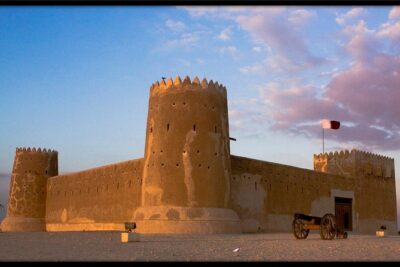
North Qatar Tour | Zubara Fort | Purple Island | Mangros Colony
Read our review →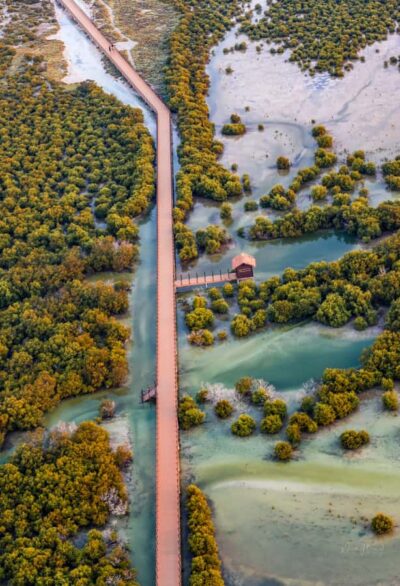
Doha North Qatar Tour Zubara Fort, Mangroves, Jumail Village
Read our review →North Qatar Guide Expedition with Pickup & Drop-Off
Read our review →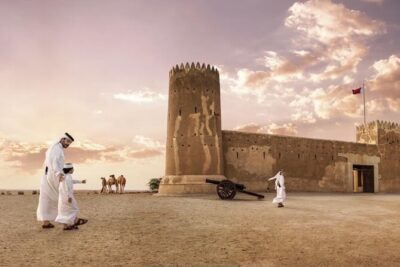
North of Qatar Tour to Olafur Eliasson Zubara Fort Jumail Village
Read our review →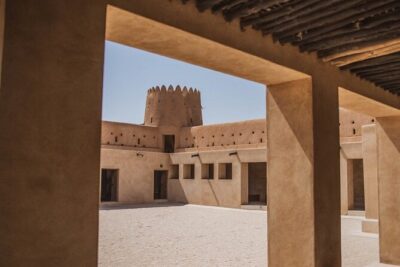
North of Qatar Tour, Zubara Fort, Mangroves, Jumail Village
Read our review →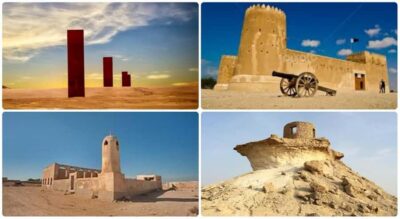
Qatar: Combo Tour of the North and West with Pickup
Read our review →
Eco Kayaking Adventure – Mangrove Exploration at Purple Island
Read our review →Browse the lists this tour appears in