
Reviewed · FORTS & ANCIENT SITES
North Qatar Tour | Zubara Fort | Purple Island | Mangros Colony
North Qatar’s best surprise is how quickly the city gives way to quiet coast, mangroves, old ports, and desert roads. This four-to-five-hour private outing links several far-flung places that are awkward to reach without your own car, including Al Khor, Purple Island, Zubara Fort, and the abandoned village of Al Jumail.
I like the easy hotel or airport pickup, and I like having a driver-guide who can explain what you are seeing instead of leaving you to guess. Guides such as Usman, Adil, Bilal, and Abdur Rahman have been praised for friendly service, safe driving, useful local details, and small touches such as refreshments or karak tea.
The tradeoff is simple: this is a driving tour with short visits, not a full day of museum time or outdoor adventure. Some stops are sparse, and the long stretches between them may feel slow if you want constant activity.
Key points to know before you go
- See four very different sides of northern Qatar: Al Khor’s working waterfront, Purple Island’s mangroves, Zubara’s fort, and Al Jumail’s abandoned village.
- Travel in a private group of up to six: The small size makes it easier to ask questions and adjust the pace within the planned route.
- Expect a history-focused outing: Pearling, fishing, military defense, and the growth of Qatar’s oil and gas economy shape the story.
- Allow four to five hours: The tour covers a wide area, so time in the vehicle is part of the experience.
- Look for a strong guide match: Usman, Adil, Bilal, Tariq, Farouk, Khaled, Naser, and Abdur Rahman are among the guides praised for warmth and clear commentary.
- Know that some stops are brief: The fort and mangroves offer the most to see, while Al Khor and Al Jumail can feel more modest.
Why northern Qatar is worth the drive
Doha can absorb your whole visit. Its museums, souqs, towers, and modern waterfront are easy to reach, but they show only one side of Qatar. This tour takes you north, where the pace is slower and the story is tied to pearling, fishing, coastal trade, and later energy development.
I like this route because it gives you contrast rather than one large attraction. You see boats and working waterfront scenery in Al Khor, wetland vegetation at Purple Island, a restored military building at Zubara, and the remains of a village left behind as the country changed.
The private transport matters here. The sites are spread out, and the northern route is much easier when someone else handles navigation. Pickup is offered from your selected hotel, location, or airport, and the vehicle is air-conditioned. The group limit is six, which is a useful middle ground: more personal than a large coach, but usually less costly than arranging a completely separate full-day car service.
The advertised price is $77 per person. I see the value mainly in the transport and time saved. You are not paying only for entry to the sites, since the listed stops have no admission charge. You are paying to connect places that are difficult to combine without a car, with a guide supplying context along the way.
More Forts & Ancient Sites in North Qatar
- Doha North Qatar Tour Zubara Fort, Mangroves, Jumail Village
★ 4.9 · 267 reviews - North of Qatar Tour to Olafur Eliasson Zubara Fort Jumail Village
★ 5.0 · 157 reviews - North of Qatar Tour, Zubara Fort, Mangroves, Jumail Village
★ 5.0 · 94 reviews
Al Khor: boats, coast, and Qatar’s pearling past
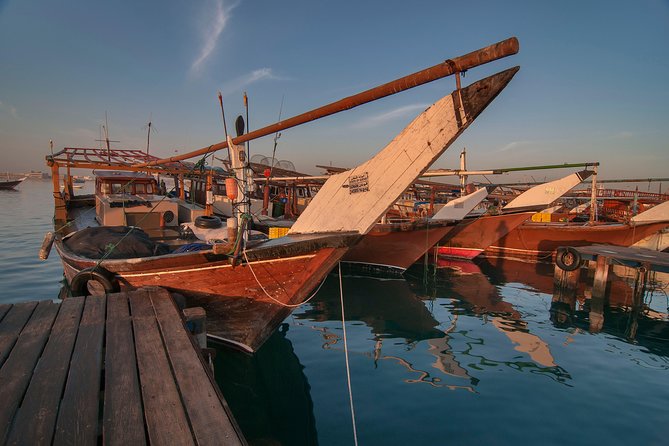
Al Khor is about 50 kilometers north of Doha and is one of Qatar’s larger cities. The stop gives you an introduction to the northern coast and a chance to see traditional dhow boats, a useful visual link to Qatar’s maritime past.
The city also has a modern connection to the country’s energy economy. It is close to northern oil and natural gas fields and Ras Laffan Industrial City, so the area reflects both older coastal life and the industries that transformed Qatar.
You should keep your expectations measured. Al Khor is not presented as a long walking tour with a packed list of monuments. It is a short orientation stop, usually around 45 minutes, and much of its value comes from the guide’s explanation and the wider route.
I would pay attention to the transition here. The point is not simply to photograph boats. It is to understand how a coastal settlement connected to pearling and fishing now sits near major energy infrastructure. That contrast helps make the rest of the day easier to understand.
Purple Island and the mangroves
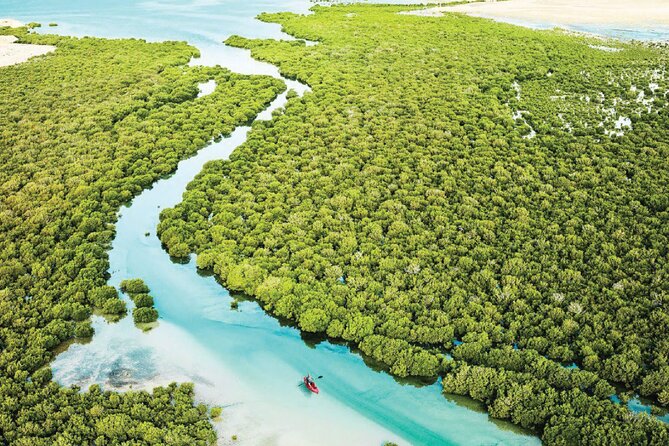
Purple Island, also called Al Khor Island, is the most unusual natural stop on the route. It is a small island connected to the mainland by a narrow path, with breaks that let water move toward the mangrove forest.
The mangroves are striking because they appear in a dry coastal setting. You get a chance to see how saltwater wetlands can exist beside Qatar’s desert terrain, with low vegetation and shallow water creating a habitat for wildlife.
The listed visit lasts about 30 minutes. That is enough for a look around and photographs, but not enough for a long nature outing. The route does not promise kayaking, a boat ride, or a guided wildlife walk, so you should treat this as a short stop rather than an activity-based excursion.
Wear shoes you can walk in comfortably, and bring sun protection. The information provided does not promise shade or facilities, so it is sensible to prepare for an exposed outdoor visit. The best part is the change of scene: after the city and the road, the mangrove area gives you a quieter and more natural pause.
Several people rate this as one of the memorable parts of the outing because the setting feels unexpected. At the same time, one practical point is worth stressing: mangroves are best appreciated with realistic expectations. You will see a small wetland area, not a huge protected reserve.
Zubara Fort and the short film
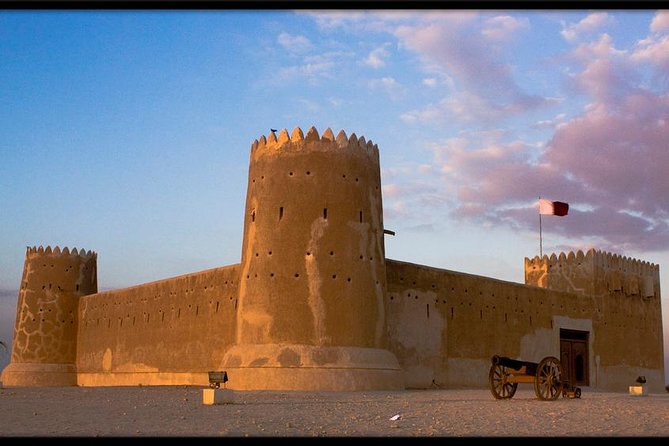
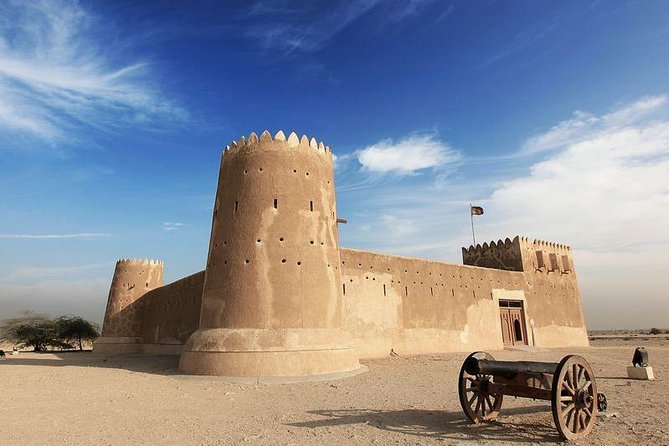
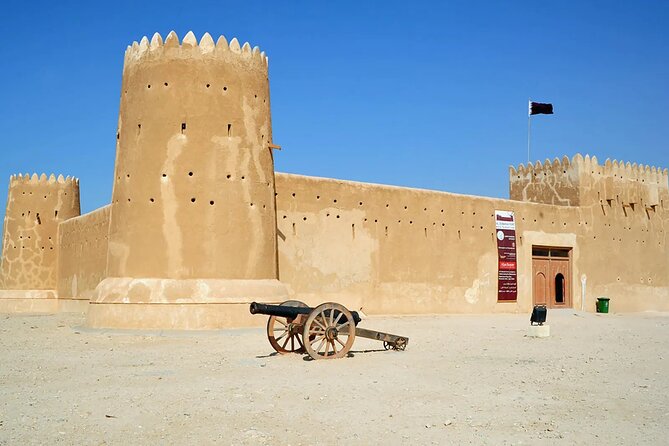
Zubara Fort is the main cultural stop. The fortress was built in 1938 under the oversight of Sheikh Abdullah bin Jassim Al Thani, and its military design gives the tour a clear physical link to Qatar’s past.
The visit generally lasts about 45 minutes. That is enough to walk around the fort, take in its shape, and spend time with the museum material. A short film inside the fort has been especially useful for putting pearling and coastal life into context.
I like the film because it gives the stop a stronger narrative than the building alone can provide. A fort can otherwise become a quick photo stop. Here, the presentation helps explain how pearling supported communities before oil and gas reshaped the country.
The fort is also where your guide can add the most value. Guides such as Usman, Adil, Farouk, and Abdur Rahman have been praised for explaining local culture and history in an approachable way. The quality of the visit will depend partly on how much you ask, so use the drive and the fort stop to raise questions.
Do not expect a huge complex filled with rooms or exhibits. This is a compact site, and the experience is strongest when you care about the story behind the building. If you prefer large museums with many galleries, the fort may feel limited. If you want a clear introduction to Qatar’s earlier coastal economy, it does its job well.
A completely different sort of day out of North Qatar:
- North Qatar Half-Day Tour: Al Zubarah, Purple Island & Mangroves
★ 5.0 · 337 reviews - Doha: North Qatar Guide Expedition with Pickup & Drop-Off
★ 4.8 · 225 reviews - Qatar: Combo Tour of the North and West with Pickup
★ 4.7 · 78 reviews - Eco Kayaking Adventure – Mangrove Exploration at Purple Island
★ 5.0 · 74 reviews
Al Jumail: an abandoned village in transition
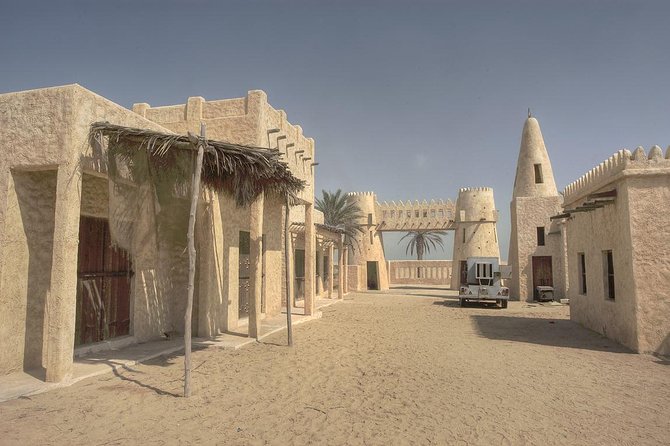
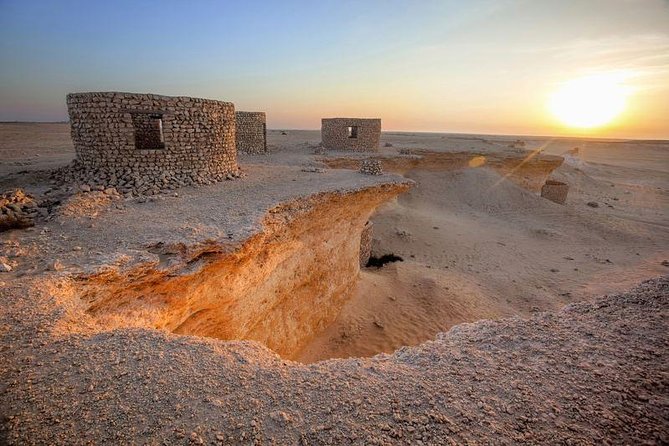
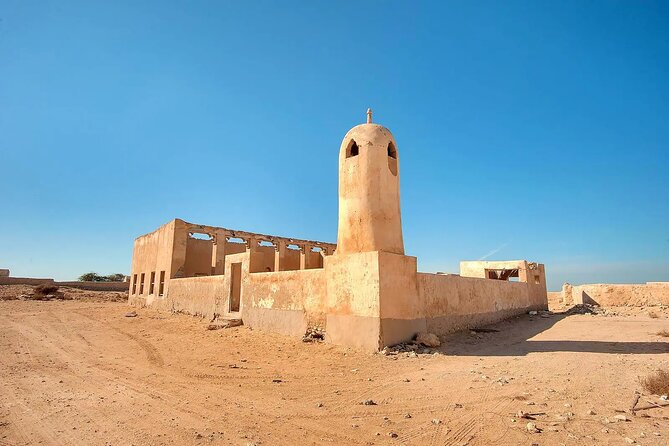
Al Jumail is an abandoned pearling and fishing village in northeastern Qatar. It was founded in the 19th century and remained inhabited into the 20th century, before the oil and gas economy brought major change.
The name is linked to the Arabic word jameel, meaning beautiful, in reference to trees that grow in the area throughout the year. An early British survey from the 1820s recorded the village under the name Yamale, giving the site an additional connection to the old mapping of the Gulf.
This is a quiet stop, and that is both its appeal and its limitation. You will not find a busy attraction with many services. Instead, you get a chance to look at the remains of a community and think about the speed of Qatar’s economic change.
The listed stop is about 45 minutes. The guide’s explanation matters here because the physical remains may not tell the whole story by themselves. Ask about the village’s pearling and fishing role, and about how communities changed when petroleum and gas became central to the economy.
Some people find Al Jumail fascinating as a place of atmosphere and historical change. Others may feel there is not much to see on the ground. I would place it in the category of a meaningful stop for curious visitors, but not a major attraction on its own.
What the guide adds to the day
This experience depends heavily on the driver-guide. The route crosses a wide area, and the best guides turn the time in the car into part of the tour rather than dead time.
Usman is praised for welcoming questions and giving clear information at each place. Adil is described as funny, accommodating, and attentive to making good use of limited time. Bilal is noted for explaining the route and local culture while offering karak tea, a small detail that can make the outing feel more personal.
Abdur Rahman is praised for combining historical information with careful attention to comfort. Tariq is noted for friendly service and safe driving, while Farouk is credited with making the longer drive pleasant through useful explanations. Khaled, Naser, Abdullah, Asim, and Daqir are also named as guides who provided courteous service, good driving, or strong local detail.
Guide assignments can vary, so you should not book expecting one particular person unless the operator confirms it. Still, the repeated pattern is useful: the human side of the tour is one of its main strengths. A good guide can help you see why a modest coastal stop matters.
There was also one practical communication problem reported, involving confusion between the tour office and the driver about the itinerary and possible extra charges when the trip reached five hours. Because the stated duration is four to five hours, confirm the expected timing and included route at pickup. That small check can prevent an avoidable disagreement.
Timing, comfort, and the real pace
The tour lasts approximately four to five hours, including pickup and driving. The pickup service may arrive within 45 minutes of your selected booking time, and the tour begins at the time of pickup. You should avoid scheduling a tight appointment immediately afterward.
The route is comfortable in an air-conditioned vehicle, but it is not a short city excursion. The northern sites are spread out, and driving is part of the deal. If you enjoy watching Qatar change from city to coast and desert, the road time adds context. If you want an attraction every few minutes, you may find the pace too slow.
The maximum group size is six. That is especially helpful at the fort and Al Jumail, where questions and conversation can shape the visit. It also avoids the feeling of being moved through the day in a large crowd.
Most people can participate, but the supplied information does not provide detailed accessibility notes. If you have specific mobility needs, ask the operator before booking. The experience requires good weather, and a cancellation caused by poor conditions should result in either another date or a full refund.
Who should book this North Qatar tour?
I would choose this tour for a first visit to Qatar, a Doha stopover, or a trip where you want to see more than the capital without renting a car. It works particularly well for people interested in pearling, fishing, local history, and the country’s rapid economic change.
It also suits couples, families, and small groups who prefer a private vehicle and the freedom to ask questions. The four-hour format gives you a useful sample of northern Qatar without taking up a full day.
I would think twice if your priority is active nature travel, long walks, or major museum collections. Purple Island is a short mangrove stop, Zubara Fort is compact, and Al Jumail is intentionally sparse. The tour is about connecting places and stories, not filling every minute with entertainment.
At $77 per person, the value is strongest when you factor in hotel or airport pickup, private air-conditioned transport, a group limit of six, and a guide who can make sense of the route. Since admission at the listed stops is free, the price is mainly for convenience, driving, and interpretation.
Should you book it?
Book this North Qatar tour if you want an efficient way to get beyond Doha and you are comfortable with several hours on the road. The mangroves at Purple Island and the film at Zubara Fort give the day its clearest highlights, while Al Khor and Al Jumail add useful context about coastal life and Qatar’s transformation.
Skip it if you want a packed attraction schedule or a major outdoor activity. For most first-time visitors, though, this is a sensible introduction to the quieter northern side of the country. Confirm the pickup timing, expected five-hour limit, and planned stops before setting out, then let the guide fill in the details.
FAQ
How long does the North Qatar tour last?
The experience lasts approximately four to five hours, including pickup and the drive between sites.
Where does pickup take place?
Pickup is offered from your selected hotel, location, or airport in Doha. The pickup service is expected to arrive within 45 minutes of the designated booking time.
How many people can join the tour?
The tour has a maximum of six travelers, making it a small private group experience.
What places does the tour visit?
The route includes Doha pickup, Al Khor, Purple Island, Al Zubara Fort, and Al Jumail.
Is admission included at the stops?
The listed stops have no admission charge. The experience price covers the tour service and transport rather than separate entry tickets.
What is special about Purple Island?
Purple Island, also called Al Khor Island, is connected to the mainland by a narrow path and includes mangroves where water flows toward the wetland area.
Is the tour suitable for most people?
Most travelers can participate. The available information does not give detailed accessibility guidance, so contact the provider if you have specific mobility requirements.
What happens if the weather is poor?
The experience requires good weather. If it is canceled because of poor conditions, you will be offered a different date or a full refund. You can also cancel up to 24 hours before the start time for a full refund.
Newest North Qatar trips on the site
- Qatar: Full day City and North Qatar tour | History and Heritage★ 4.5 · 26 reviews
- Combo Culture & Adventure: North Qatar Heritage & Desert Safari★ 5.0 · 23 reviews
- Explore North of Qatar: Visit Zubarah Fort and Fishing Town of Al Khor★ 5.0 · 24 reviews
- Doha-Qatar North Tour, Zubara Fort, Mangroves, purple island★ 4.8 · 25 reviews
- Doha: Zubara UNESCO Site, Mangroves & Jumail Village★ 5.0 · 39 reviews
- North Qatar: Zubara Fort, Jumail Village, Thakhira Mangroves★ 5.0 · 41 reviews
- Doha: Private North Qatar Tour, Mangroves, & Zubara Fort★ 4.8 · 30 reviews
- North of Qatar Tour to Olafur Eliasson Zubara Fort Jumail Village★ 5.0 · 157 reviews
Forts & Ancient Sites, compared.

Luxury Desert Fortress Dinner, Camel Ride & Live Shows
Read our review →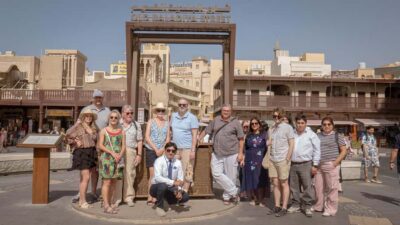


Dune Buggy Experience and Dinner at Mleiha Archaeological Center
Read our review →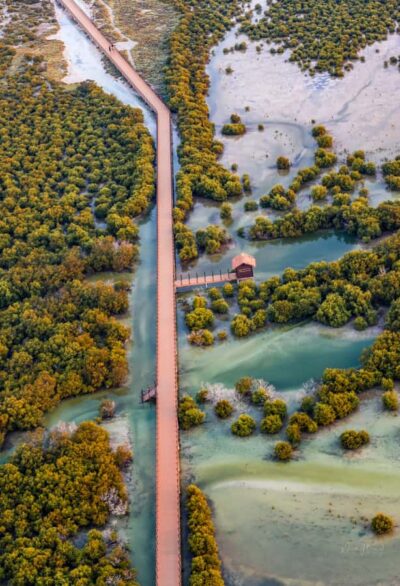
Doha North Qatar Tour Zubara Fort, Mangroves, Jumail Village
Read our review →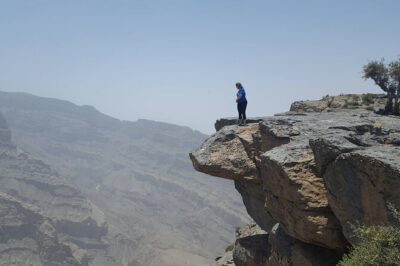
Nizwa Fort-Nizwa Souq-Misfah Al Arbyeen-Jebel Shams – Private Full Day Tour
Read our review →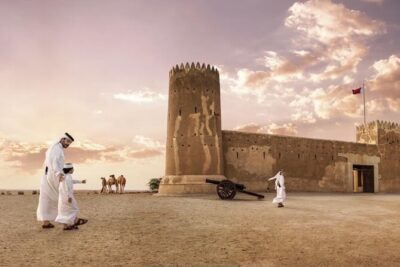
North of Qatar Tour to Olafur Eliasson Zubara Fort Jumail Village
Read our review →
Private Old Dubai Walking Tour: Forts, Souks, and Boats
Read our review →Browse the lists this tour appears in