
Reviewed · CITY TOURS
PRIVATE city Tour of authentic Tripoli and vibrant Batroun
Tripoli gives you a side of Lebanon that feels very different from Beirut. You’ll walk through old souks where craftspeople still work, explore Citadel Saint Gilles, and stop at Hallab 1881, a sweets institution dating to 1881. The day then shifts north to Batroun, where a Phoenician wall, seaside streets, cafés, beaches, breweries, and wineries give the outing a slower finish.
I like the contrast between Tripoli’s working old city and Batroun’s easy coastal mood. I also like that guide Dave, also identified as David, explains not only ancient and medieval history but recent Lebanese events and daily life. The main thing to consider is the walking in warm weather, especially through Tripoli, so bring water, sun protection, and comfortable shoes.
Key points at a glance
- Tripoli’s old souks: See a working market district rather than a polished sightseeing zone, with local crafts and traditional shops.
- Citadel Saint Gilles: Spend about an hour at a Crusader fortress with Ottoman, Mamluk, and Crusader gateways.
- Hallab 1881 sweets: Taste Lebanese pastries and hear explanations of the different flavors from the staff.
- Batroun’s Phoenician wall: End the day beside an ancient coastal remnant in a town known for cafés, beaches, breweries, and wineries.
- Dave’s guiding style: Expect clear English, strong knowledge of Lebanese history, personal stories, humor, and flexibility.
- Small-group format: The vehicle can carry no more than 15 people, with hotel pickup and drop-off included.
Why this northern Lebanon day trip works
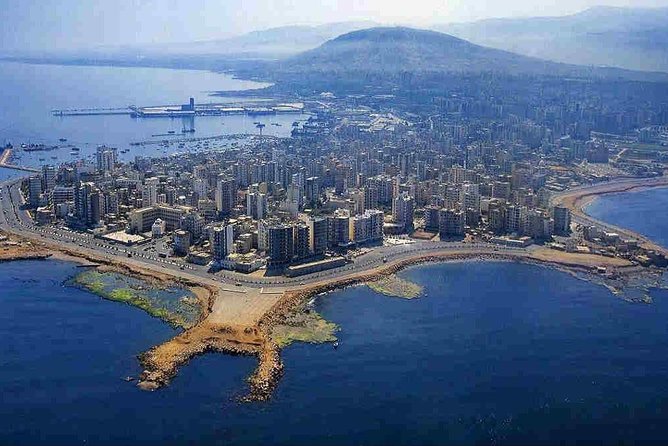
This outing covers two places with sharply different personalities. Tripoli is a large northern city with a strong local rhythm, old commercial streets, and an atmosphere that feels less geared to international tourism than Beirut. Batroun is smaller and more relaxed, with the sea close by and a mix of ancient remains, cafés, accommodation, and drink producers.
That contrast is the real point of the day. You are not simply collecting monuments. You are seeing how Lebanese history appears in two living cities: in Tripoli’s market lanes and fortress, then in Batroun’s shorefront setting and Phoenician remains.
The tour lasts about six to seven hours, beginning at 9:00 a.m. Pickup and return to your Beirut hotel are included. That matters in Lebanon, where arranging transport between several northern stops can take time and attention. Fuel charges, local taxes, and the driver-guide are included too, so the listed price of $113.34 per person is easier to judge as a complete transport-and-guiding package rather than as a simple sightseeing ticket.
Lunch is not included. You should plan to buy food during the day, or ask the guide what fits the timing. The schedule gives a full day of sightseeing, but it is not presented as a food tour or a long restaurant stop.
More City Tours in Beirut:
- City Sightseeing Beirut Hop-On Hop-Off Bus Tour
★ 4.5 · 87 reviews - Dubai: City Sightseeing HOHO Bus Tour + Sunset & Night Tour
★ 4.3 · 6,442 reviews - Dubai Old and Modern City Tour with Blue Mosque Visit
★ 5.0 · 3,624 reviews
Entering Tripoli through the old souks
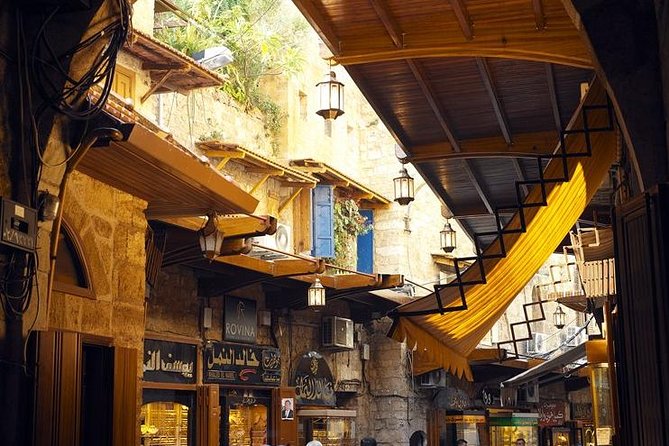
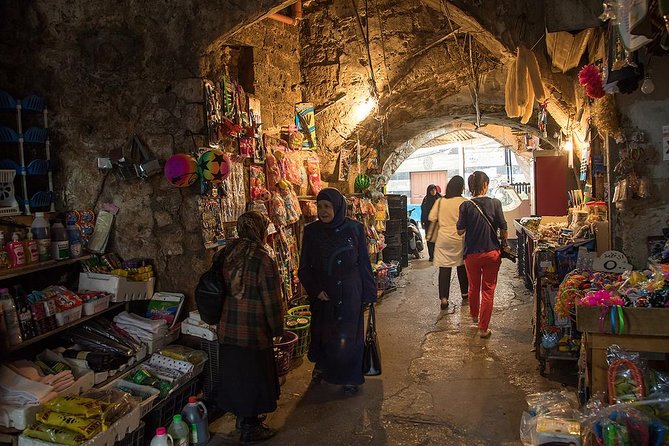
Tripoli is the heart of this experience. The old souks are not just a row of picturesque lanes for photographs. They are working streets, with shops, traditional trades, and people going about their day. That makes the visit more rewarding than a quick drive past the city.
You’ll have the chance to see local craftspeople at work and to understand how commerce still shapes the old center. The setting can feel busy and rough around the edges, which is part of its value. If you want a highly polished historic quarter, Tripoli may surprise you. If you want a place that feels lived in, it delivers.
The walking requires a moderate level of fitness. You may be on your feet in warm temperatures, and some of the old streets can make a comfortable pair of shoes more useful than smart footwear. Smart casual dress is requested, so pack for respectful city sightseeing rather than beachwear.
Dave’s role is especially important here. Several parts of Tripoli’s story can be difficult to grasp without context, particularly when the city’s past and Lebanon’s recent troubles overlap. Dave has been praised for using clear comparisons and everyday explanations, helping you follow complicated subjects without turning the tour into a lecture.
He also talks about life in Lebanon today, not only dates and rulers. That personal perspective is one of the strongest reasons to choose a guided visit instead of trying to walk through Tripoli with a map and a few labels.
Citadel Saint Gilles and its three gateways
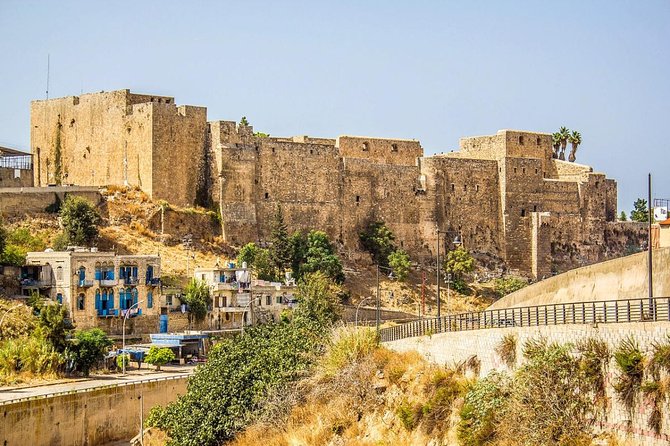
The Citadel Saint Gilles, also called Qal’at Sinjil, rises above Tripoli and the river. Its original construction dates to 1103 and 1104, during the Crusader period. The fortress was burned in 1297 and partly rebuilt in the following century by a Mamluk emir.
The site is still used by the Lebanese military, so this is not a fully open archaeological park. You’ll see an impressive structure, with the entrance as its strongest feature. A moat leads to three gateways linked to different periods: Ottoman, Mamluk, and Crusader.
That mixture gives the visit extra interest. You are not looking at one frozen moment in time. The fortress changed as power shifted, and its walls reflect several layers of rule. Inside, information panels and a small museum help put the architecture into context.
About an hour is allocated here. That is enough time to look around and hear the main story without turning the stop into an exhausting history lesson. The site does involve walking and some physical effort, so anyone with mobility concerns should take the moderate fitness requirement seriously.
I like this stop because it gives Tripoli a clear visual landmark after the close quarters of the souks. The market shows the city at street level. The citadel lets you look across it from above and understand why this position mattered.
Hallab 1881, where the sweet stop earns its place
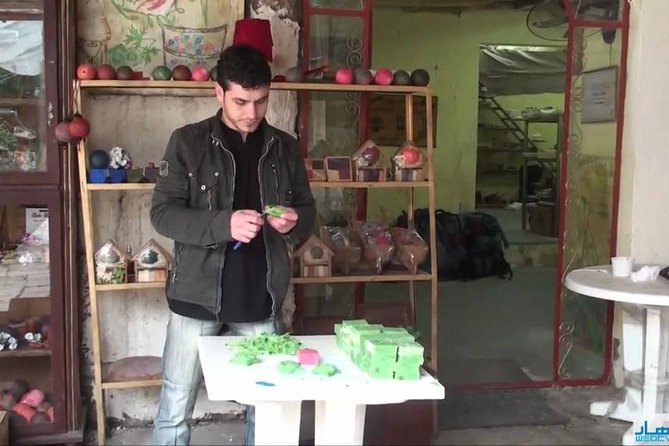
Lebanese sweets are not treated as a minor snack on this tour. At قصر الحلو Hallab 1881, you’ll visit a family sweets business that began in 1881 and has become one of Tripoli’s best-known culinary names.
The stop lasts about an hour and includes admission. You can expect more than baklava. The shop presents a wide range of pastries and other traditional sweets, and the chef is available to explain the different flavors and styles.
This is a useful place to slow down after the fortress and market walking. It also gives you a direct taste of Tripoli’s food culture without requiring a long restaurant meal. If you have a sweet tooth, this may be the most memorable part of the day. If you prefer savory food, the stop still offers cultural context, but it will not replace lunch.
The quantity and variety can make it hard to know where to start. Ask for guidance rather than choosing at random. You may find flavors and textures that are unfamiliar, and sampling with an explanation makes the experience more useful than simply buying a boxed assortment.
This is also where Dave’s informal style seems to work well. He has been praised for talking about Lebanese food alongside history, buildings, and daily life. The result is a stop that feels tied to Tripoli rather than added as a generic shopping break.
A few more Beirut trips worth comparing
- Guided Small-Group Tour to Jeita, Harissa, Byblos with Lunch
★ 5.0 · 361 reviews - Jeita Grotto,Harissa&Byblos Full-Day PRIVATE-CAR Trip from Beirut
★ 5.0 · 222 reviews - Jeita Grotto – Harissa – Byblos Trip
★ 5.0 · 169 reviews - Byblos, Jeita Grotto & Harissa Day Trip -With Lunch (4G on Board)
★ 4.5 · 145 reviews
Batroun’s Phoenician wall and coastal change of pace
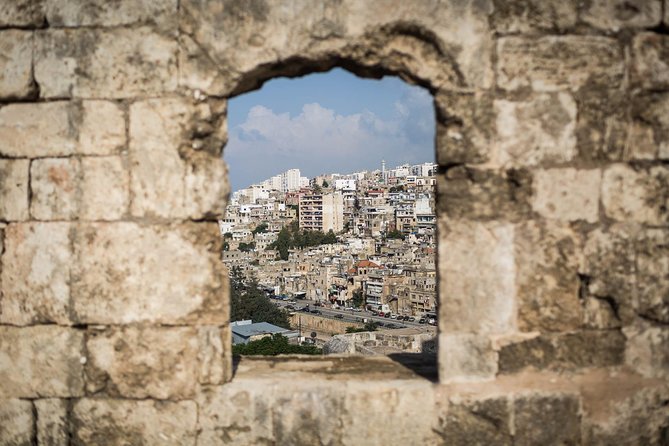
Batroun provides the day’s change of mood. The town is known for a Phoenician coastal setting, old streets, beaches, bed-and-breakfasts, breweries, wineries, and cafés. The Phoenician wall is the scheduled focus, with about 45 minutes at the stop and no admission charge.
The wall is not a massive monument that takes hours to explore. Its appeal comes from the setting and the connection between ancient construction and a living seaside town. You can see a piece of Batroun’s early past, then notice how the town functions today as a place for food, drinks, accommodation, and time by the water.
This part of the tour may appeal most if you want some breathing room after Tripoli. The pace feels less intense, and the town’s coastal character gives the itinerary a useful balance. Still, 45 minutes is a short visit. You should not expect a long beach stay, a winery tour, or a brewery tasting unless those details are separately arranged.
The tour description places ruins and cafés together in Batroun, but the confirmed stop is the Phoenician wall. Keep that distinction in mind when planning your expectations. You will get an introduction to the town, not a full exploration of every attraction it offers.
Dave’s guiding style and the small-group setup
The guide can make or break a day that covers complex history and several stops. Here, Dave is repeatedly described as passionate about Lebanon, highly informed, funny, attentive, and fluent in English. He also brings personal experience into his explanations, including recent events and ordinary life in the country.
That matters most during the drive. The road time between Beirut, Tripoli, and Batroun is not treated as empty transit. Dave uses it to explain Lebanon’s past and present, and some outings have included music on the return journey because he is a musician. That kind of personal touch will appeal to you if you prefer a guide who feels engaged with the country rather than simply reciting prepared facts.
The tour has a maximum of 15 people. That is small enough for questions and conversation, though it is not necessarily a private car for every booking. The experience is described as a private city tour, but the supplied details also specify a group maximum and a minimum number required to operate, so confirm the exact group arrangement when booking if that distinction matters to you.
One useful sign of flexibility is that Dave has accommodated requested attractions when possible. You should ask about any priority before the day begins rather than assuming every extra stop can be added. The listed schedule is already full, and traffic or timing can limit changes.
Is $113.34 a fair price?
At $113.34 per person, this is not the cheapest way to reach Tripoli and Batroun. It can still be good value if you want hotel pickup, return transport, a driver-guide, local history, and help moving between several northern Lebanese sights in one day.
The price includes fuel surcharge, local taxes, the guide, and hotel pickup and drop-off. Citadel Saint Gilles and Hallab 1881 admission are included as well. Lunch is the main obvious extra, along with any personal purchases at the sweets stop.
The value improves if you are staying in Beirut and do not want to arrange intercity transport yourself. It also improves if you care about context. A driver who can explain Lebanon’s complicated history, point out details during the journey, and adjust the day when possible offers more than a vehicle transfer.
The value is weaker for someone who wants a slow, independent day with plenty of time at each site. This schedule combines three main stops, transport, and guiding in six to seven hours. You will see a lot, but you will not have unlimited time for cafés, shopping, or wandering.
The tour is often booked about nine days ahead. That gives you a useful planning guide, especially if your Lebanon trip has fixed dates. Confirmation is normally sent at booking, though bookings made within 12 hours of departure are confirmed as soon as possible and depend on availability.
Practical advice before you leave Beirut
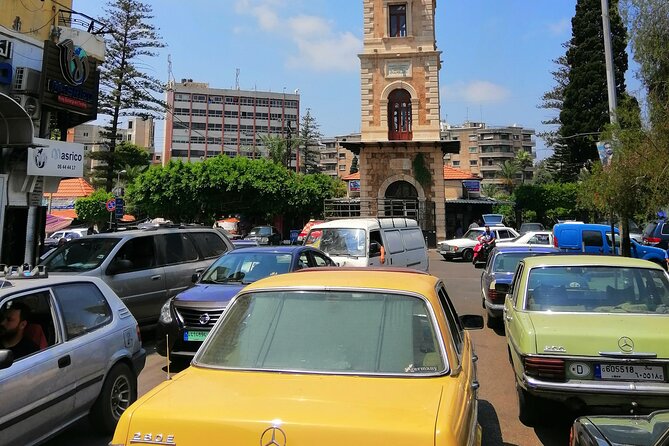
Wear comfortable shoes and bring water. The Tripoli section includes walking through old streets and around the citadel, and warm weather can make the day tiring.
Use sun protection, especially if you are visiting in a hot period. One of the most useful practical details for this tour is simply pacing yourself. The sweet stop provides a natural rest, but you should not count on it as a full meal or a cool-down period.
Choose smart casual clothing. That matches the stated dress code and works across the old city, fortress, sweets palace, and coastal town.
The experience requires moderate physical fitness. No detailed accessibility information is provided, so contact the provider before booking if stairs, uneven surfaces, or extended walking may be difficult for you.
Free cancellation is available up to 24 hours before the start time for a full refund. Changes or cancellations made inside that 24-hour window are not accepted and are not refunded. The cut-off uses local time.
Who should book this Tripoli and Batroun tour?
I would choose this tour if you are based in Beirut and want to understand more of northern Lebanon without arranging several transport legs yourself. It suits first-time visitors who want history explained in plain English, as well as people who prefer a guide who can discuss modern Lebanon alongside medieval and ancient sites.
It is also a good fit for solo visitors who want structured transport and a professional setting. One solo participant was given the tour even after the rest of the group cancelled, though you should not assume that will happen in every case because the activity requires a minimum number to operate.
Food lovers will appreciate the Hallab stop, while history fans get the citadel and Phoenician wall. You may also like it if you want to see a less international side of the country than Beirut.
I would hesitate if your priority is a long beach visit, an extensive food crawl, or a completely flexible private itinerary. Batroun receives only a short scheduled stop, and lunch is not included.
Should you book it?
Book this tour if you want a well-rounded northern Lebanon day with strong guiding, straightforward transport, and a clear mix of history, city life, sweets, and coast. The best parts are the working old souks of Tripoli, Dave’s personal explanations, the layered Citadel Saint Gilles, and the change of pace in Batroun.
Skip it if you dislike walking in warm weather or prefer to explore at your own slow pace. For most people with moderate fitness who want more than a quick photo stop, the $113.34 price is reasonable because it covers the guide, vehicle logistics, taxes, fuel surcharge, and key admissions. Plan for lunch, bring water, and give yourself enough time to book ahead.
FAQ
Where does the tour begin?
The tour begins with hotel pickup in Beirut at 9:00 a.m.
How long does the experience last?
The tour lasts approximately six to seven hours.
Is hotel pickup included?
Yes. Hotel pickup and drop-off are included.
Is lunch included in the price?
No. Lunch is not included.
What places are visited?
The scheduled stops are Batroun’s Phoenician Wall, Citadel Saint Gilles in Tripoli, and قصر الحلو Hallab 1881.
Is admission to Citadel Saint Gilles included?
Yes. Admission to Citadel Saint Gilles is included.
Is admission to Hallab 1881 included?
Yes. Admission to Hallab 1881 is included.
How many people can join the tour?
The activity has a maximum of 15 travelers and requires a minimum number of guests to operate.
What level of fitness is needed?
A moderate level of physical fitness is recommended because the experience includes walking.
What is the cancellation policy?
You can cancel at least 24 hours before the start time for a full refund. Cancellations or changes made less than 24 hours before the start time are not refunded or accepted.
Newest Beirut trips on the site
- Jeita Grotto, Byblos and Harissa Full-Day Tour from Beirut★ 5.0 · 23 reviews
- Paragliding Trip Over Lebanon – Jounieh Bay★ 5.0 · 257 reviews
- Paragliding activity in Lebanon★ 5.0 · 33 reviews
- First Paragliding Club in Lebanon – Since 1992★ 5.0 · 193 reviews
- Lebanon Wine Tasting Tour From Beirut★ 4.5 · 25 reviews
- Paragliding Trip Over Jounieh bay★ 5.0 · 33 reviews
- Chouwen Lake Hiking & Swimming★ 5.0 · 39 reviews
- City Sightseeing Beirut Hop-On Hop-Off Bus Tour★ 4.5 · 87 reviews
City Tours, compared.

City Sightseeing HOHO Bus Tour + Sunset & Night Tour
Read our review →
Dubai Old and Modern City Tour with Blue Mosque Visit
Read our review →
Small Group Abu Dhabi City and Sightseeing Tour From Dubai
Read our review →
Abu Dhabi Premium Full-Day Sightseeing Tour From Dubai
Read our review →
Half-Day City Tour with Blue Mosque, Creek, and Souks
Read our review →
Abu Dhabi Full-Day Sightseeing Tour from Dubai with Mosque Visit
Read our review →
Big Bus Dubai Hop-On, Hop-Off Sightseeing Tour by Open-Top Bus
Read our review →
Dubai Marina: Guided Sightseeing Tour by Speedboat
Read our review →Browse the lists this tour appears in