
Reviewed · FOOD TOURS
Authentic Lebanese Cooking Lesson and Meal with Tania’s Family in Beirut
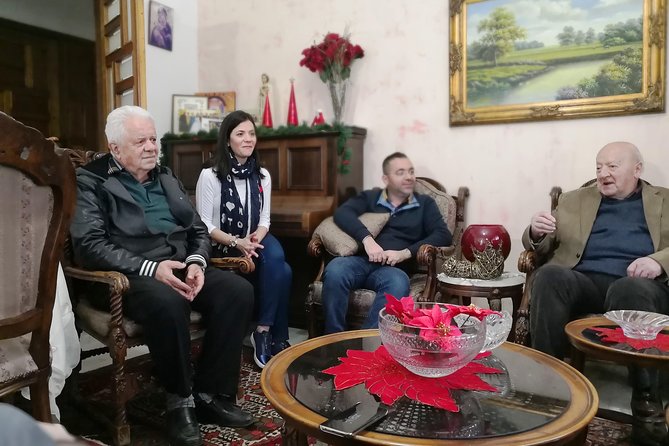
Lebanese cooking makes the most sense when you see it as family food, not just restaurant food. With Tania and her parents in their Beirut home, you prepare five traditional dishes, talk about food and daily life, then eat together around a home-cooked meal. Her mother’s family recipes and her father’s serious approach to meat give the lesson a personal touch that a standard kitchen class cannot match.
I like two things especially: the produce comes largely from her parents’ garden, and Tania brings more than recipes to the table. As an agronomist and food safety specialist, she can explain ingredients with practical detail, while her mother shows how these dishes are made at home. The main consideration is the price: at $100 per person, this is not a quick budget lunch, though the private format, food, drinks, instruction, and family welcome make the value easier to judge.
Key points to know before booking
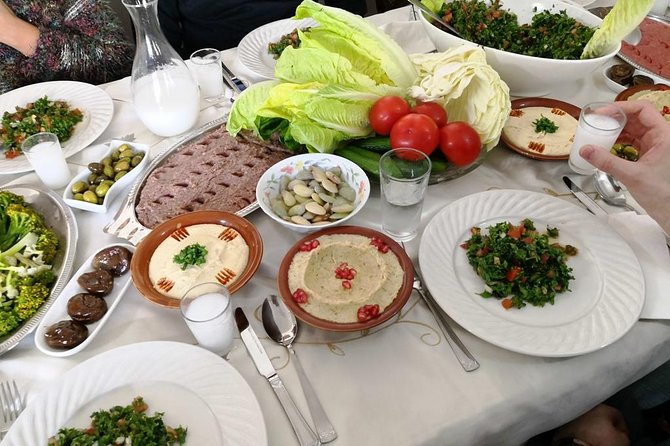
- Five Lebanese dishes: You take part in preparing a full spread, with examples including hummus, baba ganoush, eggplant salad, stuffed zucchini, kibbeh, and kibbeh naye.
- Tania hosts with her parents: Her mother is the family cook, while her father is a former butcher who grows fruits and vegetables outside Beirut.
- A real home setting: This is a private visit in Forn El Chebbak, not a large classroom or restaurant demonstration.
- Food and cultural conversation: Cooking opens the door to talk about Lebanese traditions, family routines, gardening, and local ingredients.
- Arak comes with the meal: The experience includes soft drinks and one or two glasses of local alcohol.
- Plan for about three hours: The listed start time is 11:00 am, and the experience ends back at the meeting point.
Cooking Lebanese food in Tania’s family kitchen
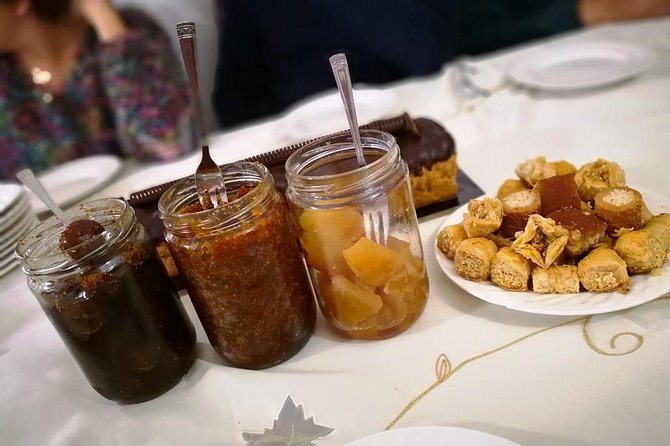
The appeal here is simple: you are not only watching someone cook. You are helping make the meal in the same family setting where these dishes have been prepared for years.
Tania is your main host. Her background in agronomy and food safety gives her a useful connection between the garden, the ingredient, and the plate. She also sings, plays piano, and enjoys travel, so the visit has room for conversation beyond measurements and cooking times.
Her mother brings the hands-on family knowledge. She has cooked traditional meals for the family all her life, using recipes passed down through the household. That matters because home cooking often depends on small habits that a printed recipe misses: how an eggplant should feel before roasting, how a filling should be seasoned, or how a dish is adjusted by eye.
Tania’s father adds a different perspective. He is a retired butcher and takes meat seriously, so dishes involving meat may come with practical advice that you will not get from a general food tour. He also grows fruits and vegetables in a garden on the outskirts of Beirut, giving the meal a clear link to local produce.
The family’s garden supplies much of the food used at home. The produce is described as local, fresh, and organic, though you should not assume every ingredient in the meal comes from the garden. The important point is that you can ask where the food comes from and how Lebanese families use what they grow.
More Cooking Classes in Beirut:
- Private Half Day Jerash Visit & Optional Cooking Class from Amman
★ 4.5 · 36 reviews - Suhaila (connecting through cooking)
★ 4.5 · 24 reviews
Five dishes, from hummus to kibbeh
The exact five dishes can vary, so I would not book expecting one fixed menu. The cooking examples connected with this experience include hummus, baba ganoush, eggplant salad, stuffed zucchini, kibbeh, and kibbeh naye.
That list gives you a good sense of the range. Hummus and baba ganoush introduce familiar staples, but the value is in seeing how a Lebanese home prepares them. Eggplant salad brings another way to handle a common ingredient. Stuffed zucchini shows the patience and care often involved in home cooking.
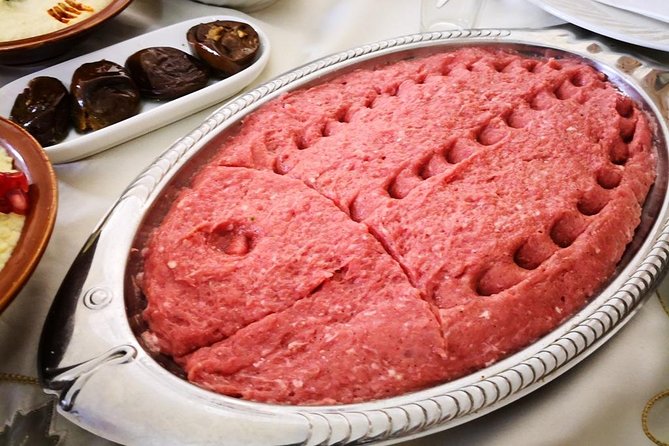
Kibbeh is particularly useful for understanding Lebanese cuisine. It is a dish where texture, seasoning, and preparation all matter. Kibbeh naye is a raw meat preparation, so anyone with food preferences or concerns should discuss the menu with Tania before booking. The information provided confirms that food allergies, dietary restrictions, and cooking preferences should be shared at the time of reservation.
A vegetarian option is available. If you do not eat meat, say so in advance rather than hoping to adjust the menu on the day. The same advice applies to allergies and other restrictions. You are booking a private activity, so there is room for a personalized plan, but the host needs the information early.
What the three-hour visit feels like
The listed meeting point is in Forn El Chebbak, and the start time is 11:00 am. Hotel pickup and drop-off are not included, so you need to arrange your own way to the meeting point and return from there.
Once the cooking begins, expect a relaxed sequence rather than a rushed demonstration. You help prepare the food, ask questions, and talk with Tania and her parents as the meal comes together. The kitchen setting keeps the group close to the action, though it also means this is not the right choice if you want a polished restaurant-style lesson with lots of space.
The family takes part in hosting. Tania leads the conversation and provides professional food insight, her mother shares traditional cooking methods, and her father helps with food and family stories. That mix gives the visit a natural rhythm. You are learning recipes, but you are also seeing how cooking functions as a social activity at home.
After the cooking, you sit down to eat what you have helped prepare. The meal includes non-alcoholic drinks and one or two glasses of arak, a local spirit commonly associated with Lebanese meals. Alcoholic beverages are included, but you can tell the host in advance if you do not want them.
The experience lasts about three hours. That is long enough for cooking and a proper meal, but short enough to fit into a day of exploring Beirut. I would avoid scheduling another fixed activity immediately afterward. Home meals rarely run with the precision of a museum entry slot, and conversation is part of the experience.
Why the family setting matters
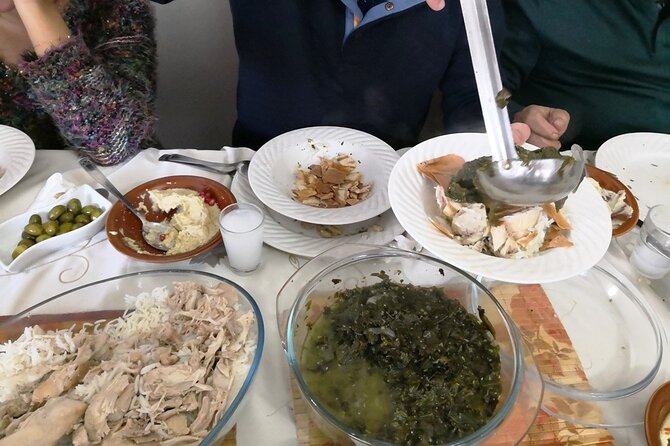
A cooking class can teach you how to follow a recipe. A meal in a family home can show you why the recipe matters.
Here, food is tied to gardening, work, family roles, and hospitality. Tania’s father grows produce. Her mother has spent a lifetime cooking for the household. Tania connects food with agriculture and safety. Each person gives you a different view of the same meal.
That is also why the experience is more personal than a general Beirut food walk. You are not moving from one commercial stop to another. You stay with one family and have time to ask about ingredients, traditions, and everyday life.
The conversation can range beyond cooking. One account of the experience describes Tania discussing her work and other ventures, while another highlights the warm welcome from Tania and both parents over coffee before the cooking began. These details suggest that the social side is not an afterthought. You should expect time for talking, not only instruction.
If you prefer to keep a tour tightly focused on food technique, this may feel less efficient. If you want to understand how a Lebanese family cooks, gardens, eats, and spends time together, that slower pace is the point.
More Food Tours in Beirut:
- Lebanon Wine Tasting Tour From Beirut
★ 4.5 · 25 reviews - Dubai: Old Town, Creek, Museums, Souks, & Street Food Tour
★ 4.8 · 10,816 reviews - Dubai: Old Town, Souks, Street Food, Guided Tour & Abra Ride
★ 4.9 · 7,170 reviews - Dubai: Old Town, Souks, Street Food, Guided Tour & Abra Ride
★ 5.0 · 1,664 reviews
The meal and the taste of Lebanese hospitality
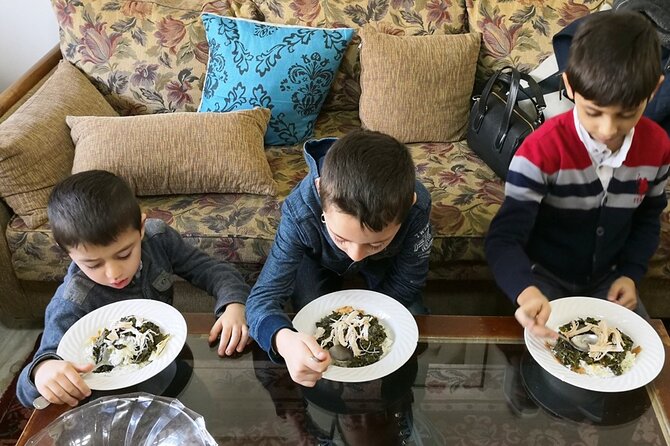
Come hungry. You will be cooking several dishes and then eating a full home meal, so a light breakfast is sensible if you are joining at 11:00 am.
The meal is served after the preparation, giving you the chance to taste the results while the methods are still fresh in your mind. This is useful for home cooks. You can compare the texture of the finished dish with what you saw during preparation and ask questions while the food is on the table.
Coffee may be part of the welcome, and soft drinks are included. The experience also includes one or two glasses of arak. Since the activity is private, you can let Tania know ahead of time about alcohol preferences, dietary needs, or ingredients you avoid.
The strongest part of the meal is likely to be its connection to the family. You are not simply sampling Lebanese dishes. You are eating food made with family recipes, with guidance from the person who has cooked them for years.
Do keep expectations sensible. The exact menu is not guaranteed in the details provided, and the setting is a home kitchen rather than a professional culinary school. You may leave with excellent cooking tips, but the main reward is the shared meal and the chance to talk with the people who made it.
Is $100 per person good value?
At $100 per person, this sits in the higher-priced range for a three-hour food activity in Beirut. The cost makes more sense when you count everything included: a private lesson, five dishes, a home-cooked meal, non-alcoholic drinks, one or two glasses of local alcohol, taxes, fees, and gratuities.
You are also paying for access. A family home, a personal kitchen, and a conversation with Tania’s parents are not experiences you can easily arrange on your own. The private format means your group is not combined with strangers, and the lesson can take your cooking preferences into account if you share them in advance.
For a solo diner or a couple focused mainly on finding the cheapest meal, the price may feel high. For people who would otherwise spend money on a restaurant meal and a separate food tour, the combination can be fair value.
Group discounts are available, which may improve the price for larger parties. Since the activity is private, it suits families and small groups who want time to ask questions without competing for the host’s attention.
I would think of the fee as payment for three parts: the meal, the instruction, and the personal access. If you value all three, the cost is easier to justify. If you only want to eat Lebanese food, a restaurant will cost less.
Who will enjoy this Beirut cooking experience?
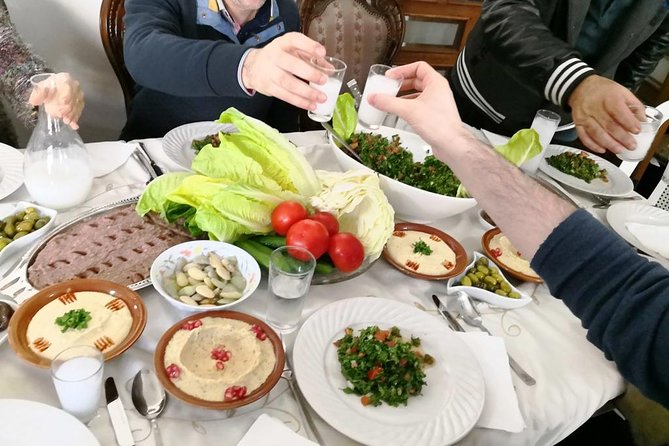
I would recommend it most strongly to people who like food as a doorway into local life. You do not need to be an experienced cook. Curiosity matters more than technique.
It is a good match for:
- Couples who want a private meal with a local family
- Families looking for a hands-on cultural activity
- Home cooks interested in Lebanese recipes
- Visitors who want to learn about garden produce and traditional food
- Vegetarians who notify the host in advance
- Small groups that prefer a personal visit over a large class
It may not suit you if you dislike close kitchen work, prefer a fixed menu, or want an activity that ends exactly on schedule. The home setting is part of the charm, but it also means the experience has a more informal pace.
The class is also a good choice for people who want conversation. Tania and her parents are not simply there to hand you ingredients. They help create a family meal and talk about food, work, gardening, and Lebanese traditions.
Practical details for planning your visit
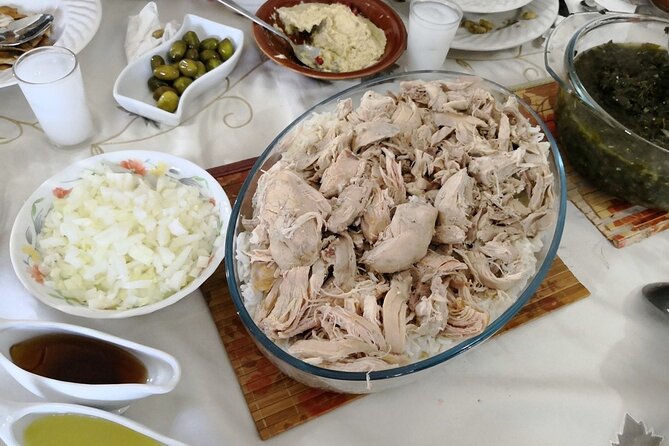
The meeting point is in Forn El Chebbak, Lebanon. There is no hotel pickup or drop-off, so plan your transport before the day of the experience.
The listed start time is 11:00 am, and the activity returns to the same meeting point after about three hours. Confirmation is provided when you book. Service animals are allowed.
Send all allergy information, dietary restrictions, and cooking preferences at booking. A vegetarian option is available, but you should request it in advance. The activity is private and personalized, with only your group taking part.
Cancellation is flexible up to two full days before the local start time, when you can receive a full refund. Cancellations or changes made less than two full days ahead are not accepted for a refund.
Should you book Tania’s family cooking lesson?
Book it if you want more than a list of Lebanese dishes. The strongest reason to go is the combination of family recipes, garden produce, and direct conversation with Tania, her mother, and her father.
I would especially choose it early in a Beirut visit. The meal can give you a better sense of the food you will encounter elsewhere, and Tania’s family can explain the difference between restaurant presentation and home cooking.
Skip it if your main goal is a low-cost meal or a tightly timed class. At $100, you should want the full experience: cooking, eating, talking, and spending time in a private Lebanese home. For that kind of cultural encounter, this is a thoughtful and unusually personal choice.
FAQ
Where does the cooking experience take place?
It takes place in a traditional Lebanese home in Forn El Chebbak, Lebanon.
What time does the activity start?
The listed start time is 11:00 am.
How long does the experience last?
The activity lasts approximately three hours.
How many people participate?
This is a private activity, so only your group participates.
How many dishes will I learn to cook?
You will learn to cook five authentic Lebanese dishes. The exact menu can vary.
Who hosts the experience?
Tania hosts the activity. She is an agronomist and food safety specialist. Her mother, a home chef, and her father, a retired butcher and gardener, also help with cooking and hosting.
Is a vegetarian option available?
Yes. A vegetarian option is available, but you should request it when booking.
Are drinks included?
Yes. Non-alcoholic beverages and one or two glasses of local alcohol, including arak, are included.
Is hotel transportation provided?
No. Hotel pickup and drop-off are not included. The activity starts and ends at the meeting point in Forn El Chebbak.
Newest Beirut trips on the site
- Jeita Grotto, Byblos and Harissa Full-Day Tour from Beirut★ 5.0 · 23 reviews
- Paragliding Trip Over Lebanon – Jounieh Bay★ 5.0 · 257 reviews
- Paragliding activity in Lebanon★ 5.0 · 33 reviews
- First Paragliding Club in Lebanon – Since 1992★ 5.0 · 193 reviews
- Lebanon Wine Tasting Tour From Beirut★ 4.5 · 25 reviews
- Paragliding Trip Over Jounieh bay★ 5.0 · 33 reviews
- Chouwen Lake Hiking & Swimming★ 5.0 · 39 reviews
- City Sightseeing Beirut Hop-On Hop-Off Bus Tour★ 4.5 · 87 reviews
Food Tours, compared.
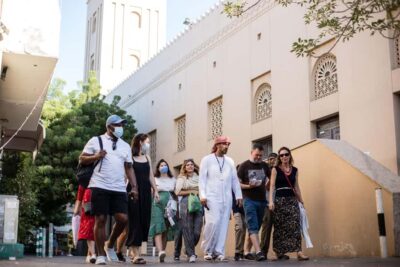
Old Town, Creek, Museums, Souks, & Street Food Tour
Read our review →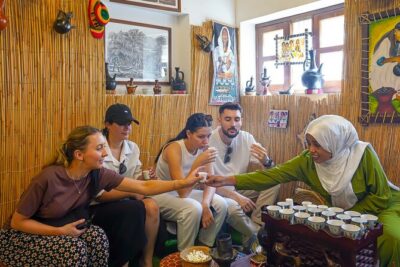
Old Town, Souks, Street Food, Guided Tour & Abra Ride
Read our review →Old Town, Souks, Street Food, Guided Tour & Abra Ride
Read our review →
Old Town, Street Food, Creek, Souks, & Emirati House
Read our review →
Dubai’s Best Desert Safari: Live Show & Gourmet BBQ Dinner
Read our review →
Dubai Harbour Super Yacht Experience with gourmet & Drinks
Read our review →
Dubai Premium Desert Safari with Live shows & Gourmet Dinner
Read our review →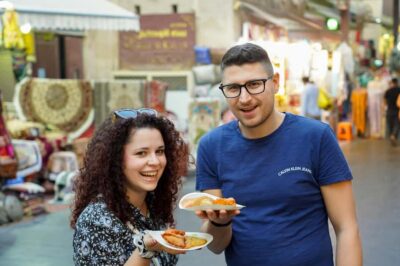
Old Dubai: Premium Guided Tour with Street Food & Abra Ride
Read our review →Browse the lists this tour appears in