
Reviewed · SHOPPING TOURS
Tel Aviv: Carmel Market & Tel Aviv Tour with Tastings
Tel Aviv’s story comes into focus on foot, from the restored Old Railway Station to the food stalls of Carmel Market. This four-hour route links city founders, palm-lined Rothschild Boulevard, street art, and familiar Israeli dishes in one useful introduction.
I like the mix of history and food, since you are not left staring at buildings without context. I also like the route through Nahalat Binyamin and Park HaMesila, two places that give the walk a more local, street-level feel than a standard city bus tour.
The main caution is timing. One detailed account found the food stops crowded together and the market portion finished in less than 90 minutes, so ask your guide to slow down if you still have a mouthful of kubbeh and the next tasting is already arriving.
Key points to know before you book
- Start at the Old Railway Station: Meet at the Textile Building at Kaufman 2 and begin near one of Tel Aviv’s notable transport-era landmarks.
- Street art in Nahalat Binyamin: The route adds colorful murals and creative city scenes before reaching the market.
- A founder-focused walk: Herzl Street and Rothschild Boulevard provide the setting for stories about Tel Aviv’s early builders.
- Market tastings included: Expect local foods such as falafel, kubbeh, and fresh juice, with exact choices changing by availability or holiday.
- Four hours on foot: The outing is split between roughly two hours of city sightseeing and two hours around Carmel Market.
- Check meeting details carefully: One booking failed after the participant said no meeting instructions arrived, so confirm the start point and contact details before the day.
From Kaufman 2 to Tel Aviv’s old railway tracks

The tour begins at the Textile Building, Kaufman 2, near the Old Railway Station. That start gives the outing a clear sense of place. You are not simply dropped into the middle of a shopping street. You begin with a part of Tel Aviv tied to movement, trade, and the city’s growth.
From there, the first half is a guided walking tour lasting about two hours. The pace is intended to be comfortable, but this remains a city walk, not a seated sightseeing trip. Wear shoes that can handle several hours on pavement, and bring water, especially during warm weather.
The Old Railway Station is a useful opening stop because it helps connect present-day Tel Aviv with the period when rail travel shaped links through the region. The supplied information does not give a detailed description of the station buildings or a specific talk, so your guide’s explanation will shape how much historical depth you receive here.
That point matters. A guide who tells a clear story can make the route feel connected. Without that context, the station risks becoming only a starting photograph. The tour is built around a live English-speaking guide, so pay attention at the opening and ask questions early if you want more background.
More Shopping Tours in Tel Aviv:
- Carmel Market Tasting Tour – LocaLocal
★ 5.0 · 140 reviews - Tel Aviv: Jaffa & Carmel Market Walking Tour
★ 4.7 · 60 reviews - Tel Aviv: 2-Hour Carmel Market Tour in English with Lunch
★ 4.8 · 23 reviews
Park HaMesila and the quieter side of the route
The path continues through Park HaMesila. The park follows the old railway corridor and gives the walk a change of pace after the meeting point. You get a sense of how former transport space can become part of daily city life.
I like this section because it creates a bridge between old infrastructure and modern Tel Aviv. It also keeps the tour from becoming a straight march between famous avenues and food stalls. The route has room for visual details, changing street scenes, and stories that may be easier to understand while walking than from a formal lecture.
The tour does not list a private vehicle or transfers, so plan on walking between the stops. There is no reason to expect a ride between the Old Railway Station, Nahalat Binyamin, Rothschild Boulevard, and Carmel Market. If you need frequent rest stops, confirm the pace before booking.
The activity is not suitable for wheelchair users. That restriction is important here, since the experience combines several walking areas and a market visit rather than one accessible venue with a fixed route.
Murals and creative corners in Nahalat Binyamin
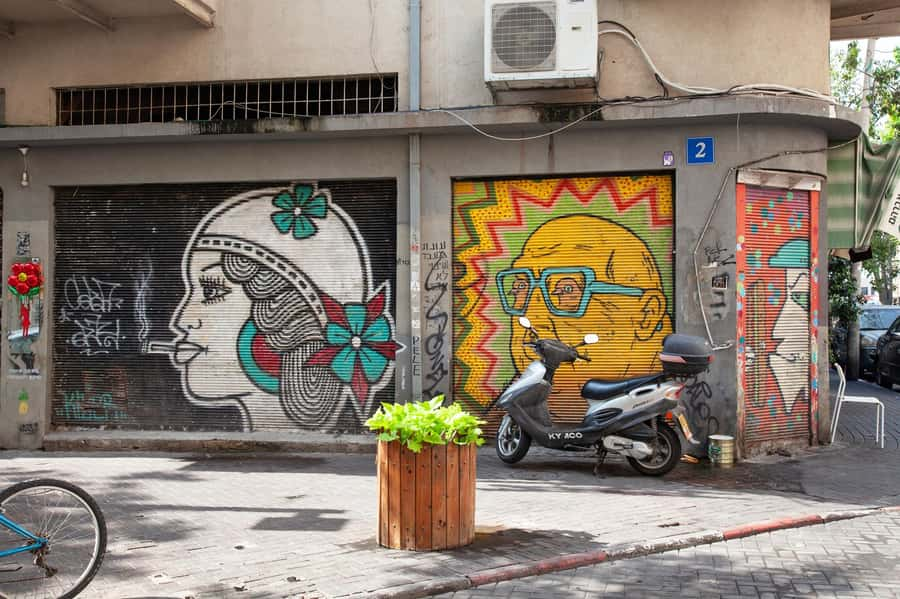
Nahalat Binyamin adds color and a more modern edge to the historical walk. The route calls attention to murals, allowing you to see Tel Aviv through its public art as well as its older streets.
This is one of the tour’s strongest choices for first-time visitors. A market-only outing can tell you what to eat, but it may not explain how the central neighborhoods fit together. Nahalat Binyamin gives you a visual pause and helps show the city as a place where art, commerce, and older urban fabric sit close together.
The murals also give your guide something concrete to interpret. You can ask about the artists, the themes, or how the area has changed, though the supplied details do not promise a particular mural, artist, or street-art stop. Treat the art portion as a guided look at the neighborhood rather than a specialist graffiti tour.
If photography matters to you, keep your phone ready. The route is designed around sightseeing on foot, and the murals may be easier to appreciate in passing than from a formal viewing platform. The guide’s commentary will likely be the difference between a quick look and a useful cultural explanation.
Herzl Street and Rothschild Boulevard tell the city’s origin story

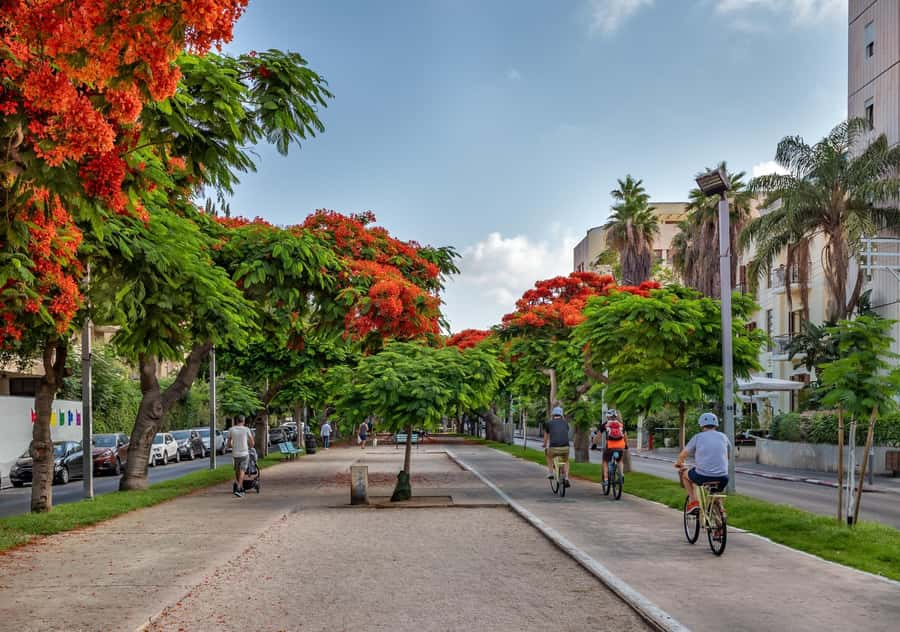
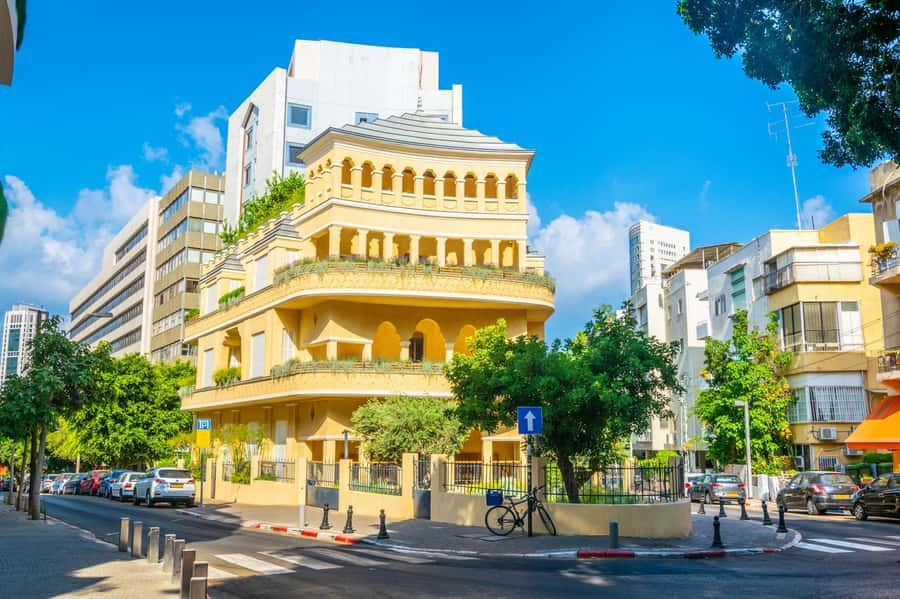
The walk then reaches Herzl Street and Rothschild Boulevard, where the focus shifts to Tel Aviv’s founders. The palm-lined boulevard is a natural place to discuss the city’s early ambitions and the people who helped shape it.
This part gives the tour its civic backbone. Carmel Market will supply the smells and flavors, but Herzl Street and Rothschild Boulevard explain why this part of Tel Aviv developed as it did. You get a better sense of the city as a planned urban project, not only as a beach destination or nightlife center.
The information provided does not name the individual founders or promise a specific building visit. That means you should expect stories told while walking, not entry into a museum or a long architectural lecture. If you want precise names and dates, ask your guide to pause and fill in the details.
I especially like that the route uses these streets before the market. It gives you context before the eating begins. You can then see Carmel Market as part of the city’s daily life, not as an isolated attraction built only for visitors.
A few more Tel Aviv trips worth comparing
- Tel Aviv Jaffa Guided Bike Tour
★ 4.5 · 178 reviews - From Tel Aviv: West Bank Day Tour
★ 4.6 · 141 reviews - Guided Pub Crawl Night Tour at Tel Aviv
★ 5.0 · 85 reviews - Tel Aviv 3-Hour Easy Bike Tour
★ 4.8 · 81 reviews
Carmel Market is the main event for food

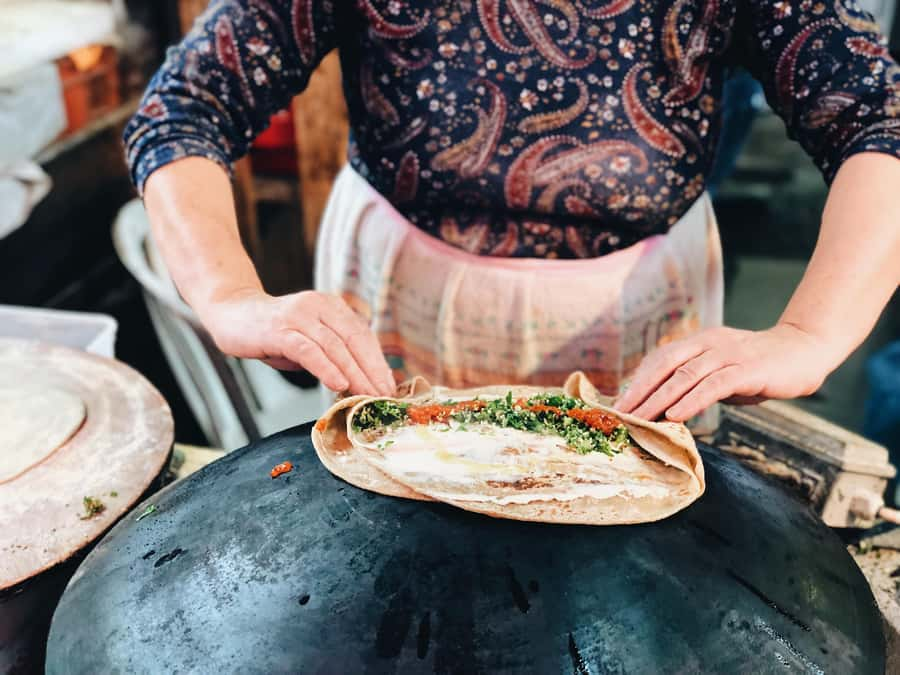
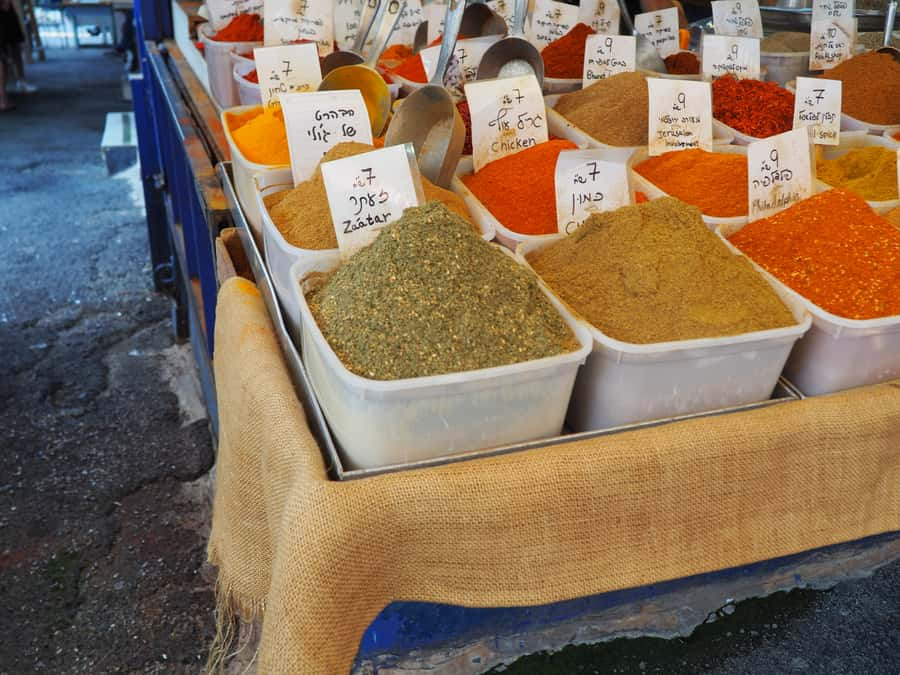
The final two hours are devoted to Carmel Market. This is where the tour shifts from city history to taste. Your guide leads you through the market and includes tastings such as falafel, kubbeh, and fresh juice.
The food is not an extra charge listed separately from the tour. Tastings are included in the $49 price, which makes the outing a reasonable choice if you want a guided introduction to Israeli market food without ordering full meals at several stands.
You should arrive hungry, but not famished. The exact tastings can change with availability and holidays, including Passover. That flexibility is normal for a working food market, but it also means you should not book this expecting a fixed menu.
Falafel gives you a familiar starting point: fried chickpea patties, usually served with accompaniments that vary by vendor. Kubbeh offers a different texture and flavor profile, while fresh juice adds a simple, cooling finish. The supplied details do not specify the vendors, recipes, portion sizes, or dietary alternatives, so ask before tasting if you have allergies or food restrictions.
The biggest practical issue is pace. A German-speaking participant described the food stations as too close together and said the tastings were completed in under 90 minutes, with little time to finish one item before receiving the next. That is useful advice even if your own guide handles the market better. Tell the guide at the start that you want time to taste, ask questions, and look around.
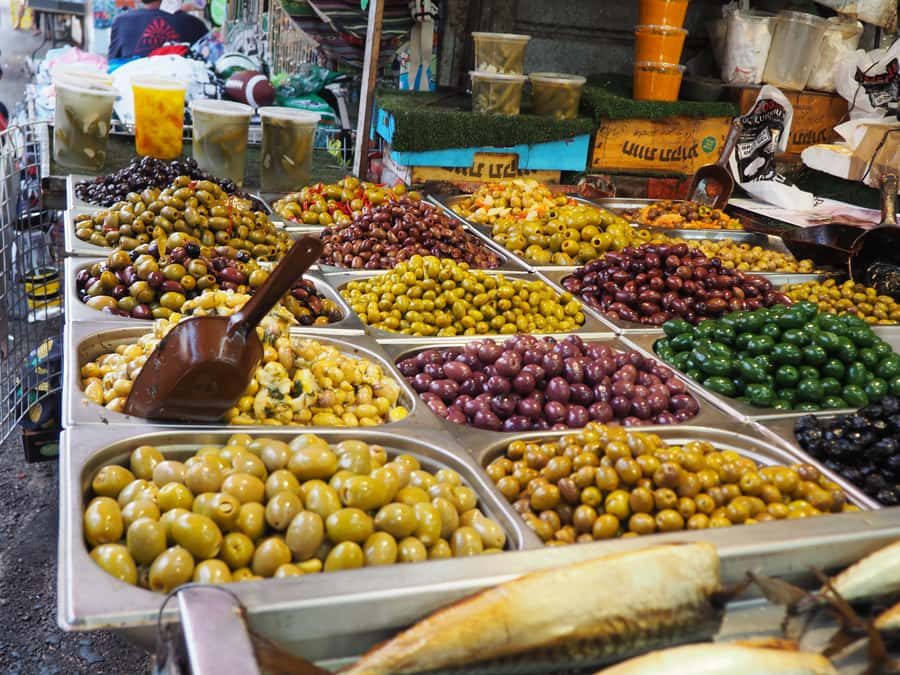
Carmel Market can be more than a sequence of samples. Use the gaps between bites to notice produce, spices, bakery goods, and the everyday buying and selling around you. The tour promises food tastings and a market visit, not a cooking class or a full market-shopping session, so manage expectations accordingly.
What the $49 price really covers
At $49 per person, the tour offers four hours with an English-speaking guide and included food tastings. The value is strongest if you want a structured introduction and would otherwise spend time figuring out where to go in central Tel Aviv.
You are paying for the route, the guide’s explanations, and the chance to sample several foods in one outing. You are not paying for transportation, a private tour, insurance, or a guaranteed menu. For a first day in the city, that can be a fair trade, especially if you prefer to learn the basic layout before exploring alone.
The value drops if you already know central Tel Aviv well or prefer to set your own food pace. You can visit Carmel Market independently, and a self-guided walk through Rothschild Boulevard costs nothing beyond your own food purchases. The paid difference is the human explanation and the organized connection between the neighborhoods.
The overall rating is 3.8 from 36 reviews, which points to an uneven experience rather than a sure thing. Positive feedback includes a simple five-star response, while negative reports raise practical concerns about the guide losing the group, poor contact before the meeting, and food stops moving too fast.
That range suggests you should pay attention to the operator, Tourist Israel Tours, and confirm the details before the start. The stated meeting point is clear: Textile Building, Kaufman 2, Tel Aviv. Save that address, check your confirmation, and make sure you know the starting time before leaving your accommodation.
Group handling and guide quality matter here
The tour’s appeal depends heavily on the guide. The route itself is solid: an old railway station, a linear park, murals, founding-era streets, and a major food market. But a four-hour walk needs clear direction and good pacing.
One participant reported that the guide was inconsiderate and that the group became separated. That is not a small issue. On a market walk, losing sight of the guide can mean missing the explanation, the next tasting, or the route to the finish.
Another participant said no meeting instructions arrived, contact with the operator failed, and the tour was missed without a refund. The published terms allow free cancellation up to 24 hours before the start and offer reserve-now, pay-later booking, but those protections do not solve a missed meeting caused by unclear communication. Confirm everything in advance.
No guide’s name is provided, so you cannot choose a particular host based on personality or specialty. The description promises a hand-picked expert local guide, but the available feedback shows why the person leading the walk matters as much as the stops themselves.
Finishing near HaKovshim Garden
The tour ends at HaKovshim Garden, after the Carmel Market portion. This is useful because you do not return to the starting point, so plan your day around a one-way route.
The finish also leaves you near the market side of central Tel Aviv rather than back by the Old Railway Station. You can continue your own sightseeing from there, but the supplied information does not specify onward transport, nearby attractions, or hotel drop-off. Do not assume the guide will take you back to Kaufman 2.
Because the route ends after food tastings, you may want to keep the rest of your schedule flexible. A market stop can run differently depending on the group, the guide, and what is available that day. The tour is listed as four hours, but one detailed account found the food portion much shorter than expected, so the exact rhythm may vary.
Who will get the most from this tour
I would choose this experience if you are visiting Tel Aviv for the first time, enjoy walking, and want history with your food rather than a standalone market visit. It suits curious eaters who like trying local dishes but also want a basic orientation to the city’s central streets.
It can also work well for solo visitors or couples who prefer a guided start before exploring independently. The English-language format keeps the route accessible to English speakers, and the small-group setup should make it easier to ask questions than on a large coach outing.
I would be more cautious if you need wheelchair access, dislike fixed group pacing, or want a carefully timed food tour. It may also disappoint you if you expect a specialist food guide, a set menu, or long explanations at every historical stop.
Families and older walkers should consider the four-hour length and the amount of time on foot. The pace is described as comfortable, but no detailed accessibility support or transport between stops is provided. Ask the operator about the route if walking stamina is a concern.
Should you book the Carmel Market and Central Tel Aviv tour?
Book it if you want a compact introduction to Tel Aviv that joins city origins, public art, old railway space, and market food. The route is thoughtfully arranged, and the included tastings add real value to the $49 price.
Go in with realistic expectations. The food choices may change, the market section may move quickly, and the quality of the day will depend strongly on the guide. Confirm the Kaufman 2 meeting point, keep the guide’s contact information handy, and ask for a slower tasting pace if needed.
My call: this is a fair first-day orientation for an able-bodied walker who values local context and does not need a fixed menu. If your priority is a relaxed, food-first experience with generous time at each stall, choose a more specialized food tour instead.
FAQ
Where does the tour start?
It starts at the Textile Building, Kaufman 2, Tel Aviv.
Where does the tour finish?
The tour finishes at HaKovshim Garden.
How long does the experience last?
The stated duration is four hours, with about two hours of city sightseeing and two hours at Carmel Market.
What food is included?
Included tastings may feature falafel, kubbeh, fresh juice, and other local dishes. The exact selection can change because of availability or holidays such as Passover.
What language is the tour conducted in?
The live tour guide speaks English.
Is the tour suitable for wheelchair users?
No. The activity is listed as not suitable for wheelchair users.
Newest Tel Aviv trips on the site
- Tel Aviv: Street Art and Graffiti Tour★ 5.0 · 36 reviews
- Tel Aviv: 2-Hour Carmel Market Tour in English with Lunch★ 4.8 · 23 reviews
- Tel Aviv: Pub Crawl and Nightlife Tour with Shots★ 4.6 · 28 reviews
- Jaffa: Old City, Port & Shuk Hapishpishim Walking Tour★ 4.8 · 33 reviews
- Tel Aviv Highlights Bike Tour★ 5.0 · 52 reviews
- Tel Aviv: Pub Crawl with 4 Stops and Free Shots★ 4.4 · 66 reviews
- Tel Aviv: Jaffa Half-Day Walking Tour★ 4.5 · 70 reviews
- Tel Aviv: Jaffa & Carmel Market Walking Tour★ 4.7 · 60 reviews
Shopping Tours, compared.
Old Dubai tour: Local Market, Tasting, Dubai creek with Abra ride
Read our review →
Abu Dhabi Sightseeing Tour: Sheikh Zayed Mosque, Heritage Village & Dates Market
Read our review →
Doha Food And Souq Waqif Local Market, Msheireb Heart of Doha Tour
Read our review →
Browse the lists this tour appears in