
Reviewed · SOUKS & OLD TOWNS
Jeddah: Al-Balad Old Town Tour with Guide
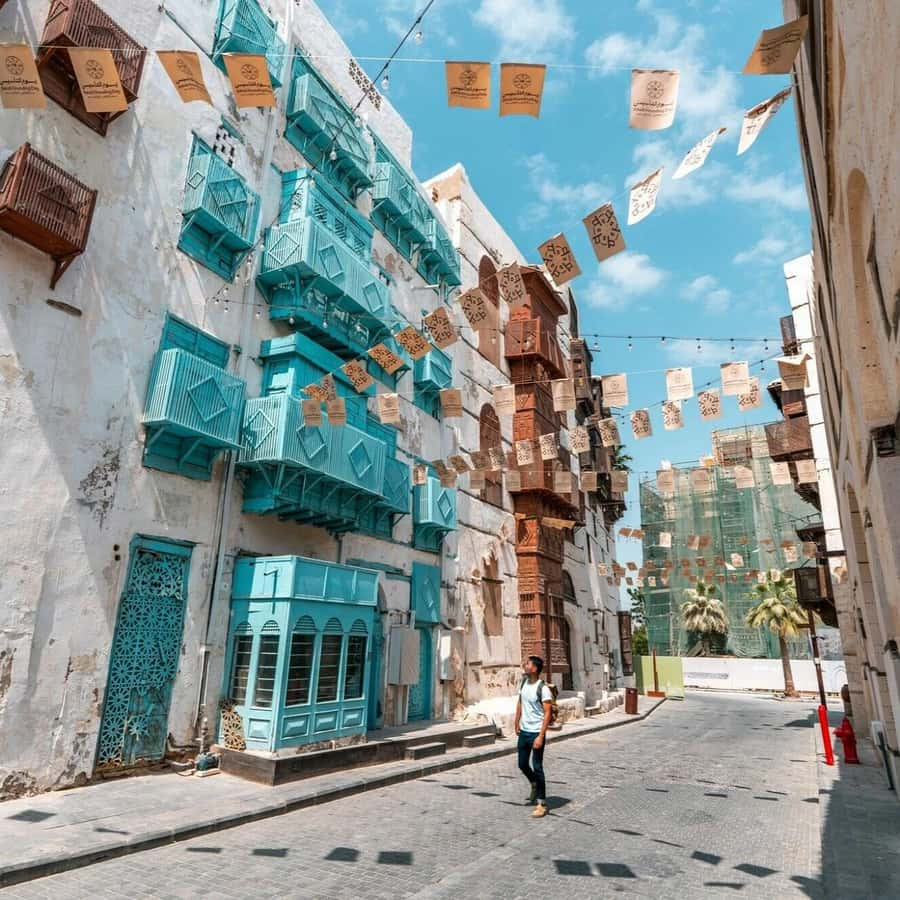
Al-Balad is Jeddah at its most atmospheric: a maze of narrow lanes, coral-stone houses, wooden rawasheen balconies, old gates, and markets scented with spice and oud. This walking tour gives you a clear route through the district while a local guide fills in the stories behind the buildings.
I like the chance to see Nassif House and Al-Shafei Mosque in one outing, and I like that the guides can adjust the pace for photos, shopping, or local food. The main consideration is timing: daytime can be hot, while the evening option is cooler and far livelier.
Key points to know
- Evening Al-Balad has the best atmosphere: After sunset, the markets fill with local shoppers, lantern light, and cooler sea air.
- Nassif House gives the tour a strong start: Its Ottoman-style design and unusual courtyard tree offer a glimpse into wealthy Hijazi family life.
- The old markets are part of the experience: You can browse oud, spices, textiles, antiques, dates, and handmade goods.
- Guides add practical local help: Mahmoud and Reem have been praised for flexible timing, clear English, shopping help, and personal recommendations.
- Hotel pickup is optional: Choose transportation from your Jeddah accommodation or meet behind the historic gate near Souq Qabil.
- The tour suits different schedules: Options run from about two to six hours, with private and small-group formats available.
Why Al-Balad is the right place to begin in Jeddah
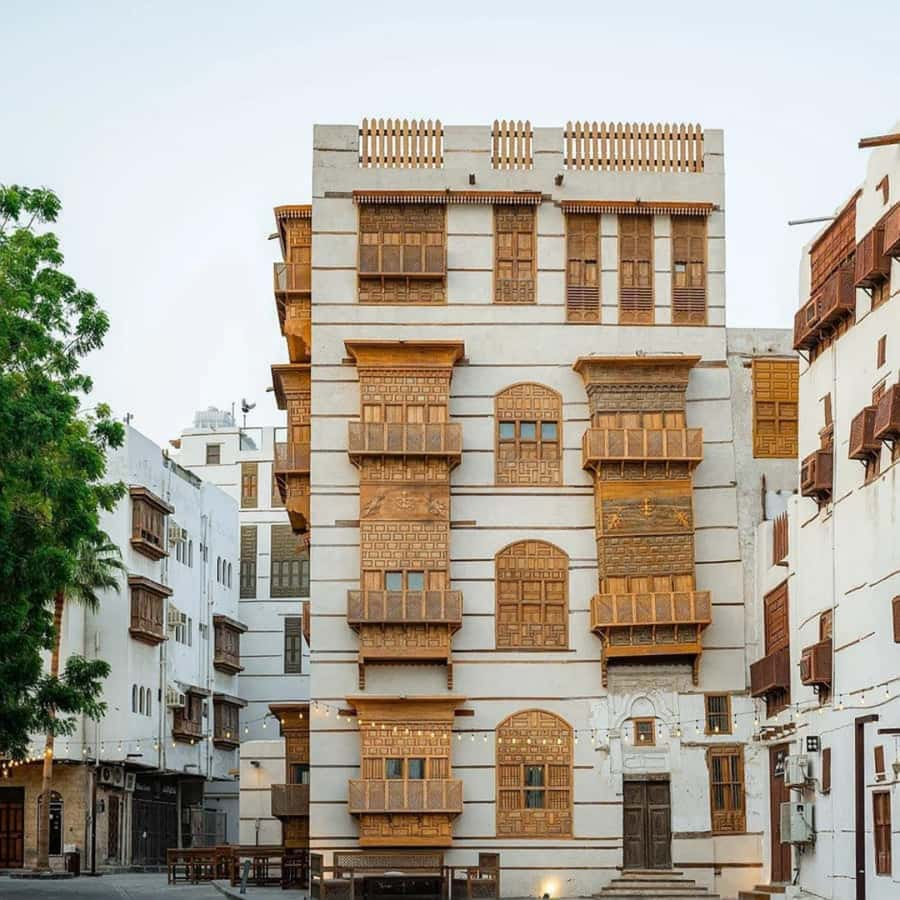
Jeddah’s historic center was once a key port for merchants, pilgrims, and visitors heading toward Makkah. Al-Balad preserves that older urban world in a way modern districts cannot. Instead of wide roads and new towers, you walk through tight lanes lined with homes built from coral limestone, their upper floors shaded by carved wooden balconies.
The buildings are not simply pretty backdrops. Their design reflects the climate and the old social life of the city. The projecting rawasheen helped shade windows and allowed air to move through the house, while the narrow streets offered relief from the sun.
A guide matters here because much of Al-Balad’s interest is easy to miss. You may notice a carved doorway or a leaning facade, but your guide can explain who lived there, how pilgrims moved through the district, and why a particular gate or market mattered.
The tour costs about $88 per person, which is a reasonable price if you want transportation, a dedicated guide, entry fees where applicable, and a structured route through several important sites. It is less attractive if you only want to wander the markets for an hour on your own. The private or small-group option gives the price more value, especially if you care about questions, photographs, and a flexible pace.
More Souk & Old Town Tours in Saudi Arabia:
- Historical & Heritage Tour in Jeddah Al Balad
★ 5.0 · 57 reviews - Jeddah: Al-Balad Old Town Historical City Guided Tour
★ 5.0 · 47 reviews - Dubai: Old Town, Creek, Museums, Souks, & Street Food Tour
★ 4.8 · 10,816 reviews
Starting behind Souq Qabil or from your hotel
If you choose the transportation option, the guide and driver collect you at your accommodation in Jeddah. Wait in front of the main entrance, since that is the stated pickup arrangement. Airport transfers are not included and must be booked separately.
Without transportation, you meet behind the historic gate of the old town, at the entrance to Souq Qabil. This option works well if you are already near central Jeddah or prefer to arrange your own ride.
The exact duration can range from two to six hours, depending on the chosen option and pace. The listed route contains many short stops, but the total experience can stretch longer when you shop, stop for coffee, take photos, or ask for local food advice.
Wear comfortable shoes. Al-Balad is a walking district, and you will spend much of the tour on foot over uneven streets and through crowded market lanes. A sun hat and comfortable clothing are useful for daytime visits.
Nassif House and the story of old Jeddah families
The first major stop is Nassif House Museum, also called Bayt Nassif. This restored merchant’s home is one of Al-Balad’s best introductions because it lets you see the district from inside a historic residence.
The house is known for Ottoman-style details and a tree growing inside its courtyard. That tree is more than a memorable photo stop. It hints at how unusual a large interior courtyard was in a dense port city, where houses had to make careful use of limited space.
Inside, you get a look at the life of wealthy Hijazi families in the nineteenth and twentieth centuries. The stop is scheduled for around 20 minutes, though a private group may have more room for questions. You should not expect a huge museum collection. The value is in the building itself, its layout, and the way it helps you picture Al-Balad as a working neighborhood rather than a collection of old facades.
The museum also gives your guide a useful starting point for explaining trade, family life, and the movement of pilgrims through Jeddah. If you like architecture, this will likely be one of the most satisfying stops.
Arabic coffee in a traditional Al-Balad setting
After Nassif House, the route includes a short coffee or tea stop in Al-Balad. You can expect Arabic coffee with dates as part of the cultural welcome, with about 10 minutes set aside in the listed schedule.
This pause is brief, but it breaks up the walking and gives you a chance to ask questions. It also shows how food and hospitality fit into the district’s identity. Do not treat it as a full meal. You may want to plan separately for lunch or a larger evening snack, though guides can help point you toward local food.
One useful detail from the experience is the guide’s ability to make the tour feel less rigid. Mahmoud has helped with food stops, juice breaks, and local shawarma, while other guides have adjusted the timing when plans changed. That kind of help is valuable in a neighborhood where the best moment may come from an unplanned market stop.
A few more Saudi Arabia trips worth comparing
- Jeddah: Bayada Leisure Boat Trip with Snorkeling
★ 4.3 · 138 reviews - Historic District Tour in Jeddah by a Local Guide
★ 5.0 · 49 reviews - Guided Tour in Jeddah by local woman
★ 5.0 · 48 reviews - Jeddah Desert Safari: Quad Biking, Camel Farm & Sunset Views
★ 4.9 · 37 reviews
Al-Alawi Souq, where the old city feels most active
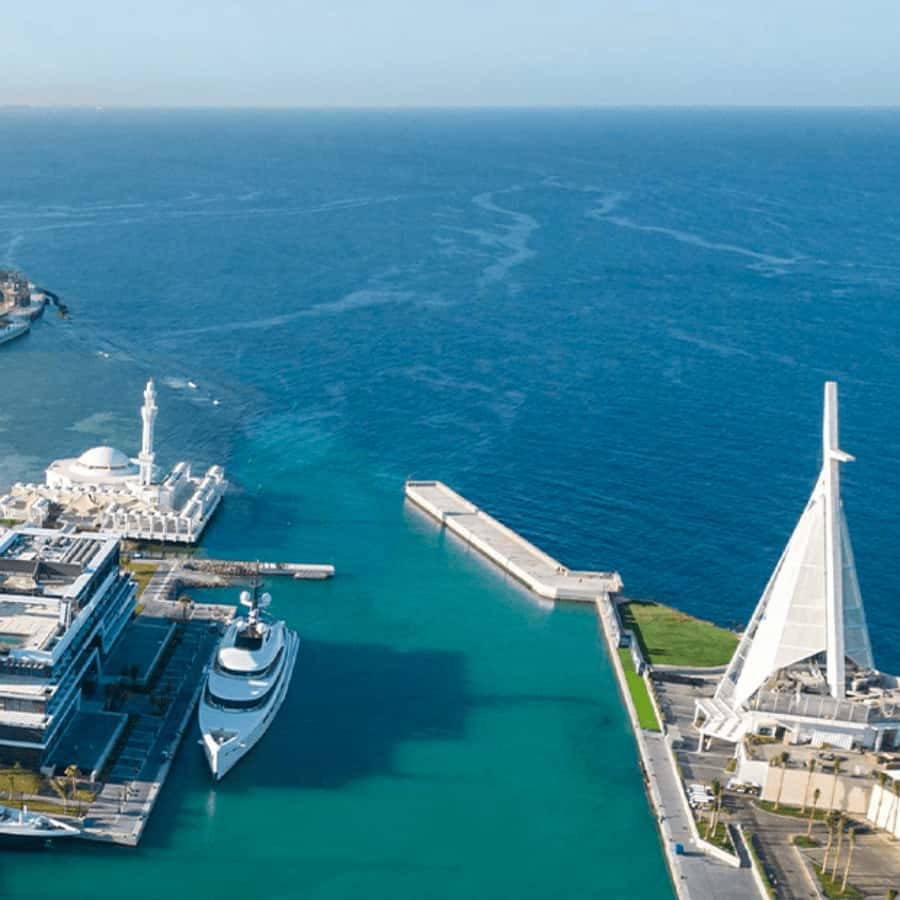
Souq Al Alawi is described as Jeddah’s oldest market and is one of the central parts of the walk. Here, the tour shifts from architecture to everyday commerce.
You can browse spices, oud, textiles, antiques, traditional clothing, dates, and street snacks. The market is a good place to use your senses: smell the spice stalls, compare oud fragrances, and watch local shoppers negotiate their purchases.
The scheduled visit is about 10 minutes, but that is not enough time for serious shopping. If you want to buy oud, fabric, or handmade souvenirs, tell your guide early and ask for more time. A private tour makes this easier than a fixed group outing.
You may also find the market crowded, especially at night. That is part of the appeal, but it can make photographs and close conversation harder. Keep your belongings secure and stay aware of the group as the lanes grow busy.
The market is also where the tour feels most connected to modern Jeddah. Al-Balad is preserved, but it is not a silent museum. People still shop, meet, eat, and move through these streets.
Bedouin Market and the practical side of shopping
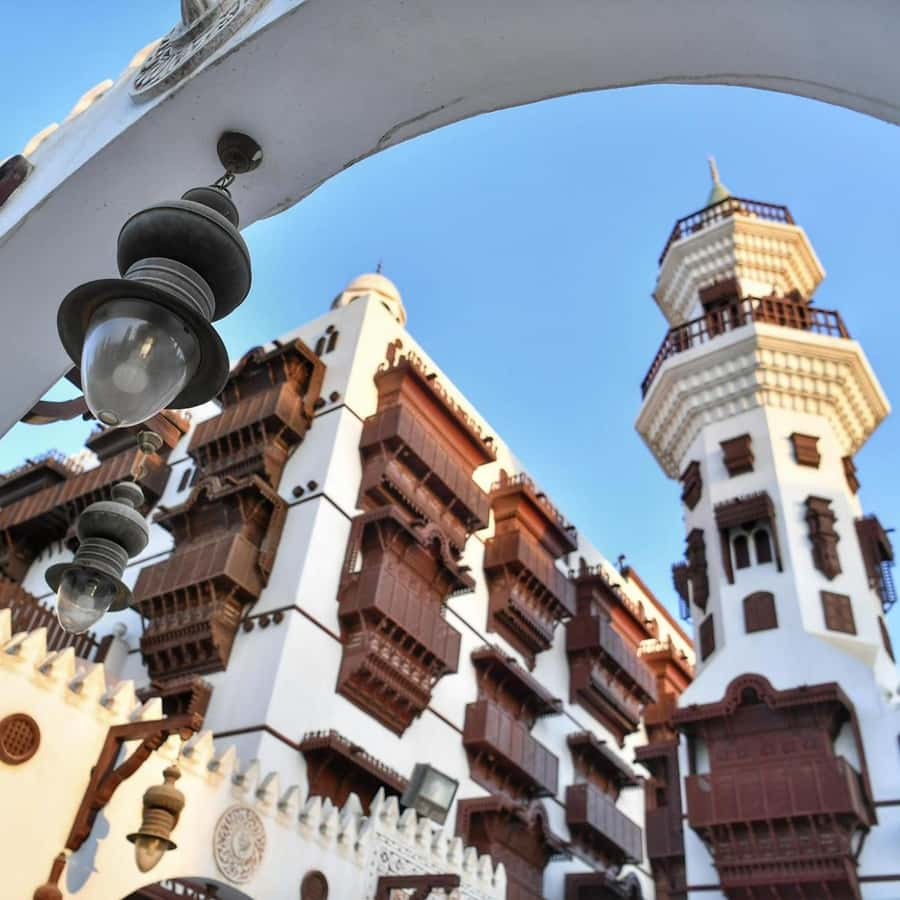
The Bedouin Market focuses on Bedouin products, fabrics, and threads. The stop includes time for photos, browsing, and a short break.
This is a useful stop if you want a souvenir with a strong regional connection, but the tour does not promise that every item is handmade or that prices are fixed. Ask your guide for help understanding what you are seeing and how to compare goods.
The market also gives you a break from the more formal heritage sites. You can stop for a photo, look at colors and patterns, and then continue when you are ready. If shopping is not your main reason for booking, you will probably want to keep this visit short and spend more time on the buildings and gates.
Bab Makkah and the pilgrim route
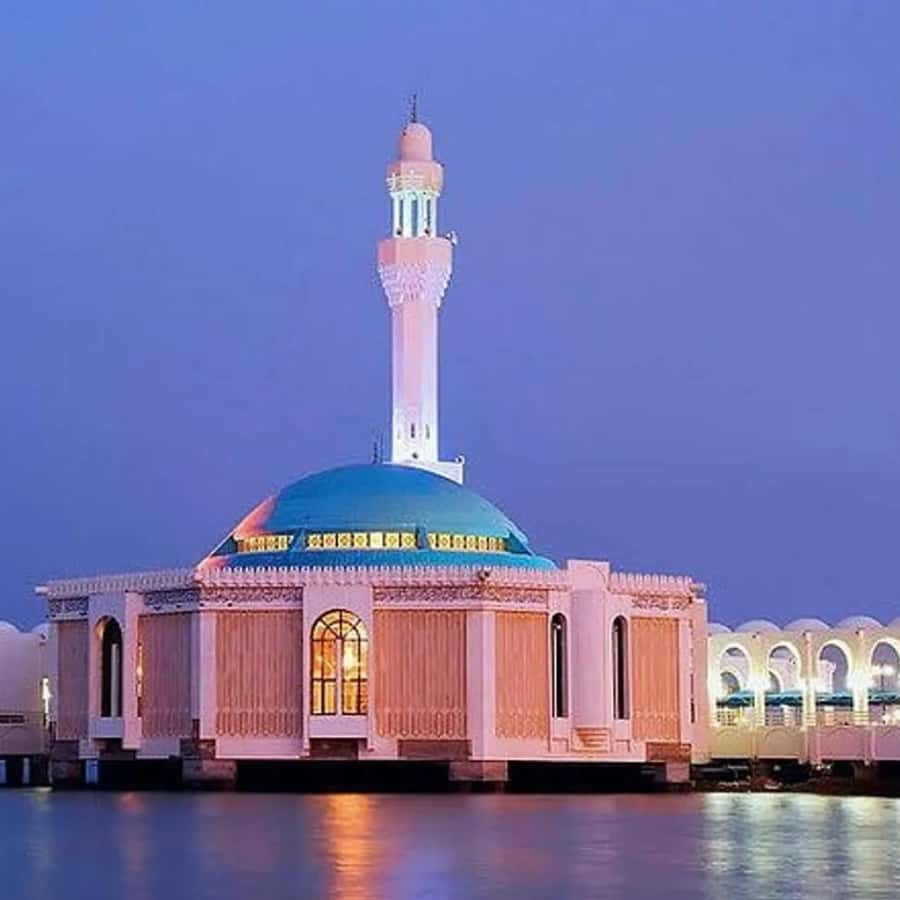
Bab Makkah, or Makkah Gate, is one of the most meaningful stops. Historically, it marked the route toward Makkah and served as a traditional entry point for pilgrims.
The gate is a useful place to understand Jeddah’s role as a port and staging point. People came through the city for trade, family visits, and pilgrimage, and the old streets connected these movements to homes, markets, and mosques.
The visit includes a photo stop and sightseeing, with around 20 minutes listed for the area. That gives you enough time to look at the gate and hear its story without rushing straight through.
This is one of the spots where a guide can provide context that a photograph cannot. You see a gateway, but you also learn how the city connected the Red Sea coast with the holy cities inland.
Al-Shafei Mosque and a quieter side of the walk
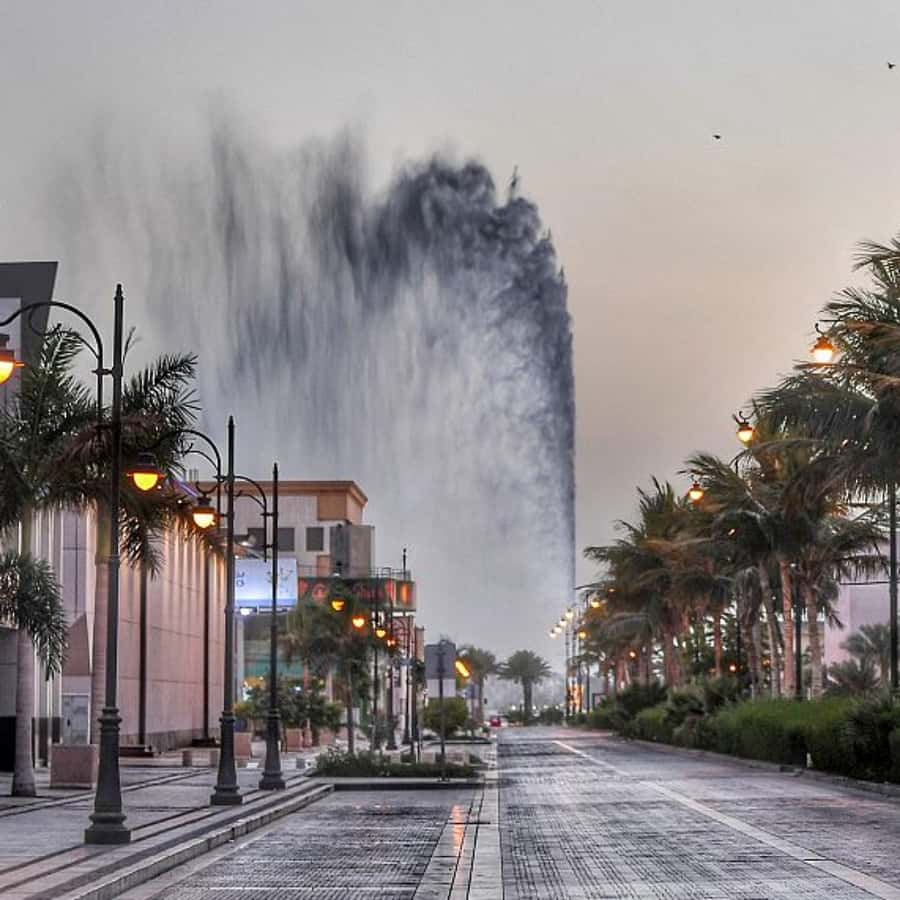
Al-Shafei Mosque is one of the oldest mosques in Jeddah, with parts dating back nearly a thousand years. Its wooden minaret and calm atmosphere offer a sharp change from the market lanes.
The stop is scheduled for about 20 minutes and includes a guided visit. Since this is a religious site, follow your guide’s instructions on appropriate clothing, behavior, and access. The tour information does not promise entry to every part of the mosque at every time, so treat the visit as a chance to see and understand the site rather than a guaranteed full interior tour.
I like this stop because it slows the outing down. After the noise of Souq Al Alawi and the Bedouin Market, the mosque gives you space to notice details: the minaret, the old construction, and the continuing role of worship in the historic district.
Suq Al Jami and the old city gates
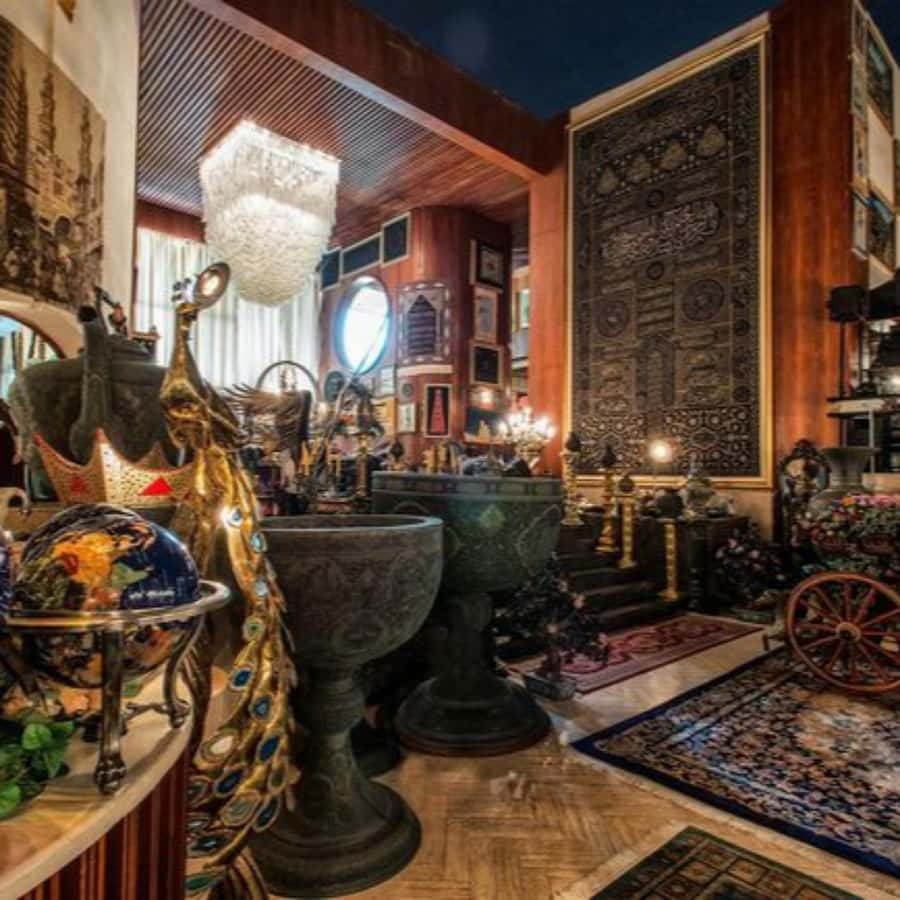
The walk continues to Suq Al Jami, another market area with time for shopping and sightseeing. The listed stop is around 10 minutes, so it functions more as a short look at another part of the commercial district than as a long shopping session.
The final historic points include the old Jeddah gate and Bab Medina. At Bab Medina, you can see the foundations of the old city wall. These remains help you understand the former shape of Al-Balad, which once had a more defined boundary than the open district you see today.
The old gates are not all grand monuments. Their value comes from what they reveal about movement and protection. People entered through particular points, markets formed around routes, and the wall helped define the old city.
The tour ends at one of two drop-off locations in Jeddah, including the area near Lake Arbaeen Park. Confirm the exact end point with your guide when booking, especially if you have a dinner reservation or another activity afterward.
Daytime or evening: choose carefully
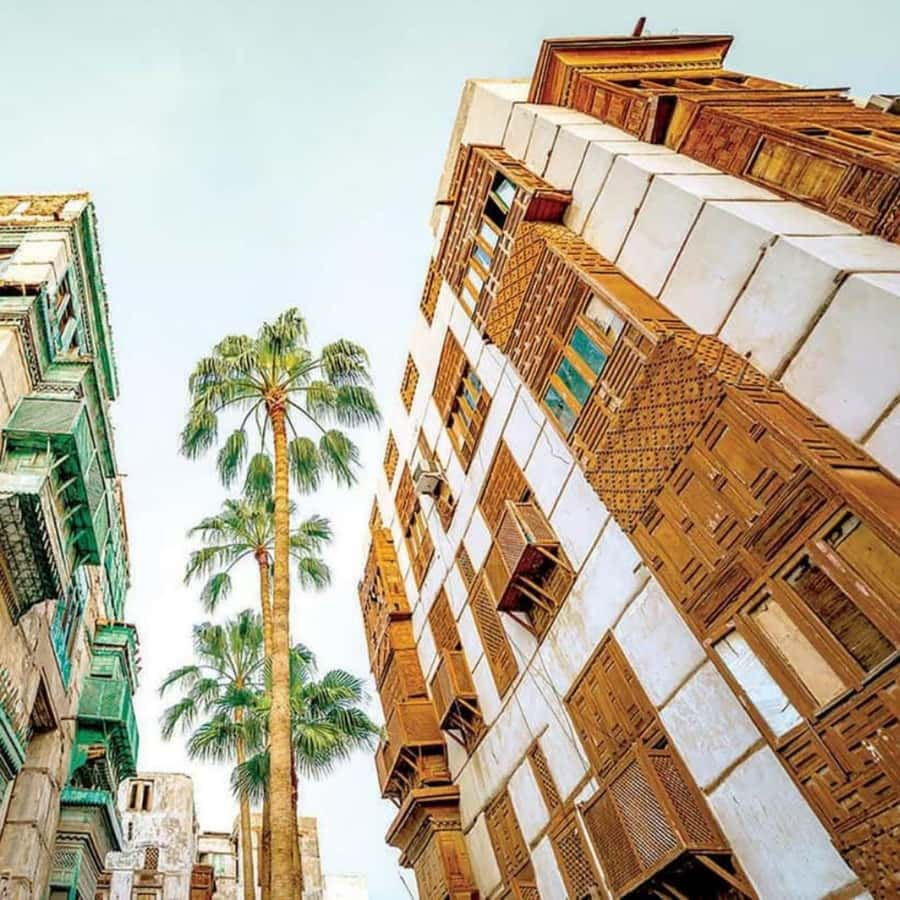
The evening tour is the stronger choice for most people. After sunset, Al-Balad becomes cooler and more social, with lanterns, market activity, and locals out in the streets. One guide specifically recommends a 7:30 p.m. start, and the district may remain active well past midnight.
Night also changes the look of the old buildings. The rawasheen balconies and coral walls take on a softer appearance under the lights. The sea air can make the walk more comfortable than a hot afternoon.
Daytime has its own advantages. You will see more architectural detail in natural light, which helps if you care about photographing the coral stone, wooden screens, and old doors. Museums and guided explanations may also be easier to follow before the evening crowds arrive.
The tradeoff is simple:
- Choose daytime for clearer architectural views and a calmer pace.
- Choose evening for cooler weather, market activity, food, and atmosphere.
- Choose a private tour if you want to switch the balance between sightseeing and shopping.
Guides, flexibility, and the value of local help
The strongest part of this experience is the guide service. Mahmoud is especially useful if you want a relaxed walk with room for personal requests. He has adjusted routes for photographs, suggested food, helped with local shawarma, and even made a detour to show King Fahad’s Fountain.
Reem is another guide associated with this experience. She handles pickup and drop-off, communicates clearly, and can shape the outing around individual interests. English and Arabic are available.
The guide’s role matters more in Al-Balad than it would on a simple sightseeing bus. The streets are close together, several places have similar names, and the best parts are often small details rather than one major monument.
You should still explain your priorities at the start. Say if you care most about architecture, shopping, food, photography, religious sites, or local history. The tour has enough flexibility to make those preferences useful, particularly in a private or small group.
Who will get the most from this tour
This outing works well for families because the route mixes short visits, markets, coffee, and photo stops rather than keeping you inside a museum for hours. Parents should still expect plenty of walking and should plan around heat if choosing daytime.
Solo visitors get a practical introduction to Al-Balad without having to work out the route alone. Several guides are comfortable with a personal pace, and the optional pickup removes some of the stress of arriving in an unfamiliar part of Jeddah.
It is also a strong choice for first-time visitors to Saudi Arabia. The walk introduces local food, shopping, architecture, religion, and hospitality in one compact experience. You get a useful first look at Jeddah before deciding where to return on your own.
You may want something else if you dislike markets, shopping pauses, or walking on old streets. The tour is not a polished indoor museum experience. Its appeal is the mix of active streets, imperfect old buildings, local commerce, and stories tied to the district.
What the $88 price gets you
At approximately $88 per person, the price makes the most sense when you use the guide well. You receive an English or Arabic-speaking guide, bottled water, entry fees where applicable, and optional hotel pickup. A private or small-group format can make the experience feel more like a personal introduction to Jeddah than a fixed checklist.
Transportation adds value if your accommodation is away from Al-Balad or if you prefer not to arrange a taxi. If you are already nearby, meeting at Souq Qabil may be the better budget choice.
The tour is not the cheapest way to stroll through the old town, and you will still pay separately for purchases, larger meals, and airport transportation. But the combination of route planning, local explanation, and flexible help is useful in a district where a casual walk can easily miss the mosque, gates, or historic houses that give Al-Balad its meaning.
Free cancellation up to 24 hours before the start and reserve-now, pay-later booking also make it easier to fit into a changing Jeddah schedule.
Should you book the Al-Balad tour?
Book it if you want a guided first look at Jeddah’s historic center, especially if you are interested in old architecture, local markets, pilgrimage routes, and everyday Saudi culture. I would choose the evening option, ask for a 7:30 p.m. start if available, and tell the guide whether shopping or photography matters most to you.
The tour is particularly good for solo visitors, families, and anyone who wants hotel pickup or a guide who can adjust the plan. If you already know Al-Balad well and only want to browse for a short time, the $88 price may be more than you need.
For most first visits, though, the guide adds real value. Al-Balad is best understood as a living district, not just a row of old houses, and this walk gives you the context to see why the gates, markets, mosque, and coral homes belong together.
FAQ
How long does the Al-Balad tour last?
The available options range from about two to six hours. The exact duration and start time depend on the option you select.
Is hotel pickup included?
Hotel pickup is available if you choose the transportation option. The guide will collect you from the front entrance of your accommodation in Jeddah.
Where do I meet the guide without transportation?
The meeting point is behind the historic gate of the old town, at the entrance to Souq Qabil.
Is airport transfer included?
No. Airport transfer is a separate paid service.
Which languages are available?
The tour is available with an English or Arabic-speaking guide.
What should I bring?
Bring comfortable shoes, a sun hat, and comfortable clothing. These are important because the experience includes considerable walking through markets and historic streets.
Newest Saudi Arabia trips on the site
- Alula Full Day Tour★ 4.5 · 22 reviews
- Riyadh: Red Sand Dunes (Safari trip)★ 4.1 · 28 reviews
- Riyadh Edge of The World and Bat Cave Visit by Bus★ 4.7 · 27 reviews
- Riyadh: Full-Day Riyadh Exploration Tour with Optional Lunch★ 4.2 · 28 reviews
- Riyadh: Desert Sand Dunes (VIT-Qude bike + Camel Ride)★ 4.9 · 69 reviews
- Hegra Al Ula: Sunrise Hot Air Balloon Flight★ 4.6 · 43 reviews
- From AlUla: Hegra Tour★ 3.9 · 25 reviews
- From Riyadh: Tuwaiq Mountains and Najd Plateau Day Trip★ 4.5 · 44 reviews
Souks & Old Towns, compared.
Old Town, Creek, Museums, Souks, & Street Food Tour
Read our review →
Old Town, Souks, Street Food, Guided Tour & Abra Ride
Read our review →
Frame Tickets, Creek, Souks & Blue Mosque Guided Tour
Read our review →
Dubai Aladdin Tour: Souks, Creek, Old Dubai and Tastings
Read our review →
Half-Day City Tour with Blue Mosque, Creek, and Souks
Read our review →
Dubai Half-Day City Tour with Visit to Dubai Gold Souk
Read our review →Old Town, Souks, Street Food, Guided Tour & Abra Ride
Read our review →
Old Town, Street Food, Creek, Souks, & Emirati House
Read our review →Browse the lists this tour appears in