
Reviewed · HAIFA TOURS
From Jerusalem: Caesarea, Haifa, Acre & Rosh Hanikra Tour
Caesarea’s Roman theater, Haifa’s hilltop gardens, Rosh Hanikra’s sea caves, and Acre’s Crusader walls make this one busy but rewarding day from Jerusalem. You cover four very different places, from a port built by Herod to a city where people still live inside old stone walls. The variety is the main draw.
I especially like the cable-car ride into Rosh Hanikra and the chance to see Acre as a living city rather than only a museum. The guide adds useful historical links between the sites, and past departures have included a guide named Omri, who received especially warm praise. The drawback is plain: this is a long day with plenty of road time, an early 5:40 AM pickup, and a price that may feel high if you prefer slow visits at fewer places.
Key points to know before booking
- Four major coastal stops in one day: Caesarea, Haifa, Rosh Hanikra, and Acre each offer a different slice of Israeli history.
- Caesarea’s Roman theater still hosts performances: You see an ancient venue that remains part of modern cultural life.
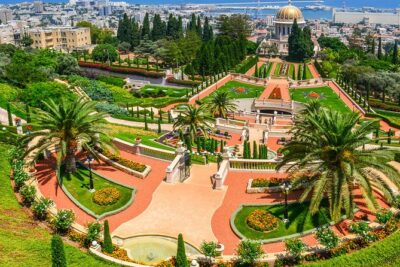
- The Baha’i Gardens are viewed from Mount Carmel: Expect a short scenic stop focused on the shrine and formal terraces.
- Rosh Hanikra requires a cable-car descent: The ride leads into limestone grottoes shaped by waves.
- Acre is both historic and lived-in: Markets, homes, walls, prisons, and Crusader remains share the same old city.
- The 5:40 AM Jerusalem pickup matters: Comfortable shoes, water, and a plan for a long coach day will make a real difference.
A very full day from Jerusalem to the northern coast
This tour is built for you if you want to see a large section of Israel in one day without arranging several separate trips. You leave Jerusalem early, ride north along the Mediterranean coast, and return south after reaching Israel’s far northwest.
The route passes Herzliya and Netanya before reaching Caesarea. That road time is not wasted if you enjoy seeing how the urban coast changes as you move north, but it does limit the time available at each stop. You are not getting a slow, museum-by-museum visit. You are getting a guided introduction to four important sites, with transportation between them.
The day begins around 5:40 AM at Jerusalem’s main hotels. That early start helps fit in the long route, yet it can be tough after several days of sightseeing. I would book this early in your stay if possible, when you are more likely to wake up rested.
Transportation is by air-conditioned coach, with hotel pickup and drop-off included. Entrance fees are also covered. Food and drinks are not, so bring water and plan to buy or carry something to eat. Since the schedule includes several walking areas, wear shoes that can handle stone paths, old streets, and uneven surfaces.
A few more Israel & Palestine trips worth comparing
- From Tel Aviv: Caesarea, Haifa and Akko Day Trip
★ 4.4 · 744 reviews - Caesarea, Rosh Hanikra and Acre Day Trip from Tel Aviv
★ 4.5 · 406 reviews - Caesarea, Haifa & Akko Day Trip from Jerusalem
★ 4.3 · 96 reviews
Caesarea: Herod’s grand port and a Roman theater

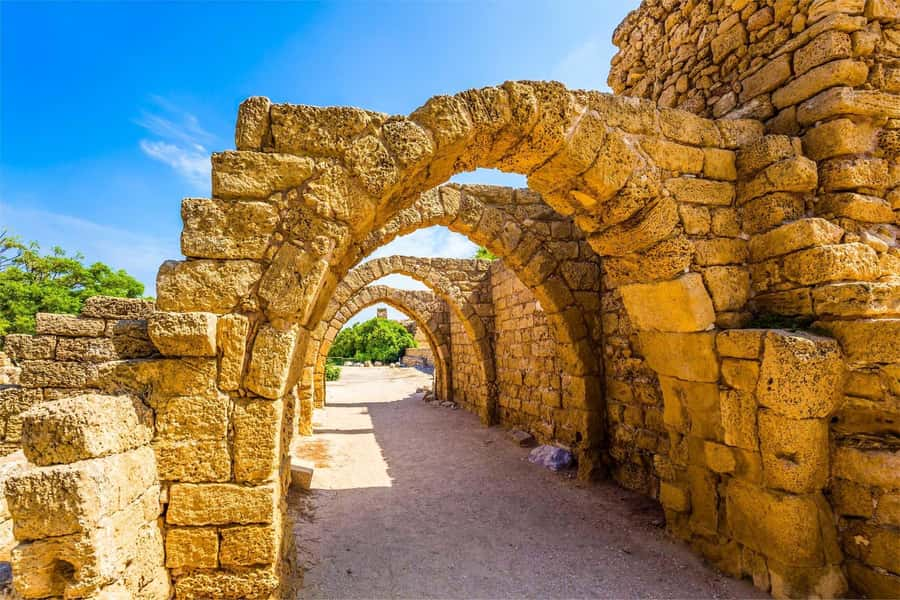
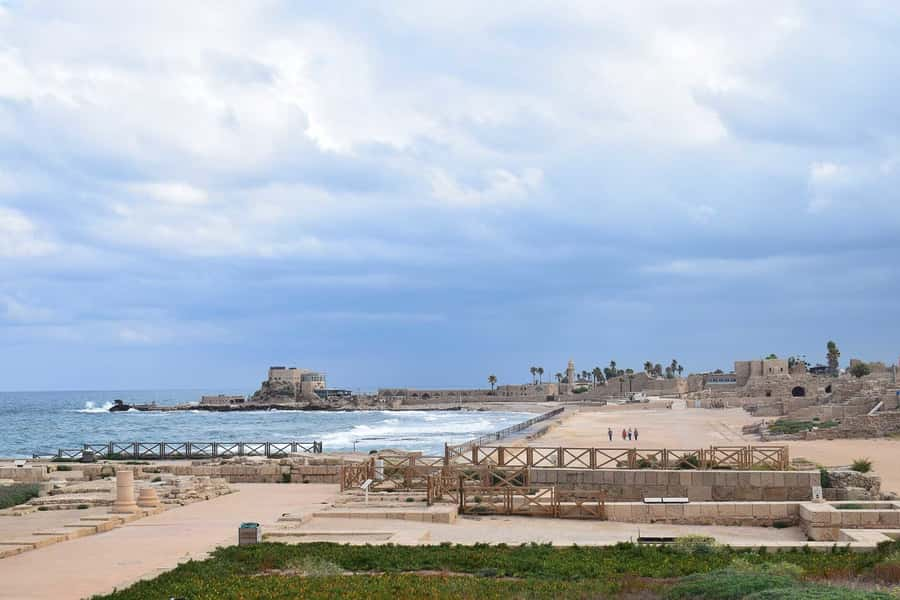
Caesarea is the first major stop, and it sets the tone for the day. Herod built the city as a major port and named it for Caesar, the Roman emperor. Its position on the Mediterranean helped connect trade routes, ships, and caravans moving goods from the east toward Rome.
The excavated area gives you a useful sense of the city’s scale. You can see gateways, a moat, walls, and rooms, then move toward the Roman amphitheater. The theater is the star of the visit. It has been preserved well enough to show its basic form, and it is still used for performances by Israeli and international artists.
That modern use makes the site easier to picture. You are not looking at a dead pile of stones. You can understand how the space was designed for an audience and why a venue built in Roman times still works for concerts and performances today.
Near the theater are the remains of the Hippodrome and Roman Temple. The Hippodrome was used for chariot racing, while the temple and port area reflected the city’s wealth and connection to Rome. From this part of the site, your guide can explain how commercial ships and Nabatean caravans helped make Caesarea prosperous.
I like Caesarea because it gives you both architecture and a strong historical story. The drawback is that a short stop cannot cover every excavation. You will get the key sights and an explanation of Herod’s project, but anyone with a strong interest in Roman archaeology may wish for more time.
The city later declined after the Crusader period and eventually slipped from importance. That change from imperial port to near-forgotten site is part of what makes Caesarea worth seeing. Its stones show how quickly a major center can lose its place in the world.
Haifa’s Baha’i Gardens from Mount Carmel
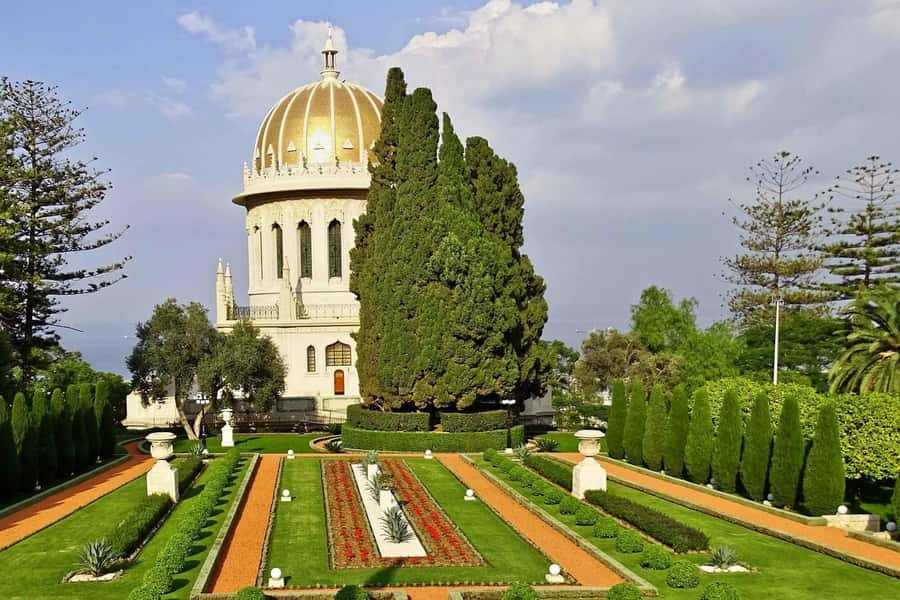
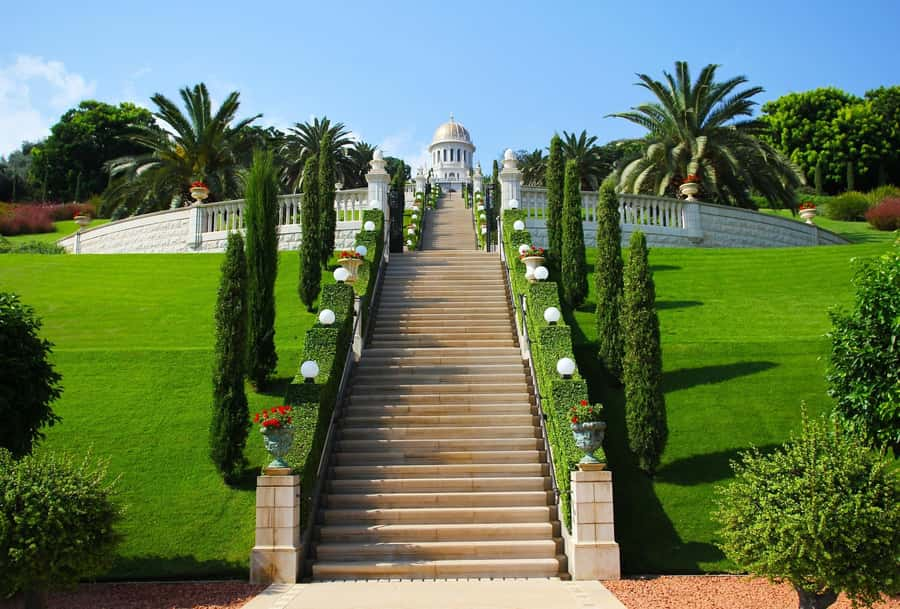
The route then reaches Haifa, where you stop to view the Baha’i Shrine and Gardens. The terraces run down Mount Carmel toward the city, arranged in a long, formal sequence of gardens. There are 19 terraces, with flowers and carefully maintained designs leading the eye down the slope.
This is a short visit focused on the view and the gardens rather than a full exploration of every section. From Mount Carmel, you can see how the terraces connect the shrine with the city below. The contrast is striking: precise garden lines above, Haifa’s streets and port area below, and the Mediterranean beyond.
The gardens are one of the tour’s most photogenic stops, but your expectations should be practical. The experience is mainly an exterior viewpoint and guided explanation. It is not presented as a long garden walk or a full religious-site tour.
Haifa is also one of the places connected with the UNESCO World Heritage listing included in the day’s sightseeing. Acre is the other major UNESCO site on the route. Together, they show two very different reasons places receive international recognition: Haifa for its Baha’i holy places and formal gardens, and Acre for its historic old city.
Rosh Hanikra and the cable car to the sea caves
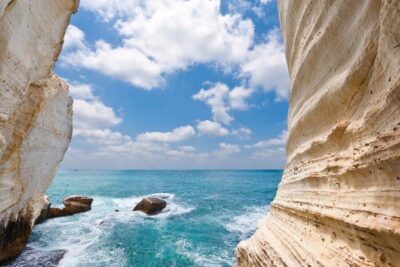
Rosh Hanikra is the northernmost point on Israel’s Mediterranean coast included in this trip. Here, the focus shifts from cities and ruins to the coast itself.
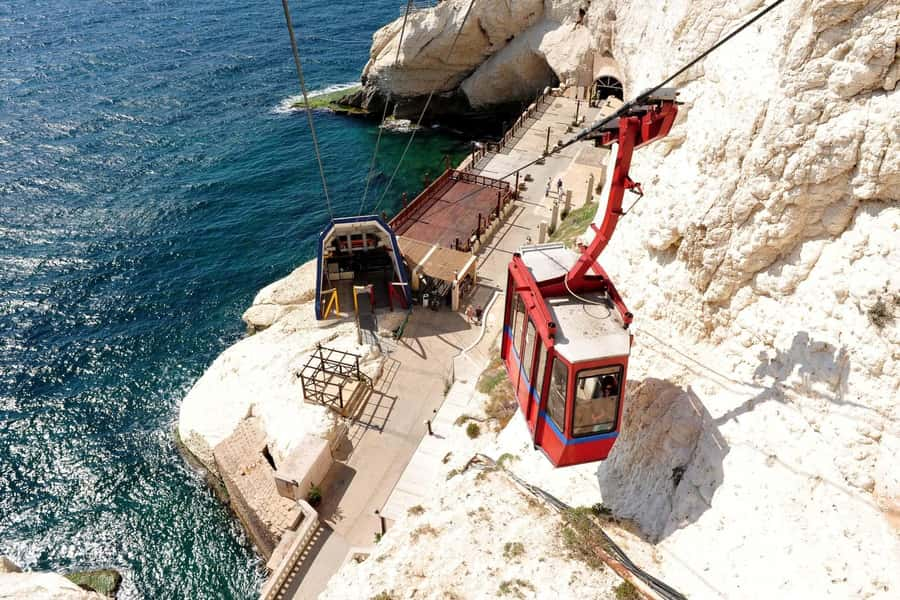
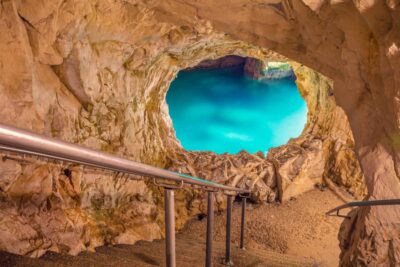
You descend by cable car into limestone grottoes formed by the repeated force of waves against the cliffs. The ride is a key part of the stop. It gives you a clear sense of the drop from the upper viewpoint to the caves below, and it avoids the need to reach the grottoes by a long walk down the cliff.
Inside, you follow the cave area and look through openings shaped by the sea. The setting changes with the weather and water conditions, so the caves may feel calm and reflective or more dramatic when waves strike the rock. The tour description calls them magical, but the practical point is simpler: this is a short natural attraction with a memorable descent and unusual rock formations.
Rosh Hanikra also gives the day a welcome change of pace. After Roman ruins and a formal religious garden, you are looking at water, rock, and open coastal views. If you enjoy scenic stops more than long historical explanations, this may be your favorite part of the route.
The cable car can be busy at popular times, and your time here is limited by the full-day schedule. Still, the attraction is well suited to a quick stop because the main experience is concentrated in the ride and the grottoes.
A completely different sort of day out of Israel & Palestine:
- From Tel Aviv: Masada & Dead Sea Full Day Tour with Pick Up
★ 4.5 · 1,496 reviews - From Tel Aviv: Jerusalem and Bethlehem Guided Day Trip
★ 4.3 · 1,316 reviews - Masada and the Dead Sea Day Trip from Tel Aviv
★ 4.5 · 1,014 reviews - Tel Aviv: Jerusalem, Bethlehem & Dead Sea
★ 4.0 · 881 reviews
Acre: Crusader walls, markets, and a living old city

Acre, also called Akko, comes later in the day on the return journey south. It is the largest Crusader city in the country and one of the most layered stops on the tour.
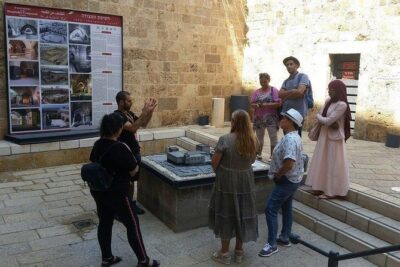
Acre is not an empty archaeological park. People still live in parts of the old city, and markets operate among old stone buildings. That mix is important. You see history in use, with daily life continuing inside a place shaped by Crusader, Ottoman, and British Mandate periods.
The walls and moat are major features. They were reconstructed and repaired by El Jazzar near the end of the 18th century, and they helped protect Acre from attack. The fortifications were strong enough to prevent Napoleon from conquering the city, a detail that gives the walls more meaning than a simple photo stop.
The tour also includes Crusader remains and the prison used under Turkish rule. You may also hear about the gallows used under the British Mandate to execute Jews who broke British restrictions on Jewish immigration after World War II. This part of the visit is more difficult in tone than the Roman ruins or sea caves, but it helps show how Acre’s story continues into the modern era.
Acre is probably the most rewarding stop for travelers who like layered history. In a single walk, you can move from Crusader architecture to Ottoman defenses, British Mandate history, market streets, and present-day homes. The tradeoff is that old city streets can be uneven, and the late timing may make the visit feel rushed after a full day on the road.
How the guide shapes the experience

A professional English-speaking guide is included, and that matters on a route with so many historical periods. Without context, Caesarea can become a collection of columns, Haifa can become a quick photo, and Acre can seem like a maze of old stone.
The guide’s job is to connect the sites. Herod’s port, Roman trade, the Crusader city, Ottoman rule, and the British Mandate all fit into a larger story of power, religion, commerce, and military control along the coast.
Guide Omri has been singled out for giving an excellent experience on one departure. You should still treat the guide assignment as variable, but the best version of this tour depends on clear explanations and good time management. The short comments noted by one participant point to the main risk: if the commentary is too brief, the long drive and quick stops may not feel worth the cost.
This is a tour where you should ask questions when you have the chance. The sites are spread out, and the guide can help you decide which details deserve your attention at each stop.
Time on the road and the value of the package
The biggest question is not what you will see. It is how much time you are willing to spend getting there.
Jerusalem to the northern coast is a long journey, and the route covers Caesarea, Haifa, Rosh Hanikra, and Acre before returning south. One participant described the day as involving a lot of driving, while still finding the scenery interesting. That is a fair description.
The package includes hotel pickup and drop-off from Jerusalem, an air-conditioned coach, a professional guide, and all entrance fees. Those inclusions make the price easier to defend than a bare transport service. You are paying for a full route, a guide, and access to paid attractions, not just a seat on a bus.
Still, no price is provided here, and one rating specifically described the cost as extremely high. I would compare the tour with the cost and effort of arranging transport to four distant places yourself. If you value convenience and want an organized overview, the package may be worthwhile. If you prefer long visits, local meals, or time to wander, the value will be weaker.
Food and drinks are not included. Bring water and a packed snack if you do not want to lose sightseeing time looking for food. The schedule is too full to assume a relaxed restaurant lunch.
Free cancellation is available up to 24 hours before departure, and you can reserve while paying later. Holders of diplomatic or foreign passports with three-month entry permits may be exempt from VAT under Israeli law, but valid passport details are required.
Who should book this coastal route?
I would recommend this day trip to you if you are staying in Jerusalem and want a broad introduction to Israel’s northern coast. It works especially well if you have limited time and want to see Roman ruins, a major religious site, a natural attraction, and a Crusader city in one outing.
History fans will appreciate the range of periods. The tour also suits people who do not want to manage several train, bus, or taxi connections. The air-conditioned coach and included admissions remove much of the planning work.
I would think twice if you dislike early starts or long coach rides. You may also prefer separate day trips if Caesarea, Acre, or Haifa is a major personal interest. Each place deserves more time than this itinerary can provide.
Comfortable shoes are essential. You will walk through archaeological areas and old city streets, and the ground may not be smooth. Bring water, food, sun protection, and a light layer for the coastal stops.
Should you book the Caesarea, Haifa, Acre, and Rosh Hanikra tour?
Book it if your priority is breadth and convenience. In one demanding day, you see Herod’s Roman port, Haifa’s Baha’i terraces, wave-cut caves at Israel’s northern edge, and Acre’s Crusader walls and modern streets.
Skip it if you want a relaxed pace or if the price feels high for a day with substantial driving. The strongest reason to choose this tour is the unusual mix of stops. The clearest warning is that the mix comes at the cost of time. For a first visit to the coast from Jerusalem, that trade can be worthwhile, especially with a good guide such as Omri. For a deeper visit, choose fewer places and stay longer.
FAQ
Where does the tour depart from?
Pickup is included from Jerusalem’s main hotels, with departures scheduled around 5:40 AM.
How long does the experience last?
The tour lasts one full day.
Which places are included?
The route includes Caesarea, Haifa, Rosh Hanikra, and Acre, also known as Akko.
Is transportation included?
Yes. The tour includes air-conditioned coach transportation, hotel pickup, and hotel drop-off from Jerusalem.
Are entrance fees included?
Yes. The listed entrance fees are included in the tour.
Is food included?
No. Food and drinks are not included, so you should bring water and plan for your own meals or snacks.
What language is the tour conducted in?
The live guide and tour information are provided in English.
What should I bring?
Bring comfortable shoes for walking through archaeological sites, old city streets, and the Rosh Hanikra cave area.
Newest Israel & Palestine trips on the site
- Discover about Bethlehem, Jordan River and temptation monastery★ 5.0 · 22 reviews
- Private Day Tour: Jericho, Mount of Temptation, Hisham’s Palace and Bethlehem★ 5.0 · 28 reviews
- Private Day Tour: St. George’s Monastery, Wadi Qelt, Mar Saba, and Bethlehem★ 5.0 · 38 reviews
- Hebron and Bethlehem Private Tour★ 5.0 · 23 reviews
- Jericho and Bethlehem Private Tour★ 5.0 · 24 reviews
- Bethlehem & Dead Sea Day Tour from Jerusalem & Tel Aviv★ 4.5 · 40 reviews
- Half Day Private Tour of Bethlehem★ 5.0 · 38 reviews
- Ashdod Port Shore Excursion: Masada and the Dead Sea Day Tour from Ashdod Port★ 4.0 · 29 reviews
Haifa Tours, compared.
Caesarea, Rosh Hanikra and Acre Day Trip from Tel Aviv
Read our review →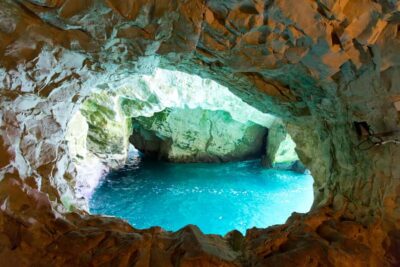
Caesarea, Acre & Rosh Hanikra Day Trip from Jerusalem
Read our review →
Unforgettable Tour to Caesarea, Haifa, Acre and Rosh HaNikra from Tel Aviv
Read our review →
Tel Aviv/Jerusalem: Caesarea, Haifa & Akko Day Tour
Read our review →
Browse the lists this tour appears in