
Reviewed · DEAD SEA TOURS
Jerusalem and the Dead Sea from Tel Aviv
Jerusalem’s ancient quarters and the Dead Sea make an unlikely but satisfying pair: one fills your morning with sacred places and crowded stone lanes, while the other gives you a strange, weightless afternoon in the desert. This tour covers both in about 10 hours from Tel Aviv, which is a strong choice if your Israel visit is short.
I like the wide sweep of the day, from Mount Scopus and the Temple Mount to the Western Wall, the Via Dolorosa, and the Dead Sea. I also like that guides such as Udi, Erez, Roy, and Lior are praised for clear explanations and humor. The main drawback is pace. Jerusalem requires hills, stairs, and steady walking, and delays can reduce the planned two hours at the Dead Sea.
Key points at a glance
- See three faith traditions in one morning: Walk through the Jewish, Christian, and Muslim quarters of Jerusalem’s Old City.
- Visit the Western Wall and Via Dolorosa: The route includes major sacred places, including the Church of the Holy Sepulchre.
- Float at the Dead Sea: You get about two hours for salt-water bathing, mud, sun, and desert views.
- Travel by air-conditioned coach: Hotel pickup and drop-off are offered, though your exact pickup point may be a nearby designated hotel.
- Prepare for a long walking day: Wear sturdy shoes and cover your shoulders and knees for religious sites.
- Good value for a first visit: At $133 per person, transport, guiding, and entrance fees are included, but food, drinks, towels, and some Dead Sea extras cost more.
Why Jerusalem and the Dead Sea Work in One Day

This is a classic first-timer’s outing because it joins two places that feel worlds apart. Jerusalem is all worn stone, prayer, pilgrimage, and layered history. The Dead Sea is open desert, brilliant light, and water so salty that you float without trying.
You will not get a slow, independent visit to either place. The tradeoff is coverage. In one day, you can see the core sights of Jerusalem and still experience the Dead Sea, something that is difficult to arrange by public transport on a tight schedule.
The tour begins early, with a stated start time of 7:15 a.m. The full day is usually around 10 hours, though traffic, group delays, and time spent gathering people can affect the return to Tel Aviv. I would not schedule an important evening appointment immediately after the tour.
A few more Dead Sea trips worth comparing
- From Tel Aviv: Masada & Dead Sea Full Day Tour with Pick Up
★ 4.5 · 1,496 reviews - Masada and the Dead Sea Day Trip from Tel Aviv
★ 4.5 · 1,014 reviews - Tel Aviv: Jerusalem, Bethlehem & Dead Sea
★ 4.0 · 881 reviews
The Coach Ride From Tel Aviv
The air-conditioned coach matters here. Jerusalem and the Dead Sea are far enough apart that private transfers would be expensive, and public transport would make this combination harder to manage in one day. A coach lets you rest between stops while the guide explains the setting and the religious traditions connected to Jerusalem.
Some coaches have Wi-Fi and charging ports, according to the details provided by past participants, though you should not assume every vehicle has identical equipment. The group can reach up to 40 people, so this is not a small private outing.
Pickup is offered, but check the exact meeting point carefully. The wording suggests hotel pickup and drop-off, while some departures use a nearby designated hotel rather than your own accommodation. If you are staying outside central Tel Aviv, confirm the arrangement before the morning of departure. One pickup from Herzliya was arranged by taxi at no extra cost, but that should be treated as an exception rather than a guarantee.
A coffee or bathroom stop may occur early in the day. That can feel like lost sightseeing time, but with such an early departure, I consider it useful. Many cafés and shops are not open when the bus leaves.
Mount Scopus and the First View of Jerusalem
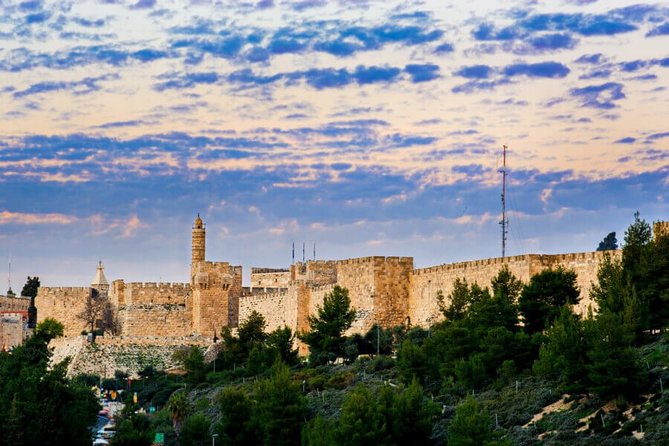
The first Jerusalem stop is Mount Scopus, where you get about 30 minutes for a broad view of the city. This is a smart opening because Jerusalem can feel confusing once you enter its narrow lanes. From above, you can see the Old City walls, the Temple Mount, and the dry hills around the city before the walking begins.
The stop also introduces the religious importance of the city. You will view the Dome of the Rock and Temple Mount from the outside, then see the Garden of Gethsemane, the Church of All Nations, and the Kidron Valley as the coach or walking route passes nearby.
Do not expect long visits inside each of these places. They are mainly viewing points on the way to the Old City. The value is orientation and context, not a detailed visit to every site.
Entering the Old City of Jerusalem
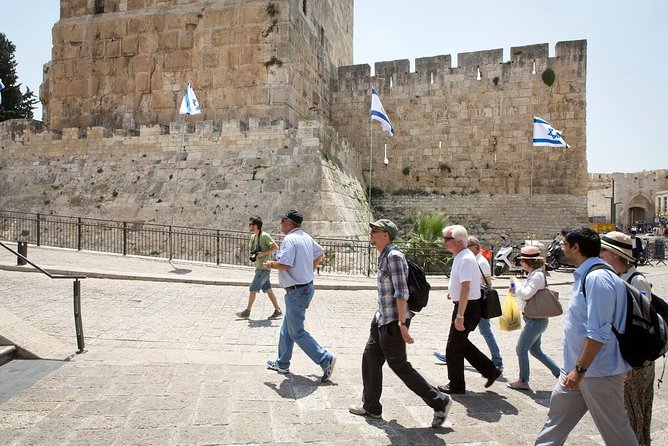
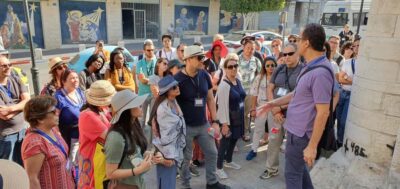
The Old City is the heart of the Jerusalem portion. The tour gives you about two hours here, divided among the Jewish, Christian, and Muslim quarters. That sounds generous until you factor in uneven paving, stairs, crowds, stops for explanations, and the need to keep a group together.
The streets are narrow and easy to lose track of. Your guide will lead you through the main route, but stay close and remember the meeting points. One of the practical complaints about this type of day is that unclear regrouping spots can make people walk back and forth or wait for someone who has fallen behind.
The upside is that a guide helps connect the places instead of leaving you to guess what you are seeing. Guides named Udi, Erez, Roy, Ami, Jacob, Telma, and Lior have all been associated with this departure, so the style can vary. The strongest feedback centers on guides who keep explanations lively and concise. If your guide gives longer talks, you may have less free time to browse or pause on your own.
A completely different sort of day out of Dead Sea:
- From Jerusalem: Masada & Dead Sea Full Day Tour with Pick Up
★ 4.5 · 815 reviews - Masada and the Dead Sea Day Trip from Jerusalem
★ 4.5 · 757 reviews - From Tel Aviv: Masada, Ein Gedi & Dead Sea Tour
★ 4.2 · 705 reviews - From Jerusalem/Tel Aviv: Bethlehem and Dead Sea Day Tour
★ 4.7 · 484 reviews
The Jewish Quarter and Byzantine Cardo
The Jewish Quarter includes a walk along the Byzantine Cardo, a reconstructed ancient street that shows how the Old City has been rebuilt and reused over many centuries. It is a quick stop of about 40 minutes, not a museum visit with time for every side street.
The Cardo gives you a sense of the city’s Roman and Byzantine layers. It also helps explain why Jerusalem can feel like several cities stacked together. Keep your eyes on the paving and walls, but do not expect a quiet archaeological stroll. This is a working quarter with visitors moving through it and a full group trying to stay together.
The Western Wall

The Western Wall is one of the morning’s most important stops. You have around 20 minutes to visit it, which is enough to approach the plaza, observe worshippers, and take in the setting, but not enough for a long, private visit.
The wall is a place of prayer, so behave respectfully and follow any directions from your guide. Dress matters here and at other religious sites. Men and women may need shoulders and knees covered, and shorts are specifically discouraged. A light scarf or cover-up is a useful addition to your day bag.
The short time allocation may disappoint anyone who wants to sit and reflect. Still, for a first visit, standing at the plaza and seeing the wall in its setting is meaningful. The guide’s explanation is especially useful because the importance of the site is not obvious from the stones alone.
Walking the Via Dolorosa
The Christian Quarter and Via Dolorosa follow. You will walk parts of the traditional route associated with Jesus’ final journey to crucifixion, passing some of the 14 Stations of the Cross.
This is not a quiet pilgrimage. The route runs through the Old City’s narrow streets, with shops, uneven paving, and people moving in several directions. That contrast is part of the experience. The Via Dolorosa is both a sacred route and an ordinary urban street.
About 40 minutes are set aside for the route. The guide’s commentary gives the stops meaning, especially if you are not familiar with the Gospel accounts or the customs of Christian pilgrimage. The physical side is worth noting: you will be walking uphill and downhill, often on old stone surfaces.
The Church of the Holy Sepulchre
The Church of the Holy Sepulchre receives about 30 minutes. For many people, this is the emotional center of the Jerusalem visit. The church is associated with the crucifixion, burial, and resurrection of Jesus, and several Christian traditions share responsibility for the building.
Thirty minutes can pass quickly, especially if there is a line or heavy foot traffic. The tour provides access to the church area, but it does not promise a long wait at every chapel or shrine. Follow the guide’s instructions closely so you do not miss the group’s departure point.
If this church is your main reason for visiting Jerusalem, a separate, longer visit would offer more time. If you want a broad first look at the city, the included stop gives you an important introduction.
The Muslim Quarter and Its Bazaar
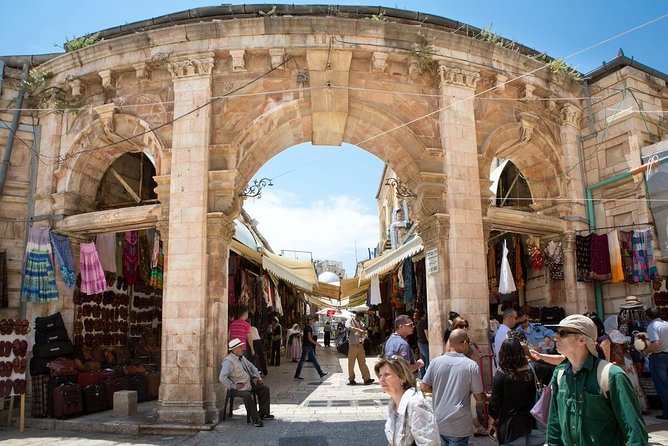
The Muslim Quarter brings a different mood and visual rhythm. The group walks through the bazaar for about 30 minutes, passing shops and narrow lanes on the way out of the Old City.
This is a place to stay alert. The route can be crowded, and it is easy to stop at a shop while the group continues. Keep your phone and small belongings secure, and listen for the next meeting point.
The bazaar is not a dedicated shopping stop, so do not count on time for serious bargaining or a relaxed meal. Its value is seeing how the Old City functions as a living neighborhood rather than a collection of isolated monuments.
The Drive to the Dead Sea
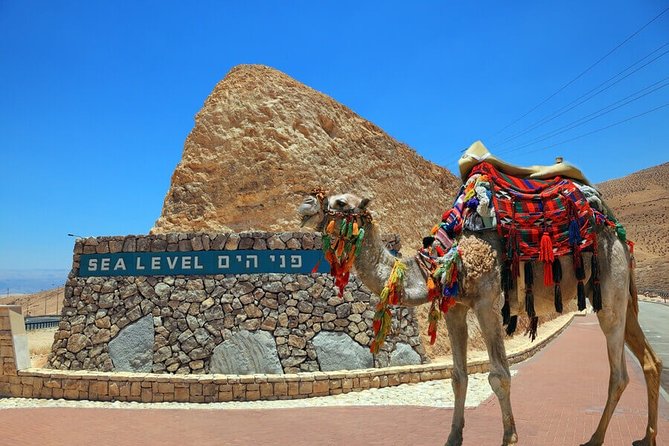
After Jerusalem, the coach heads toward the Dead Sea. The change is striking. The old stone streets give way to dry desert views and the broad salt lake, located about 400 meters below sea level, the lowest point on Earth.
The drive also passes near Jericho on the return journey. The itinerary does not describe a separate visit there, so treat it as a historical sight from the road rather than a stop where you can get out and explore.
This second half of the day is less demanding mentally but still shaped by the clock. The plan allows around two hours at the Dead Sea. That is enough to change, float, rinse off, and spend some time in the sun. If the Jerusalem portion runs late, your time at the water may be shortened. One reported outing left only about an hour, so keep that possibility in mind.
Floating in the Dead Sea
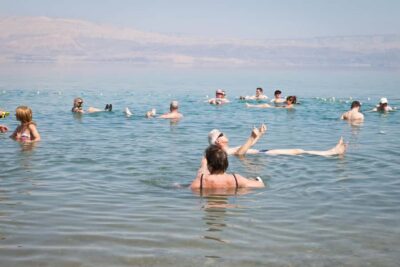
The Dead Sea is the tour’s most playful stop. You enter mineral-rich water and float high on the surface with very little effort. It feels strange at first, especially if you are used to swimming in ordinary seawater.
Follow the local safety instructions. Avoid splashing water into your eyes, and do not shave immediately before entering because salt water can sting irritated skin. The supplied details recommend a swimsuit, towel, hat, and sun protection. Bring water and protect yourself from the strong sun, though food and drinks are not included.
The mud bath is another option. You can cover yourself with mineral mud, let it dry, and rinse off in the water or shower area. The tour describes the mud as therapeutic, but I would treat the experience as a traditional spa-style activity rather than a medical treatment.
Changing facilities include lockers that may accept credit cards. Towels can be rented or purchased for a fee, so bringing your own saves money and time. You may also encounter extra charges at the beach facility, even though entrance is included.
This stop is not for everyone. The salt can sting cuts, and some people simply dislike the oily feel of mineral water. For many first-time visitors, though, floating in the Dead Sea is the unusual experience that makes the long day worthwhile.
How Much Walking Is Involved
The tour calls for a moderate amount of walking, but that phrase deserves attention. The Old City includes stairs, slopes, uneven stones, and periods of standing. You may also need to move quickly when the group changes location.
I would not choose this outing for someone who struggles with hills or stairs. One family found the walking much harder than expected while helping an older parent. Comfortable shoes are essential, and sandals with a secure strap are safer than loose flip-flops in Jerusalem.
The Dead Sea portion is easier physically, but changing rooms, the beach, and the water may still require walking. Children under four are not accepted, and most other participants can take part if they are comfortable with the walking demands.
Is $133 a Fair Price?
At $133 per person, the price is reasonable for a full-day outing that includes transport from Tel Aviv, a professional guide, entrance fees, and the Dead Sea visit. You are paying for convenience as much as sightseeing. Organizing Jerusalem and the Dead Sea independently would require separate transport plans and careful timing.
The value drops if your priority is slow exploration. You get short visits at several major sites, little independent time in the Old City, and no food or drinks. You should also budget for towel rental or purchase if you do not bring one.
For a first Israel visit, I think the price works well. For a second visit, or for someone focused on religious study, a private Jerusalem tour with more time at each site may be a better use of money.
Who Should Book This Day Trip
I would recommend it most strongly to:
- First-time visitors based in Tel Aviv
- People with only one free day for Jerusalem
- Anyone who wants a guided introduction to Jewish, Christian, and Muslim sites
- Visitors who want to experience the Dead Sea without arranging a separate transfer
- People comfortable with a long day and a fixed schedule
I would hesitate if you need a relaxed pace, have limited mobility, or have an evening reservation you cannot miss. The group may include up to 40 people, and the timing can shift when someone gets lost or the roads are slow.
Practical Packing Advice
Wear modest, breathable clothing with shoulders and knees covered. You can carry an extra layer for religious sites and a swimsuit for the Dead Sea.
Pack comfortable shoes, a towel, hat, sunscreen, water, and a small bag that closes securely. Bring a phone charger if your coach has a charging port, but do not rely on that feature. Food and drinks are not included, so carry something suitable or use the planned refreshment stop.
Confirm your exact pickup location, especially if your hotel is outside central Tel Aviv. Also confirm your return arrangement if you plan to stay at the Dead Sea afterward. This tour returns to Tel Aviv and does not provide hotel drop-off at Dead Sea resorts.
Should You Book It?
Book this tour if you want the efficient version of Israel’s two biggest day-trip sights. The combination is powerful: sacred Jerusalem in the morning, weightless Dead Sea relaxation in the afternoon, and no need to manage the transport yourself.
Skip it if you want long, quiet visits or need a carefully predictable schedule. For the right person, $133 buys a lot of ground, useful guiding, and one of the country’s most unusual natural experiences. Just wear proper shoes, confirm pickup details, and leave your evening open.
FAQ
How long does the Jerusalem and Dead Sea tour last?
The experience lasts approximately 10 hours, beginning around 7:15 a.m. and returning to Tel Aviv later in the day.
Is hotel pickup included?
Hotel pickup and drop-off are offered, but some departures use a nearby designated hotel rather than your exact accommodation. Confirm your meeting point before departure.
How much time is spent at the Dead Sea?
The planned visit lasts about two hours. Delays, traffic, or group members falling behind can reduce the actual time.
What should I bring to the Dead Sea?
Bring a swimsuit, towel, hat, sunscreen, and comfortable walking shoes. Towels can be rented or purchased, and lockers may accept credit cards.
Is the tour suitable for children?
Children under four are not permitted. Most other participants can take part, provided they are comfortable with the walking and stairs in Jerusalem.
Can I cancel for a full refund?
You can cancel at least 24 hours before the local start time for a full refund. Cancellations or changes made less than 24 hours before departure are not accepted for a refund.
Newest Dead Sea trips on the site
- Bethlehem & Dead Sea Day Tour from Jerusalem & Tel Aviv★ 4.5 · 40 reviews
- Ashdod Port Shore Excursion: Masada and the Dead Sea Day Tour from Ashdod Port★ 4.0 · 29 reviews
- Ashdod Shore Excursion: Jerusalem and Dead Sea – for cruise ship guests only★ 4.5 · 104 reviews
- Private Tour to Visit the Dead Sea★ 5.0 · 33 reviews
- Half Day Tour to Dead Sea From Amman★ 5.0 · 93 reviews
- Wadi Al Mujib Adventures From Amman, QAI Airport, Deadsea or Madaba★ 4.0 · 38 reviews
- Private Full Trip of Madaba City Mosaics,Mount Nebo,Dead Sea & Amman Sightseeing★ 4.5 · 42 reviews
- Private Half-Day Tour to the Dead Sea from Amman★ 4.5 · 44 reviews
Dead Sea Tours, compared.
Masada & Dead Sea Full Day Tour with Pick Up
Read our review →
Masada and the Dead Sea Day Trip from Tel Aviv
Read our review →
Masada and the Dead Sea Day Trip from Jerusalem
Read our review →
From Jerusalem/Tel Aviv: Bethlehem and Dead Sea Day Tour
Read our review →
Masada & Dead Sea Tour Including Entrance Fees
Read our review →Browse the lists this tour appears in