

Reviewed · FORTS & ANCIENT SITES
Private Old Dubai Walking Tour: Forts, Souks, and Boats
Dubai’s most useful history lesson may happen far from the glass towers. This two-hour Old Dubai walk takes you through Al Fahidi’s wind towers and courtyards, across the creek by wooden abra, and into the Gold and Spice Souks. It gives you a clear sense of how Dubai grew from a creekside settlement into the city you see today.
I like the easy pace and personal guide. Guides such as Pri, Ricky, Ricardo, and Patricia have been praised for explaining architecture, local customs, and modern UAE life without turning the walk into a lecture. I also like the simple route: old homes, bazaars, boat ride, gold, and spices, all in one compact outing.
The main consideration is that two hours goes fast. The Dubai Museum is closed for renovation, so you only see the fort and museum area from outside. At $99 per person, the tour makes the most sense if you value a private guide and focused conversation, not if you only want to be shown the streets.
Key points to know before booking
- Al Fahidi comes first: Walk through former homes now used as cafes, galleries, museums, and hotels.
- The museum is not open: Your guide explains the Al Fahidi Fort, old city wall, and museum from outside.
- Hindi Lane adds a cultural pause: This narrow temple lane is a short but memorable stop near the old quarter.
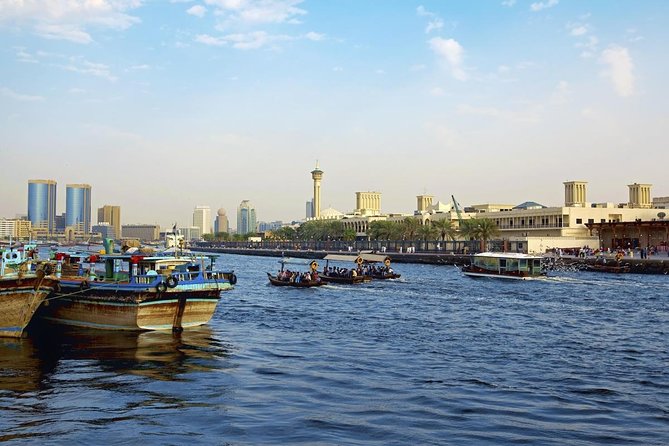
- The abra ride links both halves of the tour: A wooden boat carries you across Dubai Creek toward Deira.
- Shopping is part of the experience: You can browse textiles, gold, spices, tea, saffron, vanilla, dates, and camel milk chocolates.
- The guide shapes the day: Pri, Ricky, Ricardo, Patricia, and Sameh have all led tours, so the style can vary slightly.
Why Old Dubai is the right place to start
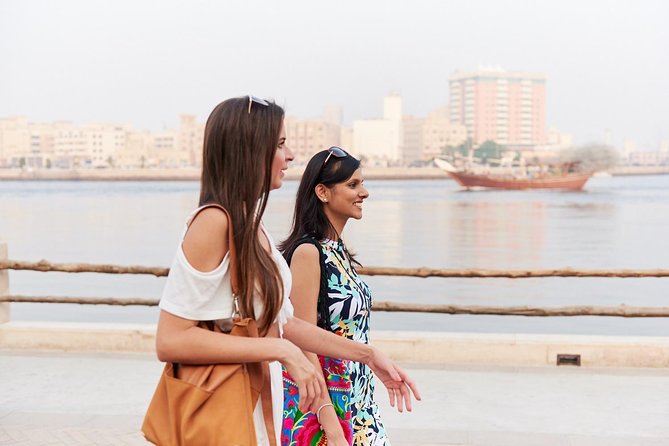
Modern Dubai is easy to admire but harder to understand. Its towers, malls, and highways tell only the newest part of the story. Around Al Fahidi and Dubai Creek, you get a more useful introduction to the city’s trading roots, architecture, religious communities, and daily life.
The tour begins at Arabian Tea House Restaurant and Cafe in Al Fahidi. That is a practical meeting point in the historic quarter, near the old Musalla Post Office. From here, the route moves on foot through lanes that feel far removed from Sheikh Zayed Road.
I like this starting point because your guide can give the city context before you spend time in the markets. Instead of arriving at the souks with no idea what you are seeing, you first learn how homes were designed, why wind towers mattered, and how the creek shaped trade.
The walk is also useful for first-time visitors who do not want to sort out the old quarters alone. The lanes can feel confusing at first, and the markets are full of competing shopfronts. A guide helps you keep moving while pointing out details you could easily miss.
More Souk & Old Town Tours in Dubai
- Dubai: Old Town, Creek, Museums, Souks, & Street Food Tour
★ 4.8 · 10,816 reviews - Dubai: Old Town, Souks, Street Food, Guided Tour & Abra Ride
★ 4.9 · 7,170 reviews - Dubai: Frame Tickets, Creek, Souks & Blue Mosque Guided Tour
★ 4.8 · 5,980 reviews
Al Fahidi’s wind towers and courtyard homes
The longest stop is Al Fahidi Historical Neighbourhood, with about 45 minutes set aside for the area. This is the architectural heart of the walk, and it gives the tour its strongest sense of place.
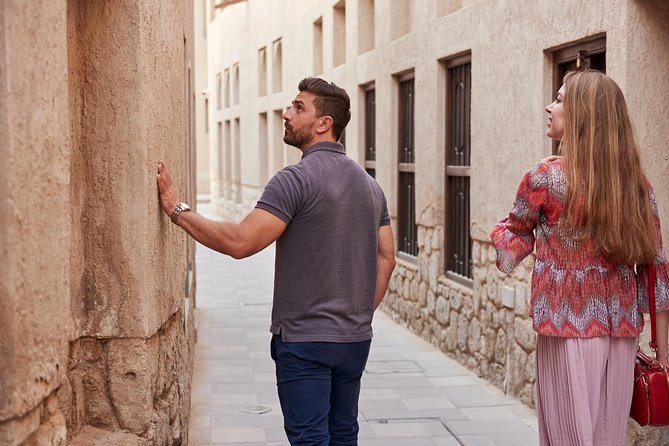
The former homes here have been adapted into cafes, art galleries, hotels, and cultural spaces. Their thick walls, shaded courtyards, and wind towers offer clues about life before air conditioning. Your guide can connect those features to the climate and to the way families once organized their homes.
The wind towers are especially worth your attention. They are not just decorative towers added for photographs. They were built to catch air and help cool the rooms below. Look closely at how the homes face inward toward courtyards rather than outward toward broad streets.
This section rewards curiosity more than speed. Stop to examine doorways, plasterwork, and narrow passages. The tour is described as an easy, casual walk, and that matters here. You have time to ask about architecture, family life, and the changes that turned this old settlement into a cultural district.
The route also shows how heritage buildings can have new uses. A cafe or gallery inside an old home is not the same as seeing a preserved building behind glass. You get a sense of how the quarter functions today, even as it recalls an earlier Dubai.
Al Fahidi Fort and the closed Dubai Museum
The Dubai Museum is currently closed for renovation. That changes the experience in a practical way. You will not walk through the museum galleries or see its usual displays.
Instead, the guide explains the museum, the old Dubai wall, and Al Fahidi Fort from outside. The fort remains important because it helps anchor the story of the city’s early settlement and defense. It is worth seeing, but you should not book this tour expecting a museum visit.
This is the clearest limitation in the itinerary. If an interior museum collection is essential to your plans, you will need another activity or a later visit after renovation. Still, the exterior explanation fits well with the walking route because the guide can place the fort within the wider old quarter rather than treating it as an isolated sight.
Hindi Lane and the Textile Souk
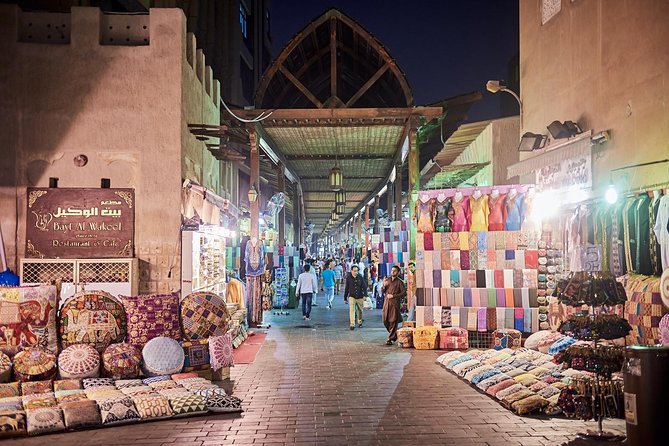
Hindi Lane is a brief five-minute stop. It is a narrow lane leading toward a Hindu temple, tucked into the older part of Bur Dubai. The visit is short, but it adds a different layer to the area and shows how several religious and trading communities have shaped life around the creek.
Do not expect a long temple visit. The value is in seeing the lane and hearing its place in the neighborhood. In a city often reduced to luxury hotels and shopping malls, this small stop helps you notice the older mix of communities.
The Textile Souk follows, with about 15 minutes for fabrics and swatches. This area recalls the textile trade that once formed an important part of commerce in the region. You might see cashmere and other fabrics, and there is time to shop if something catches your eye.
The shopping stop is flexible in spirit, but you should keep the clock in mind. Two hours is not enough for a long negotiation session and a full sightseeing walk. If you want to buy fabric, decide early how much time you are willing to spend.
A useful advantage of having a guide is that you can ask basic questions before buying. You can also get help understanding the difference between browsing and making a serious purchase. The tour description specifically allows time for shopping, but it does not promise a particular shop or product.
More Walking Tours in Dubai
- Middle Eastern Food & Culture Walk in Old Dubai
★ 5.0 · 206 reviews - Historic Old Dubai & Souk Small Group Walking Tour
★ 5.0 · 156 reviews - Dubai Souks, Food & Culture Walking Tour
★ 5.0 · 132 reviews - Dubai: Private Old Town, Heritage & Souks Walking Tour
★ 4.9 · 102 reviews
Crossing Dubai Creek by abra
The abra ride takes roughly 10 minutes and is one of the tour’s best transitions. The small wooden boat carries you from Bur Dubai toward Deira, turning transportation into part of the sightseeing.
Dubai Creek is not just a scenic strip of water. It is the reason these two old districts developed where they did. Crossing it gives you a physical sense of the city’s two-sided trading center, with Bur Dubai on one bank and Deira on the other.
The boat also breaks up the walking. That matters in Dubai, where heat can make even a short route feel longer than expected. You are still outside, but you get a welcome change of pace before entering the markets.
The included ride is listed as a private abra experience, although one account described a group of about 10 people on a two-hour walk. If having only your own party is important, confirm the exact arrangement at booking. The tour is presented as private, with only your group participating, but group descriptions can vary.
Deira’s Gold Souk, where shopping meets spectacle
The Gold Souk is a short 10-minute stop. Even if you have no plan to buy jewelry, it is worth seeing for the sheer scale and display of gold shops.
The useful part of the stop is the explanation. Your guide can help you understand what you are looking at and how the market fits into Dubai’s wider trading culture. You can browse without treating the visit as a sales appointment.
Ten minutes is enough for an introduction, not a complete shopping expedition. If you intend to compare pieces, ask questions, or negotiate, you may need to return on your own after the tour. The tour ends in this part of Deira, so returning later is practical.
Keep your expectations sensible. The souk is a working retail area, not a quiet museum. Shopkeepers may approach you, and displays are designed to attract attention. A guide can make the stop less confusing, but you remain responsible for your own purchases.
Spice aromas, tea, dates, and camel milk chocolate
The final scheduled stop is the Spice Souk, with about 15 minutes. This is where the tour becomes especially sensory. You learn about saffron, vanilla, spices, and teas, and the experience includes tasting dates and camel milk chocolates.
That tasting element gives the stop more purpose than simply walking past sacks and jars. You can ask what the products are used for, how they differ, and what might make a good gift. The range of teas and spices can be surprising, especially if your idea of Dubai has been shaped mainly by malls and modern restaurants.
Again, the short timing is both a strength and a weakness. It gives you a lively introduction without allowing the market to consume the whole afternoon. But if you enjoy food shopping, you will probably want to come back later with more time.
The tour ends at Dubai Gold Souk in Deira, not back at the starting point. Plan the rest of your day from that side of the creek. That ending works well if you want to continue exploring Deira, but it may require extra transport if your next stop is elsewhere.
The guide makes the biggest difference
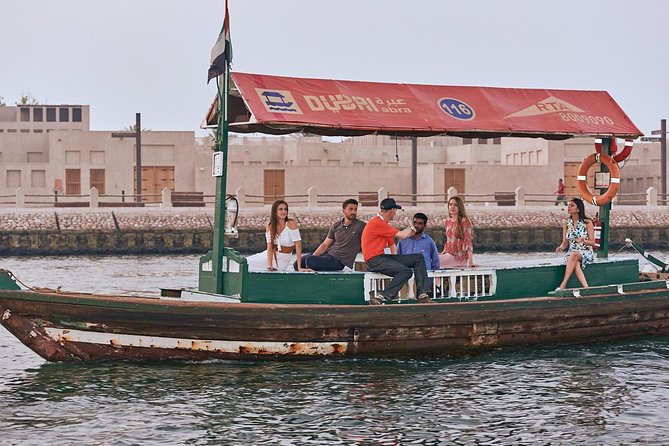
This is a guide-led experience, so the person assigned to your group matters more than any single building. The most praised guides include Pri, Ricky, Ricardo, and Patricia, with Sameh also leading a pleasant and interactive walk.
Pri has been described as polite, humorous, and especially strong at explaining UAE history and culture. She has also taken groups to an art center and offered useful recommendations. Ricky is associated with a friendly, relaxed style and with introducing visitors to shop owners in the markets.
Ricardo has been praised for being personable and energetic, with one tour lasting about two and a half hours instead of the advertised two. Patricia is noted for keeping an easy pace and explaining both historic Dubai and modern life. These details suggest a tour that can feel conversational rather than scripted.
You should still allow for differences between guides. One person may focus more on architecture, another on food and shopping, and another on social history. The strong guide feedback is a reason to book, but it is not a guarantee that you will receive a specific guide unless the company confirms one.
The private format is valuable if you want to ask questions freely or adjust the amount of time spent browsing. It also suits couples and families who prefer not to keep pace with a large group. One account described a group of about 10, so confirm the expected party size if privacy is central to your decision.
Is $99 per person good value?
At $99 per person, this is not the cheapest way to see Old Dubai. You can walk through Al Fahidi and the souks independently, and the public abra crossing costs little compared with the tour price.
The question is what you are buying beyond transport. The fee includes a local resident guide, coffee or tea, a private abra ride, and a planned route that joins several places that can be awkward to connect on your own. It also buys the chance to ask questions about culture, buildings, shopping, food, and local life in one sitting.
I see the price as fair for a private, guide-heavy introduction, especially for a first visit or a short Dubai stopover. It is less appealing if you already know the old quarters, dislike guided shopping areas, or want to spend a long time inside the markets.
The experience is also good value for visitors who have limited time. In two hours, you cover Al Fahidi, Hindi Lane, the Textile Souk, the creek, the Gold Souk, and the Spice Souk. That is a lot of ground, even if each market stop is brief.
Coffee or tea and small tastings are included, but do not treat the tour as a full meal. The focus is orientation, stories, and a sampling of local products.
Practical details for a smoother walk
The meeting point is Arabian Tea House Restaurant and Cafe in Al Fahidi. The tour ends at Dubai Gold Souk in Deira, so do not assume you will return to the starting point.
The operator provides guidance before and after the tour, and one account found the Metro route to the meeting point easy to use. The meeting area is near public transportation, which helps if you are not staying in the old city.
Wear comfortable shoes and bring water, particularly if you are visiting in hot weather. The pace is generally easy, but you will spend most of the experience outdoors and on foot.
Confirmation arrives at booking. Service animals are allowed, and most people can participate. The experience has free cancellation up to 24 hours before the start time. Changes or cancellations made inside that window are not accepted for a refund.
Who should book this Old Dubai tour?
I would recommend it most strongly to first-time visitors, couples, families, and anyone who wants the old city explained rather than simply photographed. It is also a smart first-day activity because it gives you practical ideas for later meals, shopping, and independent walks.
The route suits people who want several different experiences in a short period: architecture, religion, local trade, a boat crossing, gold, spices, tea, and sweets. The guide-led format is helpful if you want context about UAE culture and do not want to worry about getting lost.
I would hesitate if you want a long museum visit, a serious shopping trip, or a slow photography walk. The museum is closed, the market stops are short, and the $99 price is built around personal guiding rather than admission tickets.
Should you book it?
Book this tour if you want Old Dubai to make sense quickly. The strongest reasons are the calm walking pace, the personal conversation, the abra crossing, and the way the route connects Al Fahidi with Deira’s markets.
Skip it if you are comfortable navigating alone and prefer to spend several hours shopping or exploring at your own speed. For everyone else, this is a well-shaped introduction to the part of Dubai that skyscrapers cannot explain.
FAQ
How long does the Old Dubai walking tour last?
The tour is listed as approximately two hours. One account described a tour lasting about two and a half hours, so the actual timing may vary slightly.
Where does the tour begin?
It begins at Arabian Tea House Restaurant and Cafe in Al Fahidi, near the Musalla Post Office in Bur Dubai.
Where does the tour end?
The tour ends at Dubai Gold Souk in Deira, in the Al Ras area.
Is the Dubai Museum included?
No. The Dubai Museum is currently closed for renovation. The guide explains the museum, Al Fahidi Fort, and the old Dubai wall from outside.
Is the abra boat ride included?
Yes. The tour includes a wooden abra ride across Dubai Creek.
Is this a private tour?
The experience is described as private, with only your group participating. One account described a group of about 10, so confirm the expected group arrangement if this is important to you.
What happens if I need to cancel?
You can cancel up to 24 hours before the experience for a full refund. Cancellations or changes made less than 24 hours before the start time are not accepted for a refund.
More Forts & Ancient Sites in Dubai
- Desert Safari: Luxury Fortress Dinner, Camel Ride & Dune Bashing
★ 5.0 · 929 reviews - Dubai: Luxury Desert Fortress Dinner, Camel Ride & Live Shows
★ 5.0 · 373 reviews - Dubai’s Ancient Charm Tour
★ 3.8 · 371 reviews - Historic Forts, Boats and Pearls of Old Dubai Walking Tour
★ 5.0 · 31 reviews
Newest Dubai trips on the site
- Dubai Desert Safari with Camel Ride, Show, BBQ and Transfers★ 5.0 · 46 reviews
- Dubai Desert Excursions with BBQ Dinner & Live Entertainment★ 5.0 · 25 reviews
- Dubai Desert Safari with Belly Dance, Fire Show and Tanura Show-The Full Package★ 5.0 · 95 reviews
- Dubai: Desert Safari with Camel Ride & Dune Bashing★ 4.0 · 22 reviews
- Dubai Evening4x4Desert Safari BBQ Dinner,4 Live Shows,Camel Ride★ 5.0 · 141 reviews
- Private Evening Desert safari with BBQ Dinner & Entertainment★ 5.0 · 45 reviews
- Dubai Desert Safari with BBQ and 4WD Land Cruiser Dune Bashing★ 5.0 · 133 reviews
- Polarize Dune Buggy 1000cc in Red Dunes Desert★ 5.0 · 26 reviews
Forts & Ancient Sites, compared.
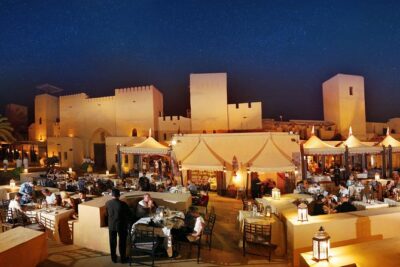
Luxury Desert Fortress Dinner, Camel Ride & Live Shows
Read our review →
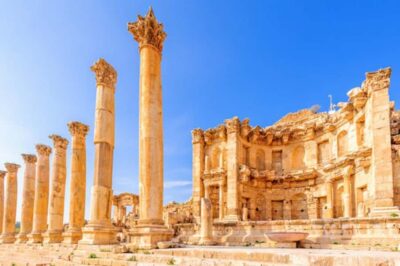
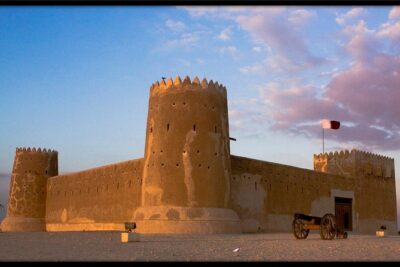
North Qatar Tour | Zubara Fort | Purple Island | Mangros Colony
Read our review →
Dune Buggy Experience and Dinner at Mleiha Archaeological Center
Read our review →
Doha North Qatar Tour Zubara Fort, Mangroves, Jumail Village
Read our review →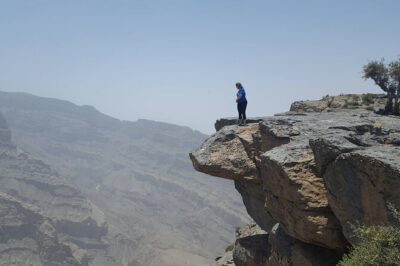
Nizwa Fort-Nizwa Souq-Misfah Al Arbyeen-Jebel Shams – Private Full Day Tour
Read our review →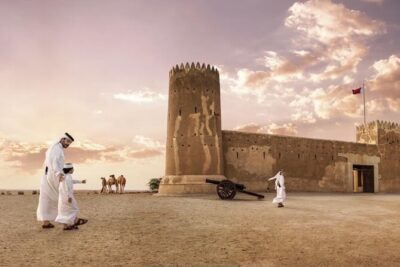
North of Qatar Tour to Olafur Eliasson Zubara Fort Jumail Village
Read our review →Browse the lists this tour appears in