
Reviewed · SOUKS & OLD TOWNS
Discover Heart of Dubai’s Old Town, Heritage, Abra & Souqs
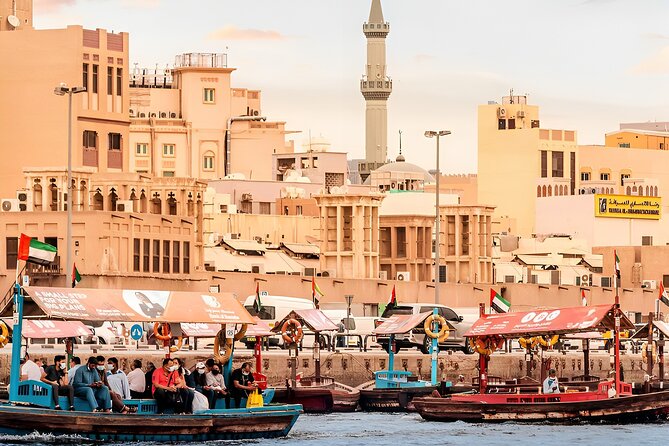
Dubai’s modern skyline gets the attention, but Al Fahidi Historical Neighbourhood shows you the Dubai that came before the towers. In three hours, Muhammad leads you through old courtyard homes, across Dubai Creek by abra, and into the Spice and Gold Souks.
I like the small maximum of 10 people, which gives Muhammad room to answer questions and help with souk bargaining. I also like the route itself: it moves from quiet lanes to noisy markets without wasting time on long transfers.
The main drawback is the pace. You get a strong introduction, not a full study of Old Dubai. The Gold Souk can also feel commercial and sales-focused, so this suits you best if you want cultural orientation plus shopping, not a museum-heavy history tour.
Key points at a glance
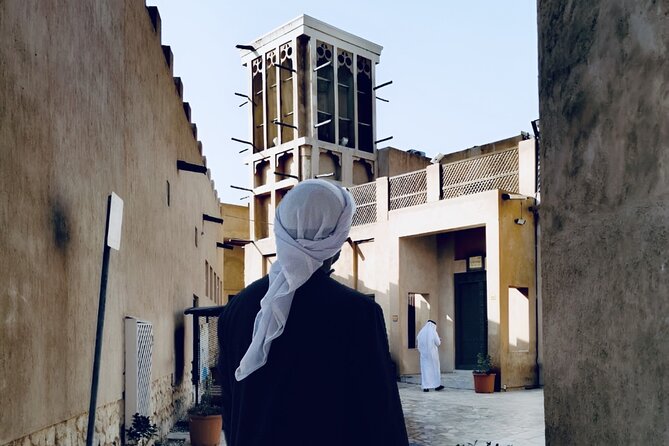
- Al Fahidi’s wind towers and alleyways: See traditional buildings made with stone, gypsum, teak, sandalwood, palm wood, and fronds.
- A short abra crossing: Ride the wooden boats that still carry people across Dubai Creek.
- Two very different souks: Smell herbs and spices in Deira, then browse gold, silver, diamonds, and other jewelry.
- Muhammad as your local guide: Expect cultural explanations, answers to questions, and practical help when negotiating purchases.
- A small-group setting: The tour is limited to 10 people, useful in narrow lanes and crowded market streets.
- Good value at $33.21: The price covers about three hours and the included abra ride, with no long citywide transfers.
Why this route gives you a better picture of Dubai
Dubai is easy to misunderstand if you only visit its malls, hotels, and record-breaking towers. The old districts around Dubai Creek explain how the city functioned before oil wealth and large-scale development changed its scale.
This experience links four useful pieces of that story. Al Fahidi shows domestic life and architecture. The abra connects the two sides of the creek. The Spice Souk introduces the trading culture of Deira, while the Gold Souk shows how commerce still shapes the area.
I like this order because it builds naturally. You begin with quiet streets and old buildings, then cross the water and move into the market district. By the end, you have seen both the residential side of old Dubai and its trading heart.
The tour lasts about three hours. That is enough time to get your bearings without turning the day into a long walking marathon. It is also short enough to fit before a flight, after a business meeting, or alongside a larger Dubai schedule.
The meeting point is at Al Fahidi Historical Neighbourhood, and the tour ends at Dubai Gold Souk in Deira, near Al Ras. This one-way route matters. You do not finish where you started, so plan your next stop from Deira rather than expecting a return transfer.
More Historical Tours in Dubai
- Dubai Evening Heritage Safari by Vintage G Class Al Marmoom Oasis
★ 5.0 · 1,500 reviews - Dubai Camel Desert Safari, Traditional Meal & Heritage Activities
★ 5.0 · 937 reviews - Dubai: Heritage Safari in Vintage Land Rover with Dinner
★ 4.8 · 861 reviews
Al Fahidi’s wind towers and shaded lanes
Allow about an hour for Al Fahidi Historical Neighbourhood, the longest stop on the route. This is where Muhammad can explain the old building methods and the everyday customs that shaped Dubai from the mid-19th century through the 1970s.
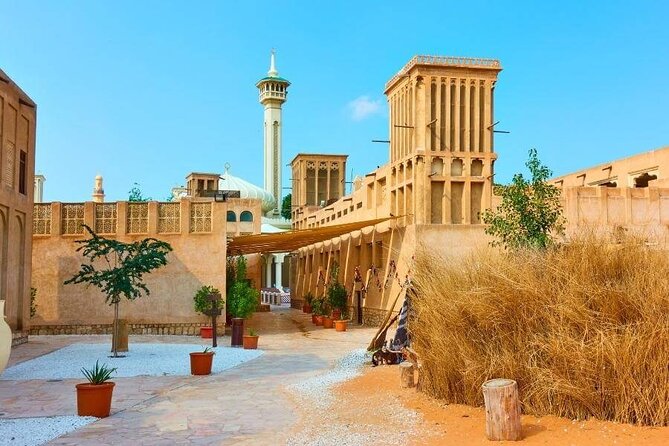
The district is made up of narrow lanes, small squares, and buildings placed close together. Their tall wind towers, known as barajeel, were designed as part of traditional homes and are now one of the area’s most recognizable features.
You will see construction materials that feel very different from the glass and steel of modern Dubai. Stone, gypsum, teak, sandalwood, palm wood, and fronds were used in ways suited to the local climate and available resources.
The value here is not just visual. A guide can help you notice why the homes are arranged as they are, how the lanes create shade, and how the neighborhood reflects family life and social customs. Without that context, Al Fahidi can look like a photogenic collection of old walls. With Muhammad’s explanations, it becomes a window into how people lived.
I especially like that this part gives you time to ask questions. The guide has been praised for explaining local customs, traditions, rules, and the role of the ruling family, not just pointing out buildings. That broader context can make the visit useful for first-time visitors who want to understand present-day Dubai as well as its past.
Still, keep your expectations sensible. This is a neighborhood walk, not a long museum visit. The tour information does not promise entry to every building or a formal cultural performance. The strongest experience comes from the lanes, architecture, and conversation with Muhammad.
Crossing Dubai Creek by abra
The next step is a short ride from Deira Old Souk Abra Station. The crossing lasts about 10 minutes, but it gives the tour a change of rhythm and connects the history of the two districts.
An abra is a traditional wooden boat used to cross Dubai Creek. The name comes from the Arabic verb abara, meaning to cross. These boats are not presented as a decorative relic. They remain a practical symbol of how the creek has linked communities and trade.
This is one of the best-value details in the experience because it is both transport and sightseeing. From the water, you get a brief pause between the calm lanes of Al Fahidi and the busy market streets of Deira.
Do not expect a long cruise. The crossing is short, and the tour moves on quickly. That is part of the appeal. You get the essential creek experience without spending an hour on a sightseeing boat.
The abra ticket is included, so you do not need to arrange that separately. Since the route is one-way, the crossing also helps explain the logic of the tour: old neighborhood first, Deira markets second.
The Spice Souk in 50 minutes
The Spice Souk is the most sensory part of the afternoon. Give yourself time to look closely at the baskets and displays of herbs, spices, and other ingredients. The colors and smells change from stall to stall, and the market offers a more immediate connection to food and trade than a standard city sightseeing stop.
Muhammad can explain how the spices are used and help you understand what you are seeing. This is useful if you are unfamiliar with the ingredients or unsure how to respond to a vendor’s sales pitch.
The 50-minute stop is long enough for an introduction, some browsing, and perhaps a purchase. It is not so long that the market becomes tiring. You can ask about flavors, recipes, and local cooking traditions, then decide if anything belongs in your suitcase.
A practical point: this is a working market, not a quiet exhibition. Sellers may encourage you to buy, and prices may not always be immediately clear. The strongest benefit of having Muhammad with you is his help with the social side of shopping. He can assist with negotiations and help you feel more comfortable in the stalls.
That does not mean you need to buy anything. Treat the Spice Souk as a place to look, smell, ask questions, and compare. If you do shop, ask about the price and quantity before agreeing. A guide’s presence can make the process less awkward, but you still control the purchase.
The Spice Souk suits you if you enjoy food culture and everyday commerce. If you dislike sales attention, the stop may feel more demanding than Al Fahidi. Muhammad’s guidance helps, but the souk remains a market.
More Souk & Old Town Tours in Dubai
- Dubai: Old Town, Creek, Museums, Souks, & Street Food Tour
★ 4.8 · 10,816 reviews - Dubai: Old Town, Souks, Street Food, Guided Tour & Abra Ride
★ 4.9 · 7,170 reviews - Dubai: Frame Tickets, Creek, Souks & Blue Mosque Guided Tour
★ 4.8 · 5,980 reviews - Dubai Aladdin Tour: Souks, Creek, Old Dubai and Tastings
★ 5.0 · 3,755 reviews
The Gold Souk and the end in Deira
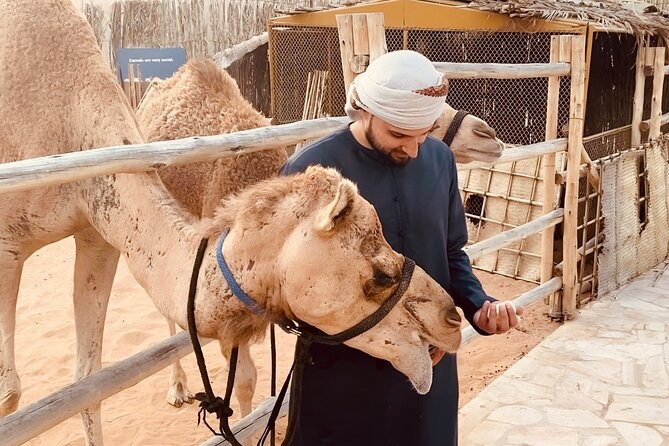
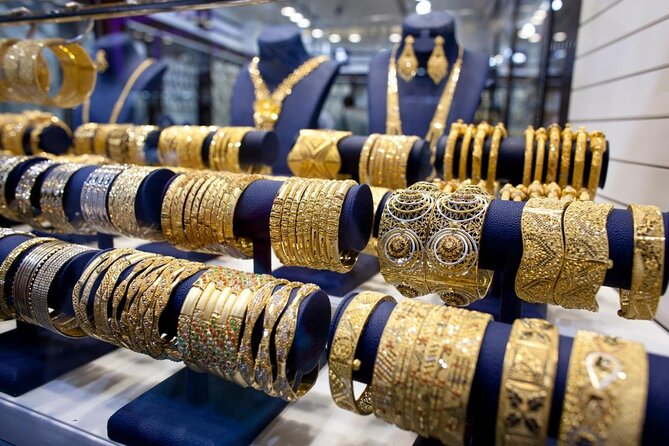
The final 50-minute stop is the Dubai Gold Souk, one of the city’s best-known traditional markets. Covered walkways lead between many retailers selling gold, silver, diamonds, and other precious stones and metals.
The contrast with Al Fahidi is striking. There, the focus is on homes, alleys, and domestic life. Here, displays and shop windows put trade at center stage. Even if you have no plan to buy jewelry, the scale and density of the market make it worth seeing.
This is another place where Muhammad’s assistance can be practical. The guide has helped people negotiate prices and has made sure groups are treated fairly in the shops. That does not replace your own judgment, especially with valuable purchases, but it gives you a local point of reference.
You should not feel pressured to shop simply because you are in the Gold Souk. The market is also a cultural sight, showing how Dubai’s commercial identity grew around the creek. Take time to compare displays and listen to Muhammad’s explanation of the area.
The tour ends at Dubai Gold Souk in Al Ras, Deira. This is useful if you want to continue exploring Deira afterward, but less convenient if your hotel is back near Al Fahidi. Since the experience does not include a return transfer, check your route before booking.
What Muhammad adds to the experience
The guide is central here. Muhammad is described as friendly, attentive, and willing to tailor the outing to your interests. That matters because the same route can feel very different depending on how much you want to focus on architecture, food, customs, shopping, or modern Dubai.
He also appears to be good with mixed-age groups. Children can lose interest during a history walk, but the route offers changing scenery, a boat crossing, colorful market displays, and room for questions. That variety helps keep the experience moving.
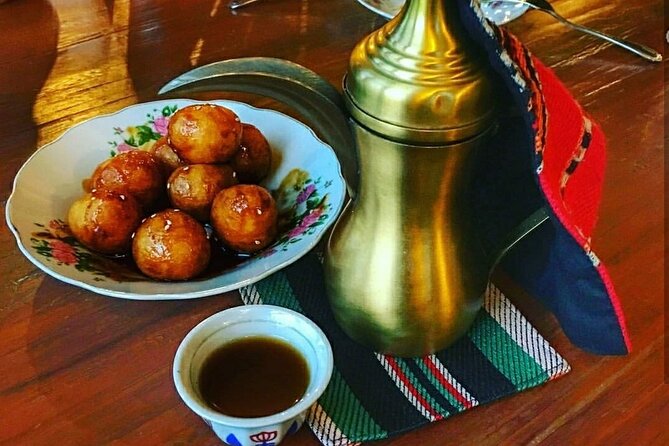
The strongest praise centers on his cultural explanations and personal attention. He has helped answer questions, explain local rules and traditions, guide people through the souks, and suggest food options after the tour. One account includes traditional Arabic tea with dates and help finding an Indian restaurant, though these should be treated as possible personal touches rather than guaranteed inclusions.
If you want a guide who simply leads you from stop to stop, this tour may offer more conversation than you need. If you want someone who can interpret what you see and help you handle the markets, Muhammad is a major reason to consider it.
Is $33.21 a fair price?
At $33.21 per person, this is a reasonable price for a three-hour small-group introduction to Old Dubai. The value comes from the route and the guide rather than from expensive admissions or elaborate transport.
You get a licensed local guide, the abra ride, and a carefully connected set of neighborhoods and markets. The group is capped at 10 people, which is more useful here than it might be on a large bus tour. Narrow lanes and busy souks are easier to manage when you are not part of a crowd.
The price does not mean you are buying a full-day cultural program. There is no stated meal, extended museum visit, or return transport. You should also budget separately for anything you choose to purchase in the Spice or Gold Souks.
I consider the tour good value if Old Dubai is new to you and you want a clear introduction without spending half a day. It is less compelling if you already know Al Fahidi and Deira well or prefer to explore markets alone at your own pace.
The experience is often booked well ahead, around 46 days in advance on average. That suggests you should not leave it until the last minute if your Dubai dates are fixed.
Who should book this Old Dubai walk?
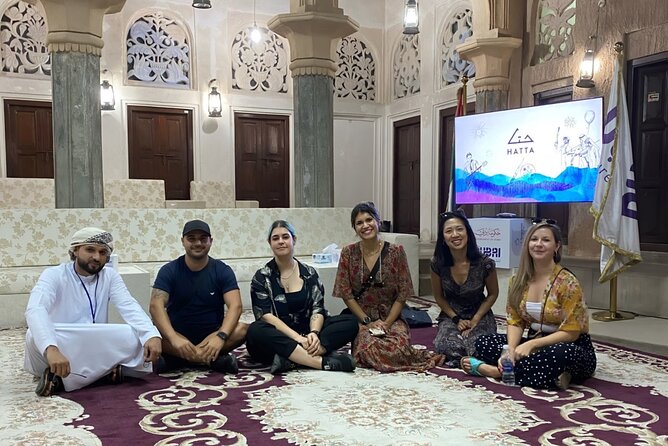
I would recommend it to first-time visitors who want more than a skyline view. It also fits a business visitor with a few free hours, a family looking for a manageable cultural outing, and anyone uneasy about entering the souks alone.
The route works especially well for you if you want:
- A short introduction to Dubai’s older neighborhoods
- A local explanation of customs and traditional homes
- A simple abra crossing without booking a separate cruise
- Help understanding prices and bargaining in the markets
- A small group instead of a large coach
- A finish in Deira, where you can continue exploring
You may want a different experience if you need air-conditioned transport, dislike walking through markets, or want a detailed archaeological and museum-based study. The route is practical and social, with some shopping exposure built in.
Wear comfortable clothing suitable for walking and expect market streets rather than polished attractions. Since Dubai’s weather can affect operations, the experience may be moved or canceled in poor conditions.
Cancellation is free up to 24 hours before the start time for a full refund. Inside that window, changes and refunds are not accepted. The tour also requires a minimum number of participants, so a cancellation for that reason comes with the choice of another date or experience, or a full refund.
Should you book it?
Book this tour if you want a well-paced first look at Dubai’s older side, especially if you value a guide who can explain customs and make the souks feel less intimidating. Muhammad’s personal help in the markets is a useful bonus, and the small group keeps the experience from becoming impersonal.
Skip it if you already know Al Fahidi and the Deira markets, or if you want a long, formal history lecture. For most first-time visitors, though, $33.21 buys a sensible route, a traditional boat crossing, and a much clearer understanding of the city beyond its modern skyline.
FAQ
How long does the Old Dubai tour last?
The experience lasts approximately three hours.
Where does the tour begin?
It begins at Al Fahidi Historical Neighbourhood in Dubai.
Where does the tour end?
The tour ends at Dubai Gold Souk in Deira, in the Al Ras area of Dubai.
Is the abra ride included?
Yes. The 10-minute abra ride from Deira Old Souk Abra Station is listed with admission included.
What places are visited?
The route includes Al Fahidi Historical Neighbourhood, the abra station, Dubai Spice Souk, and Dubai Gold Souk.
How many people can join the tour?
The experience has a maximum group size of 10 people.
Can I cancel for a full refund?
Yes. You can cancel at least 24 hours before the experience starts for a full refund. Cancellations or changes made within 24 hours are not refunded or accepted.
More Abra Rides in Dubai
- Dubai: Old Town, Souks, Street Food, Guided Tour & Abra Ride
★ 5.0 · 1,664 reviews - Dubai City Tour: Old & New Dubai Abra Ride, Palm Island, Souks
★ 5.0 · 1,420 reviews - Dubai: Authentic Old Town, Souks, Tastings & Abra Boat Tour
★ 5.0 · 845 reviews - Old Dubai tour: Local Market, Tasting, Dubai creek with Abra ride
★ 5.0 · 834 reviews
Newest Dubai trips on the site
- Dubai Desert Safari with Camel Ride, Show, BBQ and Transfers★ 5.0 · 46 reviews
- Dubai Desert Excursions with BBQ Dinner & Live Entertainment★ 5.0 · 25 reviews
- Dubai Desert Safari with Belly Dance, Fire Show and Tanura Show-The Full Package★ 5.0 · 95 reviews
- Dubai Evening4x4Desert Safari BBQ Dinner,4 Live Shows,Camel Ride★ 5.0 · 141 reviews
- Dubai: Desert Safari with Camel Ride & Dune Bashing★ 4.0 · 22 reviews
- Dubai Desert Safari with BBQ and 4WD Land Cruiser Dune Bashing★ 5.0 · 133 reviews
- Polarize Dune Buggy 1000cc in Red Dunes Desert★ 5.0 · 26 reviews
- Private Evening Desert safari with BBQ Dinner & Entertainment★ 5.0 · 45 reviews
Souks & Old Towns, compared.
Old Town, Creek, Museums, Souks, & Street Food Tour
Read our review →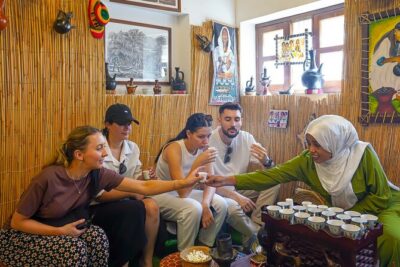
Old Town, Souks, Street Food, Guided Tour & Abra Ride
Read our review →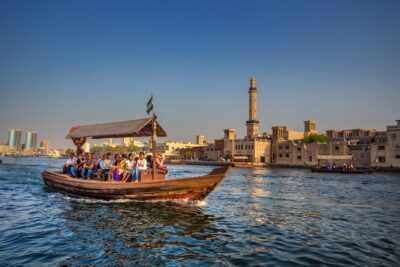
Frame Tickets, Creek, Souks & Blue Mosque Guided Tour
Read our review →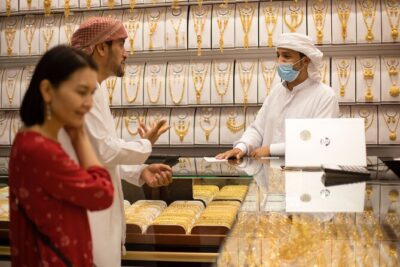
Dubai Aladdin Tour: Souks, Creek, Old Dubai and Tastings
Read our review →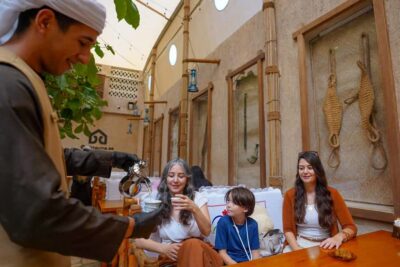
Half-Day City Tour with Blue Mosque, Creek, and Souks
Read our review →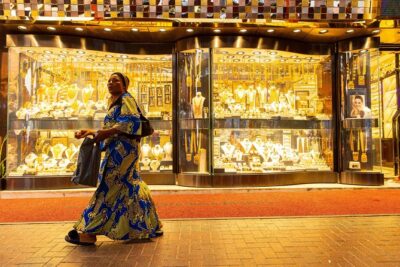
Dubai Half-Day City Tour with Visit to Dubai Gold Souk
Read our review →Old Town, Souks, Street Food, Guided Tour & Abra Ride
Read our review →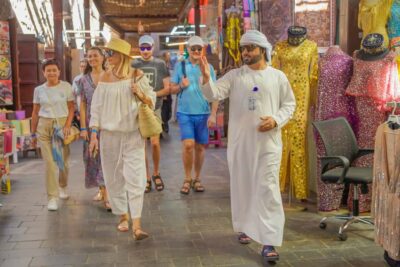
Old Town, Street Food, Creek, Souks, & Emirati House
Read our review →Browse the lists this tour appears in