
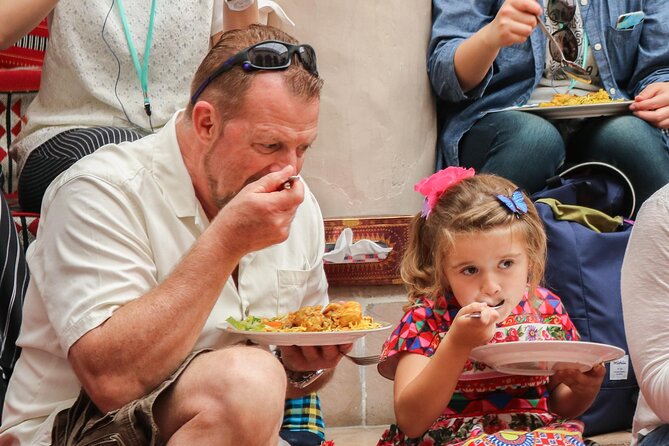
Reviewed · SOUKS & OLD TOWNS
Authentic Emirati Cultural Meal and Talk in Old Dubai
The best part of this experience is the conversation. In a wind-tower courtyard in Al Fahidi, you share a traditional meal while a local presenter explains Emirati customs, Islamic traditions, dress, food, and family life. I like the open question-and-answer format, and I like that coffee, dates, and a full local meal are included rather than treated as extras.
I also appreciate the small group, capped at nine people, which makes it easier to ask direct questions. The main consideration is that the discussion is shaped by your questions. Come prepared with a few. If you expect a formal lecture with a fixed script, the loose format may feel less structured, and one past participant felt the meal was not as distinctly Emirati as expected.
Key things to know before booking
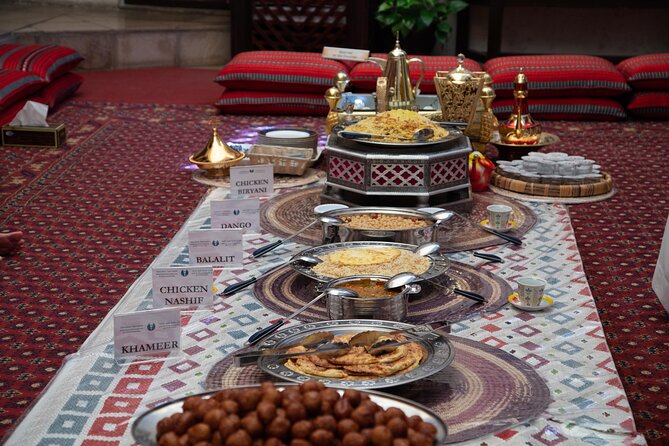
- The setting is a traditional wind-tower house: You eat at the Sheikh Mohammed Centre for Cultural Understanding in the Al Fahidi neighborhood.
- The conversation is the main event: Ask about Islam, greetings, family life, dress, food, customs, and daily routines.
- You begin with Arabic coffee and dates: Water and tea are also provided throughout the experience.
- Ligamat is part of the meal: These small doughnuts are served with date syrup and are one of the most memorable sweets on the table.
- The group is limited to nine people: That is a useful size for personal questions and relaxed conversation.
- You can choose breakfast, lunch, or dinner: The experience lasts about 90 minutes and returns you to the same meeting point.
A thoughtful first look at Emirati life
Dubai is easy to admire from the outside. You can see its towers, shopping centers, highways, and grand hotels within a few hours. But those sights tell you little about the people who shaped the city or the customs that still guide daily life.
This meal gives you a more personal starting point. It takes place at the Sheikh Mohammed Centre for Cultural Understanding, in the old Al Fahidi neighborhood, where the architecture feels far removed from modern Dubai. The traditional house has wind towers and a courtyard, creating a calm place for conversation and food.
I like the contrast. You are not sitting in a staged restaurant far from the historic district. You are eating in a setting tied to the older quarter of the city, then stepping outside afterward to explore Al Fahidi on foot. The location makes this a useful first activity in Dubai, especially if you want context before visiting mosques, museums, souks, or newer parts of town.
The experience is hosted by local presenters who explain Emirati culture in a friendly, informal way. Abdullah is one presenter associated with the experience, though the person leading your session may vary. You may also meet a woman wearing traditional clothing, depending on the meal and presentation.
More Souk & Old Town Tours in Dubai
- Dubai: Old Town, Creek, Museums, Souks, & Street Food Tour
★ 4.8 · 10,816 reviews - Dubai: Old Town, Souks, Street Food, Guided Tour & Abra Ride
★ 4.9 · 7,170 reviews - Dubai: Frame Tickets, Creek, Souks & Blue Mosque Guided Tour
★ 4.8 · 5,980 reviews
What happens when you arrive at Al Fahidi
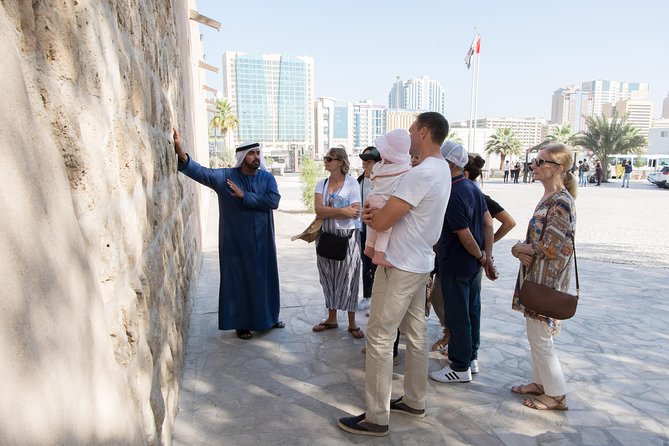
You make your own way to the Sheikh Mohammed Centre for Cultural Understanding on Al Mussallah Road in Al Fahidi. Transportation is not included, so plan your route before setting out. The activity begins and ends at the center, making it easy to continue your walk through Old Dubai afterward.
The setting is one of the strongest reasons to book. The wind-tower house offers a glimpse of how homes in the region were designed before air-conditioning. Its courtyard gives the meal a traditional feel without turning the experience into a museum display. You are there to talk, eat, and ask questions.
The group size matters here. With no more than nine people, the presentation can feel more like a shared table conversation than a large tour. You can ask a follow-up question, return to a topic that interests you, or bring up something you noticed while walking through Dubai.
Children can participate, but they must be accompanied by an adult. Most people can take part, and service animals are allowed.
Arabic coffee, dates, and the welcome
The meal begins with Arabic coffee and dates. Tea and water are also included. This opening is more than a quick snack. It introduces a familiar part of Emirati hospitality and gives you time to settle into the courtyard before the main discussion begins.
Arabic coffee is generally served in small amounts, so do not expect a large mug. The dates provide a sweet bite alongside it. The pace is relaxed, and the welcome helps set the tone for the conversation that follows.
This is a good moment to think about what you want to ask. The session is designed around questions from the people at the table, so a little preparation improves the experience. You might ask about greetings, traditional clothing, family roles, local food, religious practice, or how daily routines have changed as Dubai has grown.
You do not need special background knowledge. The point is to ask in a respectful and curious way. The presenters are used to questions about Muslim beliefs, Emirati customs, and local habits, and the format encourages an honest exchange.
The Emirati meal and what to expect on the table
The meal includes authentic Emirati cuisine and generous servings of local food. The exact menu is not specified in advance, so you should not book this expecting a particular dish beyond the noted ligamat. That uncertainty is worth keeping in mind if you have dietary restrictions or are looking for a carefully explained tasting menu.
Ligamat, sometimes described as small doughnuts, is served with date syrup. It is a sweet, sticky finish and one of the clearest food details associated with the experience. The meal also gives you a chance to learn how local food is traditionally shared and eaten.
One topic covered during the session is the use of hands while eating. This can be interesting because the presenter explains the custom rather than simply telling you what to do. If you are comfortable trying it, you can ask for guidance. If not, the experience remains a conversation over food, not a test of manners.
The food receives strong praise overall, but expectations should stay realistic. One person felt the meal did not contain as much distinctly Emirati food as expected. That is the most important food-related caution. The experience is primarily a cultural meal and discussion, not a full culinary tour with a long list of regional dishes.
More Dining Experiences in Dubai:
- Authentic Safari in Vintage Land Rover with Traditional Dinner
★ 5.0 · 2,176 reviews - Dubai: Dinner in the Sky Experience
★ 4.8 · 1,423 reviews - Dubai: Buffet Dinner at Saffron in Atlantis the Palm
★ 4.5 · 1,025 reviews - Dubai: Red Dunes, Sandsurf, Camel Ride, BBQ Dinner at Desert Camp
★ 5.0 · 954 reviews
The question-and-answer session
The talk covers Arabic culture, Islam and its effect on local culture, cultural values, social sensitivities, Arabic greetings and expressions, and personal anecdotes. The presenters also discuss Emirati dress, food, family life, and everyday customs.
The open format is a major strength. You can ask how a greeting works, why a garment is worn, what a custom means, or how religious practice connects with ordinary life. The conversation can move from food to faith to family in a natural way.
I would not expect a polished lecture with a fixed sequence of subjects. The discussion follows the questions at the table. That makes it more personal, but it also means the quality of your experience depends partly on your participation. If everyone sits quietly, the session may feel less complete. If you arrive with questions, you will get more from the 90 minutes.
Some people would prefer a short introduction before the questions begin. That is a fair criticism. The informal style may leave you wanting a clearer overview at the start. Still, the chance to ask about subjects that interest you is more useful than a one-size-fits-all talk for many visitors.
The presenters are described as welcoming and willing to answer questions directly. The atmosphere is meant to be comfortable, educational, and entertaining. The humor of the presenter can also help keep the session from feeling like a classroom.
Traditional clothing and hands-on details
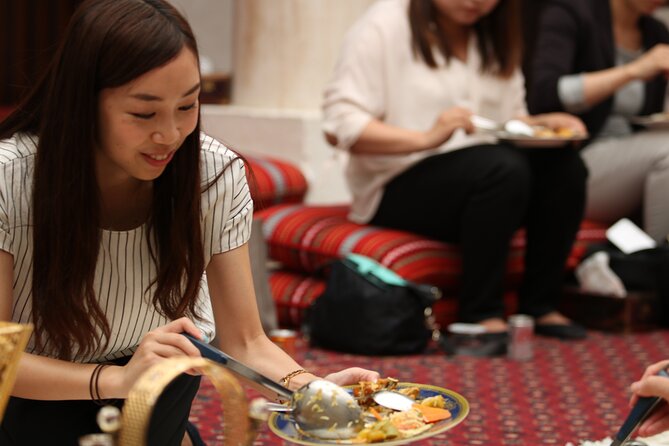
The cultural discussion may include traditional dress, and some sessions include a dress-up moment near the end. This is not guaranteed as a separate feature in the formal description, so consider it an occasional extra rather than the reason to book.
Dress can be a useful doorway into broader questions about climate, religion, identity, and social customs. If a presenter wears traditional clothing, ask about the garments and what they represent. The conversation may be more memorable when you connect an abstract idea with something you can see.
The same is true of eating customs. Talking about when and how people use their hands gives you practical insight into etiquette. These small details are often more useful than a long list of dates and names because you can notice them during the rest of your time in the United Arab Emirates.
Why the Al Fahidi location adds value
The center sits in the Al Fahidi neighborhood, part of Old Dubai’s Al Bastakiya district. The area gives you a chance to see a quieter, older side of the city before or after the meal.
The location also helps put Dubai’s rapid growth in context. You can spend the morning among historic homes and wind towers, then reach modern shopping districts and skyscrapers later in the day. The meal does not attempt to explain every part of Dubai, but it gives you a human connection to the city’s past and present.
Allow some time to walk around after the session. The activity itself lasts about one hour and 30 minutes, and it ends back at the center. Since transportation is not included, you have the freedom to continue exploring at your own pace rather than being taken straight to another attraction.
Price, timing, and practical value
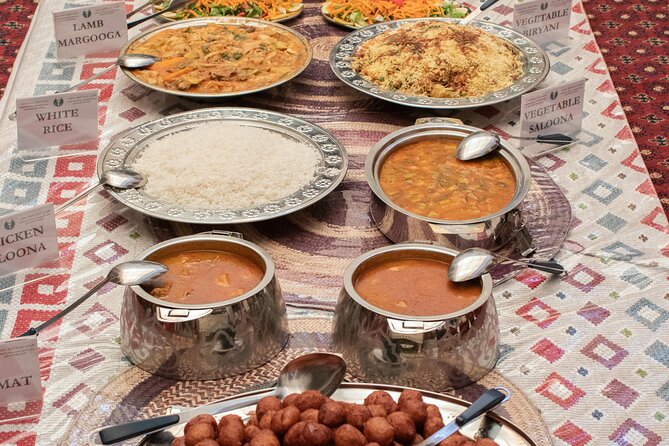
At $36.28 per person, this is a reasonable price for a 90-minute cultural meal in a historic setting. The cost includes the food, Arabic coffee, tea, dates, water, and the presentation. It also includes access to the center for the activity.
The value depends on what you want from Dubai. If you are mainly looking for a large meal, cheaper restaurants are easy to find. If you want a private cooking lesson or a long food tour, this is not that. You are paying for the combination of a local meal, a small group, a historic house, and an opportunity to ask direct questions.
The option to choose breakfast, lunch, or dinner makes it easier to fit into your plans. Lunch is a natural choice if you want to explore Al Fahidi afterward, while breakfast can work well at the start of a sightseeing day. Dinner gives you a cultural activity without committing to a full evening tour.
The experience is commonly booked well ahead, with an average booking time of 36 days. Confirmation is sent within 48 hours, subject to availability. If your schedule is fixed, booking early is sensible.
Free cancellation is available if you cancel at least 24 hours before the start time. Changes or cancellations made inside that window are not accepted for a refund. The activity also requires a minimum number of participants, so if it is canceled for that reason, you are offered another date or experience, or a full refund.
Who will get the most from this meal
I would recommend this to you if you want a human introduction to Emirati culture rather than another sightseeing stop. It works especially well for first-time visitors who want to understand the city beyond its modern architecture.
Families can also get a lot from it. Children must be with an adult, but the relaxed table setting and direct questions can make cultural subjects easier to discuss. The food gives younger participants something concrete to enjoy while the presenter explains local life.
This is also a good choice for anyone curious about Islam and everyday religious practice. The discussion is not limited to food or tourist customs. It can include beliefs, greetings, values, and the role of Islam in local culture.
You may want to skip it if you dislike conversational activities or prefer a tightly scheduled tour. It is not a broad Old Dubai walking tour, and transportation to the center is not included. It is also not the best choice if you need a guaranteed, detailed menu of Emirati dishes before booking.
Should you book the Emirati cultural meal?
Book this experience if you want time with a local presenter, a traditional setting, and the freedom to ask honest questions. The combination of Arabic coffee, dates, ligamat, and conversation offers a useful counterpoint to Dubai’s polished modern side.
To get the most from it, arrive with questions and leave room in your schedule to walk around Al Fahidi afterward. Choose it early in your visit if you want cultural context for the rest of your time in the UAE.
Skip it if your priority is a formal food tasting, a long sightseeing route, or a fixed lecture. For everyone else, the small group, welcoming atmosphere, and direct conversation make this one of the better-value ways to begin understanding Emirati life.
FAQ
Where does the Emirati cultural meal take place?
It takes place at the Sheikh Mohammed Centre for Cultural Understanding in the Al Fahidi neighborhood of Old Dubai, also known as the Al Bastakiya district.
How long does the experience last?
The activity lasts approximately one hour and 30 minutes.
What food and drinks are included?
The visit includes authentic Emirati cuisine, water, Arabic coffee, tea, and dates. Ligamat with date syrup is one of the featured local specialties.
Can I choose the time of day?
Yes. Breakfast, lunch, and dinner options are available.
Is transportation included?
No. You must arrange your own transportation to and from the Sheikh Mohammed Centre for Cultural Understanding.
Where does the activity end?
The activity ends back at the same meeting point where it begins.
How many people can join?
The experience has a maximum of nine participants.
Can children participate?
Yes, but children must be accompanied by an adult.
What is the cancellation policy?
You can cancel for a full refund up to 24 hours before the experience starts. Cancellations or changes made less than 24 hours before the start time are not accepted for a refund.
Newest Dubai trips on the site
- Dubai Desert Safari with Camel Ride, Show, BBQ and Transfers★ 5.0 · 46 reviews
- Dubai Desert Excursions with BBQ Dinner & Live Entertainment★ 5.0 · 25 reviews
- Dubai Desert Safari with Belly Dance, Fire Show and Tanura Show-The Full Package★ 5.0 · 95 reviews
- Dubai Evening4x4Desert Safari BBQ Dinner,4 Live Shows,Camel Ride★ 5.0 · 141 reviews
- Dubai: Desert Safari with Camel Ride & Dune Bashing★ 4.0 · 22 reviews
- Dubai Desert Safari with BBQ and 4WD Land Cruiser Dune Bashing★ 5.0 · 133 reviews
- Polarize Dune Buggy 1000cc in Red Dunes Desert★ 5.0 · 26 reviews
- Private Evening Desert safari with BBQ Dinner & Entertainment★ 5.0 · 45 reviews
Souks & Old Towns, compared.
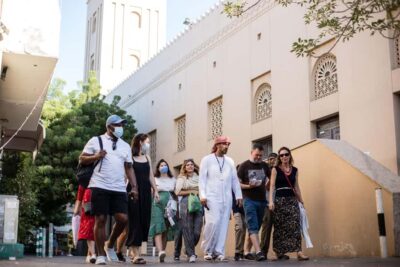
Old Town, Creek, Museums, Souks, & Street Food Tour
Read our review →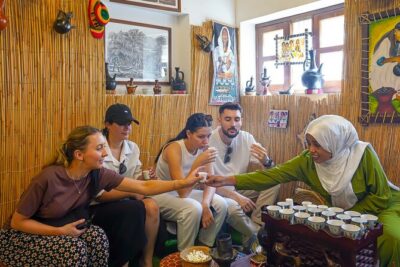
Old Town, Souks, Street Food, Guided Tour & Abra Ride
Read our review →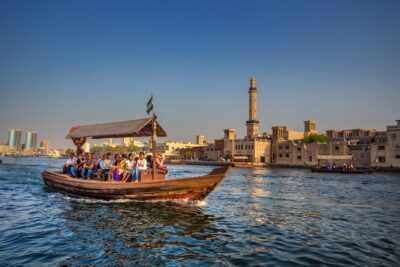
Frame Tickets, Creek, Souks & Blue Mosque Guided Tour
Read our review →
Dubai Aladdin Tour: Souks, Creek, Old Dubai and Tastings
Read our review →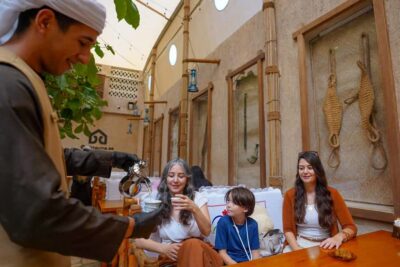
Half-Day City Tour with Blue Mosque, Creek, and Souks
Read our review →
Dubai Half-Day City Tour with Visit to Dubai Gold Souk
Read our review →Old Town, Souks, Street Food, Guided Tour & Abra Ride
Read our review →
Old Town, Street Food, Creek, Souks, & Emirati House
Read our review →Browse the lists this tour appears in