
Reviewed · HISTORICAL TOURS
Full Day Qatar’s North And West tour || History & Heritage
Qatar’s most striking sights are often far from Doha. This full-day route crosses the country’s northern coast and western desert, moving from old pearling ports and mangrove wetlands to Zubara Fort, abandoned villages, camel-training grounds and Richard Serra’s huge steel sculpture.
I like the small maximum group of six, which makes it easier to ask questions and adjust the pace. I also like the contrast between working coastal towns, archaeological remains and open desert art. The drawback is simple: you spend much of the day in the vehicle, and some stops are brief or plain if you prefer polished attractions.
Key things to know before you book
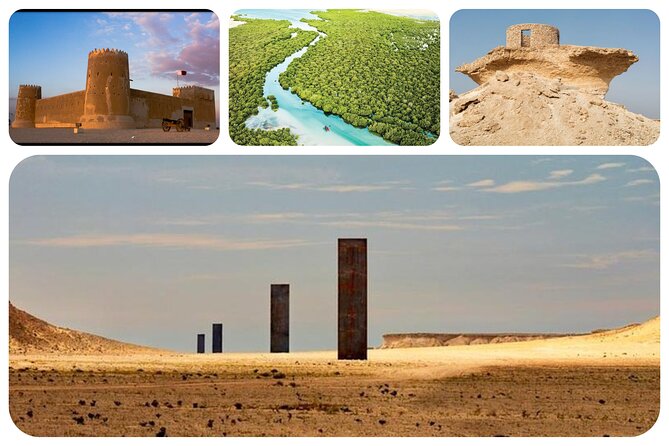
- Richard Serra’s four steel plates create the tour’s most dramatic sight, stretching across more than a kilometre of desert.
- Zubara Fort and its archaeological zone offer Qatar’s clearest connection to its pearling and trading past.
- Camel training at Ash-Shahaniyah can be a lively surprise, but the visit may amount to viewing the track from the vehicle.
- Al Thakhira’s mangroves and Purple Island show a softer, greener side of Qatar’s coast.
- The route covers a lot of ground, with a listed duration of roughly six to eight hours.
- Lunch and snacks are not included, so plan for the day before setting out.
Why this route adds something Doha cannot
Doha gives you museums, modern architecture and carefully restored souqs. This tour gives you the spaces between those landmarks. You see fishing harbors, old settlements, saltwater mangroves, camel facilities and stone formations shaped by wind and time.
That wider view matters. Qatar’s identity was built around the sea, especially fishing and the pearling trade, long before oil and gas transformed the country. The tour puts that older story beside the present-day nation, where a fast highway can lead to an 18th-century ruin or a major work of modern art.
The experience is best understood as a full-country sampler, not a series of grand attractions. Some stops take only 30 minutes. Others involve looking, walking and imagining what once stood there. If you enjoy context and changing scenery, the route has real value. If you want several major indoor sights, it may feel thin.
More Historical Tours in Qatar
- Desert Safari + History to Modern City Tour
★ 5.0 · 174 reviews - From Doha: Culture & History Qatar Tour to the North & West
★ 5.0 · 51 reviews - 8-Hour Private Cultural Tour
★ 5.0 · 47 reviews
Al Khor, where the pearling story begins
Al Khor sits about 50 kilometers north of Doha and was established before Doha, though it remains much smaller. Its name refers to a sea surrounded on three sides, which fits the sheltered setting of the harbor.
The stop usually focuses on the old dhow port, fishing activity and the town’s connection to pearling. Traditional boats help you picture the working coast before modern industry changed Qatar. There may also be time around the corniche and the local museum, which covers fishing, pearling and dhow building.
I find this a useful opening because it gives meaning to later stops. The old villages and forts are easier to understand once you know how much daily life depended on the sea. The visit is not a grand museum experience, though. You may find the harbor more interesting than the market or smaller displays, especially if you have already seen Doha’s polished cultural institutions.
The listed stop lasts about 30 minutes, so expect an introduction rather than a long town visit.
Mangroves and Purple Island
Al Thakhira’s mangroves are one of the route’s more unexpected sights. In a country known for dry plains and desert, this coastal habitat supports birds, fish and other animals while helping protect the shore from erosion.
You may see the mangrove colony from the beach or nearby viewing areas, depending on the day’s route and conditions. The stop is short, around 30 minutes, but it breaks up the long drive with a completely different setting. Bring a phone or camera, but do not expect a long boat outing or a full nature program. Neither is part of the stated experience.
Nearby Purple Island, also called Al Khor Island or Bin Ghannam Island, adds another coastal pause. The island is known for natural scenery, plant life and wildlife. Its name is tied to the old production of purple dye, a useful reminder that the coast supplied more than fish and pearls.
The visit is listed at about 40 minutes. That is enough to get a feel for the place, but not enough for an extended walk or leisurely picnic. Comfortable shoes help, and you should keep expectations realistic: this is a quick stop within a much larger circuit.
Zubara Fort and Qatar’s first UNESCO site
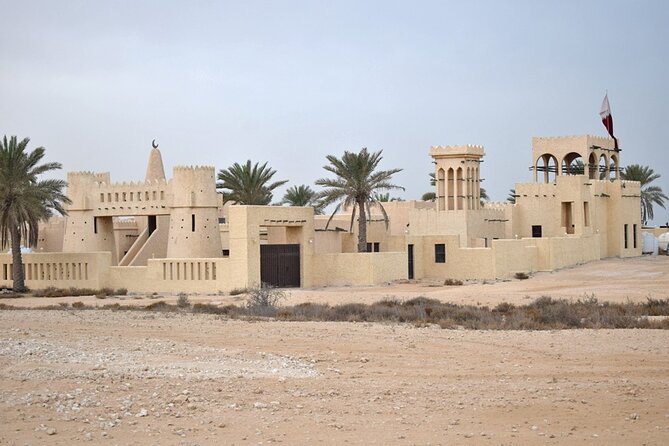
Zubara is the historic centerpiece of the northern route. The fort itself is a compact, pale structure built beside the remains of an older fort. Its clean lines and isolated setting make it photogenic, but the archaeological zone around it is the real reason to come.
Zubara was once a port and a center for trade, fishing and pearling. The ruins give you a sense of a settlement that has largely disappeared, while exhibits in the restored fort help explain the area’s past. Qatar’s Museums Authority has supported archaeological work here, and objects found in the area are displayed inside.
The fort is also a good place to connect the physical site with Qatar’s wider story. Commercial life depended on the sea, but it also depended on protection, trade routes and settlements scattered along the coast. On clear days, you may even see Bahrain from one of the fort’s towers, adding a geographic detail to the visit.
Allow about an hour here. That is the longest scheduled stop, and it deserves the time. Still, do not picture a large European-style castle or a fully reconstructed town. Much of the experience comes from the ruins, the open setting and the guide’s explanation.
A strong guide can make a major difference. Abdullah, Sajid, Noor and Junaid are among the guides associated with especially informative days on this route. Guide quality can vary, so ask questions when you have the chance. The best guides explain how pearling, fishing, trade and modern Qatar fit together rather than simply pointing out buildings.
More Historical Tours in Doha:
- Doha: North of Qatar Tour, History and heritage
★ 5.0 · 40 reviews - Doha Combo a Rich Heritage from the Desert to the City
★ 5.0 · 27 reviews - Dubai Evening Heritage Safari by Vintage G Class Al Marmoom Oasis
★ 5.0 · 1,500 reviews - Dubai Camel Desert Safari, Traditional Meal & Heritage Activities
★ 5.0 · 937 reviews
Al Jumail, an abandoned coastal village
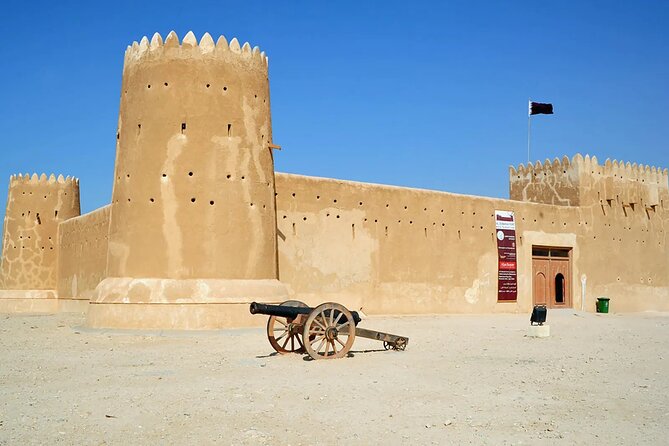
Al Jumail is an old fishing and pearling village, with the remains of limestone and mud houses. The settlement offers a direct look at domestic life in earlier Qatar, when homes were built from local materials and communities were closely tied to the sea.
There is no polished attraction here, and that is part of its appeal. You walk or look among simple ruins and use your imagination. Doorways, walls and fragments show the scale of a village better than a display case can.
The stop lasts about 30 minutes. That is enough for photos and a brief explanation, but visitors who want detailed archaeological interpretation may wish for more time. Watch your footing around old stone and rubble, and expect little shade in the open setting.
A chance to see camel training at Ash-Shahaniyah
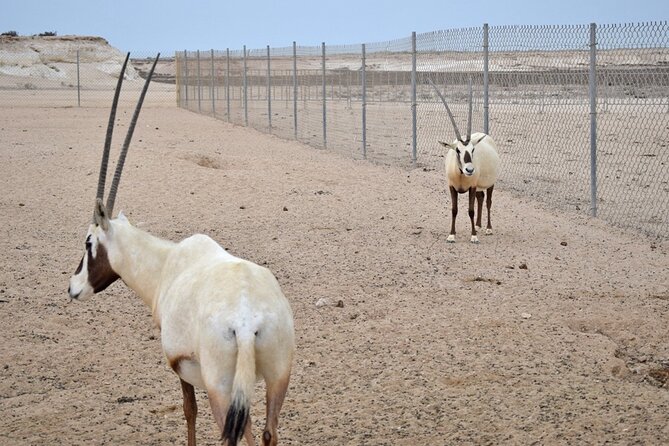
The camel-racing track at Ash-Shahaniyah adds a living part of Qatar’s present culture to a day otherwise filled with old structures and desert scenery. The stop is timed around training, when groups may be moving near the track.
This can become one of the day’s best surprises. Some guides have followed the racing activity around the track by car, giving you a closer look at the pace and organization of training. On another day, you might simply view the facility from the vehicle and see few or no camels. That inconsistency is worth knowing before you book.
Timing matters here. Early departures have allowed some visitors to reach the area around 8:30 in the morning, when training activity may be underway. The company can sometimes arrange an early start, with departures as early as 5:00 am mentioned for certain tours. Confirm the start time when booking, since a normal departure may not produce the same result.
The scheduled stop is 30 minutes. If camel training is important to you, tell the guide at the start of the day and ask how the route timing looks.
Zekreet Fort ruins and the western desert
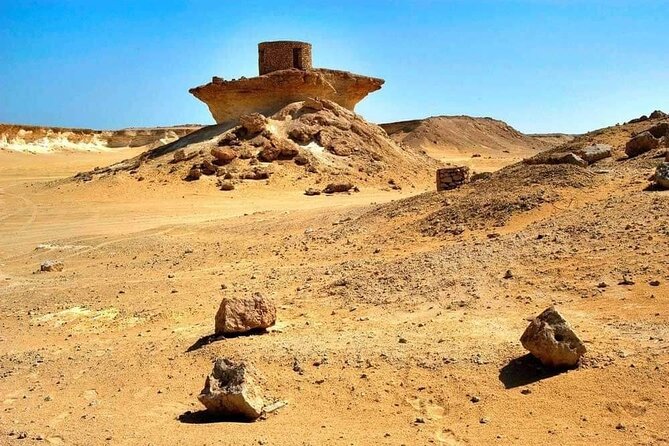
Zekreet brings the tour into a rougher, more open part of western Qatar. The fort ruins are among the country’s notable historic remains and show at least two phases of construction. That detail makes the site more than a photogenic pile of stones: the structure changed over time as local needs changed.
The surrounding area is also known for limestone formations, including the umbrella-shaped or mushroom-shaped rock often photographed on this route. These formations give the stop its visual appeal. Their shapes are easy to appreciate, but the ground can be uneven and exposed.
The scheduled visit to the fort ruins lasts about 40 minutes. Some routes also include other rock formations, such as the Eye in the Rock, and an early departure can place you here near sunrise. That option is attractive for photographers and anyone who dislikes the strongest midday heat, but you must arrange the early start in advance.
The Zekreet section is where the tour feels most like an outing into the country rather than a chain of town visits. It is also where expectations need care. There may be no major visitor center, long interpretive trail or dramatic fortress interior. The reward is the combination of ruins, rock and wide-open desert.
Richard Serra’s East-West/West-East

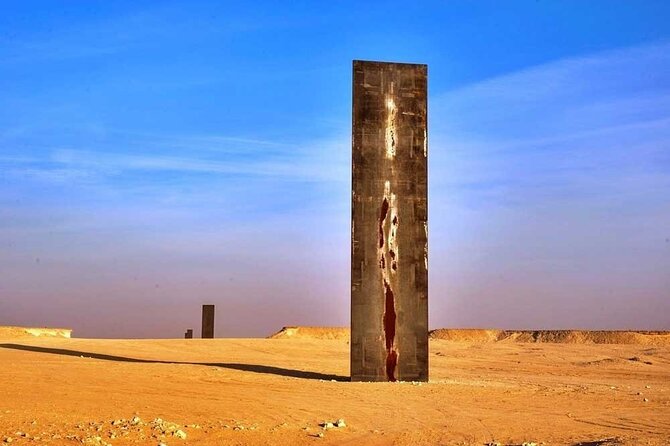
The final major sight is the most unexpected. Richard Serra’s East-West/West-East consists of four steel plates, each more than 14 meters high, placed across more than a kilometre in the Brouq nature reserve.
The work is modern, but it fits the setting because it uses distance, emptiness and the shape of the ground. As you move among the plates, the scale changes. The sculpture can appear close and severe from one angle, then almost disappear into the desert from another.
Many people consider this the day’s highlight. I can see why. After forts, ruins and old harbors, the steel forms give you a new way to read the western desert. They also make the tour useful for anyone interested in contemporary art, not only archaeology.
The visit is listed at about 35 minutes. That is enough for a walk and photographs, though not enough for a slow art study in intense heat. Wear shoes suited to uneven ground and carry water. Bottled water is included, along with tea or coffee, but the operator does not provide lunch or snacks.
How the day works in practice
The tour lasts about six to eight hours and includes pickup, an air-conditioned vehicle, bottled water, tea or coffee and insurance. With a maximum of six people, the vehicle should feel more personal than a large coach, and guides have sometimes adjusted the pace for families or specific interests.
The route is long. You are crossing much of northern and western Qatar, so even an efficient schedule involves many hours on the road. That is not a flaw if your goal is to see the country beyond Doha. It is a serious consideration if you prefer slow visits with plenty of time at each site.
The tour does not include lunch or snacks. Eat before departure and bring anything you need for the day. Since the schedule is spread across remote areas, you should not count on a formal meal stop unless the guide confirms one.
The price is about $165 per person. That is a fairer deal when several people share the outing and you value private-style transport, pickup and a guide who can explain the sites. The value is weaker for a solo booking, since the listed rate can rise sharply when only one person is booked. One solo booking was reported at roughly four times the advertised starting price, so confirm the exact cost before payment.
Guide quality can shape the whole experience
This route depends heavily on the person behind the wheel. A good guide turns a fishing harbor into a lesson about pearling, explains why Zubara mattered and knows when camel training is most likely to be active.
Guides named in positive experiences include Abdullah, Adil, Junaid, Noor, Sajid, Syed, Abdul Nasir and Zohaib. Sajid, described as Qatari, was especially valued for answering questions about local culture and daily life. Junaid was able to follow camel training around the track, while Syed adjusted time at sights so a family could keep a later restaurant booking.
You should still prepare for uneven service. There have been complaints about a missed pickup, limited explanation, a vehicle breakdown and a camel-track visit with no camels in sight. Confirm pickup details the day before, and keep the provider’s contact information handy. Most bookings are confirmed immediately, and free cancellation is available up to 24 hours before the start time. Weather-related cancellations offer a different date or a full refund.
Who should book this tour?
I would choose this tour if you have already seen central Doha and want a broad look at Qatar’s older coastal life, archaeological sites and western desert. It is also a good fit for photographers, first-time visitors with only one extra day and people who prefer a guide to handle the driving.
Families can benefit from the private-feeling vehicle and flexible pacing, though younger children may tire during the long drives and short, exposed walks. Art fans should not miss the Serra installation. Anyone fascinated by archaeology should give Zubara and Al Jumail priority.
I would hesitate if you dislike long road journeys, expect every stop to be a major attraction or want a guaranteed camel-racing show. This is a country-viewing tour, not an amusement park or a tightly focused museum day.
Should you book North and West Qatar?
Book it if you want to understand Qatar outside Doha and accept that the best moments may be quiet: a ruined village wall, mangroves in salt water, a distant view toward Bahrain or four steel plates crossing the desert.
Before paying, confirm the final price, pickup time, lunch plan and whether the day can start early. Ask what the camel-training schedule looks like, and request a guide who will explain the history rather than only drive between stops. With those details settled, this is a strong one-day introduction to Qatar’s coast, ruins and western desert.
FAQ
How long does the North and West Qatar tour last?
The experience lasts approximately six to eight hours.
What is the maximum group size?
The tour has a maximum of six participants.
Is pickup available?
Yes, pickup is offered.
Is lunch included?
No. Lunch and snacks are not included, so plan to eat before departure and bring anything you need.
What is included in the tour?
The experience includes an air-conditioned vehicle, coffee or tea, bottled water and insurance.
Does the tour visit a UNESCO World Heritage Site?
Yes. The route visits Al Zubara Fort, Qatar’s first UNESCO World Heritage Site.
Can I see camels at Ash-Shahaniyah?
You may see camels training, but sightings are not guaranteed. The stop can sometimes involve viewing the track from the vehicle.
Can I cancel for a full refund?
Yes, if you cancel at least 24 hours before the experience begins. Cancellations within 24 hours are not refunded.
What happens if bad weather cancels the tour?
You will be offered a different date or a full refund.
More Full-Day Trips in Doha
- Private Full Day Desert Safari
★ 5.0 · 392 reviews - Full Day Tour to Qatar North And West With Pickup From Doha
★ 4.9 · 371 reviews - Full Day Tour to Qatar North And West With Pickup From Doha
★ 5.0 · 288 reviews - Full-Day Tour Qatar North And West
★ 5.0 · 160 reviews
Newest Doha trips on the site
- Desert Thrills Wild Dunes Safari in Doha★ 5.0 · 28 reviews
- 4 Hours-Doha City Private Tour from AirPort/ Hotel★ 5.0 · 50 reviews
- Walking Tour: Discover Souq Waqif, An Almost Free Walking Tour★ 5.0 · 137 reviews
- Sunrise or Sunset , Desert Safari Tour in Heart of Qatar★ 5.0 · 82 reviews
- Doha All Inclusive Self Ride of Quad,ATV’s or Buggy & Camel Ride★ 5.0 · 49 reviews
- See Doha from the Sea★ 4.5 · 40 reviews
- Kayaking at the Pearl | at MIA Park★ 5.0 · 138 reviews
- Qatar Desert Thrills Self Ride Dune Buggy Safari and Camel Ride★ 5.0 · 24 reviews
Historical Tours, compared.
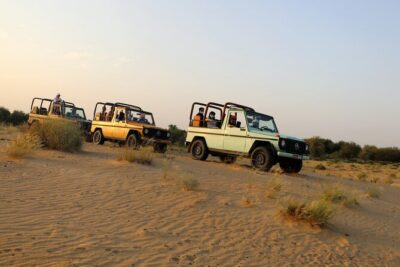
Dubai Evening Heritage Safari by Vintage G Class Al Marmoom Oasis
Read our review →
Dubai Camel Desert Safari, Traditional Meal & Heritage Activities
Read our review →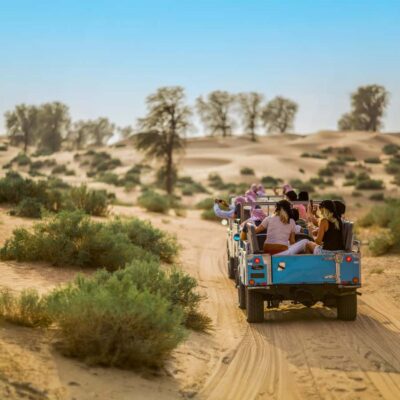
Heritage Safari in Vintage Land Rover with Dinner
Read our review →

Abu Dhabi Trip with Lunch at Al Khayma Heritage Restaurant
Read our review →

Heritage Safari, Camel Ride & Al Marmoom Oasis Dinner
Read our review →
Browse the lists this tour appears in