
Reviewed · STARGAZING TOURS
Stargazing Adventure in Jordan
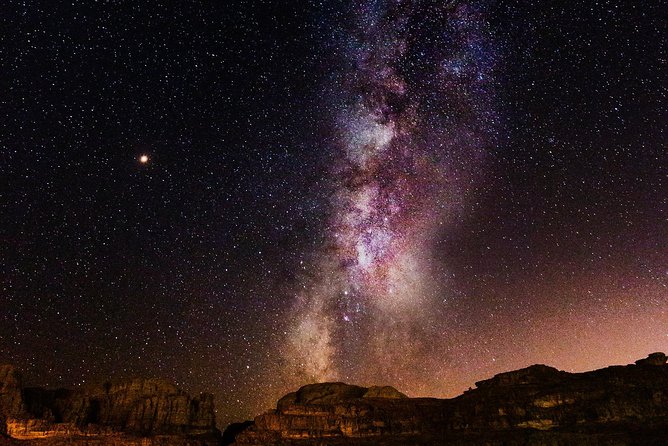
Wadi Rum is at its best after dark, when the desert’s low light pollution gives you a clear shot at constellations, planets, and distant galaxies. This 90-minute stargazing program combines a seated astronomy talk with hands-on sky watching, so you get both the big picture and a look through powerful telescopes.
I like the easy after-dinner pickup from most local camps, and I like the two-part format: one astronomer explains the sky with a green laser while another runs GPS-guided telescopes. The main caution is that the telescope views can vary with weather and conditions, and one past assessment found the observation area too close to camp lights.
Key points at a glance
- A 20-minute astronomy presentation explains the cosmos before you go outside.
- A green laser points out constellations, zodiac signs, directions, and star movement.
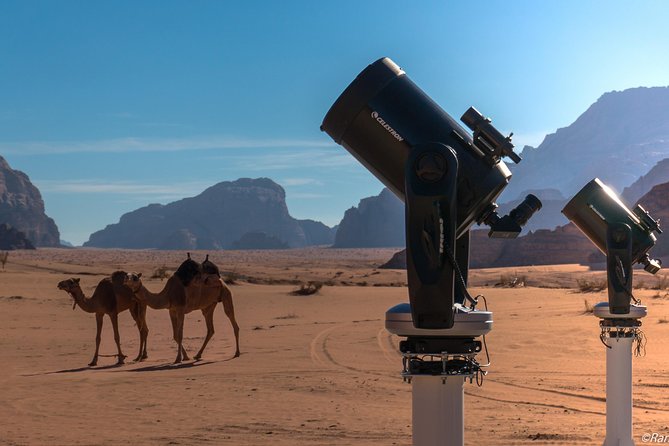
- GPS-enabled telescopes target galaxies, nebulae, planets, and moons.
- Two groups switch between the laser session and telescope viewing, keeping the program moving.
- Transfers usually begin after dinner, with winter pickup in the Disi Area around 7:45 PM.
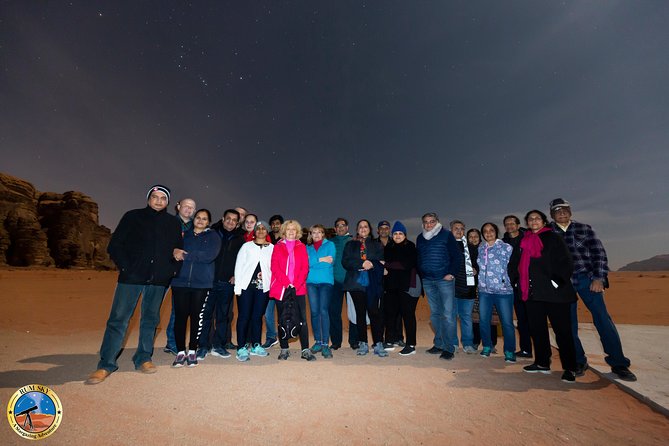
- A time-exposure group photo gives you a keepsake with the night sky behind you.
Why Wadi Rum works so well after dark
Wadi Rum’s great attraction is not only its red rock and desert camps. It is the darkness above them. Away from Jordan’s larger towns, the sky can reveal far more stars than most people see at home.
That said, do not expect total wilderness isolation automatically. The experience operates in the Wadi Rum camp area, and the exact viewing conditions depend on where the observatory is set up, nearby lights, cloud cover, and the night’s visibility. One low-scoring assessment found the setting less remote than expected and the telescope views weaker than hoped. I would treat this as a guided introduction to astronomy in the desert, not as a private expedition to the darkest point in Jordan.
The program is especially useful if you want help making sense of the sky. A dark sky can be beautiful, but without guidance it can also be a scatter of bright points. The astronomers show you where to look and explain what you are seeing.
More Stargazing Tours in Aqaba:
- Dubai Red Dunes ATV, Camels, Stargazing & 5* BBQ Al Khayma Camp
★ 5.0 · 21,620 reviews - Dubai: Sunset Camel Trek, Al Khayma Camp, Stargazing & BBQ
★ 4.8 · 2,588 reviews - Dubai: Overnight Safari, Dinner, Stargazing & Al Khayma Camp
★ 4.8 · 2,562 reviews
The 20-minute presentation gives the night some shape
The evening begins indoors in a seated hall, with a presentation on astronomy shown on a large screen. It lasts about 20 minutes and provides the basic ideas you need before heading outside.
This opening matters because the outdoor portion is not just a silent look through a telescope. You hear about the cosmos, then put that information to work by identifying stars and viewing distant objects. The presentation is also a practical break from standing outdoors, which can be welcome on a cool desert night.
The strongest praise for the experience centers on this talk. It is designed to be easy to follow while still offering real information, and the format suits people who know little about astronomy as well as those who already own a telescope. If you have children or a mixed-age group, the combination of pictures, explanation, and outdoor viewing should be easier to enjoy than a technical lecture alone.
The talk cannot guarantee that every object will be visible later. Astronomy depends on conditions, and the list of possible targets is not a promise that you will see every galaxy, nebula, planet, or moon named in the description.
The green laser makes the constellations easier to find
After the presentation, the group moves outside and divides into two equal sections. One section begins with the naked-eye sky tour, guided by a professional astronomer and a powerful green laser.
The laser traces constellations and zodiac signs, explains how to find directions using the stars, and shows how the stars appear to move through daily and annual cycles. You also hear the myths connected with constellations from different cultures. A candle track surrounds the laser viewing area, adding a little atmosphere without replacing the main event: learning where to look.
This part takes about 35 minutes. I see it as the most approachable section of the evening. You do not need to know star names in advance, and you do not need special equipment. The guide gives you a simple way to get your bearings fast, then connects the patterns in the sky with stories and old ideas about the zodiac.
There is a limit, though. Naked-eye stargazing with a laser is a guided introduction, not a technical observing session. If you already spend evenings studying constellations, you may find the material basic. For most people, that simplicity is useful. You leave with a better chance of recognizing a few patterns on your own.
The telescope session reaches farther than your eyes can
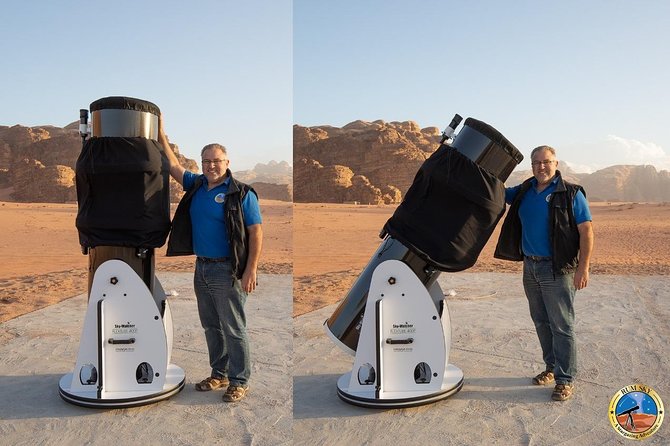
The second group spends its 35-minute session at large computerized telescopes. GPS systems help the astronomer locate targets, which saves time and allows the group to see several types of objects during a short program.
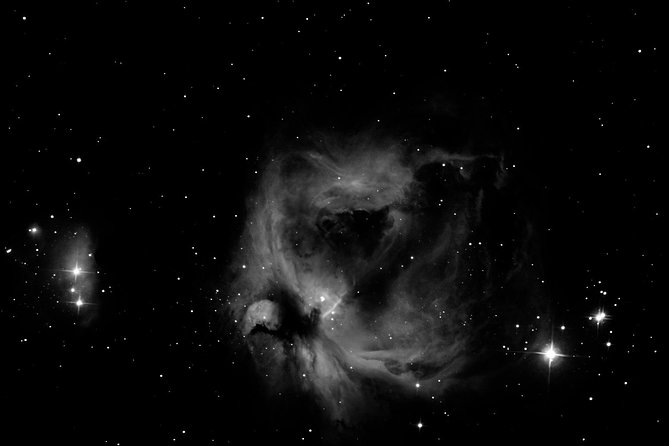
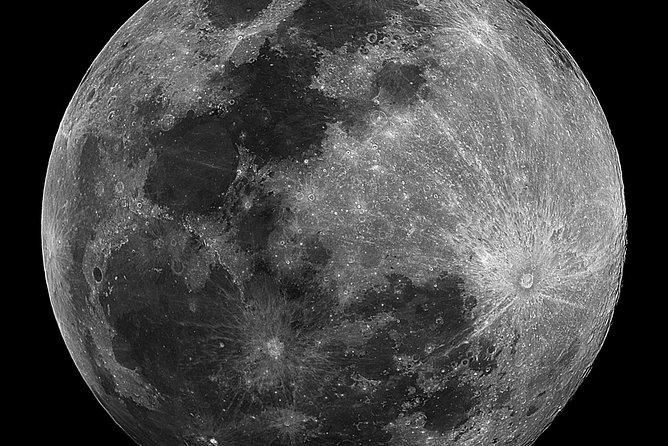
Possible targets include galaxies, nebulae, planets, and moons. The telescope portion is the main reason to book this experience rather than simply sit outside your camp and look upward. Objects that appear as faint points or smudges to the naked eye can become more distinct through a properly aimed instrument.
The astronomer leads this part, explains what you are viewing, and moves the telescope between targets. The computerized equipment should be a help for a mixed group because you are not waiting for a long manual search each time the target changes.
Still, telescope viewing is not like looking at a glossy space photograph. The view may be small, faint, or less dramatic than you expect from images taken by professional observatories. One assessment found the telescope session disappointing, while another praised the equipment and said the local astrophotographer helped with photos and offered advice about using a personal telescope. Those two reactions point to the real issue: expectations matter.
If you want a gentle introduction and a chance to look through serious equipment, the telescope session offers fair value. If you want bright, detailed, colorful views of deep-sky objects, you may find the experience modest.
A few more Aqaba trips worth comparing
- Aqaba: Private Red Sea Diving for Beginner or Experienced
★ 4.9 · 230 reviews - Journey of Diving or Snorkelling from a Boat
★ 5.0 · 218 reviews - Full-Day Jeep Tour and Sleeping in cave Night Under the Stars
★ 5.0 · 145 reviews - Full Day Jeep Tour with Overnight in beduin Camp Stay! (All Meals Included)
★ 5.0 · 136 reviews
Switching groups keeps the 90 minutes moving
After about 35 minutes, the groups switch. The people who began with the laser join the telescope station, while the first telescope group takes its turn under the open sky.
This rotation is a smart use of time. You do not spend half the evening waiting for a telescope to become available, and everyone receives both parts of the program. It also spreads the group between two activities, which should reduce crowding at any single station.
The full experience lasts about an hour and a half. The listed program includes a 20-minute presentation, two 35-minute activity blocks, the group change, and the final photo. Allow a little flexibility around the exact end time because the pace can depend on the number of people, conditions, and telescope targets.
The maximum group size is 120 people. That is a fairly large ceiling for a stargazing program, although the split format helps. If the group reaches that limit, the laser explanation and telescope viewing may feel less personal. The two-astronomer setup is important here, since both sections can run at once.
The transfer is useful, especially after dinner
Pickup is offered from most Wadi Rum camps in the Disi Area. In winter, collection begins around 7:45 PM, and the operator says pickup takes place after dinner. Summer times change, so you need to check the schedule for your date.
This is more than a small convenience. Night driving in the desert is not something you need to arrange for yourself, and you do not have to cut dinner short to reach the observatory. Round-trip transportation is included for most local camps, but you should confirm that your particular camp is on the pickup list.
The meeting details do not name one universal pickup point for every booking. That makes confirmation important, especially if your camp is outside the usual Disi Area coverage. The activity runs from 5:00 PM to 11:30 PM daily according to the stated opening hours, but your actual pickup time depends on the season.
Water and soft drinks are available at a reasonable cost, but bottled water is not included. Bring your own if you prefer not to buy drinks on site.
The final photo is a simple but worthwhile extra
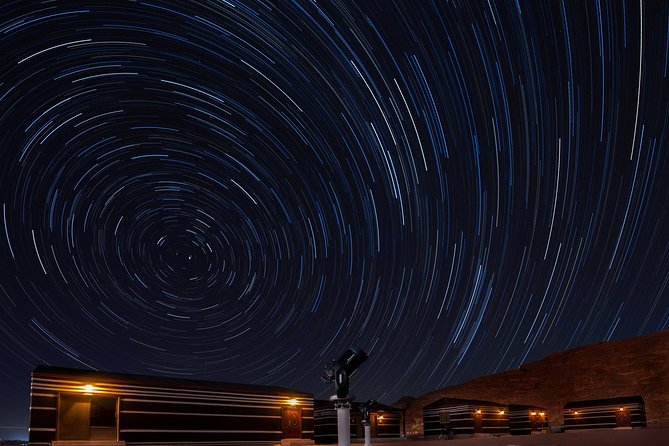
At the end of the program, the team takes a group photo using a time-exposure technique that highlights the sky objects behind you. This is not the same as an individual astrophotography session, but it gives you a record of the evening and uses the dark setting in a practical way.
If photography interests you, one strong point from the experience is the chance to get advice from the local astrophotographer. The program is not sold as a private camera workshop, so keep your expectations in check. Still, the telescope station and final photo can be useful for anyone curious about photographing the night sky.
A phone camera will not necessarily capture what your eyes see through a telescope. The final time-exposure image is the better bet for a memorable group picture.
Is $30 a fair price?
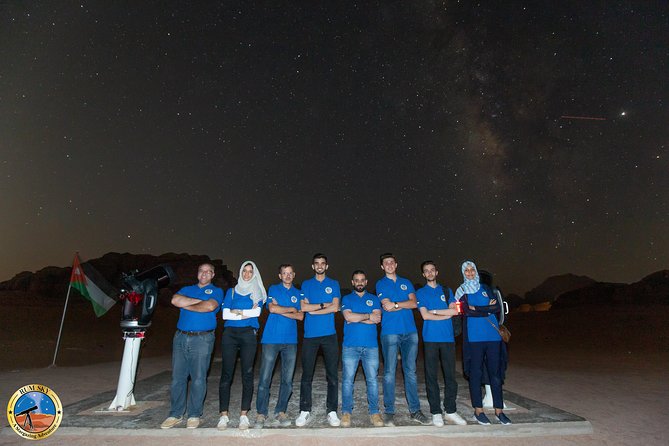
At $30 per person, the price is reasonable if you value the complete package: transport from most local camps, the presentation, two guided astronomy sessions, telescope access, and a group photo.
The value is strongest for people who would otherwise need to arrange their own transport and would not know how to identify objects in the sky. You are paying for the equipment, the astronomers’ guidance, and the convenience of an organized evening, not just for a place to sit in the desert.
The value is weaker if you are already experienced with astronomy equipment or expect a private, highly technical session. The group can reach 120 people, and the 35-minute telescope block is shared. You may get excellent targets, or you may find the views faint depending on conditions.
The experience carries a 4.5 out of 5 rating from 187 ratings, which fits the overall picture: strong appeal for curious beginners, with some variation in how satisfying the actual sky viewing feels.
Who should book this night-sky experience?
I would recommend it to first-time stargazers, couples looking for a quiet evening activity, families, and anyone staying in a Wadi Rum camp without a telescope or astronomy guide. The presentation gives beginners enough context, while the laser tour makes the sky easier to understand.
It also suits people who want a straightforward activity after dinner. You do not have to organize a separate desert drive, carry equipment, or learn a star chart before arriving.
I would think twice if your main goal is professional astrophotography, a totally remote viewing site, or long uninterrupted time at one telescope. You may prefer a smaller or more specialized astronomy session, though no alternative is provided here.
Dress for the night rather than the daytime desert. The supplied details do not specify equipment or clothing, but outdoor stargazing means you should be ready to spend part of the evening outside. Service animals are allowed, and most people can participate.
Booking, weather, and cancellation details
Confirmation is provided when you book. The activity requires suitable weather, so poor conditions can lead to a new date or a full refund.
You can cancel up to 24 hours before the start time for a full refund. Cancellations or changes made within 24 hours are not accepted for a refund, and the cutoff follows local time. The experience is often booked about 34 days in advance, so reserve early if your Wadi Rum dates are fixed.
Should you book RumSky Adventure?
Book it if you want an accessible, well-organized introduction to the night sky, especially if you are staying at a Wadi Rum camp and do not want to drive after dark. The strongest parts are the clear astronomy presentation, the green-laser constellation tour, and the chance to use large GPS-guided telescopes.
Go in with sensible expectations. The sky is not a guaranteed show, telescope views can be faint, and the setting may not feel as far from camp lights as you imagine. For $30, the combination of transport, instruction, equipment, and a time-exposure photo makes this a good-value choice for curious beginners, but serious sky watchers may want something more private and specialized.
FAQ
Where does the stargazing experience take place?
The experience takes place in Wadi Rum, near the local camps in the Disi Area. Transfers are provided from most local camps.
How long does the activity last?
The activity lasts approximately 1 hour and 30 minutes.
What time is pickup?
In winter, pickup from local camps begins around 7:45 PM after dinner. Summer pickup times change, so check the time for your date.
Is transportation included?
Round-trip transportation is provided free for most local Wadi Rum camps. You should confirm that your camp is included.
What happens during the presentation?
A professional astronomer gives a 20-minute astronomy presentation on a large screen in a seated hall.
Will I use a telescope?
Yes. The telescope session uses large computerized telescopes with GPS systems. Possible targets include galaxies, nebulae, planets, and moons.
Will I see the constellations without a telescope?
Yes. A professional astronomer uses a powerful green laser to point out constellations, zodiac signs, directions, star movement, and related myths.
Is water included?
Bottled water is not included. Water and soft drinks are available to purchase at a reasonable cost.
What happens if the weather is bad?
If poor weather causes a cancellation, you can choose a different date or receive a full refund. You can also cancel for a full refund up to 24 hours before the scheduled start time.
Newest Aqaba trips on the site
- Full-Day 4×4 Wild Desert Expedition with night in private tent★ 5.0 · 26 reviews
- Walking Tour, Visit the Old Town and Markets, Taste Food★ 5.0 · 33 reviews
- Full-Day Jeep Tour & Sleep in Luxury Tent with private Bathroom★ 5.0 · 31 reviews
- Suhaila (connecting through cooking)★ 4.5 · 24 reviews
- Aqaba Walking Tour : History ,Culture & Food★ 5.0 · 54 reviews
- Aqaba Private Scuba Diving Activity with Pick Up★ 5.0 · 49 reviews
- Scuba Diving for Certified Divers★ 5.0 · 48 reviews
- Jordan JoyRide★ 5.0 · 52 reviews
Stargazing Tours, compared.
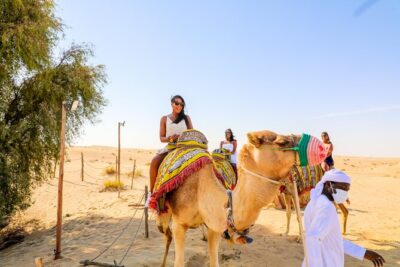
Dubai Red Dunes ATV, Camels, Stargazing & 5* BBQ Al Khayma Camp
Read our review →
Sunset Camel Trek, Al Khayma Camp, Stargazing & BBQ
Read our review →
Overnight Safari, Dinner, Stargazing & Al Khayma Camp
Read our review →
Dubai Overnight Desert Safari, BBQ & Stargazing at Al Khayma Camp
Read our review →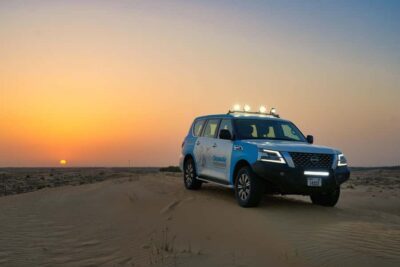
Evening Desert Safari with Camel Ride & Stargazing
Read our review →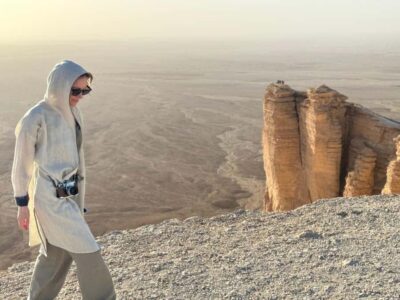
Edge Of The World, camels &Stargazing with 4×4
Read our review →Sunset Camel Trek, Al Khayma Camp, Stargazing & BBQ
Read our review →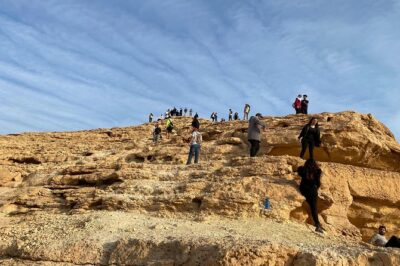
Edge of the World with 4×4 vehicles, sunset Dinner and stargazing
Read our review →Browse the lists this tour appears in