
Reviewed · CAVES & GROTTOS
Makkah: Jabal Al-Nour, Cave Hira, and Mount Arafat Tour
Makkah’s most meaningful sights sit beyond the Grand Mosque, scattered across rugged hills and the open ground used during Hajj. This private tour connects Jabal Al-Nour and Cave Hira, where the first revelation was received, with Arafat, Muzdalifah, Mina, and Cave Thawr. It gives you the geography behind the stories, not just a quick list of names.
I like the way guide Mohammed Alharbi brings Qur’anic verses, hadith, and local history into the drive. I also like the practical touches: hotel pickup, a private group, English and Arabic guiding, drinks, and enough flexibility to pause rather than race from one stop to the next. The main drawback is the four-hour schedule. That is enough for an overview, but it may feel tight if you want long museum visits or serious mountain climbs.
Key points to know before booking
- Jabal Al-Nour and Cave Hira: Learn about the setting of the first revelation and the early life of Prophet Muhammad (PBUH).
- Arafat, Muzdalifah, and Mina: Follow the main geographical stages of the Hajj route by vehicle.
- Jabal Thawr: Hear the story of the Prophet’s refuge with Abu Bakr (RA) during the migration to Madinah.
- Mohammed Alharbi as guide: Expect clear English or Arabic explanations, Qur’anic references, and a patient approach to timing.
- Private four-hour format: Hotel pickup and drop-off make this easy to fit into a Makkah stay, but the schedule is not designed for lingering at every site.
- Museum access costs extra: Tickets are not included, so confirm which exhibitions you want before paying for entry.
Why this Makkah tour is more than a drive around town
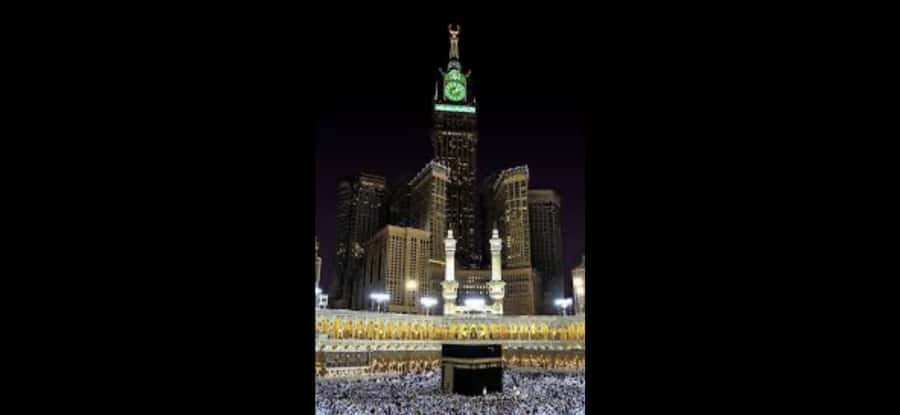
Makkah can be hard to understand from the streets alone. The Grand Mosque is the focus of most visits, but the city’s surrounding mountains and pilgrimage sites explain how Islamic history unfolded in real places. This tour helps connect those places in one half-day outing.
You travel from your hotel in Makkah with a live guide and private group. The route is built around three themes: the first revelation, the Prophet’s migration, and the physical journey of Hajj. That mix gives the tour a useful balance between early Islamic history and present-day pilgrimage practice.
I would treat this as a guided orientation, not a strenuous mountain expedition. The information provided describes visits to Jabal Al-Nour, Cave Hira, and Jabal Thawr, but it does not promise a full climb to each cave. The four-hour duration and transport-based itinerary suggest that the focus is on the sites, their setting, and their meaning.
More Caves & Grottos in Mecca & Medina:
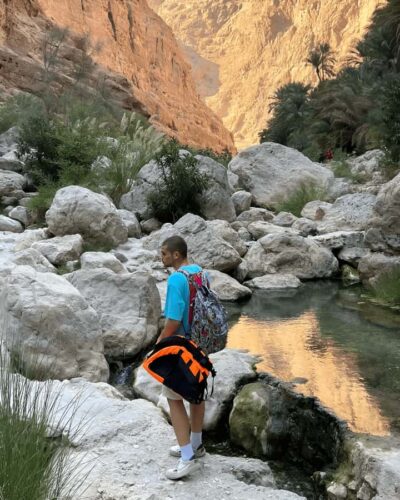
- From Muscat: Wadi Shab & Bimmah Sinkhole Full-Day Tour
★ 4.8 · 1,862 reviews - Edge of The World Riyadh with Camel Ride ,Bat Cave Visit & Dinner
★ 5.0 · 778 reviews - Edge Of The World Hike(Dinner under stars,village,bats cave,camp)
★ 4.5 · 675 reviews
Arafat: understanding the central Hajj stop
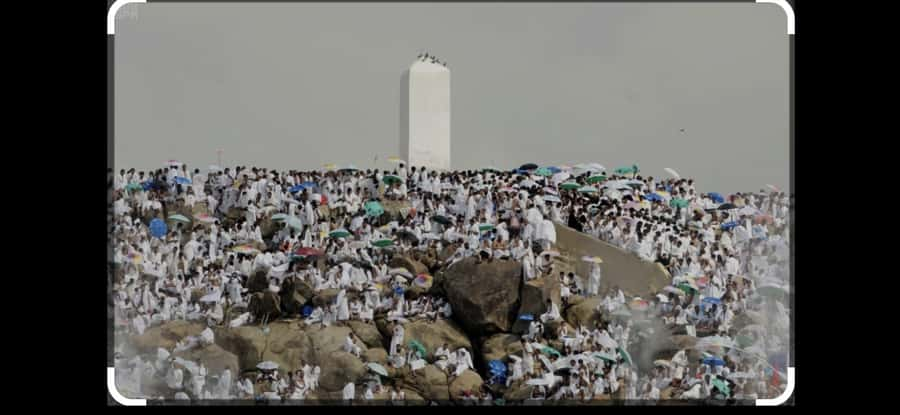
The tour includes a guided visit to Mount Arafat, with one hour specifically assigned to the stop. Arafat is the key point in the Hajj journey, where pilgrims gather for the essential standing ritual. Seeing the area in person gives you a clearer sense of how the pilgrimage moves beyond central Makkah.
This is one of the strongest parts of the route for first-time visitors. You can hear about Hajj in books or sermons, but the geography makes more sense when you see the broad area used by pilgrims. Your guide can explain where Arafat fits in relation to Muzdalifah and Mina, and how the stages follow one another.
The stop is not simply a photo break. It is a chance to ask questions about the order and purpose of the Hajj sites. Mohammed Alharbi is especially praised for explaining places through Qur’anic verses and hadith, which should suit you if you want religious context rather than sightseeing commentary alone.
Traffic around the Grand Mosque can affect pickup and timing. The exact meeting point may need to change, so keep your phone available and arrive 15 minutes early. That small bit of flexibility matters in Makkah, where road conditions can alter a short transfer.
Muzdalifah and Mina: seeing the Hajj route on the ground
After Arafat, the route continues to Muzdalifah and Mina. These places are central to the Hajj sequence, but they can feel abstract if you only know them as names. Traveling between them helps you picture how pilgrims move through the ritual stages.
Muzdalifah is the stop after Arafat, where pilgrims rest before continuing to Mina. Mina is associated with the symbolic stoning of the devil, an important part of Hajj. A guide can give you the basic order and explain why each place matters, making this section particularly helpful if you are preparing for Hajj or want to understand what family members have experienced.
Do not expect a full pilgrimage simulation. This is a sightseeing and storytelling tour, not a religious ceremony or a substitute for Hajj guidance. The value lies in seeing the sites and placing them in the wider story of Islamic worship.
The route also gives you a sense of Makkah beyond its central religious district. You are not simply moving between attractions. You are following the physical path that gives the Hajj its structure.
Jabal Al-Nour and Cave Hira: the first revelation
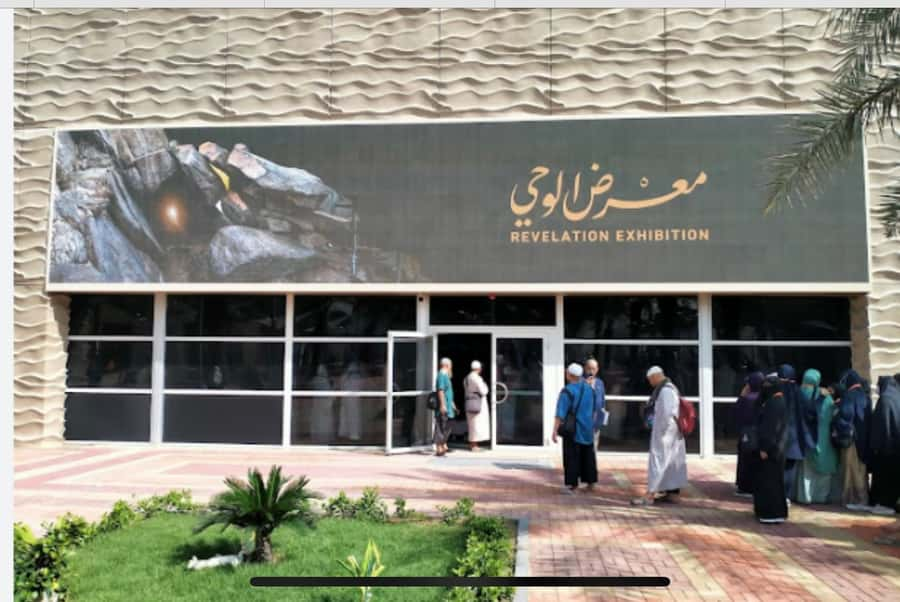
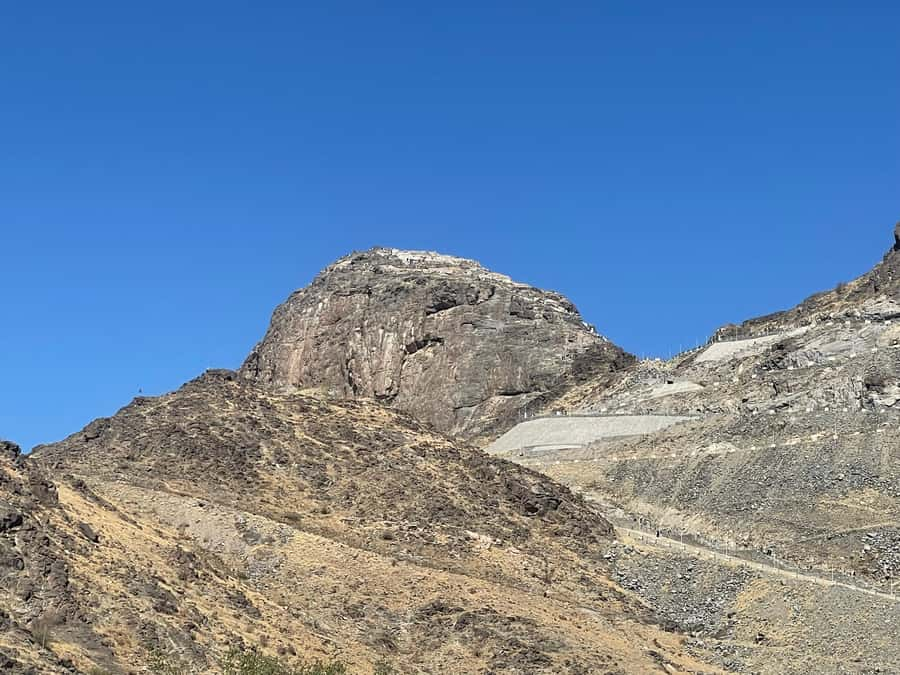
Jabal Al-Nour is one of Makkah’s most important mountains because of Cave Hira. According to Islamic tradition, this is where the first revelation was sent to Prophet Muhammad (PBUH). The tour presents the mountain as a place of reflection and early revelation, linking the physical setting with the beginning of the Prophet’s mission.
For many people, this will be the emotional center of the day. The mountain’s meaning does not depend on a long stop or a difficult climb. Even viewing the area and hearing the story from a guide can help you understand why this place matters so deeply to Muslims.
The information supplied for the tour does not state that a climb into the cave is included. That is important. You should not book this experience expecting a guaranteed hike all the way to Cave Hira unless the operator confirms it directly. The tour is suitable for people who want historical and spiritual interpretation, but the separate note saying it is not suitable for people with mobility impairments suggests that walking or uneven ground may still be involved.
A hat, sunscreen, comfortable shoes, and water are sensible choices. Water and juice are provided, but Makkah’s heat can make even short outdoor stops tiring. Prayer times may also affect the schedule, so the route may not run with clockwork precision.
A few more Mecca & Medina trips worth comparing
- Al Madinah: City Sightseeing Hop-On Hop-Off Bus Tour
★ 3.9 · 148 reviews - Medina Unveiled Private Tour
★ 5.0 · 100 reviews - Madinah Culture & History Tour – Led by Local Guide
★ 5.0 · 74 reviews - Umrah Guide
★ 4.5 · 59 reviews
Jabal Thawr and the story of migration
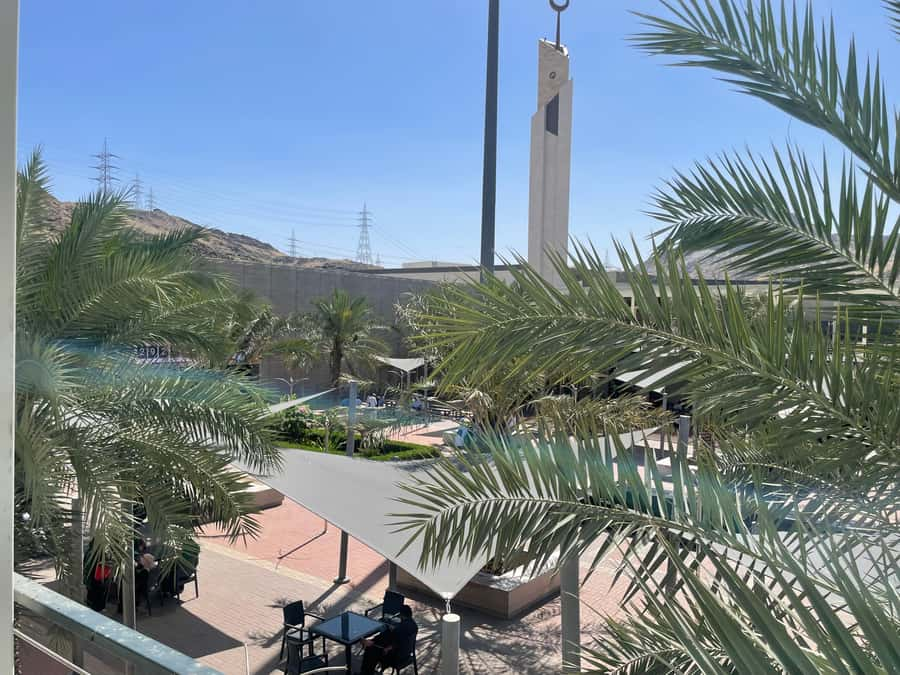
Jabal Thawr introduces a different chapter of Islamic history. Cave Thawr is associated with the time when Prophet Muhammad (PBUH) and his companion Abu Bakr (RA) hid from their enemies during the migration to Madinah.
This stop works well alongside Cave Hira because the two mountains represent different moments. Hira is linked with the first revelation and the beginning of the Prophet’s mission. Thawr is linked with danger, protection, and the journey toward Madinah. Seeing both in one tour gives you a fuller sense of the pressures and turning points in the Prophet’s life.
Again, do not assume that the tour includes climbing into the cave. The supplied details describe a visit to Jabal Thawr and Cave Thawr, but they do not specify a full ascent. Ask about the walking conditions and stopping points if mobility is a concern.
I like the way this part of the tour adds human scale to the history. Instead of hearing only dates and names, you are shown the mountains connected with fear, endurance, and trust. A guide who can explain the story with relevant Qur’anic and hadith references adds real value here.
Makkah’s museums and the Hira Cultural experience
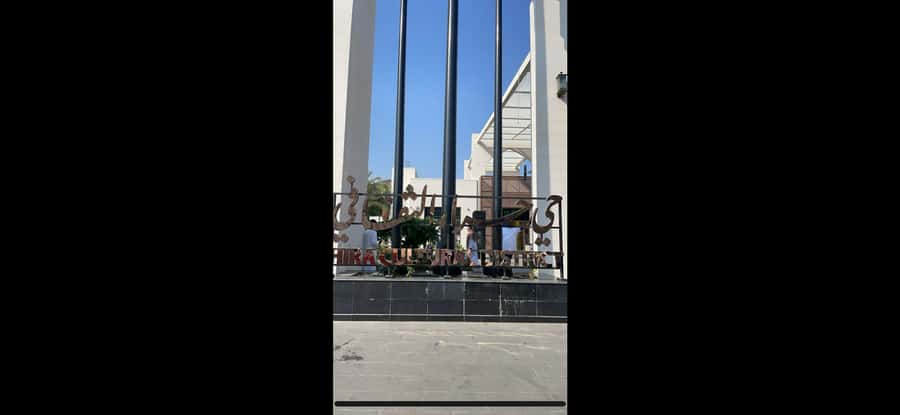
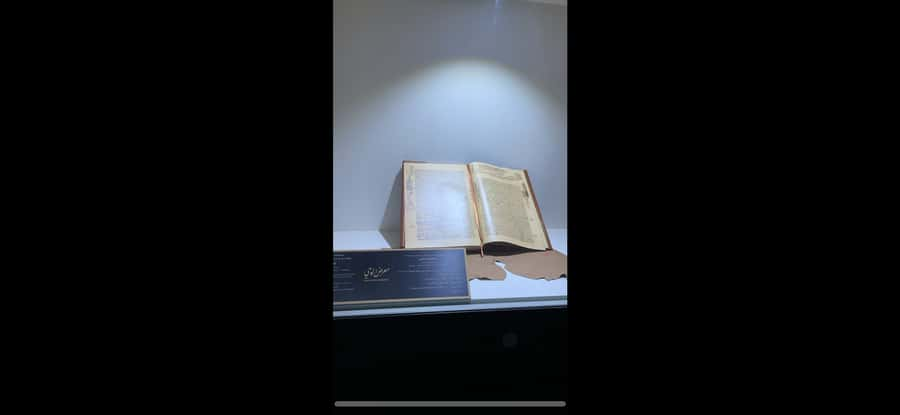
The museum portion rounds out the outdoor stops. The tour details refer to the Makkah Museum and also describe Hira Cultural as a place to learn about the first revelation and Makkah’s heritage. The stated purpose is to connect artifacts, exhibitions, and local history with the religious sites you have already seen.
This is useful because mountains and pilgrimage sites can leave you with a strong impression but a scattered timeline. Museum displays can supply objects, maps, and wider context. You get a chance to move from the open setting of Arafat or the mountains into a more structured presentation of Makkah’s past.
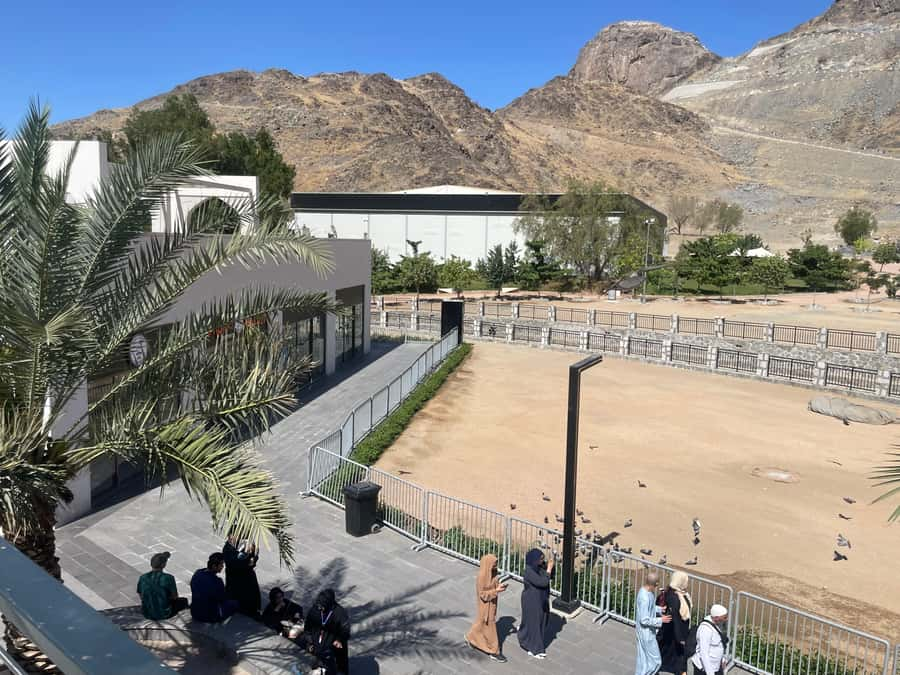
One particularly appealing detail comes from the experience described by Khurram Osman. The guide took the group to the Jabal Hira Visitors Center, where they had Saudi coffee, sukari dates with tahini sauce, and traditional Arabic seating. The same account mentions discounted tickets to exhibitions at Al-Quran and Wahi museums.
Treat those extras as possibilities to confirm, not guaranteed inclusions. The formal information says tickets are not included, so museum entry and any discounts should be checked before you go. The coffee and dates also appear in a specific tour experience rather than the standard list of included items.
Mohammed Alharbi’s guiding style
The guide can make or break a history tour, and Mohammed Alharbi receives consistent praise for patience, communication, and clear storytelling. He is described as fluent in English and able to conduct the tour in Arabic, making the experience workable for bilingual families and mixed-language groups.
His style appears to be more personal than a scripted bus commentary. He has been described as using a sound system for background stories about important figures, quoting Qur’an and hadith where relevant, and adjusting the pace when people are tired. That matters in Makkah, where heat, walking, and prayer schedules can affect your attention.
You should also expect practical help. Mohammed has kept in touch when meeting points were difficult, waited for delayed groups, and provided cold refreshments during hot conditions. These details are not the main reason to book, but they make a difference when you are managing family members, luggage, or a busy day around the Haram.
The guide’s strong point is interpretation. If you already know the stories well, you may find some explanations familiar. If you want a clear account of what happened at each location and why it matters, the format should serve you well.
Is four hours enough for the route?
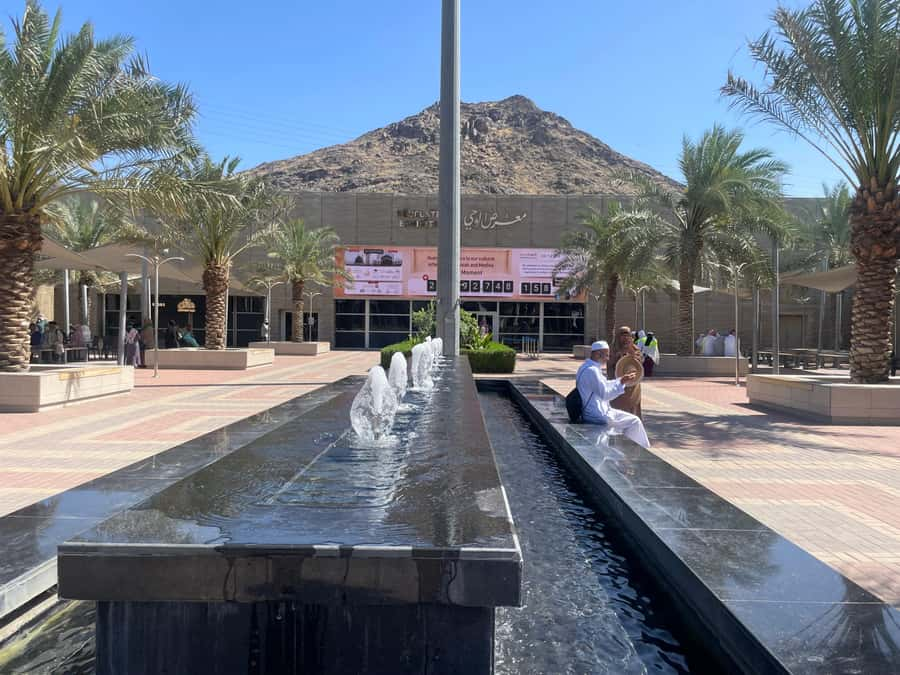
Four hours is a good length for a focused introduction, especially if you have limited time in Makkah. Hotel pickup and drop-off remove the need to arrange a car, negotiate a route, or work out how Arafat, Muzdalifah, Mina, and the mountains fit together.
The tradeoff is depth. The tour includes several major sites, so some stops will be viewed from the vehicle or handled briefly. The formal itinerary highlights one hour at Mount Arafat, while the wider description covers several mountains, Hajj sites, and museums. That means the actual time at each location may vary with traffic, prayer times, museum access, and your group’s pace.
Some previous outings with Mohammed lasted nearly five or six hours, but the advertised duration is four hours. Plan around the official four-hour schedule, and ask before departure if you want a longer version. If you prefer an unhurried museum visit or a serious hike, a private custom arrangement may be a better fit.
Is the $125 price good value?
At $125 per person, the tour is not the cheapest way to see Makkah’s outer sites. The price includes private transportation, hotel pickup and drop-off, a bilingual guide, historical storytelling, sightseeing, water, and juice. For a family or small private group, that convenience can justify the cost.
You are paying for interpretation as much as transport. A driver can take you to Arafat and Mina, but a good guide helps you understand the order of Hajj, the link between Hira and Thawr, and the role each mountain plays in early Islamic history.
Tickets are not included, and meals are also excluded. Set aside extra money if you want to enter the museums. You should also confirm whether any special museum discounts or cultural refreshments are available on your chosen departure.
I see the best value for visitors who want a private, guided experience and do not want to arrange transport themselves. If you only need a quick drive past the Hajj sites, the price may feel high. If you want patient explanations in English or Arabic and the ability to ask questions, it is easier to defend.
Who should book this experience?
This tour suits first-time visitors to Makkah, families, pilgrims preparing to understand the Hajj route, and anyone who wants religious context alongside sightseeing. It is particularly useful if you have already visited the Grand Mosque and want to understand the wider city.
It also suits visitors who appreciate a private format. You are not locked into a large group’s pace, and the guide can pay attention to your questions and energy level. The supplied information describes the tour as wheelchair accessible, but it also says it is not suitable for people with mobility impairments. Because mountains and outdoor sites are involved, ask for a clear description of walking requirements before booking.
Dress modestly, covering shoulders and knees. Bring valid photo identification, comfortable shoes, a hat, sunscreen, and a camera. Smoking is not allowed. Prayer times can change the schedule, so keep your plans around the tour flexible.
Should you book the Makkah sacred sites tour?
Book it if you want the stories behind Makkah’s mountains and Hajj sites, not just a vehicle ride and a few photographs. Mohammed Alharbi’s patient English and Arabic guiding, Qur’anic references, local explanations, and attention to tired visitors are the strongest reasons to choose this experience.
Think twice if your main goal is a full climb to Cave Hira or Cave Thawr, or several hours inside museums. The four-hour format is best seen as a well-organized introduction, with the option to confirm extra time and ticket details before you go.
For most visitors, the tour’s best feature is the connection between places. Arafat, Muzdalifah, Mina, Hira, and Thawr stop being isolated names. They become a readable map of Hajj and early Islamic history, explained by someone who knows how to make the geography matter.
FAQ
How long does the tour last?
The advertised duration is four hours. Prayer times, traffic, and the pace of the private group may affect the schedule.
What places are included?
The tour description includes Arafat, Muzdalifah, Mina, Jabal Al-Nour, Cave Hira, Jabal Thawr, Cave Thawr, and a Makkah museum or Hira Cultural museum experience.
Is hotel pickup included?
Yes. Pickup and drop-off in Makkah are included, although the exact meeting point may need to change because of traffic around the Haram.
Is the tour available in English and Arabic?
Yes. The tour has a live bilingual guide in English and Arabic. Mohammed Alharbi is described as speaking very good English and conducting tours in Arabic when requested.
Are museum tickets included?
No. Tickets are not included in the tour price. Confirm entry costs and any available discounts before visiting the museums.
What should I bring?
Bring comfortable shoes, a hat, sunscreen, a camera, and valid photo identification. Water and juice are provided, but you may still want extra water for outdoor stops.
Is the tour suitable for people with mobility impairments?
The information says it is not suitable for people with mobility impairments. Since the route includes mountains and outdoor locations, ask the operator about walking and access conditions before booking.
Newest Mecca & Medina trips on the site
- From Madinah: Half-Day Ziarah Tour★ 4.9 · 59 reviews
- Makkah: Experience the Life of the Prophet in Makkah★ 4.9 · 22 reviews
- Madinah Culture & History Tour – Led by Local Guide★ 5.0 · 74 reviews
- 4WD Adventure in Uhud Mountain★ 4.5 · 29 reviews
- Madinah Ziyarats (Private tour)★ 3.5 · 26 reviews
- City Sightseeing Al Madinah Hop-On Hop-Off Bus Tour★ 3.0 · 50 reviews
- Experience Madinah’s Culture and Historical sights★ 5.0 · 32 reviews
- Makkah Hotel to Medina Hotel Private Umrah Cab★ 5.0 · 24 reviews
Caves & Grottos, compared.
Edge of The World Riyadh with Camel Ride ,Bat Cave Visit & Dinner
Read our review →
Edge Of The World Hike(Dinner under stars,village,bats cave,camp)
Read our review →
Wadi Shab and Bimmah Sinkhole Group Full Day Tour
Read our review →
Edge of The World Riyadh,Camel Ride ,Bat Cave Visit & Dinner
Read our review →
Jeita Grotto,Harissa&Byblos Full-Day PRIVATE-CAR Trip from Beirut
Read our review →
Browse the lists this tour appears in