
Reviewed · HISTORICAL TOURS
Historical Salalah City Tour
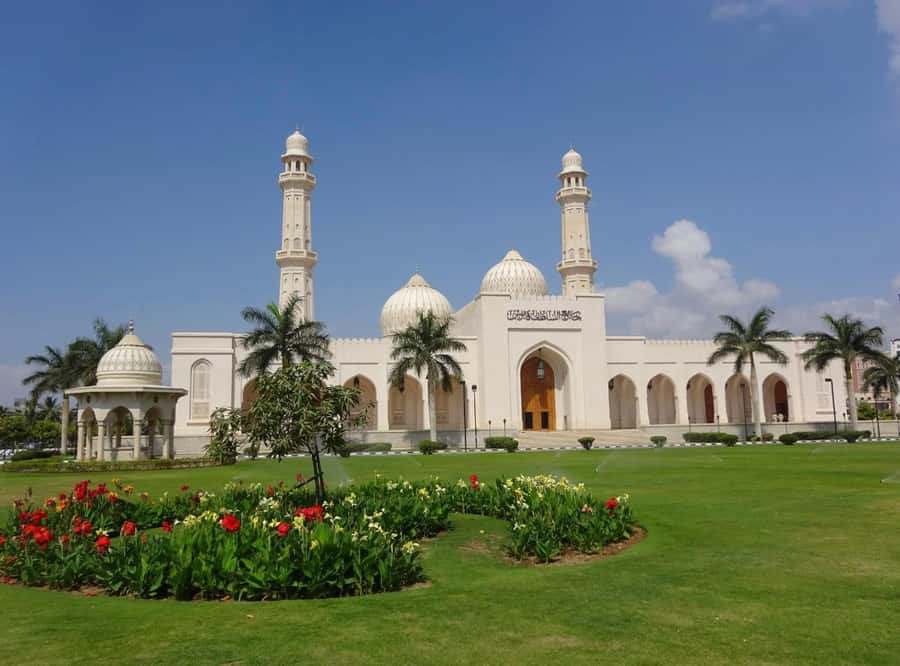
Salalah’s story makes the most sense when you connect its frankincense trade with daily life today. This half-day tour links the Sultan Qaboos Mosque, the old Al Hosn frankincense market, Al Baleed, and fruit plantations instead of treating the city as a string of unrelated photo stops.
I like the local English-speaking guides, especially because guides such as Amin, Salem, and Rashid are described as friendly, clear, and well informed about Salalah. I also like the easy mix of culture and ordinary life: palace gates, museum displays, souq shopping, coconut juice, and fruit stalls. The main caution is timing. One itinerary can feel brisk, and one reported outing lasted about two and a half hours plus hotel transfers, so confirm how much time you will have at each stop.
Key points
- Frankincense from trade to shopping: Visit Al Hosn Souq to see where Salalah’s famous resin is sold alongside handmade gifts.
- A useful mosque visit: Sultan Qaboos Mosque includes local explanations of religion and customs, with strict clothing rules.
- Al Baleed in context: The Museum of the Land of Frankincense and archaeological site connect Oman’s past to its ancient trade.
- A real taste of Salalah: Finish with a free coconut drink at the fruit market.
- Local perspective: Guides including Amin, Salem, and Rashid have led tours with strong praise for their English and explanations.
- Flexible booking: You can reserve now and pay later, with free cancellation up to 24 hours ahead.
Why Salalah works best as a connected city tour
Salalah is not only a resort base or a gateway to Dhofar’s countryside. It is the main city of the region and the place where Omani religious life, frankincense commerce, royal history, archaeology, and tropical agriculture meet.
That combination gives this tour its value. You are not spending the whole morning inside one museum or driving past sights without context. Instead, you move between places that explain different parts of Salalah.
The tour is listed at $104 per person, which is a meaningful price for a half-day outing. It makes the most sense if you want a guide, hotel transport, and a structured introduction to the city without arranging several separate visits yourself.
The value depends heavily on the guide and on how long the group stays at each stop. Amin is from Salalah and has been described as offering especially strong local knowledge. Salem has been praised for giving clear explanations and allowing time at the main sights. Rashid has also been singled out for answering questions thoroughly.
At the same time, the tour should not be treated as a long museum visit or a full-day city exploration. It is an introduction, and the schedule may feel short if you want to read every display, shop slowly, or spend time at the beach.
More Historical Tours in Oman
- From Muscat: Nizwa and Oman’s Historical Gems Tour
★ 4.7 · 403 reviews - Half-Day Private Muscat City Tour – Top Landmarks in Just 4 Hours
★ 5.0 · 256 reviews - Nizwa Heritage & Culture Full Day Tour with Audio Guiding
★ 4.3 · 213 reviews
Sultan Qaboos Mosque and the rules that matter
The first major stop is Sultan Qaboos Mosque. This is the part of the tour where practical preparation matters most.
The mosque is open to visitors from Saturday through Thursday, 8:30 to 11:00, and it is closed on Fridays. The stated visiting window is narrow, so check that your tour falls within it before booking or setting your expectations.
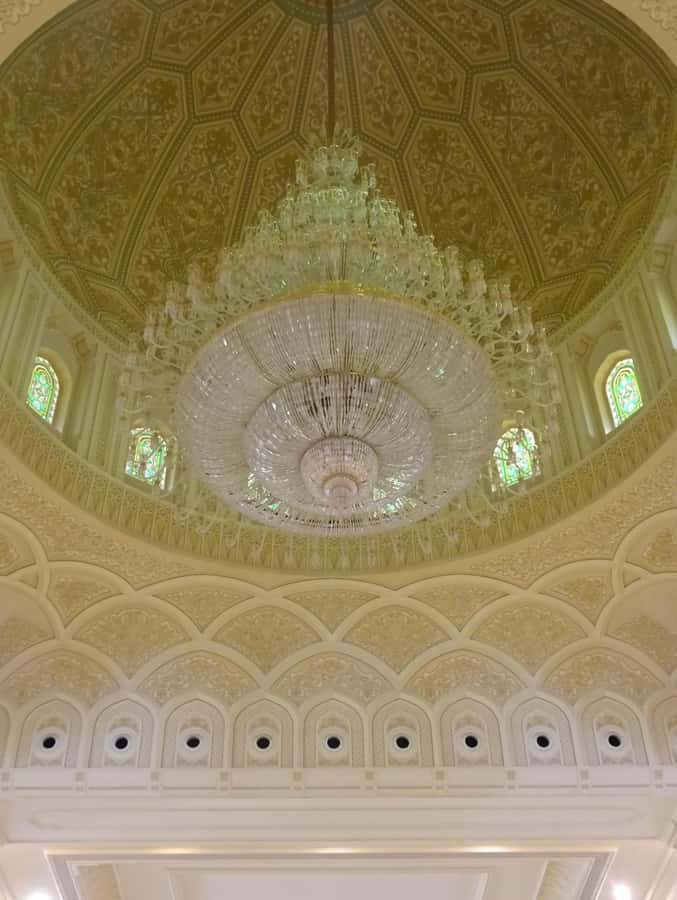
Dress conservatively. Women need a scarf, long sleeves, and long pants. Shorts, short skirts, tight clothing, and see-through clothing are not allowed. Men also need full, appropriate coverage. Bring the scarf with you rather than assuming one will be available at the entrance.
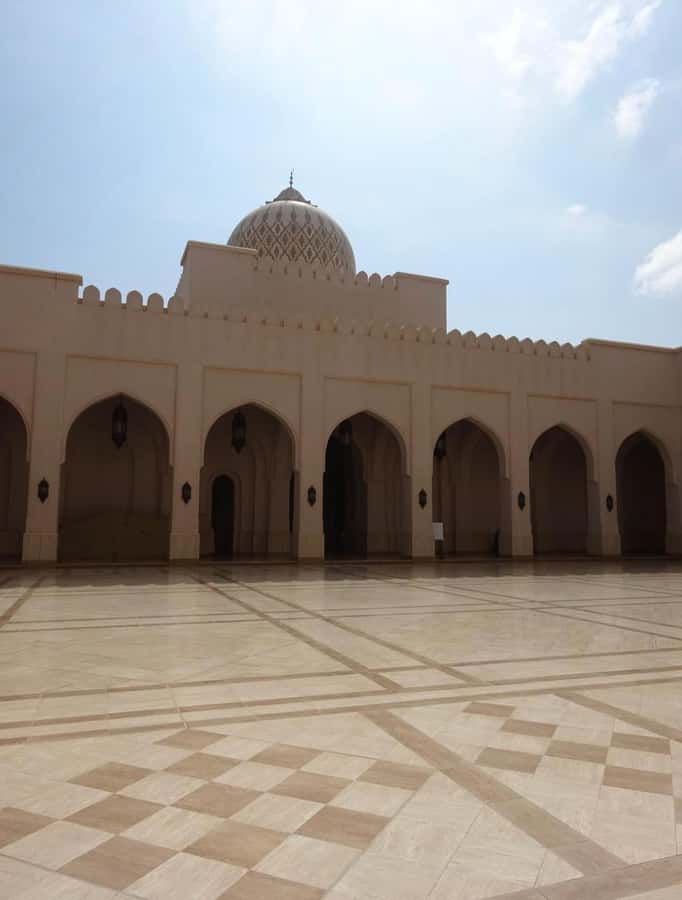
Your guide explains local traditions, religious customs, and how prayer takes place. That can make the visit more useful than simply walking through a grand building and taking photographs. You get a basic sense of how the mosque fits into Omani life.
The visit includes free time, reportedly around 20 minutes on one outing. That is enough for a look around, but not necessarily enough for a slow architectural study. If the mosque is your main reason for booking, ask about the precise schedule.
A palace photo stop with limited access
The Sultan’s Palace is viewed from outside. The stop is mainly for photographs and an explanation of the royal connection to Salalah.
The palace is associated with Sultan Qaboos, who was born in 1940. Your guide may point out details such as the ruler, his successor, and the coat of arms. This gives the stop some context beyond a quick picture through the vehicle window.
Do not expect an interior tour. The palace is not presented as a place you enter, and the time here is brief. That is not a serious flaw if you see it as a short royal-history stop, but it is worth knowing before you arrive.
This is one of those moments where a good guide makes a clear difference. A few well-chosen facts can make an outside view worthwhile. A rushed explanation can leave it feeling like a photo stop added to fill out the route.
Al Hosn Souq and Salalah’s frankincense trade
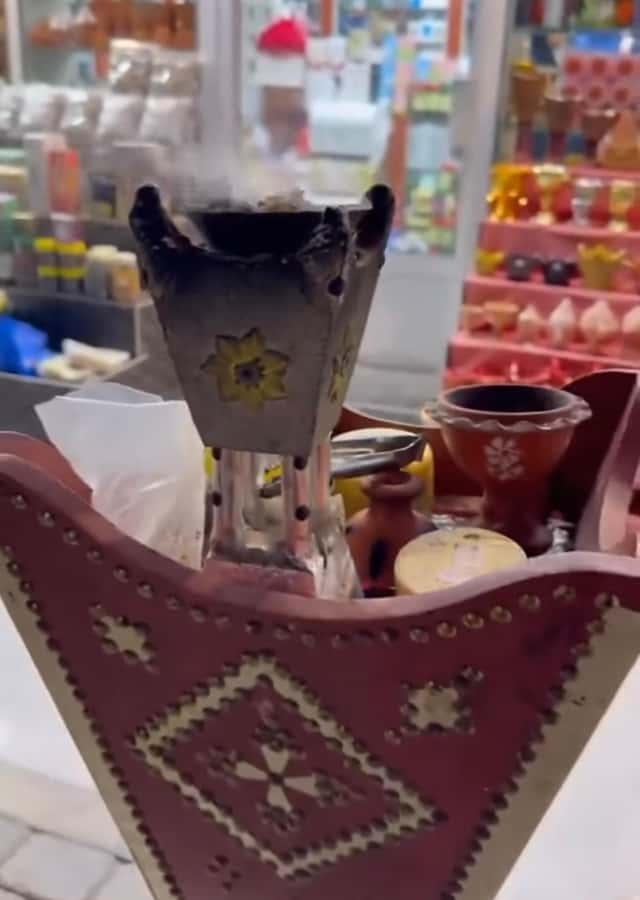
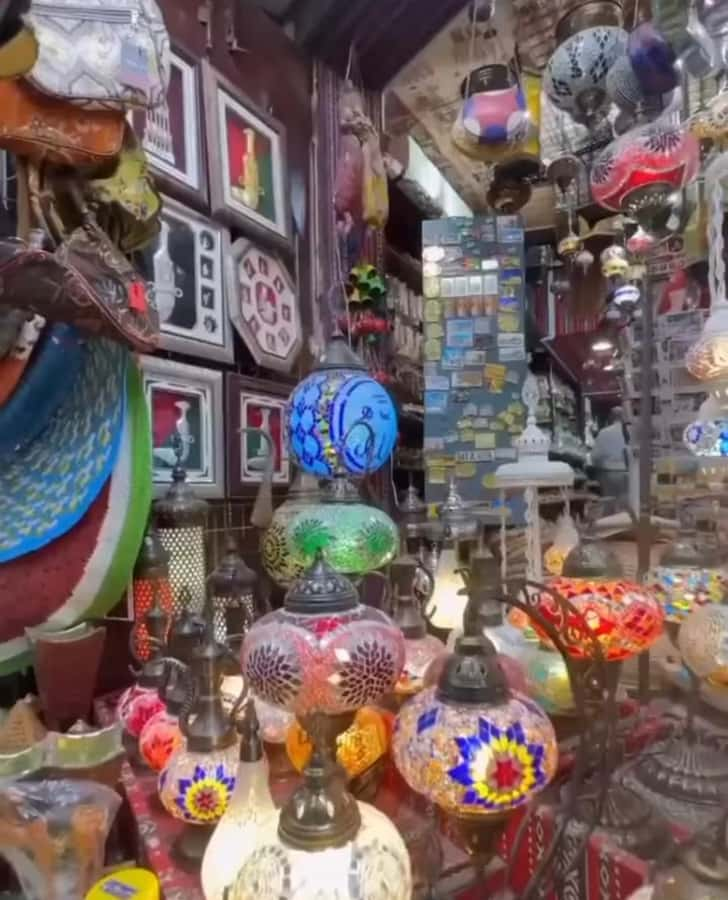
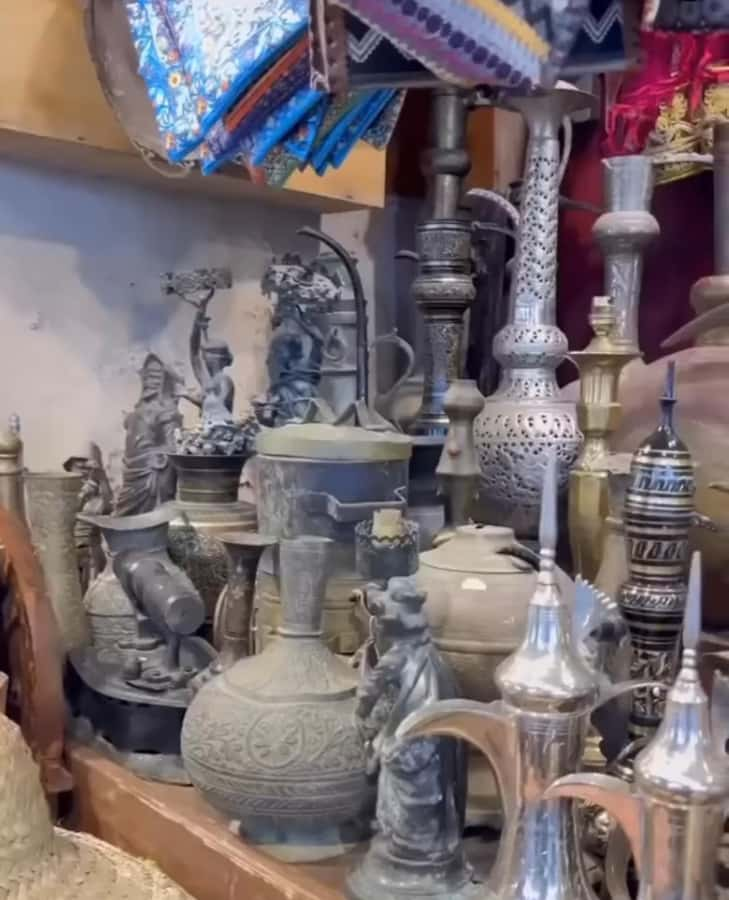
The route then moves toward Al Hosn Souq, also called Haffa Souq in the tour description. It is presented as one of Salalah’s oldest local markets and focuses on frankincense, local products, and handmade gifts.
Frankincense is not just a souvenir here. It is central to Dhofar’s identity and to Salalah’s connection with the old trading world. At the souq, you can look at different frankincense products and ask your guide about how the resin is used.
This is a good place to slow down and ask questions. You may see shops selling frankincense and other local goods, and tea is included during the stop. There is also free time to browse.
Shopping can be a mixed part of any guided outing. Some people like having a local market included, while others prefer to explore without a set stop. If you buy something, take your time and compare products instead of feeling obliged to purchase.
The souq also helps you understand why Salalah is called the perfume capital of Arabia. The city’s identity is tied to scent, trade, and the products of Dhofar, not simply to modern shopping streets.
More Historical Tours in Salalah:
- Dubai Evening Heritage Safari by Vintage G Class Al Marmoom Oasis
★ 5.0 · 1,500 reviews - Dubai Camel Desert Safari, Traditional Meal & Heritage Activities
★ 5.0 · 937 reviews - Dubai: Heritage Safari in Vintage Land Rover with Dinner
★ 4.8 · 861 reviews - Dubai: Historic City Highlights Day Trip
★ 4.4 · 807 reviews
Al Baleed and the Museum of the Land of Frankincense
For historical context, the strongest stop is Al Baleed. The archaeological site is part of a UNESCO World Heritage site, and the Museum of the Land of Frankincense explains Oman’s past through the region’s trade and settlements.
The museum is where the different parts of the tour come together. After hearing about frankincense at the souq, you can see how that product helped connect Dhofar with the wider world. You also get a broader view of the difference between older Oman and the modern country.
The guide is expected to explain the displays and Oman’s development rather than simply escort you through the building. That is important because museum labels alone may not give you the local setting you need.
Allow enough attention for this stop. One account describes a visit to the museum near the end of the outing, with some free time before returning. Another larger group had a guide who explained the material at length, showing how much better the experience can be when the commentary is thorough.
The main drawback is that the half-day schedule may limit your time. If you read every panel, you could want longer than the tour allows. If you prefer a clear overview with a guide selecting the most useful points, the arrangement should work well.
Fruit plantations, coconut juice, and everyday Salalah
The tour ends with a lighter look at local life. You drive through fruit plantations and may pass areas such as Ain Razat, along with fruit shops and plantation roads.
The description also includes a free coconut drink at Salalah’s fruit market. It is a small detail, but a welcome one after the mosque, palace, souq, and museum. It gives the tour a taste of ordinary commerce rather than ending only with monuments.
Salalah’s tropical produce is one of the city’s distinctive features. Coconut plantations and fruit markets offer a different picture of Dhofar from the one created by the frankincense trade alone.
Do keep your expectations practical. The information does not promise an agricultural tour or a long stop inside a plantation. You are mainly driving through plantation areas and visiting a fruit market or shop. The coconut drink is a pleasant final touch, not a full meal or a tasting session.
The route, vehicle, and pace
This is a half-day city tour with transport in newer vehicle models and comfort features. That matters because Salalah’s sights are spread across the city and nearby areas, so the time between stops is part of the experience.
Hotel pickup and return are included in the arrangement described. One reported outing involved around an hour of hotel travel in total, so the exact location of your hotel can affect how much sightseeing time you receive.
The tour is offered in English. An experienced local guide is included, and the best feedback focuses on friendly service, clear English, and answers to questions. The guide can also help explain local customs at the mosque and the meaning of frankincense at the souq.
Ask about the group size if pacing matters to you. The supplied details do not give a standard maximum group size. One outing had only two customers plus the driver, while another account refers to a larger group at the museum. That suggests the feel may vary from intimate to more shared, depending on the date.
What the $104 price means

At $104 per person, this is not the cheapest way to see a few Salalah sights. You are paying for a guided route, transport, local explanation, and the convenience of connecting the city’s main cultural stops in one outing.
The price is easier to justify if you are in Salalah for a short stay, do not have a rental car, or want help with mosque etiquette and local history. It also suits you if you would rather ask questions than research each stop yourself.
The value is less convincing if you mainly want a quick palace photograph and a market visit. You could find the pace too fast for the cost, particularly if your hotel is far from the center or if you prefer spending a long time at Al Baleed.
The strongest reason to book is the guide. Names connected with particularly strong outings include Amin, Salem, and Rashid, each praised for clear communication and local insight. Since the specific guide may vary, treat the guide quality as an important part of the experience but not something you can necessarily select.
Who should book this Salalah tour?
I would recommend it to a first-time visitor who wants a quick orientation to Salalah. It is especially useful for anyone interested in frankincense, Omani religion, royal history, and local markets in equal measure.
It also suits cruise passengers or short-stay visitors who want several landmarks covered without organizing transport. The half-day format leaves room for another activity later, though the actual sightseeing time can be shortened by hotel transfers.
You may want a different plan if you want a slow archaeological visit, a long beach stop, or a full plantation experience. Al Haffa Beach appears in the wider description, but the main included stops focus on the mosque, palace exterior, souq, museum, and fruit market. Do not book expecting a substantial beach visit.
The tour has an overall rating of 4.7 from 22 ratings, with repeated praise for the itinerary, guide courtesy, English, and local knowledge. There is also a clear warning from one unhappy outing: a guide may give limited explanations, allow little time at the museum, or finish sooner than expected. Confirm the schedule if detailed guiding is important to you.
Practical preparation before you go
Wear long sleeves and long pants from the start. That saves you from changing before the mosque, and it keeps the clothing rules simple.
Pack a scarf for women, and avoid shorts, short skirts, tight clothes, and transparent fabrics. The mosque is closed on Fridays, so Saturday through Thursday is the useful window.
Bring questions about frankincense, the Sultan’s Palace, and modern Oman. A good guide can add much more when you ask about what you are seeing.
The booking terms are flexible: you can reserve and pay later, and cancellation is free up to 24 hours before the tour. That is useful if your Salalah plans may shift.
Should you book it?
Book this tour if you want a guided first look at Salalah, value local explanations, and like the idea of combining a mosque, palace, frankincense souq, UNESCO site, museum, and fruit market in half a day.
I would book it with realistic expectations. This is a city introduction, not a slow cultural study. Its success depends on the assigned guide and the time available at each stop, but guides such as Amin, Salem, and Rashid have shown the kind of clear, friendly service that makes the route worthwhile.
If you want efficient coverage and a taste of Salalah’s history and daily life, the $104 price can make sense. If you want long visits, independent browsing, or a full day at Al Baleed, choose a longer or more private arrangement instead.
FAQ
How long is the Historical Salalah City Tour?
It is described as a half-day city tour. One reported outing lasted about two and a half hours, plus roughly one hour for hotel travel, but the exact timing can vary.
What language is the tour offered in?
The tour is offered in English with an English-speaking local guide.
Which mosque does the tour visit?
The tour visits Sultan Qaboos Mosque, also referred to in the information as Sultan Mosque.
When is Sultan Qaboos Mosque open to visitors?
The mosque is open from Saturday through Thursday, from 8:30 to 11:00. It is closed on Fridays.
What should I wear to the mosque?
Bring a scarf, and wear long sleeves and long pants. Shorts, short skirts, tight clothing, and see-through clothing are not allowed.
Can I go inside the Sultan’s Palace?
No. The palace is visited from outside as a photo stop, with information about the ruler, successor, and coat of arms.
What is included at the fruit market?
A free coconut drink is included at Salalah’s fruit market.
Can I cancel the tour for a full refund?
Yes. You can cancel up to 24 hours in advance for a full refund. You can also reserve and pay later.
More City Tours in Salalah
- Salalah City Tour: Discover the Best of Oman’s Coastal Gem
★ 4.8 · 58 reviews - Dubai: City Sightseeing HOHO Bus Tour + Sunset & Night Tour
★ 4.3 · 6,442 reviews - Dubai Old and Modern City Tour with Blue Mosque Visit
★ 5.0 · 3,624 reviews - Small Group Abu Dhabi City and Sightseeing Tour From Dubai
★ 5.0 · 3,331 reviews
Newest Salalah trips on the site
- Salalah: Wadi Derbat, Jabal Samhan, & Sinkhole Private Tour★ 4.9 · 42 reviews
- Luxury Overnight Desert Safari in Salalah★ 4.7 · 31 reviews
- Caribian Orient (Swiming at Fazayeh Beach )★ 4.9 · 27 reviews
- East Salalah Mountain Safari★ 5.0 · 43 reviews
- Salalah City Tour: Discover the Best of Oman’s Coastal Gem★ 4.8 · 58 reviews
- Salalah: Sunset Desert Safari – Rub Al Khali – Empty Quarter★ 4.6 · 79 reviews
- Salalah: Half-Day Guided Tour to Wadi Darbat & Mount Samhan★ 4.9 · 46 reviews
- East Salalah Mountain Safari, Wadi Darbat, Beach, Camels, Dunes★ 5.0 · 206 reviews
Historical Tours, compared.

Dubai Evening Heritage Safari by Vintage G Class Al Marmoom Oasis
Read our review →
Dubai Camel Desert Safari, Traditional Meal & Heritage Activities
Read our review →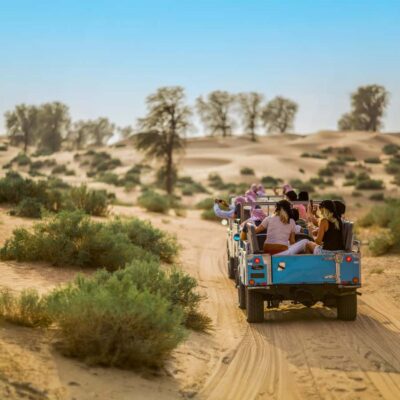
Heritage Safari in Vintage Land Rover with Dinner
Read our review →
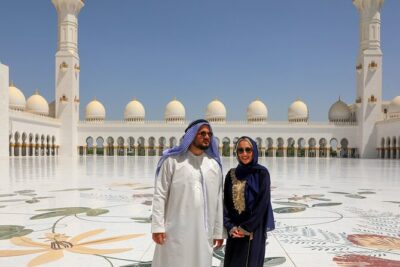
Abu Dhabi Trip with Lunch at Al Khayma Heritage Restaurant
Read our review →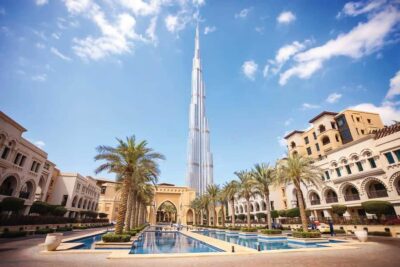
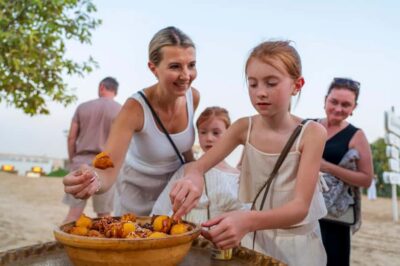
Heritage Safari, Camel Ride & Al Marmoom Oasis Dinner
Read our review →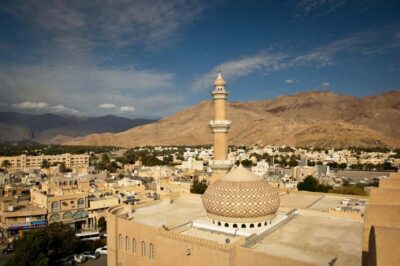
Browse the lists this tour appears in