
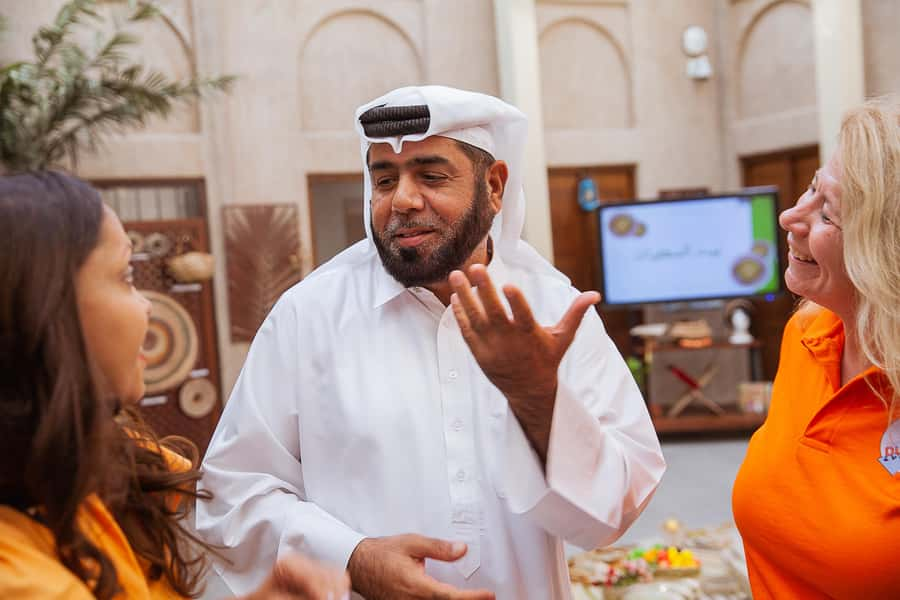
Reviewed · FORTS & ANCIENT SITES
Historic Forts, Boats and Pearls of Old Dubai Walking Tour
Old Dubai makes the city’s story easier to understand. This two-hour walk takes you from Al Bastakiya’s heritage houses to Al Fahidi Fort, the textile, spice, and gold souks, then across Dubai Creek in a wooden abra. It is a useful counterpoint to Dubai’s towers and shopping malls.
I like the way the tour joins places that can feel scattered when visited alone. I also like the small cultural details, especially the coffee and dates tasting, spice-souk samples, and explanations of local etiquette. The main drawback is pace: two hours is enough for an introduction, not a slow museum visit or a serious shopping trip. Walking in Dubai’s heat can also make comfortable shoes and light clothing essential.
Key points to know before you book
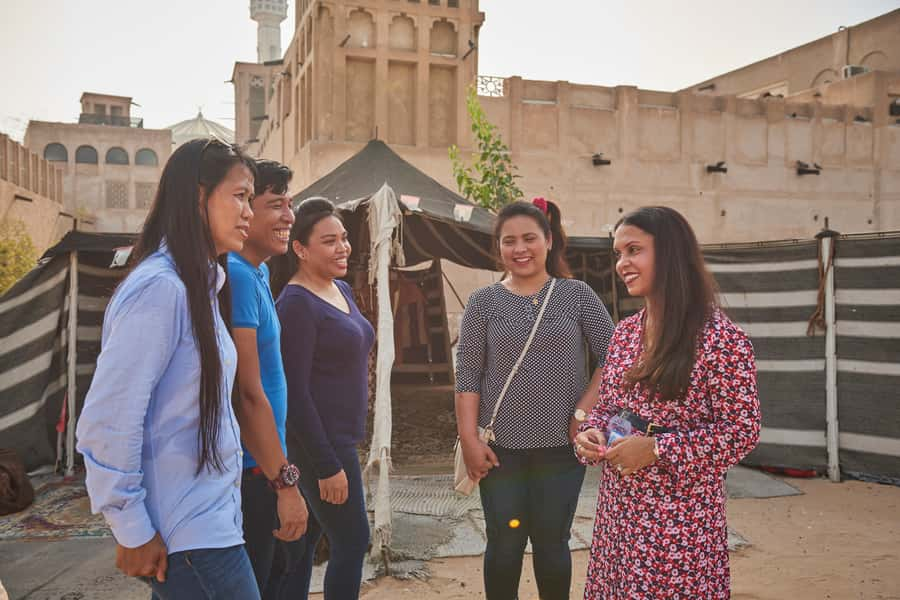
- Al Bastakiya and Al Fahidi come first: See old residential lanes and heritage buildings before reaching the markets.
- The abra ride gives the tour a change of pace: Cross Dubai Creek in a traditional wooden boat rather than staying on foot.
- Three major souks are included: The route covers textile, spice, and gold markets, with perfume-related sights also part of the walk.
- Food is part of the lesson: Coffee and dates are included, along with chocolates and dried fruit in the Spice Souk.
- The guide makes the difference: English-speaking guides such as Pri, Dana, and Sameh have led sessions praised for clear stories, humor, and strong local context.
- The tour costs $54 per person: That is fair if you want an organized introduction with tastings, museum access, guiding, and the abra crossing.
Why Old Dubai is the right place to begin
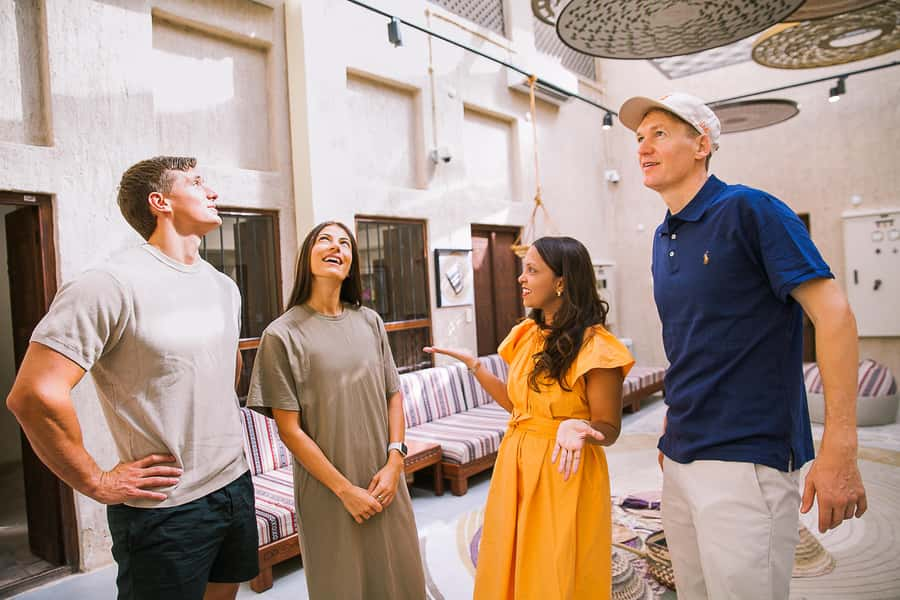
Dubai is often presented through its skyscrapers, luxury hotels, and giant shopping centers. Those sights show the modern city well, but they explain very little about how Dubai began.
This walk starts in the older part of Bur Dubai, where narrow lanes, courtyard houses, wind towers, and shaded passages provide a much better sense of the city before its oil wealth and global ambitions. You will hear about the early trading community, food, customs, and the role of pearl trading in the local economy.
I think this context matters. Without it, the souks can feel like colorful shopping streets built for sightseeing. With a good guide, they become part of a working port story. Goods arrived by sea, merchants traded across the region, and the Creek connected the settlement to a much wider world.
The tour is also short enough to fit into a first day in Dubai. You can use it to get your bearings, learn a few local customs, and decide which parts of Bur Dubai and Deira deserve a longer return visit.
More Historical Tours in Dubai
- Dubai Evening Heritage Safari by Vintage G Class Al Marmoom Oasis
★ 5.0 · 1,500 reviews - Dubai Camel Desert Safari, Traditional Meal & Heritage Activities
★ 5.0 · 937 reviews - Dubai: Heritage Safari in Vintage Land Rover with Dinner
★ 4.8 · 861 reviews
Meeting at Arabian Tea House in Bastakiya
The meeting point is outside Arabian Tea House on Al Fahidi Street, opposite the Musalla Post Office in Bastakiya. This is a practical starting point because you begin in the historic quarter rather than spending the first part of the tour crossing the modern city.
Arrive ready to walk. The tour does not include hotel pickup or drop-off, so you need to make your own way to the meeting point. The operator gives a meeting location, but not transport instructions, so check your route before setting out.
The opening section is a good moment to settle into the pace. You will be walking through old lanes and stopping for explanations, photographs, and cultural details. Wear comfortable shoes and comfortable clothing. That advice is basic, but it matters here: the route combines pavement, market lanes, outdoor areas, and a boat crossing.
Al Bastakiya and the Al Fahidi historical neighborhood
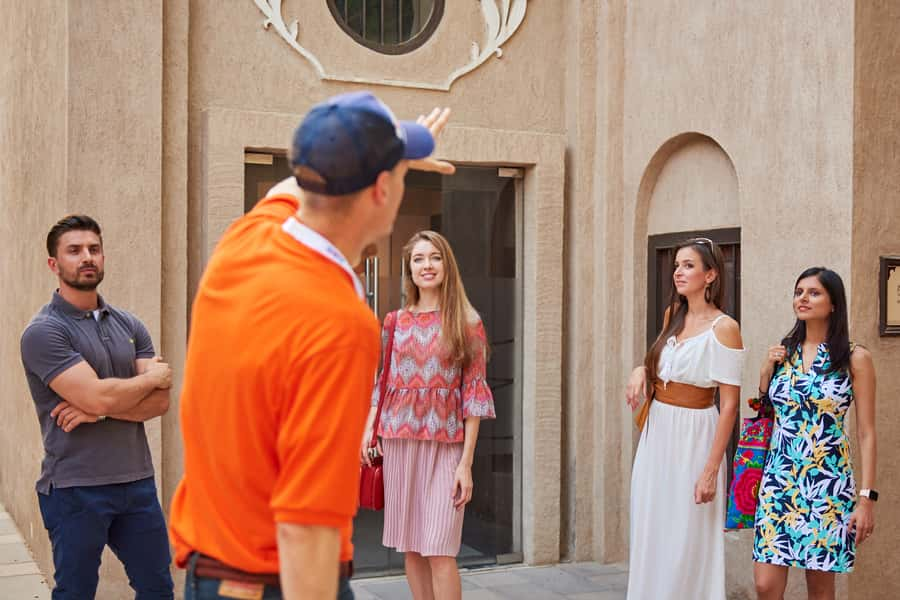
Al Bastakiya, also called the Al Fahidi historical neighborhood, is the most atmospheric part of the route. Its old houses and narrow lanes offer a sharp contrast with Dubai’s glass towers.
The buildings reflect an earlier style of Gulf living, with enclosed courtyards and wind towers designed to help move air through the house. You will learn how residents lived, traded, and organized daily life before Dubai became a major international destination.
This is where the guide’s storytelling carries the most weight. Past sessions have been led by guides including Pri, Dana, and Sameh. Dana was particularly praised for her warmth, organization, and ability to keep a group together, while Pri was described as patient and pleasant. Sameh was also singled out for a strong presentation.
Those names do not guarantee who will lead your departure, but they give you a useful idea of the guiding style to expect. The best part of this tour is not simply being shown a building. It is having someone explain what the building says about family life, climate, trade, and the region’s social customs.
You may also visit museums during this section. Museum tickets are included, which adds value to the $54 price and gives the walk a little more substance than a route based only on outdoor viewpoints.
Al Fahidi Fort and the city before the towers
Al Fahidi Fort is one of the tour’s key historic stops. It helps place Dubai’s development in a longer timeline, from a small desert trading town to a major modern city.
The tour’s historical discussion includes Dubai’s politics, demographics, food, culture, and relations with the wider region. You will also hear about pearl trading, an important part of the older economy. This is useful background because it shows that Dubai’s commercial identity did not begin with finance, aviation, or luxury retail.
I like this part for another reason: it corrects the idea that Dubai appeared fully formed in the last few decades. The city’s current success is recent, but its position as a trading settlement has older roots.
Do not expect an extended museum study. The whole experience lasts two hours, and the route has several major stops. You will get an introduction and useful context, not a specialist lecture on fort architecture or Gulf archaeology.
More Souk & Old Town Tours in Dubai
- Dubai: Old Town, Creek, Museums, Souks, & Street Food Tour
★ 4.8 · 10,816 reviews - Dubai: Old Town, Souks, Street Food, Guided Tour & Abra Ride
★ 4.9 · 7,170 reviews - Dubai: Frame Tickets, Creek, Souks & Blue Mosque Guided Tour
★ 4.8 · 5,980 reviews - Dubai Aladdin Tour: Souks, Creek, Old Dubai and Tastings
★ 5.0 · 3,755 reviews
Coffee, dates, and small cultural details
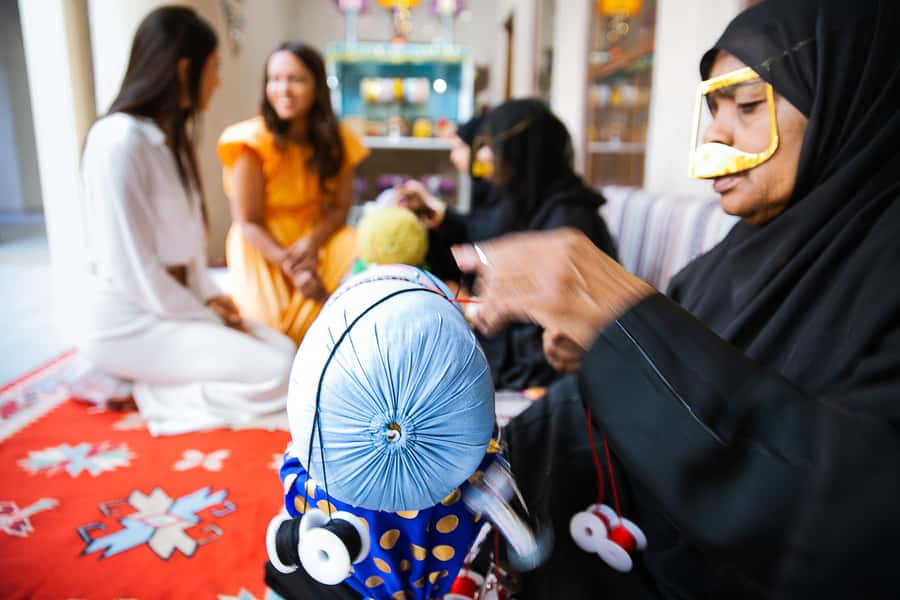
Food tastings help make the tour feel less like a list of landmarks. Coffee and dates are included, and the Spice Souk section adds tastings of chocolates and dried fruits.
These samples are modest, but they give the guide an easy way to discuss hospitality, flavor, food traditions, and daily life. The coffee and dates also help connect the tour to the way people welcome visitors in the region.
The experience includes explanations of local customs and etiquette. That can be especially useful if this is your first visit to the United Arab Emirates. You will receive practical cultural context rather than being left to guess what is polite in a market, home, or religious setting.
The food element should not be treated as a full meal. Plan to eat before or after the walk if you need lunch. The tastings are small additions to the cultural program, not a substitute for a restaurant visit.
Textile Souk: color, bargaining, and local shopping
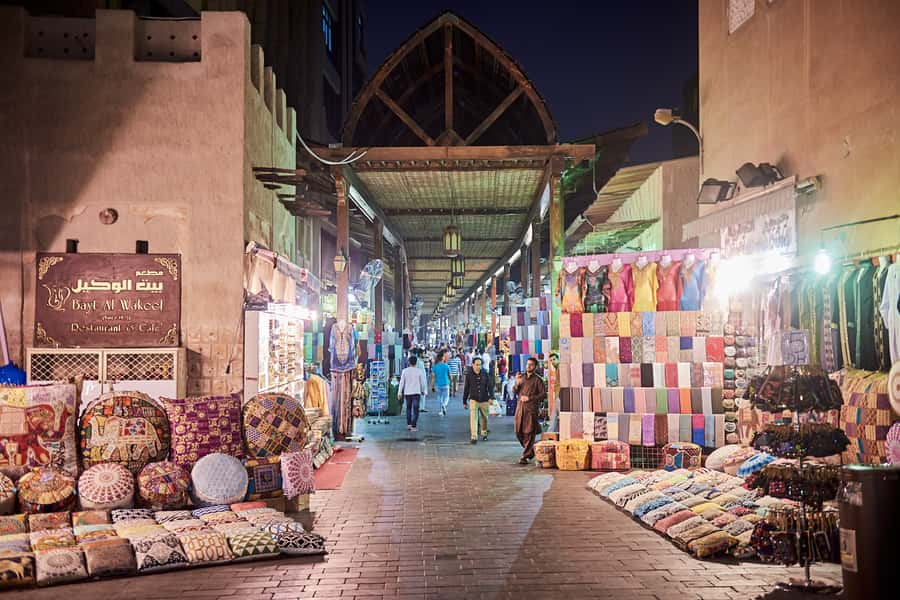
The Textile Souk gives the walking route a strong visual change. After the quiet lanes of Al Bastakiya, the market introduces fabrics, colors, shopfronts, and sellers.
Your guide can help explain how to approach the market and what you are seeing. This is also the place where you may be encouraged to browse or buy souvenirs. The tour information says you will walk away with souvenirs from the tour, but it does not specify what is included or guaranteed, so treat shopping purchases as separate from the tour price unless your guide explains otherwise.
I would not book this experience mainly as a shopping trip. Two hours is too short for careful comparison across many shops, and group timing naturally limits how long you can spend at one counter. Still, the market is valuable because it puts you in contact with one of Old Dubai’s trading traditions.
If you want photographs, ask before photographing sellers or people. Your guide can help you handle the market politely and explain local expectations.
Spice Souk: smells, samples, and market stories
The Spice Souk is likely to be one of the most memorable sensory stops. You will encounter spices, dried goods, sweets, and other products associated with regional cooking and trade.
The included tastings of chocolates and dried fruits give this stop a direct, hands-on quality. You can ask questions about the products and use the guide’s explanations to separate everyday ingredients from items displayed mainly for visitors.
The souk is also a useful place to learn about Dubai’s position between different food cultures. The route links the market to wider stories about trade, migration, and the movement of goods around the Gulf.
Allow yourself to enjoy the atmosphere without feeling that you must buy something. Souk visits can involve sales pitches, and the guide’s help is useful if you want to understand what you are considering. If you dislike shopping pressure, stay focused on the architecture, smells, and explanations.
Gold Souk and the scale of Dubai’s trade
The Gold Souk adds another layer to the tour. Gold is not simply a decorative product here. The market helps show Dubai’s role as a major trading center and gives you a glimpse of the scale and polish of its commercial culture.
The route includes the gold market along with the textile and spice souks, making the tour unusually efficient for a short visit. You will not have time to examine every shop in detail, but you can compare the different markets and understand how each one serves a different trade.
This section may feel more commercial than Al Bastakiya. That contrast is part of the point. The tour moves from homes and forts to markets, linking ordinary life, regional trade, and modern retail culture.
Keep your expectations practical. The gold market is included as a sightseeing and cultural stop. Buying gold is not part of the tour, and the $54 fee does not cover purchases.
Crossing Dubai Creek by abra
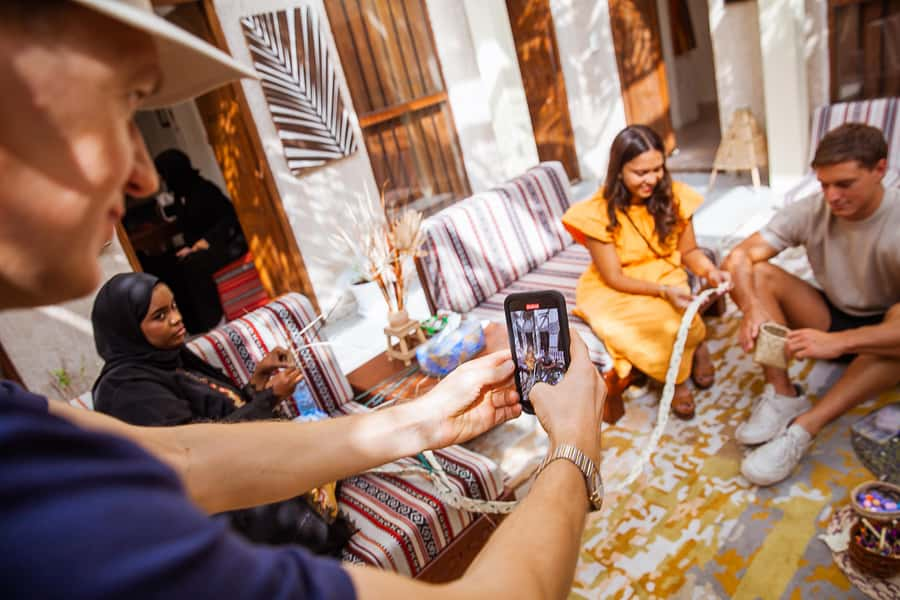
The abra crossing is the route’s most memorable change of scene. Instead of continuing through market lanes, you board a traditional wooden boat and cross Dubai Creek.
The ride is brief, but it gives you a new view of Old Dubai and its waterfront activity. You will see the city from the water and get a simple sense of how the Creek connects the older neighborhoods on either side.
I like this included transfer because it is not just transport. It ties directly to the area’s trading past. Boats, cargo, merchants, and passengers helped make the Creek central to Dubai’s growth.
The boat also gives your feet a break. After walking through Al Bastakiya and the markets, a short ride offers a welcome pause before the tour finishes or continues toward its final market stops.
What $54 buys you in two hours
At $54 per person, this is not the cheapest way to wander through Old Dubai. You can walk the neighborhood and markets independently for less, especially if you only want photographs and a quick look around.
The price makes more sense if you value explanation and structure. You are paying for a certified English-speaking guide, museum admission, coffee and dates, spice-market tastings, and the organized abra experience. You also avoid the work of planning how to connect Al Fahidi, Bastakiya, the markets, and the Creek in a limited time.
The tour is strongest for first-time visitors. You get a useful map in your head, a basic timeline for Dubai, and ideas for places to revisit later. It is also a good choice if you want history and culture without spending half a day in a formal museum.
For a repeat visitor who already knows Old Dubai, the value is less certain. You may prefer to explore at your own speed, shop longer, or spend more time photographing the historic houses.
Timing, comfort, and who should book
The duration is two hours, but the route is active. You will walk between several stops, spend time outdoors, and cross the Creek by boat. Comfortable shoes are essential, and comfortable clothing will make the experience easier.
The tour is offered in English with a live guide. The group format can be a strength because you can ask questions and stay engaged, but it also means you cannot control every pause. If you want a private, slow-paced photo walk, this may not be the right format.
The tour is not suitable for wheelchair users. The walking route, market lanes, and traditional boat transfer make accessibility a serious consideration, not a minor inconvenience.
Free cancellation is available up to 24 hours in advance for a full refund, and you can reserve now and pay later. Those terms are useful if your Dubai schedule is still changing, but the real booking decision comes down to whether you want guided context or independent wandering.
Should you book the Old Dubai walking tour?
Book it if you want a clear, compact introduction to Dubai beyond the skyscrapers. The mix of Al Bastakiya, Al Fahidi Fort, three souks, food tastings, museums, and the abra crossing gives you a lot in two hours.
I would especially recommend it for a first visit, a short stay, or anyone curious about pearl trading, local customs, food, and the city’s early commercial life. The strongest feature is the guide’s role: Pri, Dana, and Sameh have each brought patience, humor, historical detail, and practical advice to past departures.
Skip it if you want a long shopping session, a quiet private walk, or a highly specialized history tour. For most people, though, $54 is a reasonable price for a well-organized first look at Old Dubai, especially with admissions, tastings, and the Creek crossing included.
FAQ
How long does the Historic Forts, Boats and Pearls of Old Dubai Walking Tour last?
The tour lasts two hours.
Where does the tour meet?
Meet your English-speaking guide outside Arabian Tea House in Bastakiya, on Al Fahidi Street in Bur Dubai, opposite the Musalla Post Office.
What places are included?
The route includes Al Bastakiya, the Al Fahidi historical neighborhood, Al Fahidi Fort, the textile souk, the spice souk, and the gold souk. A traditional abra ride across Dubai Creek is also included.
Is the abra ride included?
Yes. The tour includes a ride across Dubai Creek in a traditional wooden abra.
What food and drink tastings are included?
Coffee and dates are included, along with tastings of chocolates and dried fruits in the Spice Souk.
Is museum admission included?
Yes. Museum tickets are included in the tour.
What language is the tour offered in?
The live tour guide speaks English.
Is hotel pickup included?
No. You must make your own way to the meeting point, as hotel pickup and drop-off are not included.
Is the tour suitable for wheelchair users?
No. The activity is not suitable for wheelchair users.
How much does the tour cost?
The price is $54 per person.
Can I cancel the booking?
Yes. You can cancel up to 24 hours in advance for a full refund. You can also reserve now and pay later.
More Forts & Ancient Sites in Dubai
- Desert Safari: Luxury Fortress Dinner, Camel Ride & Dune Bashing
★ 5.0 · 929 reviews - Dubai: Luxury Desert Fortress Dinner, Camel Ride & Live Shows
★ 5.0 · 373 reviews - Dubai’s Ancient Charm Tour
★ 3.8 · 371 reviews - From Amman: Jerash, Ajloun Castle or Umm Qais Private Tour
★ 4.7 · 360 reviews
More Walking Tours in Dubai
- Middle Eastern Food & Culture Walk in Old Dubai
★ 5.0 · 206 reviews - Historic Old Dubai & Souk Small Group Walking Tour
★ 5.0 · 156 reviews - Dubai Souks, Food & Culture Walking Tour
★ 5.0 · 132 reviews - Private Old Dubai Walking Tour: Forts, Souks, and Boats
★ 5.0 · 116 reviews
Newest Dubai trips on the site
- Dubai Desert Safari with Camel Ride, Show, BBQ and Transfers★ 5.0 · 46 reviews
- Dubai Desert Excursions with BBQ Dinner & Live Entertainment★ 5.0 · 25 reviews
- Dubai Desert Safari with Belly Dance, Fire Show and Tanura Show-The Full Package★ 5.0 · 95 reviews
- Dubai: Desert Safari with Camel Ride & Dune Bashing★ 4.0 · 22 reviews
- Dubai Evening4x4Desert Safari BBQ Dinner,4 Live Shows,Camel Ride★ 5.0 · 141 reviews
- Private Evening Desert safari with BBQ Dinner & Entertainment★ 5.0 · 45 reviews
- Dubai Desert Safari with BBQ and 4WD Land Cruiser Dune Bashing★ 5.0 · 133 reviews
- Polarize Dune Buggy 1000cc in Red Dunes Desert★ 5.0 · 26 reviews
Forts & Ancient Sites, compared.
Luxury Desert Fortress Dinner, Camel Ride & Live Shows
Read our review →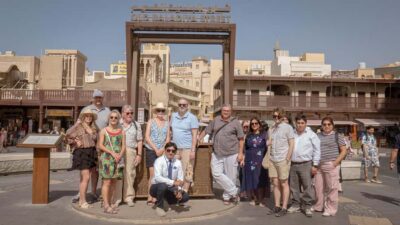
North Qatar Tour | Zubara Fort | Purple Island | Mangros Colony
Read our review →
Dune Buggy Experience and Dinner at Mleiha Archaeological Center
Read our review →
Doha North Qatar Tour Zubara Fort, Mangroves, Jumail Village
Read our review →
Nizwa Fort-Nizwa Souq-Misfah Al Arbyeen-Jebel Shams – Private Full Day Tour
Read our review →
North of Qatar Tour to Olafur Eliasson Zubara Fort Jumail Village
Read our review →Browse the lists this tour appears in